Table of Contents >> Show >> Hide
- What Follicular Lymphoma Actually Is
- Location: Where Follicular Lymphoma Shows Up
- Symptoms: What You Might Notice (and What You Might Not)
- How Follicular Lymphoma Is Diagnosed
- Treatment: The Big Options (and Why They’re Not One-Size-Fits-All)
- 1) “Watch and wait” (also called active surveillance)
- 2) Radiation therapy for localized disease
- 3) Antibody therapy (anti-CD20 medicines)
- 4) Chemo-immunotherapy (chemo + antibody)
- 5) Targeted therapy for relapsed or refractory FL
- 6) Newer immune therapies (where things get excitingand specialized)
- 7) Clinical trials
- Supportive care still counts as care
- Outlook: Prognosis, Survival, and What “Living With It” Can Mean
- Questions to Ask Your Care Team
- Conclusion
Your lymph nodes are supposed to be the quiet, helpful neighbors of your immune systemfiltering germs, hosting immune cells,
and generally not asking for attention. Follicular lymphoma is what happens when some of those immune cells (usually B cells)
start multiplying with the confidence of someone who just discovered “Reply All.”
The good news: follicular lymphoma (often shortened to FL) is usually slow-growing and highly treatable.
The tricky news: it can be sneaky, sometimes showing up with almost no symptoms, and it often behaves like a chronic condition
periods of calm followed by flares that may need treatment.
This guide breaks down what follicular lymphoma is, where it tends to show up (“location”), the symptoms people notice,
the most common treatments (from “watch and wait” to newer immune therapies), and what the outlook typically looks like.
It’s written for regular humansno medical dictionary required.
What Follicular Lymphoma Actually Is
Follicular lymphoma is a type of non-Hodgkin lymphoma that usually starts in B lymphocytes,
a white blood cell that helps your body make antibodies. Under the microscope, the cancer cells often grow in a pattern that
looks like normal lymph node “follicles,” which is where the name comes from.
FL is typically considered indolent (slow-growing). That doesn’t mean it’s harmlessit means that, for many
people, it progresses gradually and can often be controlled for years with the right strategy. Some cases can behave more
aggressively, and sometimes FL can transform into a faster-growing lymphoma. Your care team watches for that
possibility because it can change the treatment approach.
Grades and why they matter
Pathologists may describe FL by “grade,” which roughly reflects how active the cells look under a microscope. Lower-grade
disease tends to act more slowly. Higher-grade disease can act more quickly and may be treated more like aggressive lymphomas.
Your biopsy report helps guide the planso yes, the biopsy is doing a lot of work here.
Location: Where Follicular Lymphoma Shows Up
“Location” can mean two things with FL: (1) where in the body you might notice it and
(2) how widespread it is (the stage).
The usual neighborhoods
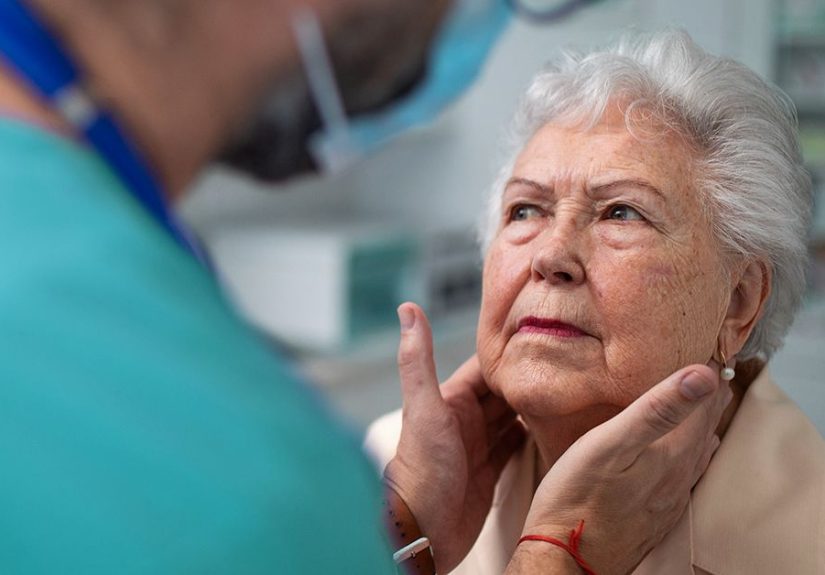
Follicular lymphoma most often involves lymph nodes. People commonly notice a painless lump in places where
lymph nodes sit close to the surface, such as the neck, armpits, or groin. Lymph nodes can also enlarge deep
inside the chest or abdomen, where you can’t feel thembut they may show up on scans.
Common “extra” sites
FL can involve other parts of the lymphatic system and beyond, including the bone marrow and
spleen. Bone marrow involvement can contribute to low blood counts over time. Spleen involvement may cause
a feeling of fullness or pressure on the left side of the abdomen.
Localized vs. advanced: staging in plain English
Staging describes how far lymphoma has spread. Some people have disease limited to one area (earlier stage), while many are
diagnosed with disease in several lymph node regions (advanced stage). Here’s the key point: even when FL is widespread,
it can still be manageable for a long time. “Advanced” does not automatically mean “immediate emergency.”
Symptoms: What You Might Notice (and What You Might Not)
One of the most frustrating features of follicular lymphoma is that it can be quiet for a while. Some people have no symptoms
and discover it during a checkup or imaging for something else.
Common symptoms
- Painless swollen lymph nodes (neck, armpit, groin)
- Fatigue that doesn’t match your sleep schedule
- Fever without a clear infection
- Night sweats (the kind that can soak pajamas or sheets)
- Unexplained weight loss
- Feeling full quickly or abdominal discomfort (sometimes related to spleen or abdominal nodes)
When to get checked
A swollen lymph node is often caused by infection. But if a lump is painless, lasts more than a couple of
weeks, is growing, or comes with fevers, night sweats, or weight loss, it’s worth a medical evaluation. It doesn’t mean you
have lymphomait means you deserve a clear answer.
Safety note: If you ever have severe shortness of breath, chest pain, confusion, or rapidly worsening symptoms,
seek urgent care.
How Follicular Lymphoma Is Diagnosed
Biopsy: the non-negotiable step
Imaging can suggest lymphoma, but a biopsy confirms it. Often, doctors prefer removing all or part of an
enlarged lymph node (excisional or core biopsy) so pathologists can study the architecture of the tissue, not just a handful
of cells.
Lab tests and scans
Expect some combination of blood tests (including blood counts), imaging (often CT and sometimes PET/CT), and possibly a bone
marrow test. Imaging helps determine where the lymphoma is located and whether there are areas that look more aggressive.
Staging and “tumor burden”
Beyond stage, clinicians also consider tumor burdenhow much lymphoma there is and whether it’s causing
symptoms or organ problems. This matters because some people can safely start with observation, while others benefit from
treatment sooner.
Treatment: The Big Options (and Why They’re Not One-Size-Fits-All)
If you take one idea from this section, make it this: follicular lymphoma treatment is often less about “hit it with the
biggest hammer” and more about choosing the right tool at the right time.
1) “Watch and wait” (also called active surveillance)
Yes, it sounds like your doctor is suggesting you ignore cancerand no, that’s not what’s happening. “Watch and wait” means
regular monitoring (checkups, labs, and sometimes imaging) without treatment until there’s a reason to treat.
It’s commonly used when FL is slow-growing, symptoms are minimal or absent, and the lymphoma isn’t threatening organ function.
Think of it like a smoke detector: you don’t spray the fire extinguisher every time you make toast. You stay alert, and you
act when there’s a real signal.
2) Radiation therapy for localized disease
If FL is limited to one or a small number of areas, involved-site radiation therapy can be a major player.
In some early-stage cases, radiation can lead to very long remissions and may be curative for a subset of patients.
3) Antibody therapy (anti-CD20 medicines)
Many FL cells express a marker called CD20. Medications that target CD20like rituximab or obinutuzumabcan be
used alone in some situations or combined with other treatments. They’re often part of first-line therapy when treatment is
needed.
4) Chemo-immunotherapy (chemo + antibody)
For people with more extensive disease, symptoms, or higher tumor burden, doctors often recommend chemo-immunotherapy.
Common regimens include combinations such as:
- Bendamustine + rituximab (often used and generally well-studied in FL)
- R-CHOP (rituximab plus a multi-drug chemo backbone; sometimes chosen when aggressive features are suspected)
- R-CVP (a chemo combination plus rituximab)
Some people also receive maintenance antibody therapy after initial treatment to help prolong remission. The
best choice depends on stage, symptoms, other health conditions, and your goals (for example, minimizing certain side effects).
5) Targeted therapy for relapsed or refractory FL
When FL returns, the next step depends on what you had before, how long the remission lasted, and what features the lymphoma
has. Options may include:
- Lenalidomide + rituximab (often called “R2”): a chemo-free approach for many patients.
-
Tazemetostat: a targeted medicine used in certain relapsed settings, including cases with an
EZH2 mutation or when alternatives aren’t satisfactory. -
BTK inhibitor combo: zanubrutinib (Brukinsa) with obinutuzumab has an FDA accelerated
approval for relapsed/refractory FL after multiple prior therapies.
You might also hear about drug classes that have shifted over the years (for example, some PI3K inhibitors had safety concerns
and changing availability). This is one reason your oncology team’s “current map” matters more than anything you read in an
older forum thread from 2017.
6) Newer immune therapies (where things get excitingand specialized)
In recent years, FL treatment has expanded beyond traditional chemo. For relapsed or refractory disease, some options include:
-
Bispecific antibodies (for example, agents that bring T cells and lymphoma cells together): mosunetuzumab is
one example with FDA accelerated approval in certain relapsed settings. -
CAR T-cell therapy: a highly specialized approach where your own immune cells are engineered to recognize
lymphoma. CAR T can produce deep remissions for some people who have already tried other treatments. -
Epcoritamab (Epkinly): approved for relapsed/refractory FL in later lines, and also approved in combination
with lenalidomide and rituximab for relapsed/refractory FL.
These therapies aren’t “better for everyone,” but they’re important optionsespecially when FL has returned after other
treatments. They’re typically given at centers experienced with monitoring immune-related side effects.
7) Clinical trials
Clinical trials aren’t a last resortthey’re how many of today’s standard treatments became standard. For FL, trials can offer
access to promising combinations, new immune therapies, or strategies designed to reduce chemotherapy exposure.
Supportive care still counts as care
FL and its treatments can affect infection risk, energy levels, and overall well-being. Supportive care can include vaccines
(when appropriate), infection prevention strategies, help with fatigue, and planning for work and family responsibilities.
If you feel like you’re “supposed to tough it out,” consider this permission to not do that.
Outlook: Prognosis, Survival, and What “Living With It” Can Mean
Follicular lymphoma generally has a favorable outlook compared with more aggressive lymphomas. Many people live for yearsand
often decadesespecially with modern therapies and careful monitoring.
Survival statistics (helpful, but not personal fortune-telling)
Population statistics can show broad trends, but they can’t predict an individual outcome. Survival varies by stage, tumor
burden, overall health, and how the disease responds to treatment. In U.S. data, 5-year relative survival is high across
stages, and earlier-stage disease tends to have the highest rates.
What factors shape the outlook?
- Stage and tumor burden (how widespread it is and whether it’s causing problems)
- Grade and biology (how the cells look and act)
- Response to therapy (how well treatment works and how long remissions last)
- Age and other health conditions
- Transformation risk (whether it changes into a faster-growing lymphoma)
About transformation (the plot twist no one asked for)
Sometimes FL can transform into a more aggressive lymphoma. Doctors may suspect this if symptoms change quickly, a lymph node
grows fast, or a scan shows a spot that looks unusually “active.” If transformation is suspected, doctors often biopsy the most
suspicious area. Treatment plans can change significantly if transformation is confirmed.
A realistic, hopeful bottom line
Many people with FL go through long stretches where life looks pretty normalwork, school, travel, family, hobbiesplus a
calendar reminder that says “oncology follow-up” every so often. The goal is not only longer life, but better life.
Questions to Ask Your Care Team
- What stage and grade is my follicular lymphoma, and what does that mean for me?
- Do I have low tumor burden, and is watchful waiting reasonable right now?
- What signs would tell us it’s time to start treatment?
- If treatment is recommended, what’s the goal: long remission, symptom relief, preventing complications, or all of the above?
- Which side effects should I expectand which ones should prompt a call right away?
- Am I a good candidate for a clinical trial?
- How will we monitor for relapse or transformation?
Conclusion
Follicular lymphoma can feel like an emotional contradiction: it’s a cancer, but often slow-moving; it may be widespread, but
still manageable; it might not need treatment right away, but it still deserves respect and monitoring. The best plan depends
on where the lymphoma is located, whether it’s causing symptoms, and how it’s behaving over time.
With tools ranging from watchful waiting and radiation to antibody therapy, chemo-immunotherapy, targeted medicines, and newer
immune options like bispecific antibodies and CAR T-cell therapy, many people live long lives with FLand the treatment
landscape keeps evolving. If you’re facing FL, you don’t need a perfect attitude. You need a clear plan, a care team you trust,
and the freedom to ask as many questions as it takes.
500+ Words: Real-World Experiences People Often Describe
Medical facts are useful, but day-to-day life with follicular lymphoma is often about the in-between moments: the phone call
that starts with “your biopsy results are in,” the first time you learn the phrase “indolent cancer,” and the strange
whiplash of being told you have lymphomaand then being told you might not treat it immediately.
Many people describe the earliest “symptom” as a lump that didn’t hurt. That’s part of what makes FL so
confusing. Our brains are trained to treat pain as the alarm bell. FL sometimes skips the alarm and leaves a sticky note.
People often say the waiting periodappointments, imaging, biopsy, pathologyfelt longer than the treatment itself, because
uncertainty is exhausting in a way that doesn’t show up on a blood test.
If watchful waiting is recommended, patients frequently report a very specific emotional side effect called
“scanxiety”: the stress that ramps up before checkups and scans. In real life, watchful waiting usually means
you still “do something”you track symptoms, keep appointments, and learn your own normal. Some people find it helps to keep
a simple notes app list: energy level, fevers, night sweats, unexplained weight changes, and whether any lymph nodes seem to be
growing. Not because you’re trying to become your own oncologist, but because you’re creating a clear signal in a noisy world.
When treatment begins, experiences vary widely. People on antibody-based approaches often describe infusion days as long but
manageablebring snacks, a charger, and something to watch that isn’t a medical drama (unless you enjoy irony). Fatigue is one
of the most common “real life” challenges across many treatments. Patients often say it’s not just being tired; it’s feeling
like your battery charges to 60% and politely refuses to go higher. Learning to pace activitydoing the important thing first,
taking breaks before you crash, accepting help without giving a TED Talk apologybecomes a practical skill.
Caregivers frequently describe their own version of scanxiety and decision fatigue. Many families find it useful to pick one
person to be the “question keeper” at appointments and one person to be the “note taker,” because it’s hard to listen and
remember when you’re also processing emotions. A small but powerful habit: at the end of each visit, ask the clinician to
summarize the plan in one minutewhat we know, what we’re watching, what happens next.
Finally, a lot of people living with FL talk about rebuilding trust in their bodies. The goal isn’t to become fearless; it’s
to become informed and steady. Over time, many patients say they stop measuring life by “before diagnosis” and “after diagnosis”
and start measuring it by what matters: good days, meaningful routines, relationships, and the quiet confidence that treatment
options exist if and when they’re needed.