Table of Contents >> Show >> Hide
- What Is Fredrix Premium Gesso?
- Why Artists Use Gesso in the First Place
- Key Features of Fredrix Premium Gesso
- Best Surfaces for Fredrix Premium Gesso
- How to Apply Fredrix Premium Gesso
- How Fredrix Premium Gesso Compares in Use
- Tips for Getting the Most Out of Fredrix Premium Gesso
- Who Should Buy Fredrix Premium Gesso?
- Real-World Studio Experiences With Fredrix Premium Gesso
- Conclusion
If paint is the star of the show, gesso is the stage crew doing all the invisible work. It rarely gets applause, but without it, the performance can go sideways fast. A weak ground can leave paint looking dull, sinking in unevenly, or clinging to a surface like a cat to bath time. That is why Fredrix Premium Gesso earns attention from artists who want a dependable, smooth, bright starting point without turning surface prep into a part-time job.
Fredrix has long been associated with artist canvas, and its Premium Gesso fits neatly into that reputation. This is a professional-grade acrylic titanium primer designed to create a reliable painting ground on a range of non-oily surfaces. In plain English, it helps artists build a surface that is smoother, brighter, more consistent, and better prepared for paint. Whether you work in acrylic, oil over an acrylic ground, or mixed media, a quality gesso can dramatically change how the first layer feels under the brush.
In this guide, we will look closely at what Fredrix Premium Gesso is, what makes it useful, where it works best, how to apply it, and what artists often experience when using it in real studio conditions. If you have ever wondered whether a premium gesso is really worth the extra attention, pull up a chair. The answer is more interesting than a simple yes or no.
What Is Fredrix Premium Gesso?
Fredrix Premium Gesso is an acrylic titanium primer formulated to prepare non-oily surfaces for painting. It is known for an extremely smooth, acid-free formula that dries to a flexible finish resistant to cracking or peeling. That combination matters because artists need a surface that not only looks bright and clean, but also remains stable over time.
One of the product’s biggest selling points is coverage. Many artists choose Fredrix Premium Gesso because it can provide strong hiding power without requiring a dozen exhausting coats and a dramatic monologue. The surface it leaves behind has enough tooth to grip paint, yet it can still feel refined enough for more detailed work. That balance is what makes it useful across different painting styles.
It is also designed for more than just stretched canvas. Fredrix positions it for use on non-oily supports such as wood, plywood, paperboard, plaster, masonry, concrete, Masonite, and other hardboards. That makes it a flexible studio staple for artists who move between traditional painting surfaces and more experimental supports.
Why Artists Use Gesso in the First Place
Before zooming further into the Fredrix product specifically, it helps to understand why gesso matters. Gesso acts as the bridge between your support and your paint. It helps seal porous surfaces, adds tooth for adhesion, improves brightness, and creates a more predictable base for subsequent layers.
On raw canvas, paint can soak into the fibers too aggressively. That can mute color, waste material, and make the first layers feel dry and grabby. On wood or board, an unprimed surface may absorb moisture unevenly and affect how paint behaves. A good acrylic gesso solves many of those issues by creating a prepared ground that accepts paint more consistently.
This is especially helpful for artists who paint in layers. When the ground is even, the paint film behaves more evenly too. Brushstrokes become easier to control, edges stay cleaner, glazing behaves more predictably, and the artist spends less time fighting the support. That is a pretty good deal for a white jar of goo.
Key Features of Fredrix Premium Gesso
Smooth Surface Quality
Fredrix Premium Gesso is often described as smooth and easy to apply. That matters because some gesso formulas can feel chunky, overly chalky, or rough enough to make a detail brush question its life choices. Fredrix aims for a surface that still offers grip while avoiding excessive drag.
This makes it a practical choice for artists who want versatility. A smoother ground can support detail work, portrait painting, tighter acrylic layering, and controlled underpainting. At the same time, it still provides enough surface character for broader brushwork and expressive handling.
Professional-Grade Acrylic Titanium Primer
The use of titanium-based white pigment contributes to opacity and brightness. In studio terms, that means the surface starts cleaner, brighter, and more reflective, which can influence how color appears from the very first stroke. Bright grounds can make color mixtures feel fresher and more luminous, particularly in acrylic painting.
Acid-Free and Flexible
An acid-free formula is important for longevity, especially when you care about archival quality or simply do not want your work aging like a forgotten banana. The flexible finish is equally important because painting supports can move slightly over time, especially fabric surfaces. A brittle ground is more likely to crack; a flexible one is more likely to move with the support.
Good Coverage and Value
Fredrix Premium Gesso is widely valued for coverage. Artists often like a gesso that gets the job done in one or two coats rather than demanding repeated applications just to hide the support beneath it. Strong coverage saves time, reduces product waste, and makes the prep stage less annoying.
Multiple Size Options
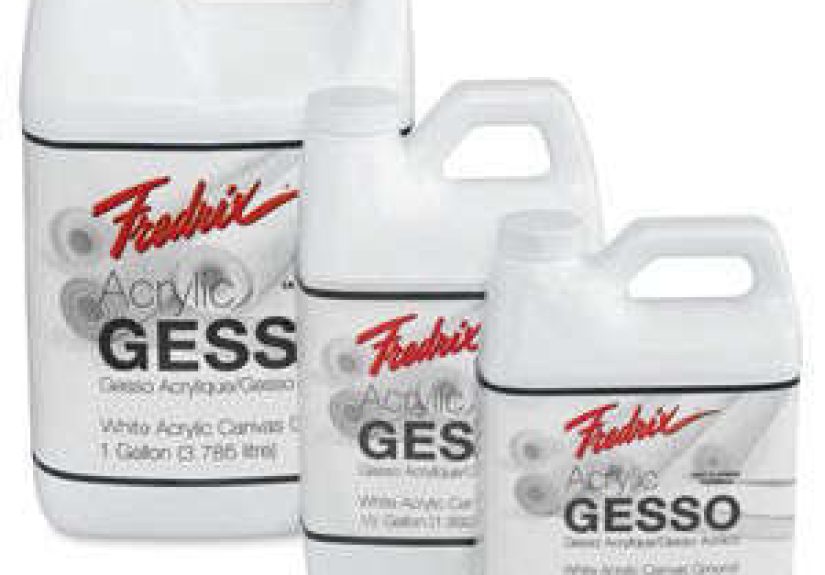
The product is commonly sold in quart, half-gallon, and gallon sizes, making it practical for both small-studio artists and high-volume users. If you prime surfaces regularly, larger sizes can make much more economic sense than buying small jars every few weeks like a person trapped in a very niche subscription service.
Best Surfaces for Fredrix Premium Gesso
One of the strengths of Fredrix Premium Gesso is that it is not limited to one support. It works well on many non-oily surfaces, and that opens up a lot of creative options.
Canvas
Canvas is the most obvious match. Fredrix specifically formulates this gesso with flexibility in mind, which is especially useful on stretched canvas that may expand and contract slightly. Even if a store-bought canvas is already primed, many artists still apply an additional coat or two of premium gesso to refine the surface, reduce absorbency, and improve brush feel.
Wood Panels and Hardboard
For rigid supports, Fredrix Premium Gesso can create a bright, smooth painting ground that feels more stable under detailed work. Many artists prefer panels for portraits, fine edges, or layered oil and acrylic techniques because they do not flex like canvas. Gesso helps seal and prepare that surface before paint is applied.
Paperboard and Mixed Media Supports
Heavy paperboard, illustration board, and some mixed media surfaces can also benefit from gesso. A primed surface can reduce absorbency, improve paint glide, and make the support more suitable for layered applications.
Plaster, Masonry, and Experimental Grounds
Artists working beyond traditional supports may use Fredrix Premium Gesso on plaster, masonry, or concrete, provided the surface is clean and non-oily. This makes it relevant for decorative work, mural studies, installation elements, and mixed media experimentation.
How to Apply Fredrix Premium Gesso
The best gesso in the world will not help much if it is slapped on like pancake batter during a fire drill. Application technique matters. Fortunately, the process is simple.
Step 1: Clean the Surface
Make sure the support is dry, dust-free, and non-oily. On hard or glossy surfaces, light sanding can improve adhesion. This is especially useful on panels or previously sealed supports.
Step 2: Stir the Gesso
Stir gently before use. You want a consistent texture without whipping in unnecessary bubbles. Think “smooth and ready,” not “meringue.”
Step 3: Apply Thin, Even Coats
Use a wide flat brush, gesso brush, foam brush, or suitable tool for the scale of your support. Apply the first coat in one direction using even strokes. If needed, a small amount of water may be used for easier penetration on the first coat, but avoid over-thinning.
Step 4: Let It Dry Thoroughly
Allow the coat to dry fully before adding the next layer. Drying time varies with thickness, humidity, and temperature, but patience here pays off later. Wet impatience is how texture accidents are born.
Step 5: Sand Between Coats if Desired
If you want a smoother surface, lightly sand between coats with fine sandpaper. This is especially useful for detail painting, portrait work, and controlled glazing. If you prefer a little more tooth, skip sanding or use fewer passes.
Step 6: Add Additional Coats
One coat may be enough for many projects, but two or more coats can improve opacity, reduce absorbency, and create a more refined surface. Oil painters often prefer multiple coats on acrylic-primed grounds, particularly when aiming for a smoother and more isolated support.
How Fredrix Premium Gesso Compares in Use
In the broader world of acrylic gesso, artists typically compare products based on five things: smoothness, tooth, brightness, flexibility, and coverage. Fredrix Premium Gesso performs well because it lands in a useful middle zone. It is not so slick that paint skates across it, and it is not so rough that detail work feels like painting on toast.
Artists who want a bright white, studio-friendly ground often appreciate its balance of tooth and smoothness. Those who prepare canvas in batches may also like its coverage and the availability of larger sizes. It works well for practical studio prep rather than feeling like a specialty product with a ten-step ritual and a personality disorder.
Compared with ultra-heavy or highly textured grounds, Fredrix Premium Gesso is more about dependable versatility than dramatic surface character. Compared with cheaper student formulas, it generally offers a more refined feel and a stronger sense of consistency.
Tips for Getting the Most Out of Fredrix Premium Gesso
- For smoother detail work: apply two to three thin coats and sand lightly between them.
- For more visible brush character: use a larger brush and leave the final coat unsanded.
- For toned grounds: tint the dried white gesso layer or mix in a little acrylic color carefully for a custom base.
- For raw canvas: work the first coat firmly into the surface for good contact and even coverage.
- For oil painting: use enough coats to reduce absorbency if you want a less thirsty surface.
- For panel work: prep carefully and sand between coats to create a very controlled painting ground.
Who Should Buy Fredrix Premium Gesso?
Fredrix Premium Gesso makes sense for a wide range of artists. Beginners can benefit from a forgiving, easy-to-apply primer that creates a cleaner painting experience. Intermediate painters can use it to improve the feel of inexpensive pre-primed canvases. Experienced artists may appreciate it as a reliable everyday gesso for studio prep across canvas, board, and mixed media supports.
It is especially useful for artists who want a professional acrylic gesso that does not overcomplicate the process. If you enjoy customizing every layer of your surface, it gives you room to sand, tint, build, and refine. If you simply want your support to behave better and stop sabotaging your brushwork, it handles that too.
Real-World Studio Experiences With Fredrix Premium Gesso
Artists often describe surface preparation as either deeply satisfying or wildly irritating, with very little middle ground. Fredrix Premium Gesso tends to land on the satisfying side because it behaves in a fairly predictable way. That matters more than flashy marketing copy. In actual studio use, predictability is gold.
A common experience begins with a pre-primed canvas that looks ready but feels slightly too absorbent. The painter lays in a first acrylic wash and immediately notices the drag. The brush skips a bit, edges dry faster than expected, and blending feels stingy. After adding a coat of Fredrix Premium Gesso, the same canvas often feels more unified. The next pass of paint moves more evenly, and the support stops acting like it has personal issues.
On wood panels, artists frequently notice the brightness first. A well-applied coat creates a clean, white base that can make sketch lines, color blocks, and underpainting stand out more clearly. This is particularly helpful for painters who build images slowly and need to see subtle value shifts from the beginning. When the ground is bright and even, it becomes easier to judge transparent glazes and delicate passages.
Another common studio observation involves sanding. Fredrix Premium Gesso can be layered and then lightly sanded to produce a more refined surface, and many artists enjoy this because it lets them tailor the feel to their process. Some want a silky panel for portraits or botanical work. Others want just enough tooth for loose acrylic brushwork. The ability to tune the surface rather than accept a one-size-fits-all result is one of the product’s strongest practical advantages.
There is also the issue of mood, which artists rarely put on product labels but absolutely feel in practice. A smoother, cleaner ground can reduce friction in the first hour of painting. That may sound dramatic, but the opening stage of a painting matters. When the brush glides well and the support responds properly, artists often feel more confident making bold choices. When the surface fights back, even a good idea can start to feel clumsy.
For batch preparation, Fredrix Premium Gesso is often appreciated for being straightforward. Artists priming several panels or canvases in one session usually want a product that spreads consistently and does not demand endless correction. A quart or gallon size becomes useful here, especially for classrooms, shared studios, or painters who work in series. Once a stack of supports is prepped and drying, the studio suddenly looks less like chaos and more like intention.
Perhaps the most relatable experience is the moment an artist compares a freshly gessoed surface with an untreated one side by side. The difference is often immediate: better coverage, a more cohesive white ground, and a surface that feels ready rather than merely available. It is not magic, and it will not paint the picture for you. But it can remove a surprising number of small frustrations. In the studio, that is sometimes the closest thing to magic anyone really needs.
Conclusion
Fredrix Premium Gesso is not trying to be a gimmick product, and that is exactly why it works. It offers the qualities artists actually care about: smooth application, reliable coverage, flexibility, acid-free formulation, and compatibility with a wide range of non-oily surfaces. It is a practical, professional acrylic gesso that supports both everyday painting and more careful surface preparation.
If your goal is a bright, dependable painting ground that can be built up, sanded, and adapted to your process, Fredrix Premium Gesso deserves a place on the shortlist. It helps canvas feel better, panels behave better, and first layers go down with less drama. For many artists, that alone is worth opening the jar.