Table of Contents >> Show >> Hide
- Croquettes vs. Fritters: Choose Your Crunch Adventure
- Ingredients That Actually Matter (and Why)
- Recipe 1: Crispy Potato-Oyster Croquettes (Golden Outside, Creamy Inside)
- Recipe 2: Cajun-Style Oyster Fritters (Beer + Buttermilk, Crispy + Tender)
- Pro Tips for Crisp, Non-Greasy Fried Oysters (Croquettes or Fritters)
- Flavor Variations (So You Can Make Them “Your Thing”)
- Make-Ahead, Storage, and Reheating
- Serving Ideas (Beyond “Standing Over the Pan Eating Them”)
- Food Safety Notes (Quick but Important)
- Experience Section: What Making Fried Oyster Croquettes or Fritters Feels Like (500-ish Words)
- Conclusion
Oysters are basically the ocean’s way of saying, “Hey, you deserve a crispy snack.” And when you turn them into
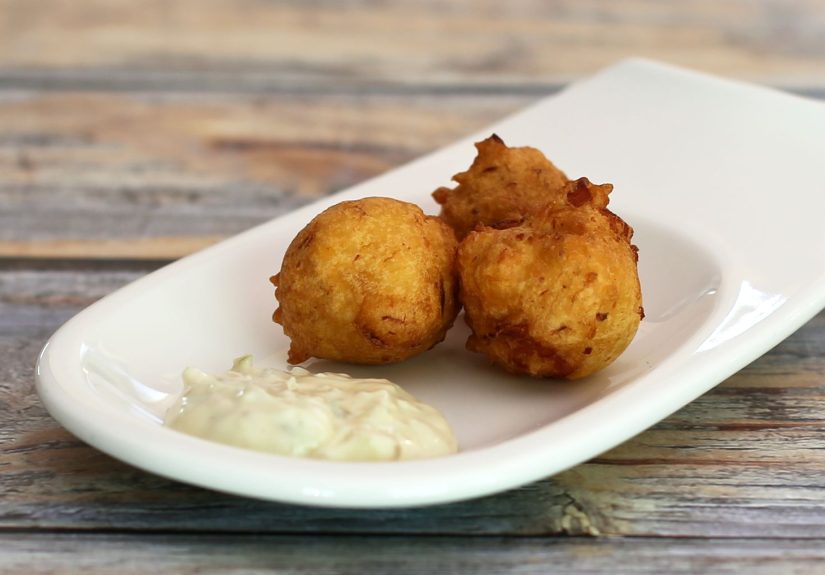
fried oyster croquettes (creamy inside, crunchy outside) or oyster fritters
(golden little batter clouds with briny surprises), you’ve got a party appetizer that disappears faster than a bowl
of chips at a Super Bowl watch party.
This guide gives you two foolproof pathscroquettes and frittersplus pro frying tips, sauce ideas,
make-ahead tricks, and the small-but-mighty details that keep oysters tender instead of turning them into seafood
erasers.
Croquettes vs. Fritters: Choose Your Crunch Adventure
-
Oyster Croquettes: A thicker mixture (usually potato-based) shaped into logs or balls, breaded,
then fried. Think “fancy tater tot,” but coastal and dramatic. -
Oyster Fritters: A scoopable batter with chopped oysters folded in, dropped into hot oil and fried
until puffed and crisp. Think “hushpuppy’s briny cousin.”
Ingredients That Actually Matter (and Why)
1) The oysters
Use fresh shucked oysters if possible. If you’re using packaged shucked oysters, drain them well and
save a little oyster liquor (the juices) for flavor. You can also use canned oysters in a pinchjust drain,
pat dry, and accept that fresh will taste cleaner and sweeter.
2) The binder
-
For croquettes: Mashed potatoes + egg + breadcrumbs form a sturdy base that won’t melt into the oil
like a soap opera plot twist. - For fritters: Flour + cornmeal + leavening (baking powder) makes a crisp shell with a light interior.
3) The seasoning
Oysters are naturally salty and briny, so seasoning should supportnot bulldoze. Old Bay, Cajun seasoning, black
pepper, scallions, a little hot sauce, and Worcestershire are all classic moves.
Recipe 1: Crispy Potato-Oyster Croquettes (Golden Outside, Creamy Inside)
Yield: about 18–22 croquettes (party math: serves 6–8 as an appetizer)
Time: 45 minutes active + 30–60 minutes chilling
Ingredients
- 1 1/2 pounds Yukon Gold potatoes, peeled and cut into chunks
- 1/2 cup finely chopped scallions (white and green parts)
- 2 tablespoons unsalted butter
- 2 cloves garlic, minced
- 1 teaspoon Old Bay (or 3/4 teaspoon Cajun seasoning)
- 1/4 teaspoon black pepper
- Salt, to taste (start smalloysters bring plenty)
- 10–12 ounces shucked oysters, well-drained and roughly chopped
- 1 teaspoon lemon zest (optional but highly encouraged)
- 2 large egg yolks (for richness) + 2 whole eggs (for breading)
- 1 cup all-purpose flour (for dredging)
- 2 cups breadcrumbs (panko for extra crunch)
- Neutral oil for frying (canola, peanut, or vegetable), enough for 2–3 inches in a pot
Step-by-step
-
Boil the potatoes. Put potato chunks in salted water, bring to a boil, and cook until tender
(about 12–15 minutes). Drain well. -
Dry them out (the secret step). Return drained potatoes to the hot pot for 1 minute, shaking gently.
Steam = enemy of crisp croquettes. -
Mash and season. Mash potatoes with butter, garlic, Old Bay, pepper, and lemon zest. Taste and add
a little salt only if needed. -
Fold in the oysters. Pat oysters dry with paper towels, chop, and fold into the potato mixture.
Add 2 egg yolks and mix until cohesive. -
Chill like you mean it. Cover and refrigerate 30–60 minutes. This firms the mixture so it holds
shape and fries cleanly. -
Shape. Scoop about 2 tablespoons each and shape into short logs or balls. If the mix feels sticky,
lightly oil your hands. -
Bread. Set up three bowls: flour, beaten eggs (2), breadcrumbs. Roll croquettes in flour, dip in egg,
then coat in breadcrumbs. For extra crunch, do a second quick breadcrumb pass. -
Fry. Heat oil to 350–360°F. Fry in small batches 3–4 minutes, turning until deeply
golden. Drain on a rack or paper towels and season lightly with salt while hot.
Quick Lemon Remoulade (2 minutes, big payoff)
- 1/2 cup mayonnaise
- 1 tablespoon Creole or Dijon mustard
- 1 tablespoon chopped capers or cornichons
- 1 teaspoon horseradish (optional, but fun)
- 1–2 teaspoons lemon juice + a pinch of zest
- Hot sauce to taste
- Black pepper
Stir everything together. Taste. Add more lemon or hot sauce until you say, “Yep, that’s the stuff.”
Recipe 2: Cajun-Style Oyster Fritters (Beer + Buttermilk, Crispy + Tender)
Yield: about 20–26 fritters
Time: 30–35 minutes
Ingredients
- 1 1/2 cups all-purpose flour
- 3/4 cup stone-ground cornmeal (or fine cornmeal)
- 2 1/2 teaspoons baking powder
- 1 1/2 teaspoons Cajun seasoning
- 1/2 teaspoon black pepper
- 2 large eggs, lightly beaten
- 1/2 cup buttermilk
- 1/2 cup light beer (or sparkling water)
- 1 tablespoon Worcestershire sauce
- 1 teaspoon hot sauce (more if you like)
- 10–12 ounces shucked oysters, drained, patted dry, and chopped
- 1/2 cup sliced green onions
- Neutral oil for frying
Step-by-step
- Heat the oil. Bring oil to 350°F in a heavy pot or Dutch oven.
- Mix dry ingredients. Whisk flour, cornmeal, baking powder, Cajun seasoning, and pepper.
- Mix wet ingredients. In a second bowl, whisk eggs, buttermilk, beer, Worcestershire, and hot sauce.
-
Combine. Pour wet into dry and stir just until combined. Don’t overmixlumpy batter is normal and
honestly kind of charming. - Fold in oysters + scallions. Pat oysters dry first (less splatter, better fry), then fold them in.
-
Fry. Drop batter by heaping tablespoons (or a small cookie scoop). Fry 2–3 minutes per side,
turning once, until golden and crisp. - Drain and season. Drain on a rack/paper towels. Sprinkle with a tiny pinch of salt while hot.
Two easy dipping sauces (pick one, or do both)
- Remoulade: Use the quick version above.
-
Buttermilk “ranch-ish” dip: Mix 1/2 cup mayo + 1/4 cup buttermilk + 1 tablespoon lemon juice +
garlic powder + chopped dill/parsley + pinch of Cajun seasoning.
Pro Tips for Crisp, Non-Greasy Fried Oysters (Croquettes or Fritters)
-
Keep oysters dry. Excess moisture causes popping, greasy coating, and batter that slides off like a
bad toupee. -
Control oil temperature. Too cool = soggy. Too hot = burnt outside, raw-ish inside. Aim for
350–360°F and fry in small batches so the temp doesn’t crash. -
Don’t overcrowd. Crowding drops the temperature and steams the food. Steam is great for dumplings,
not for your crispy dreams. -
Chill croquettes. Cold croquettes hold their shape and fry evenly. Warm croquettes can crack, leak,
or do other dramatic things you didn’t invite. -
Use a rack if you can. A cooling rack keeps the crust crisp. Paper towels are fine, but they can trap
steam underneath.
Flavor Variations (So You Can Make Them “Your Thing”)
Classic New Orleans vibe
Add extra scallions, a hit of hot sauce, and serve with shredded lettuce + pickles on toasted French bread for mini
po’boy sliders.
Lowcountry style
Mix chopped parsley and a little celery seed into the fritter batter. Serve with lemon wedges and a mustardy dip.
Extra-crunch croquettes
Swap in panko and double-coat (egg → panko → egg → panko). You’ll get a shatter-crisp crust that
practically makes sound effects.
Make-Ahead, Storage, and Reheating
-
Croquettes: Shape and bread them, then refrigerate up to 24 hours before frying. You can also freeze
breaded croquettes on a tray, then store in a freezer bag for up to 2 months. Fry from frozenjust add 1–2 minutes. - Fritters: Batter is best fresh. If it sits too long, it thickens and fries heavier. Mix, fry, enjoy.
-
Reheat: Oven or air fryer at 375°F until hot and crisp (8–12 minutes). Microwaves
are great for many things. Crispy fried seafood is not one of them.
Serving Ideas (Beyond “Standing Over the Pan Eating Them”)
- Appetizer platter with lemon wedges, remoulade, and pickled okra
- Brunch side with a runny egg and a drizzle of hot sauce
- Game-day snack with a crunchy slaw and a cold beer
- Mini sandwiches with lettuce, tomato, and a little remoulade
Food Safety Notes (Quick but Important)
Keep oysters cold until you’re ready to cook, and don’t let them sit out for long. Fry in batches so everything stays
hot and safe. When in doubt, trust your nose and keep your timing tightoysters cook fast.
Experience Section: What Making Fried Oyster Croquettes or Fritters Feels Like (500-ish Words)
There’s a very specific moment when you realize you’re about to do something a little bold: you’re standing over a pot
of shimmering oil, holding a spoonful of batter or a breaded croquette, and thinking, “This is either going to be
legendary… or I’m ordering pizza.” That tiny heartbeat of suspense is part of the fun. Fried oyster croquettes and
fritters aren’t difficult, but they do ask for your attentionlike a cat that demands to be admired while you’re
trying to work.
The first sensory clue that you’re on the right track is the sound. Drop a fritter into properly heated oil and it
doesn’t just sizzleit cheers. It’s a lively, confident crackle that says, “Hello, crispness is happening.”
If the oil whispers instead of applauding, you already know the result: pale, oily fritters that taste like regret.
But when the temperature is right, the crust sets quickly, and the kitchen smells like a seaside snack shackin the
best possible way.
Croquettes have their own little drama. You shape them, you bread them, and you set them down like tiny edible
treasures. Then you wait. Chilling them feels like a patience test designed by someone who enjoys irony: you’re
literally refrigerating something you’re desperate to eat. But when you finally fry them, the payoff is huge. The
crust becomes crunchy and golden, and the inside stays creamylike mashed potatoes decided to go on vacation and came
back with an oyster obsession.
The best “aha” moment is the bite. With fritters, you get a crisp edge, then a tender middle, and then that briny pop
of oyster that tastes like the ocean learned how to throw a house party. With croquettes, the contrast is even more
dramatic: crackly outside, plush inside, and little pockets of oyster that make each bite slightly different. It’s the
kind of food that makes people pause mid-conversation to nod approvinglyalways a good sign.
If you’re making these for friends, expect a crowd in the kitchen. Fried things have a magnetic pull. People will
“just happen” to wander in, offering extremely helpful commentary like, “Wow, that smells amazing,” and “Are those
done yet?” You’ll find yourself guarding the cooling rack like it’s a national monument. The smartest move is to
secretly fry a few “tester” pieces earlypurely for quality control, obviously.
And then there’s the sauce situation. Remoulade turns this into a full experience: creamy, tangy, a little spicy, and
absolutely not optional once you’ve tried it. The dip becomes the supporting actor that steals the scene. Suddenly
you’re not just eating fried oystersyou’re having an event. Even if the “event” is you, in sweatpants, standing at
the counter, declaring that you are definitely saving some for later (spoiler: you won’t).
Conclusion
If you want a crisp, crowd-pleasing appetizer with real personality, fried oyster croquettes and fritters deliver.
Go croquette when you want creamy-and-crunchy contrast. Go fritter when you want fast, golden bites with a light
batter and big flavor. Either way, keep the oysters dry, keep the oil hot, and keep the sauce nearbybecause once
these hit the table, they won’t be there long.