Table of Contents >> Show >> Hide
- What Makes the Darjeeling Dining Table Stand Out?
- Design Details That Matter in Real Homes
- Where the Darjeeling Dining Table Works Best
- How to Style a Darjeeling Dining Table
- How to Care for It Without Losing Your Mind
- Is the Darjeeling Dining Table Worth It?
- Buying Tips Before You Say Yes
- Extended Experience: What Living With a Darjeeling Dining Table Really Feels Like
- Conclusion
Some dining tables are polite. They sit quietly in the room, hold plates, and mind their business. The Darjeeling Dining Table is not that kind of table. This one walks in wearing reclaimed wood, blackened metal legs, and enough character to make your chandelier nervous. It is the kind of piece that looks like it has stories, even before your family adds spaghetti night, holiday chaos, and that one friend who always puts a sweating glass down without a coaster.
The appeal of the Darjeeling Dining Table comes from a combination that never really goes out of style: old wood, honest texture, and a shape that is practical enough for everyday life. It blends rustic warmth with industrial restraint, which is a fancy way of saying it looks equally comfortable next to linen napkins, takeout containers, or a pile of homework nobody wants to discuss. For homeowners who want a dining table with presence, but not a diva that demands the whole room revolve around it, this piece hits a very sweet spot.
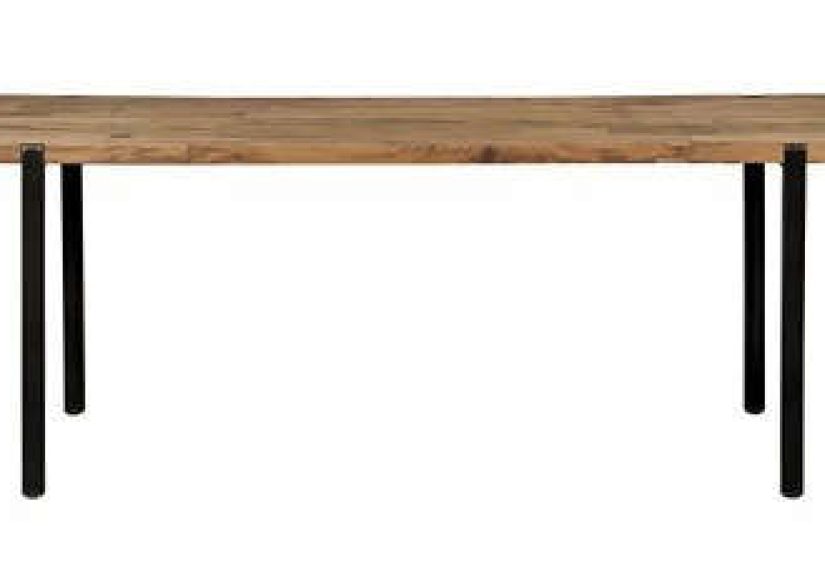
In design terms, the Darjeeling Dining Table is memorable because it embraces natural variation instead of trying to hide it. The reclaimed saal wood top is typically described as a patchwork or plank mosaic surface, so the grain, tone shifts, and irregular marks are part of the charm rather than flaws to apologize for. Pair that with dark metal legs and you get a table that feels grounded, architectural, and a little bit rugged in the best possible way.
What Makes the Darjeeling Dining Table Stand Out?
Reclaimed wood with actual personality
The Darjeeling Dining Table is best known for its reclaimed saal wood top. That detail matters, because reclaimed wood does something newer materials often struggle to fake: it brings depth. The surface tends to show real variation in color, grain, and texture, so the table feels collected rather than churned out. If you are tired of dining furniture that looks like it was designed by a committee named Beige, this is refreshing.
Reclaimed wood also carries visual history. Tiny imperfections, tonal changes, and patched boards create a tabletop that feels lived-in from day one. That is a gift in a dining room. Instead of worrying whether the table is too precious to use, you are more likely to think, “Good, this thing can handle dinner.” It already looks like life has happened on it, which makes it surprisingly forgiving in a busy home.
Industrial legs that keep it from going full farmhouse
A rustic wood top on its own can drift into cabin territory pretty quickly. The Darjeeling Dining Table avoids that by adding square metal legs with a dark, industrial finish. The contrast is what makes the piece work. The wood adds warmth and texture. The metal adds structure and modern edge. Together, they create balance.
That balance is one reason the table works in so many interiors. In a loft, it looks intentional and urban. In a suburban dining room, it adds soul without feeling costume-y. In an open-plan kitchen, it can anchor the space and keep everything from looking too slick or too sterile. It is a little like a leather jacket over a white shirt: simple, classic, and suspiciously good at making everything around it look more interesting.
A size that encourages gathering
The Darjeeling Dining Table is commonly associated with seating for up to eight people, which puts it in the highly practical category of “large enough for real life.” That matters more than people think. A dining table should not just hold dinner plates. It should handle serving bowls, elbows, laptops, wrapping paper, board games, and the occasional dramatic life talk over coffee.
Tables designed for eight generally work best in rooms that can accommodate a longer footprint and comfortable circulation around the perimeter. That makes the Darjeeling a strong candidate for households that entertain, eat together often, or simply want a table that can do more than play host to two lonely placemats and a decorative pumpkin.
Design Details That Matter in Real Homes
The top is the star
On a table like this, the top does most of the storytelling. The patchwork effect of reclaimed planks gives the Darjeeling Dining Table visual movement, so even a simple room instantly gets more texture. That is great news if your space leans minimal or neutral. The table can add richness without needing loud colors or overly ornate decor.
This also means you do not need to over-style it. In fact, the more natural variation a table has, the less you should clutter it. A low bowl, a linen runner, a few candles, or a simple vase of greenery is often enough. The table already brought its own outfit. You do not need to add costume jewelry, a feather boa, and a marching band.
It fits the dark-wood comeback beautifully
Dark woods and moody natural finishes have had a strong return in interior design, and the Darjeeling Dining Table slips neatly into that movement. Its deeper tones and rugged surface make a room feel warmer, less generic, and more layered. If you are trying to move away from an all-white, all-smooth, all-slightly-too-perfect look, this table helps.
The result is a dining area that feels more grounded. The room does not need to be rustic to support it, either. A Darjeeling-style table looks fantastic with contemporary upholstered chairs, woven seating, bentwood classics, or even a deliberate mix of chair styles. That mix-and-match approach can make the room feel curated instead of purchased in one nervous afternoon.
Where the Darjeeling Dining Table Works Best
Open-concept homes
In open-plan layouts, furniture has to do more than serve one function. It has to define zones. A table like the Darjeeling works beautifully here because it has enough visual weight to anchor the dining area without walls doing the job for it. The wood top brings warmth, and the metal base creates a clean silhouette that keeps the space from feeling heavy.
It is also the kind of table that can act as a secondary work surface in a kitchen-dining setup. That is especially useful in homes where the table becomes a prep station, homework headquarters, craft zone, and weekend brunch platform all within 48 hours. In other words, it is not just a dining table. It is a fully employed member of the household.
Homes that need one piece to do a lot
If you do not have a separate formal dining room, investing in a hardworking table makes sense. The Darjeeling Dining Table suits everyday use because it is visually strong, physically generous, and flexible in style. It can dress up for holidays and dress down for Tuesday-night leftovers without looking confused.
It is especially well-suited to homes that favor lived-in beauty over precious perfection. Parents, pet owners, entertainers, and anyone who thinks a dining room should be used instead of admired from a distance will probably appreciate its forgiving visual character.
How to Style a Darjeeling Dining Table
Keep the centerpiece low and simple
The best styling move is restraint. A reclaimed wood table already has plenty going on, so low arrangements work better than tall, fussy centerpieces that block conversation and make people feel like they are dining in a hedge maze. Think ceramic bowls, a row of small bud vases, a stack of art books topped with a candle, or a neutral runner with fresh branches.
If you want a rustic-modern look, use organic textures: linen, stoneware, matte metal, and wildflowers or greenery. If you want it to feel more polished, add sculptural candlesticks, cleaner-lined chairs, and a pendant light with a crisp shape. The table is versatile enough to lean earthy or refined depending on what surrounds it.
Mix chairs for a more collected look
Matching sets can work, but a table like this often looks better with some variety. Try pairing it with modern black chairs, woven seats, or a combination of side chairs and a bench. The contrast between an industrial-style table and softer or more contemporary seating makes the room feel intentional and layered.
This is one of the smartest ways to keep reclaimed wood from feeling too heavy. Sleeker chairs lighten the composition, while upholstered seats bring comfort and keep the whole setup from looking like it is about to assign chores.
How to Care for It Without Losing Your Mind
Respect the wood, but do not baby it
Wood furniture care is usually less dramatic than people fear. The basics are simple: dust with a soft, dry cloth, wipe spills promptly, avoid abrasive cleaners, and use trivets or pads under hot dishes. If the table has a more natural or lightly protected finish, water rings and staining are bigger concerns, so speed matters. The table is relaxed, not magical.
Mild soap and a barely damp cloth are usually enough for sticky spots, followed by drying the surface right away. Harsh cleaners, soaking the wood, or attacking it with the energy of someone scrubbing a driveway are all bad ideas. Reclaimed wood deserves calm behavior.
Climate and sunlight still matter
One of the realities of wood furniture is that it reacts to its environment. Extreme dryness, humidity, direct sun, and placement near vents or radiators can affect tone and performance over time. That is not a defect. It is wood being wood. If you choose a table like this, you are choosing a natural material that may subtly shift, deepen, and patina as it ages.
For many people, that is part of the appeal. The Darjeeling Dining Table is not supposed to look frozen in time. It is supposed to develop character. The goal is not to stop all aging. The goal is to make sure the aging looks charming and intentional instead of like a science experiment involving iced tea.
Is the Darjeeling Dining Table Worth It?
If your ideal dining table is sleek, uniform, and nearly anonymous, probably not. But if you want a table that feels substantial, storied, and visually rich, the Darjeeling Dining Table makes a compelling case for itself. Its best feature is not just the reclaimed wood or the industrial base. It is the way those elements create emotional texture in a room.
Good furniture does more than fill square footage. It changes how a space feels. The Darjeeling makes a dining area feel warmer, more grounded, and more human. It invites everyday use while still reading as a design choice. That is a difficult balance to strike, and it is why this style continues to attract attention years after so many trend-driven dining sets have quietly disappeared into the great beige beyond.
Buying Tips Before You Say Yes
Measure your room first
Before falling in love with any table that seats up to eight, make sure your room can support it comfortably. You want enough space for chairs to slide out and for people to move around the table without turning dinner into an obstacle course. Also consider the depth of the top. A generous tabletop is wonderful for serving pieces and centerpieces, but only if it still fits your daily circulation.
Expect variation, and count that as a win
If you choose a reclaimed wood table, do not expect every board to match perfectly. Expect grain variation, tonal shifts, knots, and other natural markings. That is the point. Buying this kind of furniture while hoping it looks machine-perfect is like ordering rocky road and filing a complaint about rocks.
Think about how you really live
Do you host holidays? Need a work-from-home surface sometimes? Have kids doing school projects? Prefer relaxed, unfussy design? If yes, this kind of table makes sense. It is generous, durable-looking, and flexible. If you mostly want a formal room nobody uses except to store mail and guilt, you may be underusing what makes it special.
Extended Experience: What Living With a Darjeeling Dining Table Really Feels Like
Living with a Darjeeling Dining Table, or any table in that same reclaimed-wood-and-metal spirit, tends to be a very different experience from owning a glossy showroom piece. At first, what stands out is the look. People notice the texture immediately. They run a hand across the top. They ask where the table came from. They comment on the wood. Even visitors who cannot identify a wood species to save their lives somehow become temporary furniture critics the moment they see a surface with real grain and old-world character.
After the visual first impression wears off, the practical experience takes over. A table like this quickly becomes the center of the home because it does not feel too precious to use. Breakfast happens there. Grocery bags get dropped there for a minute. Someone opens a laptop there. A kid spreads out markers there. A friend leans in with a coffee mug and starts talking for two hours. That is where the Darjeeling-style table earns its keep. It feels substantial enough for daily life, and that changes how often people actually use the room.
Another common experience is that the table affects the rest of the decor in a surprisingly helpful way. Once a bold, grounded table is in the room, everything else gets easier. You do not need a lot of extra drama. Chairs can be simpler. The centerpiece can be quieter. The rug does not have to shout. The table becomes the visual anchor, which means the room can relax a little.
There is also a learning curve. Owners of reclaimed wood tables often discover that natural materials ask for a bit more awareness. You start reaching for coasters faster. You learn not to leave condensation sitting there like a personal challenge. You become the person who says, “Use a trivet, please,” in a tone that suggests you have seen things. But it usually does not feel fussy. It feels more like learning how to live well with a material that responds to real life.
Over time, the best part may be the way the table grows into the house. Small marks and subtle changes in tone stop feeling like damage and start feeling like history. The surface looks even better when it has been part of celebrations, ordinary dinners, late-night conversations, and seasonal decorating experiments that looked much better in your head than they did in person. Reclaimed wood tends to age with a certain grace, and that is hard to fake.
In emotional terms, this style of dining table often makes a room feel more welcoming. It softens new construction, adds character to minimal spaces, and gives open-concept layouts a stronger sense of identity. It can make a home feel more settled, more layered, and more personal. And that might be the real reason people love pieces like the Darjeeling Dining Table. Yes, it is furniture. But it also helps create the kind of room where people actually want to stay after dessert instead of mysteriously remembering they need to go home and reorganize a drawer.
Conclusion
The Darjeeling Dining Table remains a standout because it combines the things people want most from a dining table: beauty, character, utility, and a little soul. Its reclaimed wood top gives it texture and history. Its dark metal legs keep it modern and grounded. Its generous seating makes it practical for both everyday meals and bigger gatherings. Most of all, it feels like a piece made to be lived with, not tiptoed around.
For shoppers looking to bring warmth, depth, and authentic materiality into the dining room, the Darjeeling Dining Table is more than a stylish option. It is a reminder that the best furniture does not just fill a room. It helps define how the room is used, how it looks, and how it feels. And that is a lot to ask from a table. Luckily, this one seems up for the job.