Table of Contents >> Show >> Hide
- Why Some Babies and Toddlers Resist the Crib
- Start with the Sleep Setup
- Build a Bedtime Routine That Signals Sleep
- Teach the Crib to Feel Familiar
- Tips for Babies Who Only Want to Sleep on You
- Tips for Toddlers Who Pop Back Up Like Toast
- Common Crib-Sleep Mistakes That Make Bedtime Harder
- When Sleep Trouble Might Be More Than a Habit
- What Actually Helps Most Over Time
- Real-Life Experiences Parents Commonly Have with Crib Sleep
- Conclusion
- SEO Tags
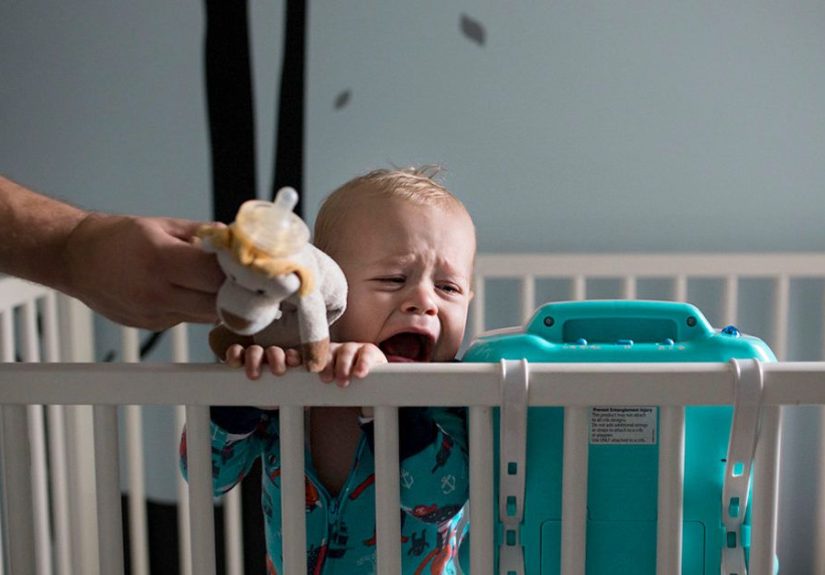
Let’s be honest: for many parents, the crib can feel less like a peaceful sleep space and more like a tiny mattress-shaped betrayal. Your baby dozes happily in your arms, on your chest, or during a stroller ride worthy of an Oscar-winning soundtrack. But the moment you lower that sleepy little body into the crib? Eyes pop open. Sirens blare. The protest begins.
If that sounds familiar, you are very much not alone. Getting a baby or toddler to sleep in the crib takes a mix of timing, consistency, patience, and a healthy respect for the fact that small children have surprisingly strong opinions for people who cannot legally drive. The good news is that crib sleep is a skill, and like most skills, it can be taught gently and steadily.
In this guide, you’ll learn how to create a sleep-friendly crib setup, build better bedtime habits, avoid common mistakes, and handle the real-life situations that make parents mutter, “But you were asleep two seconds ago.”
Why Some Babies and Toddlers Resist the Crib
Before you fix the problem, it helps to understand it. Babies are not being dramatic just for sport. The crib can feel different from your arms in every possible way: cooler, flatter, less snuggly, and suspiciously stationary. Many babies also develop strong sleep associations. If they usually fall asleep while feeding, rocking, or being held, they may wake between sleep cycles and think, “Excuse me, where did the cuddly staff go?”
Toddlers add a few extra ingredients to the sleep stew. They may resist the crib because of separation anxiety, bedtime stalling, overtiredness, developmental leaps, or sheer determination. Some are practicing new skills like standing, talking, climbing, or launching one sock into orbit at 9:07 p.m.
That is why successful crib sleep is rarely about one magical trick. It usually comes from solving several small issues at once: environment, routine, timing, comfort, and consistency.
Start with the Sleep Setup
If you want your child to sleep in the crib, the crib needs to feel predictable, boring, and safe. That last one matters most.
For babies under 12 months, keep the crib simple
The safest crib is not the cutest one on social media. It is the plain one. That means a firm mattress, a fitted sheet, and no loose blankets, pillows, stuffed animals, bumpers, or positioners. Think “minimalist spa,” not “tiny luxury suite.”
Dress your baby for the room temperature instead of adding loose bedding. A wearable sleep sack can help if your baby is old enough and it is used correctly. If your baby is still swaddled, make sure the swaddle is not too tight, always place baby on the back, and stop swaddling as soon as rolling attempts begin.
Use the crib for sleep, not for negotiations
Once your baby or toddler is in the crib, try not to turn bedtime into a long nightly debate. Calm, brief, predictable responses work better than constant resets, lights on, and another dramatic house tour at bedtime. Children sleep better when they know exactly what happens next.
Make the room feel sleep-friendly
Keep the room dark, quiet, and comfortably cool. The goal is to remove distractions. A room that feels like a mini daytime circus makes it harder for children to wind down. Your child does not need a laser show, seven songs, and a TED Talk before bed. They need cues that say, “It is boring o’clock.”
Build a Bedtime Routine That Signals Sleep
One of the best ways to get your child to sleep in the crib is to stop making bedtime feel random. A predictable bedtime routine helps the brain connect certain steps with sleep.
A simple routine works best
A good bedtime routine does not need to be fancy. In fact, the more elaborate it becomes, the more likely you are to end up starring in a nightly production called Bath, Book, Bottle, Song, Cry, Repeat. Keep it simple and repeatable.
A classic rhythm might look like this:
- Quiet play and dim lights
- Diaper or pajamas
- Feeding or snack at the appropriate age
- Short book
- Brief cuddle
- Into the crib sleepy, calm, and ready for sleep
For toddlers, brushing teeth, using the potty, and one final short story can fit into the same structure. The exact steps matter less than doing them in the same order most nights.
Timing matters more than parents want it to
Many crib battles are really overtired battles in disguise. When babies and toddlers stay awake too long, they do not magically become more ready for sleep. They often become wired, fussy, clingy, and harder to settle. It is one of parenting’s least fun plot twists.
Watch for tired cues such as rubbing eyes, zoning out, fussiness, clinginess, or losing interest in play. An earlier bedtime often works better than a later one, especially during rough phases.
Teach the Crib to Feel Familiar
If your child treats the crib like a suspicious foreign country, spend time making it feel familiar during the day.
Practice when your child is happy
Let your baby spend short, supervised periods in the crib while awake and content. Talk, smile, sing, or place them down for a minute or two after a diaper change. With toddlers, use the crib as part of the regular routine instead of only as the place where all fun goes to die.
The goal is to help the crib feel normal instead of like a sudden nighttime surprise.
Use the “sleepy but awake” approach when possible
This advice gets repeated because it often helps. Putting your child in the crib when sleepy but not fully asleep gives them a chance to practice drifting off in the same place where they will wake later. That reduces the shock factor during normal nighttime arousals.
Now, real talk: this does not always work immediately. Some babies need a more gradual approach. That is fine. Progress counts. If your child is used to falling asleep in your arms, start by rocking until very calm, then placing them in the crib before they are completely out.
Pause before rushing in
Not every sound is a full emergency. Babies and toddlers make noise in their sleep. Some fuss briefly between cycles and resettle on their own. Waiting a short moment before intervening can prevent you from accidentally waking a child who was on the verge of going back to sleep.
This does not mean ignoring distress. It means giving your child a brief chance to settle before you become the surprise guest star in every sleep transition.
Tips for Babies Who Only Want to Sleep on You
This is incredibly common, especially in the early months. Babies like warmth, motion, smell, and closeness. Unfortunately, your chest is not a crib, even if your baby strongly disagrees.
Warm the routine, not the mattress
Instead of trying weird hacks, focus on a smoother transfer. Hold your baby until their body is relaxed, then lower them slowly feet first, followed by bottom, then head. Keep one hand on the chest and one on the legs for a few extra seconds after the transfer. That gentle pressure can help reduce the startling “I have been lowered into a completely different universe” reaction.
Separate feeding from full sleep when you can
Feeding before bed is normal and often helpful. But if feeding always leads directly to deep sleep in your arms, your baby may expect the same setup every time they wake. Try moving the feed a little earlier in the routine when it is realistic, even by a few minutes, so the last step becomes cuddles and crib instead of instant milk coma.
Pick one response style and stick with it
If your baby cries when placed in the crib, respond calmly and consistently. You might pat, shush, briefly pick up and soothe, then place back down. Or you might offer comfort with your voice and touch while keeping the baby in the crib. The method matters less than consistency. Children learn patterns fast, especially the inconsistent ones.
Tips for Toddlers Who Pop Back Up Like Toast
Toddlers often resist sleep because they finally realize they have opinions, mobility, and the ability to request water seventeen times.
Keep bedtime boundaries clear
Use a short, calm phrase each night: “It’s time to sleep. I love you. I’ll see you in the morning.” Avoid long negotiations. The more words you add, the more material your toddler has to work with.
Return, reassure, repeat
If your toddler stands, cries, or protests, respond with calm predictability. Lay them back down, offer brief reassurance, and leave. The first few nights can feel repetitive, because they are. You are teaching that bedtime is not a rotating event schedule.
Some families find that a gradual retreat works well. Sit near the crib for a few nights, then move farther away over time. This can help toddlers who panic when a parent leaves immediately.
Do not rush the crib-to-bed transition
If your toddler is still sleeping safely in the crib and is not climbing out, there is no prize for moving to a toddler bed early. In many cases, keeping a child in the crib longer supports better sleep and fewer nighttime adventures. Make the switch when safety or developmental readiness truly calls for it.
Common Crib-Sleep Mistakes That Make Bedtime Harder
1. Putting your child down too late
An overtired child is often harder to settle, not easier. A reasonable bedtime is one of the most underrated sleep tools on the planet.
2. Changing strategies every night
If Monday is rocking, Tuesday is driving around the block, Wednesday is bouncing, and Thursday is interpretive dance, your child never gets a clear message. Choose a plan and give it time.
3. Accidentally creating a “must-have” sleep setup
Some sleep associations are manageable. Others become a full-time side job. If your child can only fall asleep while being held, walked, or fed, consider gradually reducing how much help they need at sleep onset.
4. Overcomplicating bedtime
Children do not need a fourteen-step bedtime sequence. They need calm repetition. A routine you can actually sustain beats a perfect one that collapses by Thursday.
5. Ignoring naps or daily rhythm
Day sleep affects night sleep. Skipped naps, late naps, or chaotic daytime schedules can make crib sleep harder. Babies and toddlers do best when sleep happens on a reasonably predictable rhythm.
When Sleep Trouble Might Be More Than a Habit
Sometimes crib resistance is not just behavioral. Talk with your pediatrician if your child has persistent reflux symptoms, chronic congestion, eczema flare-ups that interrupt sleep, frequent ear infections, loud snoring, breathing pauses, unusual nighttime distress, or poor weight gain. If something physical is making sleep uncomfortable, no bedtime routine on Earth can fully fix that.
You should also ask for guidance if your baby is very young, was born early, has special medical needs, or you are unsure which sleep strategies are appropriate for their age and development.
What Actually Helps Most Over Time
If you remember only a few things, make them these: create a safe crib, use a consistent bedtime routine, aim for good timing, put your child down calm and sleepy when possible, and respond in the same general way every night. Crib sleep usually improves through repetition, not through one brilliant evening of parenting wizardry.
And yes, there may still be setbacks. Teething, illness, travel, developmental leaps, and separation anxiety can all temporarily wreck a perfectly decent sleep situation. That does not mean you failed. It means you have a child, not a robot. Reset the routine, stay steady, and keep going.
Real-Life Experiences Parents Commonly Have with Crib Sleep
Parents often imagine that once they buy the crib, wash the sheets, and dim the lights, sleep will simply happen. In real life, crib sleep usually unfolds more like a slow negotiation. Many parents describe the first stage as the “instant wake-up transfer,” where the baby seems deeply asleep in arms but opens both eyes the second their back touches the mattress. This can be discouraging, especially at 2 a.m., when you are moving with the care of someone disarming a glitter bomb. What usually helps is not a single miracle move, but repetition. Over several nights, babies often begin to tolerate the transfer a little more when the routine stays the same and the parent’s response stays calm.
Another common experience is the “false bedtime victory.” A parent finally gets the baby into the crib, tiptoes away like a ninja, celebrates too early, and then hears crying ten minutes later. This often happens because the child fell asleep with a lot of help and then noticed the difference when they shifted into a lighter sleep stage. Parents who gradually reduce how much rocking, feeding, or holding happens right before sleep often report that nights become less dramatic over time. Not perfect overnight, but definitely less like an emotional hostage situation.
For toddlers, the challenge often changes from falling asleep to staying put. Some toddlers stand and yell. Some throw pacifiers or stuffed animals with the arm strength of a major league pitcher. Some become tiny lawyers who suddenly have urgent concerns about socks, water, songs, and the philosophical meaning of bedtime. Parents who see improvement usually talk about one thing more than anything else: consistency. The winning move is rarely a clever speech. It is calm repetition. Same bedtime. Same phrase. Same response. Same limit.
Many parents also notice that sleep gets better when they stop waiting for total exhaustion. It is a common trap to think, “If I keep my child up longer, they’ll crash harder.” Instead, many babies and toddlers become more wound up, more clingy, and more difficult to settle. Families often see progress after moving bedtime earlier by even 15 to 30 minutes. That tiny change can make a surprisingly big difference.
There is also the emotional side of crib sleep that parents do not always talk about. Some feel guilty when they are not holding the baby for every nap. Others feel frustrated when one method worked for a week and then suddenly stopped. Many worry that if bedtime is hard, they are doing something wrong. In most cases, they are not. Sleep develops unevenly. Children go through phases. What looks like “bad sleep” is often just a normal stretch of development, separation anxiety, teething, travel recovery, or a disrupted routine.
Perhaps the most encouraging real-world pattern is that families who stay steady usually do see improvement. Maybe not in one dramatic night with a movie-style sunrise and angelic birdsong, but in small wins. A shorter protest. An easier transfer. One less wake-up. A toddler who lies back down after one reminder instead of seven. Those small wins are how crib sleep becomes normal. Not glamorous. Not instant. But very real, very possible, and very worth it.
Conclusion
Getting your baby or toddler to sleep in the crib is usually a process, not a switch you flip. The best approach combines safety, routine, timing, and patience. Keep the crib simple, the routine consistent, and your response calm. When bedtime goes sideways, focus less on finding a magic trick and more on building a repeatable pattern your child can learn.
Some nights will still be messy. That is parenting. But with a steady plan, many children learn that the crib is not a trap, a betrayal, or a place where fun goes to retire. It is simply where sleep happens.