Table of Contents >> Show >> Hide
- What Is a Glass Bamboo Teapot?
- Why People Love This Style of Teapot
- Why Borosilicate Glass Matters
- Best Teas to Brew in a Glass Bamboo Teapot
- How to Brew Better Tea in a Glass Bamboo Teapot
- What to Look for Before You Buy
- How to Clean and Care for a Glass Bamboo Teapot
- Common Mistakes to Avoid
- Why the Glass Bamboo Teapot Keeps Winning Fans
- Experience Notes: Living With a Glass Bamboo Teapot
- Conclusion
- SEO Tags
A glass bamboo teapot is what happens when tea culture decides to dress up for dinner but still wants to be practical. It combines the airy, transparent look of glass with the warm, natural charm of bamboo, creating a piece of teaware that feels equal parts kitchen tool and countertop jewelry. If your average mug says, “I drink tea,” a glass bamboo teapot says, “I have a tea ritual, and yes, it is fabulous.”
But this style is more than a pretty face. Many glass teapots are made from borosilicate glass, a material widely used because it handles heat better than ordinary glass and lets you watch the liquor change color as the leaves open. Add a bamboo handle, lid, knob, or trivet, and suddenly the whole experience feels softer, calmer, and a little more spa-adjacent. That blend of beauty and usefulness is exactly why the glass bamboo teapot has become such a popular choice for loose-leaf tea lovers.
This guide breaks down what a glass bamboo teapot is, why people love it, what to look for before buying one, how to brew better tea in it, and how to keep it from turning into a cloudy little tragedy in the back of your cabinet.
What Is a Glass Bamboo Teapot?
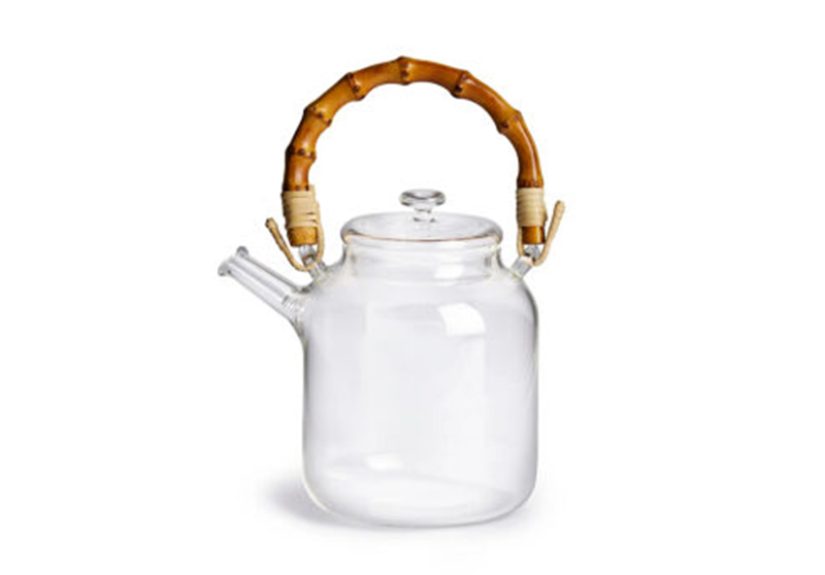
A glass bamboo teapot is usually a clear teapot with at least one bamboo accent, such as a wrapped handle, a bamboo lid, a bamboo knob, or a matching bamboo trivet. In many designs, the body is made of heat-resistant borosilicate glass, while the infuser is glass or stainless steel. The result is a teapot that looks clean and modern without feeling cold or clinical.
That combination matters. Glass gives you visibility. Bamboo adds texture and warmth. Together, they make the tea ritual feel a little more intentional. You are not just pouring hot leaf water into a vessel. You are staging a tiny daily performance, and the tea gets top billing.
These teapots are especially popular for blooming teas, green teas, white teas, herbal blends, and any loose-leaf tea that looks beautiful while steeping. If you enjoy watching jasmine pearls unfurl or a flowering tea slowly turn into an underwater bouquet, a glass bamboo teapot is basically your front-row seat.
Why People Love This Style of Teapot
1. You Can See the Tea as It Brews
One of the biggest selling points is visual clarity. With ceramic or cast iron, the transformation is hidden. With glass, you can actually watch pale green tea glow, black tea deepen into amber-red, and herbal blends swirl into sunset shades. It makes steeping easier too, because you can judge strength with your eyes instead of relying only on the clock.
2. It Feels Light and Modern
A glass bamboo teapot usually looks more delicate and contemporary than chunkier teaware styles. It fits beautifully in minimalist kitchens, Scandinavian-inspired spaces, cozy breakfast nooks, and those “I swear I only bought one plant” homes that somehow now contain twelve.
3. It Works Well for Loose-Leaf Tea
Many models come with a removable infuser basket, which makes them ideal for loose-leaf tea. That means the leaves have room to expand, release aroma, and develop flavor. It also means fewer sad, soggy tea balls with leaves packed tighter than commuters on a Monday morning.
4. Bamboo Softens the Look
Glass on its own can feel sleek, even a little cool. Bamboo changes that. It adds a natural, handcrafted touch that makes the teapot feel friendlier and more grounded. The visual contrast is part of the appeal: transparent body, organic accent, calm energy.
5. It Encourages Better Tea Habits
Funny enough, using a nice teapot can improve your brewing habits. People tend to measure tea more carefully, pay attention to water temperature, and stop nuking random mugs in the microwave when they own a teapot that makes the process feel worth doing right.
Why Borosilicate Glass Matters
When people talk about a quality glass bamboo teapot, they are usually talking about borosilicate glass. That material is favored because it has better resistance to thermal shock than common glass. In plain English, it handles hot water more gracefully and is less likely to panic when temperatures change.
That does not mean it is indestructible. A borosilicate glass teapot is still glass, not superhero armor. It should not go from a roaring boil to an ice bath, and it should not be slammed onto a granite countertop like you are ending a cooking show dramatically. But for everyday tea service, it is a smart material choice.
Borosilicate glass is also appreciated because it does not make tea taste metallic or muddy. For tea drinkers who care about the aroma of jasmine, the grassy softness of sencha, or the roasted depth of oolong, that clean-tasting brewing environment is a real advantage.
Best Teas to Brew in a Glass Bamboo Teapot
Green Tea
Green tea is one of the best matches for a glass bamboo teapot. The liquor tends to be beautiful, the leaves are often elegant to watch, and the lower brewing temperatures suit the gentle nature of glass service. Delicate greens can turn bitter if blasted with boiling water, so a calm, measured brew is the goal.
White Tea
White tea also shines here. It looks pale and refined in glass, and the slower unfurling of the leaves becomes part of the experience. Brewing white tea in a glass pot feels like listening to acoustic music while it rains. Is that scientifically precise? No. Is it spiritually accurate? Absolutely.
Oolong Tea
Many oolongs do wonderfully in glass, especially lighter styles and tightly rolled leaves that gradually open up during infusion. Watching those little rolled leaves wake up is half the fun. It is like tea time and nature documentary merged into one.
Herbal Tea
Herbal blends look fantastic in glass bamboo teapots, especially when they contain chamomile blossoms, hibiscus, citrus peel, rose petals, or mint. Since herbal infusions often steep longer, a roomy infuser and a well-fitting lid are especially helpful.
Blooming Tea
If there is a show-off category, this is it. Blooming tea was practically born for clear teaware. A glass bamboo teapot lets you enjoy both the flavor and the visual reveal, turning a simple hot drink into a tiny edible flower performance.
How to Brew Better Tea in a Glass Bamboo Teapot
Use the Right Water Temperature
Not every tea wants boiling water. Black tea and many herbals can handle hotter temperatures, while green and white teas usually prefer cooler water. If you use water that is too hot for delicate tea, you can end up with bitterness, harshness, or a cup that tastes like the leaves are holding a grudge.
Measure the Tea Properly
A good starting point is roughly one teaspoon of loose tea for each six-ounce serving, then adjust based on the leaf size and your taste. Whole-leaf teas can appear fluffy, while denser rolled teas may need different amounts. Think of the teaspoon as a starting point, not a law carved into the side of a mountain.
Let the Leaves Expand
If your glass bamboo teapot has an infuser, make sure there is enough room for the leaves to open. Crowding the leaves limits flavor extraction. Tea likes elbow room. Give it space.
Do Not Oversteep
As a general rule, black tea often lands around 3 to 5 minutes, green tea around 1 to 2 minutes, white tea around 2 to 3 minutes, oolong around 2 to 3 minutes, and herbal infusions often go longer. The clear body of the teapot helps here because you can see the color building before the tea gets too strong.
Cover the Pot While Steeping
A lid helps retain heat and aroma. If your model includes a bamboo lid or knob, that extra natural detail is not just pretty. It supports the overall brewing process by keeping the pot covered while the tea infuses.
What to Look for Before You Buy
Heat-Resistant Glass
Look for borosilicate glass or clearly labeled heat-resistant glass. This is one of the most important features if you want durability and peace of mind.
Removable Infuser
A removable infuser makes brewing easier and cleanup less annoying. Stainless steel mesh works well for smaller leaves, while larger glass infusers can be beautiful for blooming teas and larger whole leaves.
Bamboo Details That Feel Secure
The bamboo handle or lid should feel sturdy, smooth, and well attached. Decorative bamboo is great, but decorative bamboo that falls off while pouring is less charming.
Capacity
Smaller pots are ideal for solo drinkers or delicate teas. Larger ones work well for sharing or for blooming teas that need room to expand. Think about how you actually drink tea. Are you serving guests, or are you mainly brewing one luxurious pot for yourself while hiding from emails?
Stovetop Safety
Some glass teapots are stovetop safe, but many are not. Always check the manufacturer’s instructions. In most cases, it is better to heat water separately and use the teapot for steeping rather than boiling.
Ease of Cleaning
A wide opening, removable parts, and a simple interior shape make life much easier. Beautiful curves are lovely, but not if they trap old tea leaves in a secret little cave behind the infuser.
How to Clean and Care for a Glass Bamboo Teapot
Good care keeps your glass bamboo teapot looking elegant instead of haunted by tea ghosts. After each use, empty the leaves promptly and rinse the pot with warm water. If needed, wash it gently with warm, soapy water and a soft sponge. Pay extra attention to the spout and infuser, where residue likes to hide.
If the infuser holds tiny leaf fragments, use a small brush or gentle scrubber. Never attack it with anything overly abrasive, because scratched glass loses some of its charm fast. If your teapot is labeled dishwasher safe, that can simplify cleanup, but hand washing is often the safer long-term choice, especially for pieces with bamboo accents.
Bamboo deserves special attention. Do not leave bamboo parts soaking in water for ages. Wipe them dry after washing so they stay attractive and less likely to warp or age poorly. Natural materials love a little respect. Ignore them, and they will age like a neglected patio chair.
If mineral stains or tea film build up inside the pot, a gentle descaling routine can help. The goal is clarity, not chemical warfare. Clean it regularly, dry it thoroughly, and store it somewhere it will not get knocked around by heavier cookware.
Common Mistakes to Avoid
Using boiling water for every tea: Delicate teas can become bitter fast.
Leaving tea in the pot too long: Oversteeping can flatten flavor and create astringency.
Assuming all glass teapots are stovetop safe: Some are, some are not, and guessing is a terrible quality-control system.
Neglecting the infuser: Old tea leaf residue affects flavor and makes cleanup harder later.
Soaking bamboo pieces forever: Natural accents need gentler treatment than the glass body.
Buying only for looks: A gorgeous teapot that pours badly or is hard to clean becomes decorative clutter with trust issues.
Why the Glass Bamboo Teapot Keeps Winning Fans
The appeal comes down to balance. A glass bamboo teapot feels refined without being fussy, natural without being rustic, and stylish without requiring a dedicated tea room and a background in ceremonial etiquette. It works for beginners because it is approachable. It works for enthusiasts because it respects the tea. And it works for design lovers because, frankly, it looks fantastic on a shelf.
It also turns tea into an experience instead of a reflex. That matters. In a world of rushed coffee runs, mystery travel mugs, and drinks gulped between tabs on a laptop, a glass bamboo teapot asks you to slow down for ten whole minutes. Radical, I know.
Experience Notes: Living With a Glass Bamboo Teapot
The first thing most people notice when they start using a glass bamboo teapot regularly is that tea feels less like a beverage and more like a ritual. You fill the kettle, warm the pot, add the leaves, and suddenly the kitchen gets quieter. Even if the dishwasher is full and your phone is buzzing, there is a strange little island of calm inside the process. The transparent pot helps because you can literally watch the tea happen. That sounds simple, but it changes the mood.
In daily life, this kind of teapot tends to shine during slower moments: an early morning before the house wakes up, a late afternoon break, or a rainy weekend when the whole world feels like it has been set to low volume. Green tea looks bright and fresh in it. Chamomile looks soft and golden. Oolong slowly deepens and becomes dramatic. A blooming tea, of course, turns the whole thing into theater. If you are the sort of person who says, “Come look at this,” while your guests are still taking off their coats, this teapot will absolutely support your lifestyle.
There is also something satisfying about the bamboo detail. A bamboo lid or handle changes the personality of the pot. It makes the glass feel warmer, less clinical, and more lived-in. On a counter, it pairs nicely with wood cutting boards, ceramic mugs, linen towels, and all the other items people buy after deciding they want their kitchen to feel “peaceful” instead of “where takeout menus go to retire.”
From a practical standpoint, using a glass bamboo teapot can make you more attentive. You start noticing whether your green tea really tastes better at a lower temperature. You begin to care about steeping time because you can see the liquor turn from delicate to intense right in front of you. You get better at recognizing when the leaves have opened enough, when the color is right, and when it is time to pull the infuser. That visibility can be surprisingly educational for new tea drinkers.
Of course, real-life experience also teaches respect. You learn quickly not to be careless with hot glass. You learn not to bang it into the sink. You learn that bamboo parts appreciate being dried off instead of abandoned in a puddle. And you learn that tea stains appear faster when you tell yourself, “I’ll wash it later,” which is the universal anthem of future regret.
Still, once people get into the rhythm of using one, they often stick with it. A glass bamboo teapot makes ordinary tea feel intentional without becoming intimidating. It offers beauty, function, and just enough ceremony to make a weekday feel upgraded. That may be its biggest strength. It does not demand perfection. It simply makes small moments feel better, clearer, and a little more elegant.
Conclusion
A glass bamboo teapot is not just a trendy piece of teaware. It is a practical, attractive option for anyone who wants to brew loose-leaf tea with a little more beauty and a lot more visibility. The borosilicate glass body helps with heat resistance and visual appeal, the bamboo accents add warmth and style, and the overall design supports a calmer, more thoughtful brewing experience.
If you choose one with quality materials, a good infuser, and easy-clean features, it can become one of the most enjoyable tools in your kitchen. Brew gently, clean it kindly, and your glass bamboo teapot will reward you with better tea moments and a countertop that looks suspiciously more sophisticated.