Table of Contents >> Show >> Hide
- The Budget Entryway Mindset: Function First, Cute Second (But Still Cute)
- Start With a 15-Minute Reset (Free, and Weirdly Satisfying)
- Small Entryway Storage That Doesn’t Eat the Floor
- Budget-Friendly Entryway Furniture: Choose Multi-Taskers
- Shoe Storage Ideas That Don’t Look Like a Sporting Goods Store
- Make It Look Bigger (Even If It’s Basically a Door and a Dream)
- Rugs, Mats, and the Secret to Not Hating Your Floors
- The “Landing Zone” Setup: Keys, Mail, and the Stuff That Vanishes
- DIY Entryway Ideas That Look Custom (But Aren’t Custom-Priced)
- Entryway Organization for Real Life: Kids, Pets, Roommates, and Chaos
- What to Spend On (and What to Cheap Out On)
- Sample Budget Entryway Plans (Steal These)
- Quick Maintenance: The 2-Minute Entryway Rule
- Conclusion: A Simple Entryway Is a Small Upgrade With Big Energy
- Bonus: Real-World Experiences (500+ Words) From Budget Entryway Makeovers
Your entryway is the only part of your house that gets judged before anyone even says hello. It’s the handshake of your home. The trailer before the movie. The spot where shoes multiply like they’re paid commission.
The good news: you don’t need a grand foyer, custom millwork, or a chandelier that requires its own zip code. You need a simple, budget-friendly entryway that works: a place to drop keys, hang coats, park shoes, and walk in without performing a gymnastics routine over backpacks.
This guide is packed with budget entryway ideas you can actually pull offwhether you’ve got a narrow hallway, a tiny apartment “door corner,” or a full-on foyer that currently functions as a storage unit with a welcome mat.
The Budget Entryway Mindset: Function First, Cute Second (But Still Cute)
A simple entryway does three jobs: (1) Catch clutter, (2) Control traffic, and (3) Set the tone. If it can do those without eating your paycheck, you’ve won.
The 3-Zone Plan (a.k.a. “Stop Throwing Everything on the Floor”)
- Hang Zone: coats, bags, dog leash, hats (vertical space = free real estate).
- Drop Zone: keys, wallet, mail, sunglasses (tiny surface or shelf is enough).
- Shoe Zone: a rack, tray, basket, or slim cabinet (anything but “shoe pile”).
If your entryway has those three zones, you’ve basically built a tiny airport terminal for your daily lifeefficient, predictable, and slightly chaotic but in a managed way.
Start With a 15-Minute Reset (Free, and Weirdly Satisfying)
Before buying a single hook, do a quick reset. Budget decorating works best when the space isn’t already overwhelmed.
Keep Only What Earns Rent
- Limit shoes by the door to the pairs currently in heavy rotation.
- Rotate seasonal gear (bye, snow boots in Julyunless you’re emotionally attached).
- Trash/recycle junk mail immediately; don’t let it become “paper décor.”
- Relocate random items that don’t belong (looking at you, screwdriver collection).
This step costs $0 and instantly makes every “simple entryway” idea look betterbecause less stuff is the most underrated design choice.
Small Entryway Storage That Doesn’t Eat the Floor
If you have a narrow hallway or tiny foyer, your best friend is the wall. Floors are for walking, not for building a mountain range of sneakers.
1) Hooks: The Cheapest Upgrade With the Biggest Payoff
Wall hooks create instant order. Place them where your hands naturally reach when you walk in. If you live with kids, add a row at kid height so backpacks stop “resting” in the middle of the room.
- Budget tip: Use sturdy wall hooks for heavy coats; adhesive hooks for light items.
- Pro move: Give each person 1–2 hooks. Scarcity is a powerful organizer.
2) A Slim Shelf = A Tiny Command Center
No room for a console table? A floating shelf (even a narrow one) creates a drop zone for keys, wallets, and “Where is my…” items. Add a small tray or bowl so tiny things don’t migrate.
3) Baskets and Bins: Hide the Chaos, Keep the Peace
Baskets are the design world’s way of saying, “Yes, you own things, but we don’t need to see all of them at once.” Use one large basket for shoes or winter gear, and smaller baskets for gloves, dog accessories, or mail sorting.
Budget-Friendly Entryway Furniture: Choose Multi-Taskers
On a budget, every piece should earn its keep. Ideally, it sits, stores, and looks decent while doing it.
The Entryway Bench: Seating + Storage + “I’m an Adult” Energy
A bench gives you a place to put on shoes without leaning on a wall like a dramatic Victorian poet. The best budget option is a bench with a lower shelf or cubbies for shoes and baskets.
- If you have space: choose a bench with hidden storage or bins underneath.
- If space is tight: a narrow bench or wall-mounted/floating bench keeps things airy.
Console Table Alternatives (Because Not Everyone Has “Console Table Money”)
If a traditional entry table feels too bulky, try:
- a wall-mounted shelf + hooks combo
- a small rolling cart that can tuck away
- a thrifted side table or vintage stool (character on a budget)
- a wall cabinet/small shoe cabinet with a top ledge
Shoe Storage Ideas That Don’t Look Like a Sporting Goods Store
Shoes are the #1 reason entryways spiral into chaos. The trick is to pick a system that matches how you actually livethen make it easy enough that you’ll use it when you’re tired.
Pick Your Shoe Strategy
- Boot tray: best for wet weather and muddy seasons; keeps mess contained.
- Open rack: easiest day-to-day; choose one that’s narrow for small entryways.
- Slim shoe cabinet: hides visual clutter; great for hallways and apartments.
- Basket method: “toss and go” storage; works well for kids’ shoes.
If you’re dealing with a truly tiny entry, look for vertical shoe storage or narrow cabinets designed to sit close to the wall. The goal is simple: shoes get a home, and your hallway becomes a hallway again.
Make It Look Bigger (Even If It’s Basically a Door and a Dream)
Mirrors: Cheap “Square Footage”
Mirrors bounce light and visually expand a small entryway. A full-length mirror near the door also helps you avoid leaving the house with a lint roller emergency.
- Budget tip: thrift stores often have mirrors with great framespaint or refresh if needed.
- Space-saving tip: lean a mirror if you can’t drill, or mount it above a slim shelf.
Lighting: Stop Living in a Cave (Affordably)
If your entryway lighting is dim, everything looks saddecor, paint, and yes, your mood. A brighter bulb (warm-white, not “interrogation room”) can do wonders. If you can swap fixtures, look for simple flush-mount options that won’t overwhelm a small ceiling height.
Paint and Peel-and-Stick: High Impact, Low Commitment
Paint is one of the best budget entryway upgrades. A deeper color can make a small foyer feel intentional and cozy, while a lighter color can brighten a narrow hall. If you rent, peel-and-stick wallpaper or a removable wall decal behind hooks can create a “designed” zone without a permanent change.
Rugs, Mats, and the Secret to Not Hating Your Floors
A good entry rug does two jobs: it sets the style and catches dirt before it spreads through your home like gossip.
What to Look For
- Durable material: you want something that can handle shoes, paws, and weather.
- Low pile: doors open smoothly and it’s easier to vacuum.
- Washable or easy-clean: because life happens.
If your entry is tiny, a runner can visually stretch the space. If it’s wide, a rug can define the entry “zone” and keep the rest of the house from feeling like it starts at the doormat.
The “Landing Zone” Setup: Keys, Mail, and the Stuff That Vanishes
A landing zone is a small, intentional spot for the daily essentials. Without one, your kitchen counter becomes a museum exhibit called Artifacts of My Morning Panic.
Simple Landing Zone Options
- Catchall tray: keys, wallet, earbuds, lip balm (all the little escape artists).
- Wall pocket or basket: mail in, junk outsort quickly.
- Small drawer unit: great if you need to hide clutter fast before guests arrive.
Keep it minimal. If the landing zone becomes a dumping ground, it will stop being helpful and start being… a second problem.
DIY Entryway Ideas That Look Custom (But Aren’t Custom-Priced)
You don’t need built-ins to get that “Pinterest entryway” feel. A few DIY-friendly projects can mimic a custom mudroom without requiring a contractor and a second mortgage.
DIY Project: Hook Board + Shelf Combo
Mount a simple board (painted or stained), add hooks, and top it with a small shelf. It’s a classic solution because it works in almost any home style: modern, farmhouse, traditional, you-name-it.
DIY Project: The “Fake Entryway” Trick
No foyer? No problem. Create one visually:
- Place a small rug by the door to define the zone.
- Add hooks and a narrow shelf on the nearest wall.
- Use a mirror or art above the shelf to make it feel finished.
- Drop a basket or shoe tray under the hooks to complete the system.
DIY Project: Storage Bench Energy (Without Building a Bench)
If woodworking isn’t your hobby (and you’d like to keep all ten fingers), you can still get the effect: pair an affordable bench with baskets underneath, or use a sturdy shelf unit as a shoe cubby and add a cushion on top.
Entryway Organization for Real Life: Kids, Pets, Roommates, and Chaos
Design is cute. Real life is cuter… and louder. Here’s how to make your entryway survive the daily stampede.
Create a “Drop Zone” Per Person
- One hook per bag/jacket.
- One bin/basket for accessories (gloves, hats, dog leash).
- One shoe spot (tray, rack slot, or basket).
When everyone has a spot, you stop having to host a nightly family meeting called “Whose shoes are these?”
Pet Station (Tiny, But Mighty)
If your dog’s leash is always missing, store it by the door. Add a small hook and a basket for poop bags, wipes, and a travel water bottle. It’s not glamorousbut it is wildly convenient.
What to Spend On (and What to Cheap Out On)
Budget doesn’t mean “buy the cheapest everything.” It means spending where it matters.
Worth Spending a Little More
- Hooks and mounting hardware: a hook that rips out of drywall is not a savings.
- Rug/doormat quality: durability and cleanability are worth it.
- Shoe storage stability: wobbly racks create new problems fast.
Safe to Go Cheap (or Thrift)
- mirrors and frames
- baskets and trays (within reason)
- small tables and stools
- decor accents (art, vases, little “welcome” touches)
Sample Budget Entryway Plans (Steal These)
Plan A: “Tiny Apartment Corner” (Minimal Floor Space)
- 5–7 wall hooks
- narrow floating shelf as a drop zone
- slim shoe rack or shoe cabinet
- mirror above the shelf
- small, durable doormat
Plan B: “Family Drop Zone” (Backpacks Included)
- double row of hooks (adult height + kid height)
- bench with baskets underneath
- boot tray for wet shoes
- wall basket or file sorter for mail/papers
Plan C: “Simple Foyer Glow-Up” (Looks Like You Tried, Not Like You Panicked)
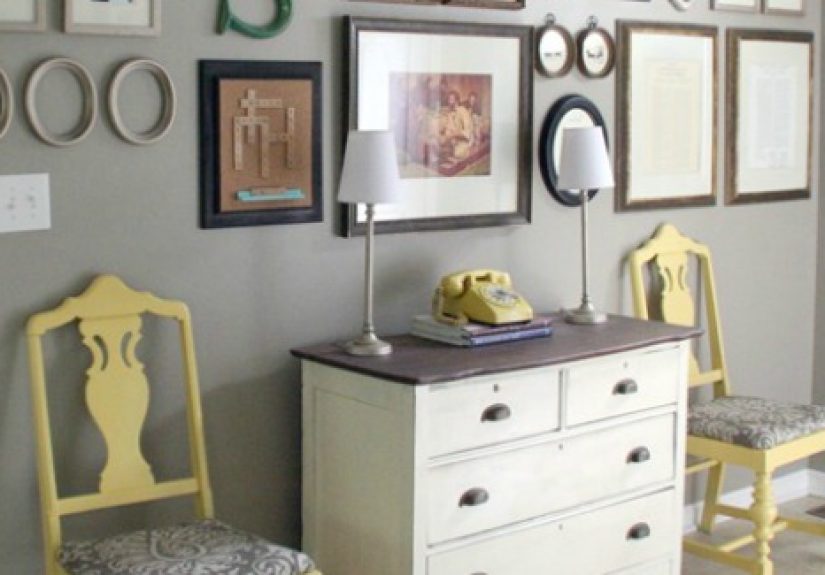
- console table or slim cabinet
- statement mirror
- catchall tray + small lamp (or upgraded overhead light)
- rug/runner to define the space
- one plant (real or convincingly fake)
Quick Maintenance: The 2-Minute Entryway Rule
Here’s the truth: the best entryway organization system is the one you can maintain when you’re tired. Adopt a simple rule: two minutes a day.
- Hang coats. Put shoes in their spot. Toss junk mail. Reset the catchall tray.
- Once a week, do a faster-than-a-TV-commercial sweep: rotate clutter out, wipe surfaces, shake the rug.
Your entryway becomes a calm welcome instead of a daily obstacle course. Your future self will be obsessed.
Conclusion: A Simple Entryway Is a Small Upgrade With Big Energy
The best budget entryway ideas aren’t about copying a showroom. They’re about building a tiny system that makes daily life smoother: a place to hang, drop, and store without stress. Start with hooks and a landing zone, add shoe storage that fits your space, then layer in a mirror, a rug, and a little personality. Keep it simple. Keep it functional. Keep it you.
Bonus: Real-World Experiences (500+ Words) From Budget Entryway Makeovers
Let’s talk about the part of entryways that design photos never show: the moment you come home with groceries, your phone at 2% battery, a jacket half-off, and exactly zero patience left for “aesthetic clutter.” In real homes, the entryway isn’t just a pretty zoneit’s the place where your day transitions from “out there” to “I live here.”
One of the most common budget entryway wins comes from realizing you don’t actually need more furnitureyou need fewer decisions. People tend to overthink the setup (“Should we do a bench or a table or a hall tree or built-ins?”) when the real issue is that everyone walks in and drops things wherever gravity feels strongest. The first time you add a row of hooks and assign themthis one is yours, that one is mineyou can practically hear the clutter sigh and move out.
Another very real lesson: shoe storage has to match your personality. If you’re the type who neatly lines up shoes like you’re running a boutique, a slim cabinet or rack will feel satisfying. If you’re more “kick ‘em off and keep walking,” you’ll do better with a boot tray or basket that doesn’t demand perfection. A lot of people fail at entryway organization because the system requires them to become a different person. (A noble goal, but also… no.) The best setup is the one you’ll use when you’re tired.
Mirrors deserve a special shout-out because they solve two problems at once: they brighten a small entryway and they reduce the “panic spin” before leaving the house. You know the onehalf your body is outside the door, and you suddenly wonder if you look normal today. A mirror by the entry doesn’t just add style; it adds confidence, and confidence is basically free décor.
Budget makeovers also shine when you embrace the “thrift + refresh” approach. A secondhand mirror with a scuffed frame? Sand it lightly, paint it, and suddenly it’s “vintage charm.” A small side table that doesn’t match anything? Put a tray on top, call it a landing zone, and watch it become the most-used surface in the house. The point isn’t matching a catalog; it’s creating a home that works for your routines.
If you live with other humans, the biggest entryway breakthrough is usually the kid-height hook (or the roommate-height hook, depending on the species you live with). The moment backpacks and keys have a place that’s easy to reach, you cut down on daily “Where is it?!” drama. Add a basket for each person’s small stuff (gloves, sunglasses, the mysterious items that appear in pockets), and you’ve created a system that prevents micro-messes from turning into mega-messes.
Finally, the most underrated experience-based tip: don’t aim for “always perfect.” Aim for “easy to reset.” A simple entryway isn’t one that never gets messyit’s one that bounces back quickly. When your setup is hooks + tray + shoe solution, you can reset it in under two minutes. That’s the magic. Not perfection. Recovery.