Table of Contents >> Show >> Hide
- Why This Text Message Mattered So Much
- The Hidden Danger: When a Prescription Never Becomes Treatment
- How Text Messaging Fits Into Modern Healthcare
- The Real Hero Was Communication, Not the Phone
- Specific Examples of Texts That Can Prevent Emergencies
- What Patients Can Learn From This Story
- What Doctors and Hospitals Can Learn
- The Equity Question: Who Gets Helped by Healthcare Texting?
- When a Text Is Not Enough
- Extra Experiences: Everyday Lessons From Life-Saving Texts
- Conclusion
A text message is usually not very dramatic. It is the home of “Running late,” “Need milk?” and the legendary “K” that can end friendships faster than a canceled brunch reservation. But in modern healthcare, a simple text message can sometimes do something extraordinary: close a dangerous gap before it turns into a medical emergency.
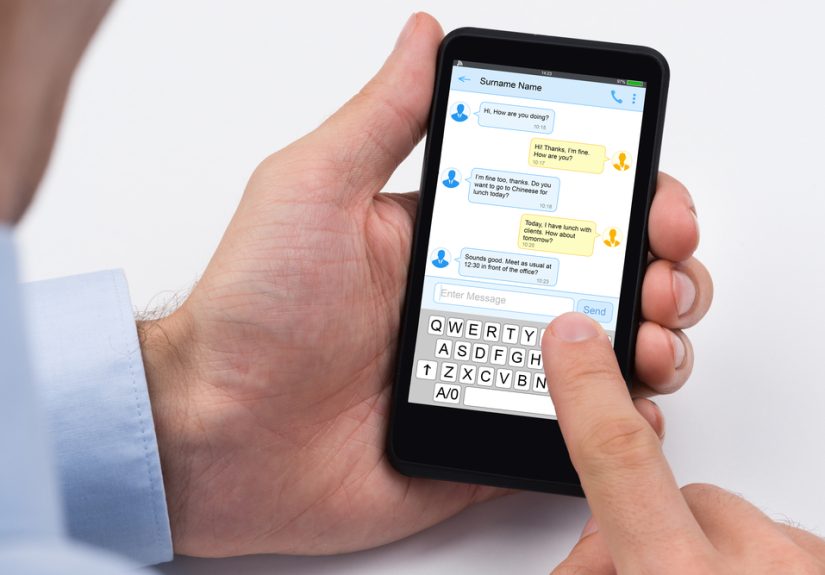
The story behind how a text message saved this patient’s life is not about a superhero app with flashing lights or a billion-dollar robot doctor. It is about something much more ordinaryand much more powerful. A patient was preparing to leave the hospital. Prescriptions had been sent to a pharmacy. Within moments, his phone buzzed with messages saying that two medications were not covered by insurance. Because the patient showed the texts to his doctor before discharge, the care team had time to call the pharmacy, clarify the problem, and find a safe, affordable solution.
That may sound small. It was not. In healthcare, small barriers have a mischievous habit of wearing fake mustaches and pretending to be minor inconveniences. A prescription not picked up, a symptom ignored, a follow-up missed, or a confusing instruction misunderstood can quickly snowball into a preventable crisis. In this case, a few lines of text helped the patient, doctor, and pharmacist solve the problem before the patient walked out the door and into the great American obstacle course known as “trying to use your insurance card at the pharmacy.”
Why This Text Message Mattered So Much
The life-saving value of the text was not the technology itself. Phones do not heal blood clots, adjust medications, or explain copays with the patience of a saint. The real value was timing. The text arrived while the patient was still in the hospital, while the doctor could still act, and before the patient had to choose between going home, paying out of pocket, or quietly skipping medication.
That timing matters because hospital discharge is one of the riskiest moments in patient care. A person may be tired, scared, overloaded with instructions, and eager to sleep in a bed that does not beep every six seconds. Meanwhile, the healthcare team may be juggling prescriptions, follow-up appointments, insurance rules, transportation needs, and the patient’s real-life responsibilities outside the hospital.
In the original patient story, the doctor had previously treated another patient who had blood clots in his legs and was prescribed an anticoagulant, also known as a blood thinner. The patient did not pick up the medication because his insurance did not cover it. Days later, he returned to the hospital with severe breathing problems after clots traveled to his lungs. That condition, called a pulmonary embolism, can be life-threatening and requires urgent treatment.
That earlier case haunted the doctor for good reason. A prescription may look complete in the electronic medical record, but it is not truly complete until the patient can actually obtain and take the medicine. The second patient’s pharmacy text revealed the coverage problem early enough to prevent a repeat disaster. The phone buzz was not just a notification. It was a warning flare.
The Hidden Danger: When a Prescription Never Becomes Treatment
Doctors prescribe. Pharmacies process. Insurance companies approve, deny, delay, or ask everyone to perform paperwork gymnastics. Patients stand in the middle, often with limited time, limited money, and limited energy. That is where medication access can quietly fall apart.
A patient may leave the hospital believing everything is handled. The doctor may believe the patient has the medicine. The pharmacy may know there is a coverage issue. The insurance plan may require a prior authorization or a different drug. Unless that information travels quickly to the right person, everyone can technically do their job while the patient still goes untreated. Healthcare loves a good maze, apparently.
For chronic diseases and serious conditions, medication adherence is not a small detail. It can affect blood pressure control, diabetes management, heart disease outcomes, asthma stability, HIV treatment, and recovery after a hospital stay. Text messaging interventions have been recommended by public health experts because reminders, education, and two-way communication can help patients take medications as prescribed and stay connected to care.
What Happens When Blood Clots Are Not Treated?
Blood clots in the deep veins, often called deep vein thrombosis or DVT, can cause pain, swelling, warmth, and redness in the affected limb. The major fear is that a clot may break loose and travel to the lungs, causing a pulmonary embolism. Symptoms can include sudden shortness of breath, chest pain that worsens with deep breathing or coughing, a fast or irregular heartbeat, coughing blood, dizziness, fainting, or dangerously low blood pressure.
That is not the kind of situation where anyone should “wait and see,” unless the plan is to see the inside of an emergency department. Prompt treatment helps prevent the clot from growing and reduces the risk of new clots forming. For many patients, anticoagulant medication is essential. When cost or coverage prevents access, the medical risk does not politely pause while the billing department figures things out.
How Text Messaging Fits Into Modern Healthcare
Text messaging in healthcare works best when it does one of three things: delivers timely information, prompts a needed action, or alerts a care team to a problem. It does not replace doctors, nurses, pharmacists, or emergency care. It gives those humans a faster way to notice what needs attention.
Healthcare texting can include appointment reminders, pharmacy alerts, medication reminders, home blood pressure prompts, diabetes check-ins, COVID-19 symptom monitoring, post-discharge follow-up, mental health crisis support, and secure patient portal messages. Some systems are automated, while others allow two-way communication with a nurse, pharmacist, or physician.
Telehealth and remote patient monitoring have also made text-based communication more important. Patients can now send symptom updates, report vital signs, upload readings, ask follow-up questions, and receive care instructions without always traveling to a clinic. This is especially useful for people who live far from medical centers, have mobility challenges, lack transportation, or need close monitoring after leaving the hospital.
Why Texts Work Better Than Fancy Portals Sometimes
Patient portals are useful, secure, and packed with features. They can show test results, appointment schedules, visit summaries, medication lists, and messages from the care team. But portals require logins, passwords, internet access, and the emotional resilience to remember whether the password included an exclamation point or your childhood dog’s birthday.
Text messages are simpler. They reach people where they already are: on their phones, between work shifts, while waiting for a bus, in a grocery store aisle, or sitting on the edge of a hospital bed in a winter coat trying to beat a snowstorm. With most U.S. adults owning cellphones and smartphones, texting has become one of the most direct ways to reach patients quickly.
That does not mean texting is perfect. Not everyone has reliable phone service. Some people change numbers often. Some share phones. Some have limited data plans, low digital literacy, disabilities, language barriers, or privacy concerns. A smart healthcare texting system must be designed with these realities in mind, not with the assumption that every patient lives inside a perfectly charged iPhone commercial.
The Real Hero Was Communication, Not the Phone
It is tempting to say the text message saved the patient’s life. In a way, it did. But the deeper truth is that communication saved him. The text gave the patient information. The patient shared it. The doctor listened. The pharmacist clarified the issue. Together, they solved a problem while it was still small.
That chain is important. A text alert sitting unread on a phone does not save anyone. A patient who feels embarrassed about money may not speak up. A rushed doctor may not ask whether prescriptions are affordable. A pharmacist may not have a direct line to the care team. The message becomes powerful only when the system around it is ready to respond.
This is why good healthcare technology should not simply dump more alerts into everyone’s day. Clinicians already receive enough alerts to make a cockpit look peaceful. The goal is not more noise. The goal is the right message, at the right time, to the right person, with a clear next step.
Specific Examples of Texts That Can Prevent Emergencies
A pharmacy text can tell a patient that a prescription is delayed, denied, ready, or needs clarification. If the patient is still near the care team, that message can trigger an immediate fix.
A medication reminder can help someone with high blood pressure, diabetes, asthma, HIV, or heart disease take medicine consistently. For long-term conditions, “I forgot” is not a character flaw. It is a very human event, especially when life includes work, family, bills, stress, and a refrigerator that keeps making suspicious noises.
A post-discharge check-in can ask whether a patient has worsening symptoms, fever, shortness of breath, pain, dizziness, or confusion. A concerning answer can route the patient to a nurse or urgent care instructions.
A remote monitoring text can prompt a patient to send blood pressure, blood sugar, weight, oxygen level, or symptom information. For certain patients with heart failure, hypertension, diabetes, or respiratory illness, those updates can help clinicians spot trouble earlier.
A mental health crisis text line can connect someone in distress with trained support. While it is not a substitute for emergency services when someone is in immediate danger, text-based crisis support can be easier for people who feel unable to speak out loud.
What Patients Can Learn From This Story
The biggest lesson is simple: tell your care team when a medication, appointment, instruction, or cost does not work in real life. Doctors cannot fix what they do not know. Nurses cannot troubleshoot a prescription that disappeared into the insurance swamp. Pharmacists cannot always guess whether a patient skipped a medication because it was too expensive, confusing, or unavailable.
If you receive a pharmacy text saying a medication is delayed, not covered, out of stock, or expensive, do not ignore it. Call the pharmacy, contact your doctor’s office, or use your patient portal. Ask whether there is a covered alternative, generic option, prior authorization, coupon program, pharmacy discount, or over-the-counter substitute when appropriate.
Also, never stop or skip critical medications without asking a healthcare professional. This is especially important for blood thinners, heart medications, insulin, seizure medications, antibiotics, transplant medications, and mental health prescriptions. Some medicines are not “take it or leave it” items. They are more like seat belts: you hope they never have to prove their value, but when they do, you really want them there.
What Doctors and Hospitals Can Learn
Healthcare teams should treat medication access as part of discharge planning, not as an afterthought. Asking “Do you understand your medications?” is helpful, but it is not enough. Better questions include: Can you afford them? Does your pharmacy have them? Do you know when to take them? Do you know what to do if insurance does not cover them? Do you have a phone number to call if something goes wrong?
Hospitals can reduce preventable readmissions by building workflows that catch prescription problems before patients leave. That may include bedside medication delivery, pharmacist counseling, insurance checks, electronic prior authorization tools, follow-up calls, text alerts, and care coordinators who help patients navigate the first few days after discharge.
Clinicians also need systems that respect the reality of patient life. A patient may be choosing between medication and groceries. A patient may not have transportation. A patient may not understand medical jargon. A patient may nod politely during discharge instructions because they want to be kind, then get home and realize the instructions read like a tax form wearing a lab coat.
The Equity Question: Who Gets Helped by Healthcare Texting?
Text messaging can improve access, but only if it is designed fairly. Mobile tools may help patients with limited transportation, rural patients, busy caregivers, hourly workers, and people who cannot easily attend frequent in-person visits. But texting can also leave people behind if messages are only in English, require smartphones, assume stable phone numbers, or use confusing medical language.
Good healthcare texting should be readable, culturally sensitive, accessible, private, and easy to act on. It should offer language options. It should explain whether a reply is monitored. It should tell patients when to call 911 instead of waiting for a text response. It should avoid sending sensitive details to shared phones without consent. Convenience should never come at the cost of privacy or safety.
When a Text Is Not Enough
Text messages can be helpful, but they are not emergency rooms. If someone has symptoms of a heart attack, stroke, pulmonary embolism, severe allergic reaction, overdose, suicidal crisis with immediate danger, uncontrolled bleeding, severe breathing trouble, or sudden confusion, they need urgent help. Calling 911 is the right move.
Patients should not wait for a portal response or text reply when symptoms are severe. A message that says “I have chest pain and cannot breathe” should not be treated like a customer service ticket. That is not a “we will respond in two business days” situation. That is a sirens-and-humans-now situation.
Extra Experiences: Everyday Lessons From Life-Saving Texts
One of the most relatable experiences in this story is the moment the patient actually showed the doctor the pharmacy messages. That detail matters. Many people receive confusing healthcare texts and assume they are just administrative noise. They may think, “I’ll deal with it later,” which is understandable because adults are constantly being asked to deal with things later until later becomes a junk drawer with legs. But in healthcare, later can be dangerous.
A practical experience patients can take from this story is to keep all medical-related texts until the issue is solved. Do not delete pharmacy alerts, appointment confirmations, insurance messages, or lab notifications too quickly. If a medication is denied or delayed, the exact wording may help the care team understand the problem. A screenshot can be surprisingly useful. It can show the drug name, pharmacy, timing, and reason for delay.
Another lesson is to speak up about cost without shame. Many patients feel embarrassed when they cannot afford a prescription. They may worry the doctor will judge them. In reality, healthcare professionals deal with medication cost barriers every day. A good clinician would rather know immediately than discover later that a patient skipped treatment. There may be alternatives: a generic medication, a different pharmacy, a covered drug in the same class, a manufacturer assistance program, or a short-term supply while paperwork is completed.
Caregivers can also use this story as a reminder to help loved ones organize medical messages. Older adults, people recovering from hospitalization, and patients taking multiple medications may feel overwhelmed by alerts from pharmacies, hospitals, labs, insurers, and appointment systems. A trusted family member can help sort urgent messages from routine ones, confirm follow-up appointments, and make sure medications are actually picked up.
For healthcare workers, the experience highlights the importance of asking patients to check their phones before discharge. A simple question“Did the pharmacy send you anything about these prescriptions?”could reveal a problem while there is still time to fix it. This is not glamorous medicine. No one is making a prestige TV drama called Prior Authorization: The Reckoning, although honestly, it would be terrifying. But these small checks can prevent suffering, readmissions, and avoidable emergencies.
The story also shows why technology should support relationships rather than replace them. The text message did not save the patient alone. It worked because a patient trusted the doctor enough to share it, and the doctor took it seriously. That is the sweet spot of digital health: fast information plus human judgment.
Finally, this experience offers a broader reminder for all of us. Healthcare is not only what happens in exam rooms. It happens at pharmacy counters, kitchen tables, bus stops, workplace break rooms, and on phone screens. A patient’s life can turn on whether a message is read, understood, and acted upon. Sometimes the difference between a smooth recovery and a medical crisis is not a miracle machine. Sometimes it is a buzz in a pocket, a patient who speaks up, and a care team that listens.
Conclusion
The story of how a text message saved this patient’s life is really a story about closing the gap between medical plans and real life. A doctor can write the perfect prescription, but if the patient cannot get it, the plan fails. A hospital can deliver excellent care, but if discharge instructions collapse at the pharmacy counter, the patient may return sicker than before.
Text messaging is not magic. It will not repair every broken part of healthcare. But when used thoughtfully, it can make care faster, clearer, and more responsive. It can alert patients to medication problems, remind them to follow treatment plans, connect them with care teams, and help clinicians intervene before a small barrier becomes a life-threatening emergency.
In a world full of complicated medical technology, this story proves something refreshingly simple: sometimes, the most powerful healthcare tool is the one already buzzing in your pocket.
Note: This article is for general educational purposes only. For urgent symptoms such as chest pain, severe shortness of breath, stroke signs, fainting, or sudden confusion, call 911 or seek emergency medical care immediately.