Table of Contents >> Show >> Hide
- What “EMV” Means (And Why It Took Over Your Wallet)
- What’s Inside the Chip (Spoiler: Not a GPS Tracker)
- How an EMV Chip Transaction Works (Step by Step)
- Step 1: The terminal and the card “introduce themselves”
- Step 2: The card proves it’s not a counterfeit
- Step 3: Cardholder verification happens (PIN, signature, or “device verification”)
- Step 4: The chip generates a unique transaction code (the cryptogram)
- Step 5: The issuer (your bank) approvesor declines
- Step 6: You remove the card and pretend you weren’t holding up the line
- Why EMV Is More Secure Than Magnetic Stripe Cards
- What EMV Does Not Protect You From (Because Fraud Is a Shape-Shifter)
- Chip-and-PIN vs. Chip-and-Signature vs. “No Signature”
- Contactless “Tap to Pay”: EMV’s Fast Cousin
- Why the U.S. EMV Rollout Felt… Messy
- Practical Security Tips for Everyday EMV Use
- Quick FAQ: EMV Chip Cards in Real Life
- Real-World Experiences: What Using EMV Feels Like (And What It Teaches You)
- Conclusion
If you’ve ever “dipped” your credit card (inserted it into a reader and waited) and thought,
Wow, this is slower than swipingwhat gives? congratulations: you’ve met EMV.
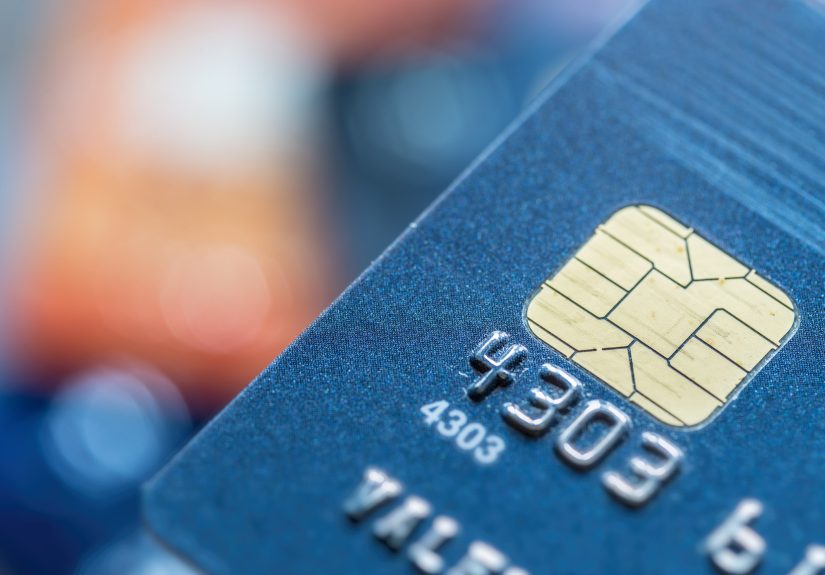
That little metallic square isn’t decoration. It’s a tiny computer designed to make it much harder for criminals
to create counterfeit cards and go on a shopping spree with your account.
EMV chip cards are one of those upgrades that feels boring until you realize it’s quietly doing a lot of security work
behind the scenes. In this guide, we’ll break down how EMV works, why it’s safer than the magnetic stripe,
what it can’t do (because no, it doesn’t magically stop every kind of fraud), and how contactless “tap to pay”
fits into the whole picture.
What “EMV” Means (And Why It Took Over Your Wallet)
EMV originally comes from the names Europay, MasterCard, and Visathe companies that helped develop
global chip-card standards. Today, EMV is essentially the rulebook for how chip-based card payments work at
stores, restaurants, and ATMs.
Before chips, most cards relied heavily on the magnetic stripethat black strip on the back that stores
payment data in a relatively static (and easier-to-copy) way. If criminals stole that data (often through skimmers
or breaches), they could clone it onto another card and “swipe” like nothing happened. EMV’s mission is to make
that kind of counterfeit fraud dramatically harder.
What’s Inside the Chip (Spoiler: Not a GPS Tracker)
An EMV chip is a microprocessorbasically a tiny computerembedded in your card. It can securely store
secret cryptographic keys and run security checks during a transaction. The chip is designed to prove two things:
- The card is genuine (not a cheap clone made from stolen stripe data).
- The transaction is unique (so captured data is much harder to reuse).
The key idea is dynamic authentication. Unlike the magnetic stripe (static data), the chip can generate
a one-time, transaction-specific valueoften called a cryptogram. Think of it as a “single-use security signature”
that helps the bank verify the payment request is legitimate.
How an EMV Chip Transaction Works (Step by Step)
Let’s walk through what happens when you insert your card into a chip reader at checkout.
It looks simple on the outsideinsert, wait, removebut behind the scenes it’s more like a short conversation
between your card, the terminal, and your bank.
Step 1: The terminal and the card “introduce themselves”
When you insert the card, the terminal reads chip data that identifies the card application(s) and supported payment features.
The terminal and card agree on how the transaction should be handled (for example, whether it can do offline checks
or must go online to the issuer).
Step 2: The card proves it’s not a counterfeit
The terminal and chip perform authentication checks. Depending on the configuration and network rules, this can include
cryptographic methods that help detect tampering or cloning attempts. The core benefit: copying a magnetic stripe is one thing;
successfully copying a chip’s secure cryptographic behavior is a whole different level of difficult.
Step 3: Cardholder verification happens (PIN, signature, or “device verification”)
EMV supports different ways to verify the person using the cardknown as Cardholder Verification Methods (CVM).
In the U.S., you’ve probably seen chip-and-signature a lot (and increasingly “no signature” for many everyday purchases).
Other countries more commonly use chip-and-PIN.
For contactless mobile payments, verification might happen on your phone with biometrics or a passcodeoften called
Consumer Device Cardholder Verification Method (CDCVM). Translation: your face or fingerprint becomes the “PIN,”
and the terminal relies on your device to confirm it’s you.
Step 4: The chip generates a unique transaction code (the cryptogram)
Here’s the magic: the chip creates a one-time cryptogram based on transaction details (like amount and terminal data),
plus secret keys stored securely on the chip. This cryptogram is different for every purchase.
Step 5: The issuer (your bank) approvesor declines
The terminal sends the transaction request (including the cryptogram) through the payment network to your card issuer.
The issuer checks the cryptogram and other risk signals, then sends back an approval or decline.
Step 6: You remove the card and pretend you weren’t holding up the line
Once approved, the terminal tells you to remove your card. And yessometimes it feels like the terminal is judging you.
It’s not. It’s just doing cryptography. (Probably.)
Why EMV Is More Secure Than Magnetic Stripe Cards
EMV’s biggest win is reducing counterfeit card-present fraudfraud that happens when someone tries to use a fake
physical card in a store. Because EMV transactions use dynamic data and chip authentication, stolen “swipe data” is far less useful
for creating a working counterfeit chip card.
In plain terms: if a thief steals your magnetic stripe data, they can often make another card that swipes like yours.
If they steal chip-transaction data, it’s much harder to replay it successfully because the chip generates transaction-specific values.
EMV also changed who pays when fraud happens
In the United States, the major networks introduced an EMV liability shift starting in October 2015. It wasn’t a law,
but it changed the incentives: if a merchant didn’t have EMV-capable equipment and fraud occurred with a counterfeit card,
the party with the “less secure” technology could end up holding the bag.
This helped accelerate chip terminal adoption. It also explains why so many registers started saying,
“Please insert card” with the confidence of someone who has never had to work customer service on a holiday weekend.
What EMV Does Not Protect You From (Because Fraud Is a Shape-Shifter)
EMV is excellent at reducing certain types of fraud, but it’s not a force field. Here are the common gaps:
1) Card-not-present (CNP) fraud
Online shopping, phone orders, and many in-app purchases are card-not-present. The chip isn’t physically used,
so EMV chip security doesn’t automatically apply. That’s why many markets saw fraud pressure shift toward online transactions as
chip adoption reduced in-store counterfeit fraud.
To help with this, the industry uses tools like EMV 3-D Secure (EMV 3DS) for stronger authentication in e-commerce,
plus fraud monitoring, risk scoring, and merchant security controls.
2) Data breaches (EMV reduces usefulness, not the breach itself)
EMV doesn’t prevent a retailer from being hacked. What it can do is make certain stolen data less valuable for creating
counterfeit cards used in-person. But criminals can still try to monetize stolen card numbers online or via other channels.
3) Lost or stolen cards (sometimes)
If someone steals your physical card and uses it before you notice, the chip won’t necessarily stop themespecially if the transaction
doesn’t require PIN or other verification. That’s why it’s still important to monitor accounts and report suspicious activity quickly.
4) “Fallback” swipes and weak acceptance points
Many chip cards still have magnetic stripes for compatibility. If a terminal is chip-capable but not functioning (or if someone forces a swipe),
that “fallback” path can be less secure. Over time, more merchants and networks have tightened rules to reduce risky fallbacks.
Chip-and-PIN vs. Chip-and-Signature vs. “No Signature”
One confusing part of EMV is that the chip is the technology, but the verification method can vary.
Here’s the quick map:
- Chip-and-PIN: Common in many countries. The card plus a PIN helps confirm the user.
- Chip-and-signature: Historically common in the U.S. (though signatures have become less emphasized over time).
- No signature / low-value frictionless: Increasingly common for routine purchases when risk is low.
Important nuance: chip-and-PIN can reduce certain kinds of fraud (especially lost/stolen use), but the biggest EMV advantage
still comes from the chip’s ability to fight counterfeit card cloning at the point of sale.
Contactless “Tap to Pay”: EMV’s Fast Cousin
If dipping is the slow, thoughtful cousin who reads the instruction manual, contactless is the cousin who shows up,
taps the terminal, and leaves with your coffee before you remember your rewards number.
Modern tap-to-pay cards and mobile wallets generally use EMV contactless standards and can also generate
transaction-specific security values. Mobile wallets often add tokenization, replacing your actual card number
(the PAN) with a token designed for that device and payment context.
What tokenization changes
With tokenization, the merchant may receive a token instead of your real card number, reducing the value of stolen data from certain compromises.
Tokenization can also be paired with device-based verification (like Face ID), which adds another layer of protection.
Why the U.S. EMV Rollout Felt… Messy
The U.S. has a huge payments ecosystem with millions of merchant locations, multiple routing networks (especially for debit),
and a long history of magnetic stripe acceptance. That combination made the migration complex.
Add real-world chaosgas pumps with older hardware, restaurants that still walk away with your card, terminals that insist
you remove your card exactly when you’re distractedand it’s easy to see why adoption took time.
Still, the shift to EMV has become a major backbone of card-present security in the U.S.
Practical Security Tips for Everyday EMV Use
Use the chip (or tap) when available
If a terminal supports chip or contactless, use it. Swiping is typically the least secure path.
Turn on account alerts
Most issuers let you set alerts for purchases over a certain amount, card-not-present transactions, or international charges.
Alerts don’t prevent fraudbut they can help you catch it faster.
Watch out for “weird” terminals
If a terminal looks damaged, tampered with, or unusually bulky around the card slot, consider using contactless or another payment method.
You don’t need to become a part-time detectivejust trust your “this feels off” instincts.
Know your consumer protections
In the U.S., credit cards typically have strong protections against unauthorized charges if you report them promptly.
Debit cards can have different timelines and rules, so it’s smart to review your bank’s policies and report issues quickly.
Quick FAQ: EMV Chip Cards in Real Life
Why do I still have a magnetic stripe if chips are better?
Compatibility. The stripe helps your card work with older terminals. The long-term trend is toward chip and contactless acceptance,
but the U.S. has had a long transition period.
Can someone steal my information if I tap to pay?
Tap-to-pay is designed to be secure and typically uses transaction-specific security values. Mobile wallets often add tokenization
and device authentication, which can reduce exposure even further.
Does EMV stop all fraud?
No. EMV helps most with counterfeit card-present fraud. Online fraud and account takeover are different battles with different tools.
Why does the chip reader sometimes make me wait?
Because the chip is doing extra security steps and the terminal is communicating with the issuer. Some terminals are faster than others,
but EMV can involve more back-and-forth than a magnetic stripe swipe.
Real-World Experiences: What Using EMV Feels Like (And What It Teaches You)
Let’s get practical. If EMV were only a technical standard, we’d all stop reading and go reorganize our sock drawers.
But EMV is one of those technologies you experience in tiny momentsat checkout lines, gas stations, airports, and
that one coffee shop where the reader “needs a reboot” every time you’re late.
The “dip-and-wait” learning curve
Most people’s first EMV experience was confusion. Swiping used to be muscle memory: swipe, sign, done.
With EMV, you insert the card and wait. The terminal might ask you to leave it in place, confirm the amount,
or remove it only when prompted. The lesson? The chip is doing more behind the scenes, and the terminal needs
the card to stay connected long enough to complete the cryptographic steps.
When you travel, EMV suddenly makes sense
Travelers noticed EMV early because many countries adopted chip-and-PIN well before the U.S. If you ever tried to pay abroad
and got the “swipe” stare from a cashier who hasn’t seen a swipe terminal since 2009, you learned quickly:
EMV is the global standard, and chip cards make it easier to pay internationally where magnetic stripe-only cards can fail.
Restaurants: the “please don’t take my card on a walk” era
In parts of the U.S., it’s still common for servers to take your card to a register. EMV didn’t create that habit,
but it did highlight a better alternative: bringing a portable terminal to the table.
Many restaurants now use table-side terminals or handheld readers, which can reduce the chance of card details being copied
and make payments faster (especially with tap-to-pay).
Gas stations and the great delay
Fuel pumps were famously slow to upgrade, and they became a “real life” case study in how big infrastructure changes take time.
You might have seen different prompts at different stationssome requiring chip insertion, others still swiping, and some allowing tap.
This experience teaches a practical security habit: if you have a choice, prefer chip or contactless over swipeespecially in places
historically targeted for skimming.
Contactless moments: the “wait, that’s it?” feeling
Tap-to-pay is the opposite of dip-and-wait. You tap, the terminal beeps, and it’s over before you can even make a joke about “the future.”
For many people, that first quick tap creates a new expectation: payments should be fast and secure.
The experience is also a subtle reminder that security can be layeredtap-to-pay on a phone often includes device authentication
and tokenization, so you’re not always handing over the same card number to every checkout.
The “fraud didn’t disappearit moved” reality check
People also experienced the shift in fraud patterns. As chip reduced counterfeit in-store fraud, consumers heard more about online scams,
phishing, and card-not-present fraud. The takeaway: chip technology is strong, but it’s only one piece of a bigger security puzzle.
In everyday life, that means using issuer alerts, monitoring statements, and being cautious with suspicious emails or texts that pretend
to be your bank. EMV protects you when your card is physically usedbut you still want smart habits for everything that happens online.
In the end, the most “real” EMV experience is this: payments became a little more deliberate, a lot more secure for in-person transactions,
and increasingly faster again as contactless grew. The tech may be hidden, but the results show up in fewer counterfeit card problems,
better global compatibility, and a checkout process thaton good daysfeels smoother than ever.
Conclusion
EMV chip cards work by turning your card into a tiny security computer that helps authenticate transactions using dynamic,
one-time cryptographic values. That makes it far tougher to create counterfeit cards compared with magnetic stripe technology.
The U.S. rollout was driven partly by the EMV liability shift and is now complemented by contactless payments and tokenization.
Just remember the fine print of reality: EMV is strongest for in-person transactions. Online fraud is a different battlefield,
handled with tools like EMV 3DS, tokenization, and strong account security habits. Use chip or tap when available, keep alerts on,
and you’ll be getting the benefits of EMV without needing to become your neighborhood payment-security historian.