Table of Contents >> Show >> Hide
- Why I Started Eating Meat Again (No Villains, No Haloes)
- What Changed First: Satiety, Cravings, and “Snack Gravity”
- Energy Levels: The “Tired But Wired” Feeling Eased Up
- My Labs: What Actually Moved (and What Didn’t)
- Digestion: Yes, My Stomach Had an Opinion
- Muscle Recovery and Workouts: I Didn’t Become a Superhero, But I Recovered Better
- The Cholesterol Question: Here’s Where I Had to Get More Strategic
- What I Ate When I Started Eating Meat Again (Realistic, Not Influencer-Perfect)
- Food Safety: The Unsexy Habit That Protects Your Health
- Who Should Be Extra Cautious About Eating Meat Again?
- What I Learned (So You Don’t Have to Guess Like I Did)
- My 30-Day Meat-Again Diary (An Extra of Real-World Experience)
I didn’t sprint into a steakhouse chanting, “Bring me the ribeye!” (Though honestly, that would’ve been iconic.) My return to meat was quieter: a spoonful of chicken soup at a friend’s house, a bite of salmon at a family dinner, theneventuallyme cooking a small portion at home like it was a science experiment and I was the nervous lab tech.
If you’re reading this because you’re thinking about eating meat again after being vegetarian or vegan, here’s the headline: my health didn’t “magically transform” overnight. But some things did shiftenergy, satiety, workout recovery, and a few lab markerswhile other things required more nuance (hello, cholesterol and digestion). This is my personal experience, paired with real nutrition science, so you can separate “interesting” from “internet hype.”
Why I Started Eating Meat Again (No Villains, No Haloes)
My original plant-based phase was well-intentioned: I felt lighter, I cooked more, and I could pronounce quinoa without sounding like I was sneezing. But over time, a few issues kept popping upfatigue that didn’t match my sleep, workouts that felt harder than they used to, and a “why am I hungry again?” feeling an hour after meals that should’ve kept me full.
To be clear: vegetarian and vegan diets can absolutely be healthy when they’re well planned. The problem wasn’t plants. The problem was my executionnot enough protein at breakfast, inconsistent iron strategy, and a little too much reliance on “I’m sure this has B12 in it because it feels responsible.”
So I decided to reintroduce meat slowly, in a way that felt realistic and not like a dramatic plot twist written for clicks. I also wanted to keep what I loved about plant-forward eating: lots of produce, fiber, legumes, whole grains, and “my plate looks like a farmers market” energy.
What Changed First: Satiety, Cravings, and “Snack Gravity”
The earliest change I noticed wasn’t on a scale or in a lab reportit was in my brain at 3 p.m. When I added a modest serving of animal protein (like eggs, poultry, or fish) to meals that used to be mostly plants, I stayed full longer. I wasn’t prowling my kitchen like a raccoon with a calendar invite.
Why that might happen
Protein is consistently linked with satiety (feeling full) because it affects hunger hormones and slows digestion compared to refined carbs alone. The basic protein recommendation for a sedentary adult is often cited at about 0.8 grams per kilogram of body weight per daythough needs vary by age, activity level, and goals. The point isn’t to turn meals into a protein math test; it’s that many people unintentionally under-eat protein, especially at breakfast.
Once my meals had a steadier protein “anchor,” my cravings felt less chaotic. That didn’t mean I stopped wanting cookies (I’m still human), but the cravings were more like a suggestion than a hostage situation.
Energy Levels: The “Tired But Wired” Feeling Eased Up
After a couple of weeks, my daily energy felt smoother. I wasn’t bouncing between “productive” and “why is my body made of wet laundry?” I also felt less mentally foggy in the late afternoon.
Possible nutrition explanations (without pretending it’s one magic nutrient)
- Vitamin B12: B12 is naturally found in animal foods (fish, meat, poultry, eggs, dairy) and is not naturally present in plant foods unless fortified. If someone’s plant-based diet is low in fortified foods or supplements, fatigue and neurologic symptoms can become an issue over time.
- Iron (especially heme iron): Meat and seafood provide heme iron, which the body generally absorbs more efficiently than non-heme iron from plants. Iron status is personal (and testable), but low iron can contribute to fatigue and reduced exercise tolerance.
- Total protein intake: Adequate protein supports muscle repair and can stabilize appetite, which indirectly supports energy and mood.
Important note: fatigue has many causessleep, stress, thyroid issues, mental health, calorie intake, medications, you name it. Food is powerful, but it isn’t a diagnostic tool. If fatigue is persistent, testing (and a clinician) beats guesswork.
My Labs: What Actually Moved (and What Didn’t)
Because “I feel better” is nice but vague, I asked my clinician to check a few basics. I’m not sharing this as a promise that meat will fix anything for youjust as an example of what someone might track when they change dietary patterns.
The big two I cared about
Iron status: Iron is tricky because it’s not just one number. Depending on your situation, a clinician might look at hemoglobin, ferritin, transferrin saturation, and more. For me, the story was consistent with “you probably need a better iron plan.” Adding meat wasn’t the only changeI also improved iron pairings (like vitamin C-rich foods) and became more intentional about consistency.
B12 status: If you’ve been plant-based for a long time and haven’t been supplementing or using fortified foods, it’s worth asking about. B12 matters for red blood cells and nervous system function, and deficiency can sneak up slowly.
What didn’t change dramatically? My weight. Reintroducing meat didn’t automatically make me gain or lose. It mostly changed how satisfied I felt and how steady my energy was. Body weight is influenced by total intake, food quality, sleep, stress, movement, and geneticsnot one ingredient coming back from retirement.
Digestion: Yes, My Stomach Had an Opinion
Nobody talks about the unglamorous part: reintroducing meat can feel a little weird at first. My digestion went through a short adjustment periodnothing dramatic, but noticeable. Some meals felt heavier. Once I kept portions modest and paired meat with high-fiber sides (vegetables, beans, whole grains), things normalized.
What helped (practically)
- Start small: Think 2–3 ounces, not a celebratory platter.
- Choose easier options first: Fish, eggs, poultry, and soups were gentler for me than fatty red meat.
- Pair with fiber: Plants keep digestion moving and help with heart health.
- Hydrate: Protein without fluids can make digestion feel sluggish.
If you have IBS, reflux, gallbladder issues, or a history of disordered eating, it’s especially smart to bring a clinician or dietitian into the conversation. “Listen to your body” is good advice, but “interpret your body with support” is better.
Muscle Recovery and Workouts: I Didn’t Become a Superhero, But I Recovered Better
A few weeks in, my workouts felt less punishing. My strength sessions stopped feeling like I needed a three-day nap afterward. That’s consistent with the idea that protein supports muscle repair, and that many people do better when protein is distributed across meals rather than crammed into dinner alone.
My “not fancy” protein rule
I stopped trying to win breakfast with vibes alone. I aimed for a protein-containing breakfast most days: eggs with veggies, Greek yogurt, tofu scramble (yes, still), or oatmeal with higher-protein add-ins. When I added meat back, it was a toolnot a personality.
The Cholesterol Question: Here’s Where I Had to Get More Strategic
If you reintroduce meat by leaning heavily on processed meats or fatty cuts, your heart may file a formal complaint. Saturated fat is found in many animal-based foods, and major guidelines commonly recommend keeping saturated fat under 10% of total daily calories. Heart organizations also emphasize that replacing saturated fat with unsaturated fats (think olive oil, nuts, seeds, and fatty fish) supports cardiovascular health.
What I changed to keep things heart-friendly
- Lean cuts most of the time: Chicken, turkey, fish, and lean beef/pork when I chose red meat.
- More fish, less processed meat: Fish gave me protein plus omega-3s (EPA/DHA) without the same saturated fat load.
- Plants stayed the majority: Vegetables, beans, whole grains, fruit, nutsstill the foundation.
- Processed meats became “sometimes”: Not daily, not the default.
And yesthere’s also credible concern around processed meats and colorectal cancer risk, with many cancer organizations advising people to limit processed meats and moderate red meat intake. That doesn’t mean panic; it means “choose your defaults wisely.”
What I Ate When I Started Eating Meat Again (Realistic, Not Influencer-Perfect)
Here are a few meals that made reintroduction feel normallike food, not a debate:
Breakfast ideas
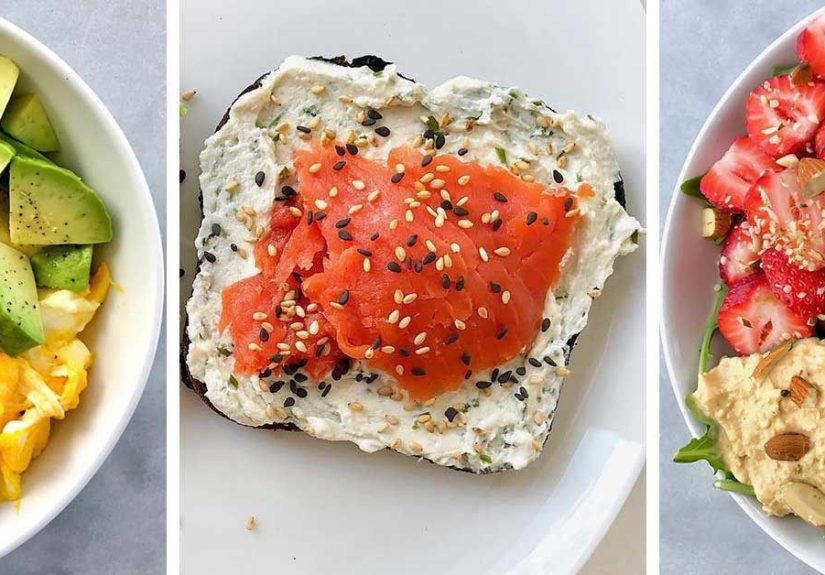
- Scrambled eggs with spinach, tomatoes, and whole-grain toast
- Greek yogurt bowl with berries, nuts, and a drizzle of honey
- Leftover salmon with rice and cucumber (breakfast is a social construct)
Lunch ideas
- Chicken and bean chili with peppers and onions
- Tuna salad (olive oil + lemon + herbs) over greens and chickpeas
- Turkey and avocado wrap with lots of crunchy veggies
Dinner ideas
- Salmon with roasted vegetables and quinoa
- Stir-fry with lean beef strips, broccoli, and brown rice
- Chicken soup loaded with carrots, celery, and beans
Notice the pattern: meat shows up, but it’s not the whole show. The fiber stays. The color stays. The plate doesn’t turn beige.
Food Safety: The Unsexy Habit That Protects Your Health
Reintroducing meat also meant relearning safe cooking practices. A food thermometer is not “extra”it’s how you avoid turning your weekend into a bathroom-based mini-series.
- Poultry: 165°F
- Ground meats: 160°F
- Steaks/chops/roasts (beef, pork, lamb): 145°F + a 3-minute rest
Who Should Be Extra Cautious About Eating Meat Again?
For many people, reintroducing meat in a balanced way is fine. But it’s worth extra care (and professional guidance) if you:
- Have high LDL cholesterol or heart disease risk factors
- Have gout, kidney disease, or a history of kidney stones
- Have hemochromatosis or iron overload concerns
- Are pregnant, immunocompromised, or at higher food-safety risk
- Have a history of disordered eating (diet changes can be emotionally loaded)
A registered dietitian can help you design a plan that fits your health goals, ethics, and budgetwithout turning meals into a daily moral exam.
What I Learned (So You Don’t Have to Guess Like I Did)
The biggest surprise was that “eating meat again” wasn’t the real story. The real story was: meeting nutrient needs consistently.
Meat made certain nutrients easier for meB12, heme iron, zinc, and high-quality proteinwhile plants kept my digestion, fiber intake, and overall diet quality strong. When I treated meat as one part of a plant-forward pattern (not the whole pattern), I got benefits without sliding into the processed-meat trap.
My 30-Day Meat-Again Diary (An Extra of Real-World Experience)
Days 1–3: I started with the “training wheels” of meat: broth-based chicken soup and a small serving of salmon. The psychological part was louder than the physical part. I felt weirdly dramatic about it, like I should’ve announced it with a press release. Physically, nothing exploded. Emotionally, I learned I could make a choice without making it my identity.
Days 4–7: I added eggs at breakfast a few days and a turkey sandwich at lunch. The most noticeable change was how calm my appetite felt afterward. I still ate snacks, but I wasn’t chasing satisfaction. Digestion-wise, I noticed heaviness when I tried a fattier meal, so I backed off and kept portions small. Lesson: “Start lean” isn’t just a nutrition guideline; it’s also a comfort guideline.
Week 2: I tried lean ground beef in a veggie-packed chili. This is when energy started feeling steadier. It wasn’t a superhero transformationmore like someone finally updated my phone’s operating system and apps stopped crashing. Workouts also felt less like punishment. I recovered faster, and soreness didn’t linger as long. I kept most dinners plant-heavy, using meat like a supporting actor, not the lead.
Week 3: I tested a “restaurant reality” week: one meal out, one processed-ish option (hello, deli meat), one red meat dinner. That’s when I remembered why moderation matters. The processed meal tasted amazing and then made me feel… not amazing. I also noticed I slept better on days when dinner wasn’t overly heavy or high in saturated fat. So I swapped the default: more fish and poultry, red meat occasionally, processed meat rarely.
Week 4: Everything felt normal, which is the highest compliment I can give a diet change. I wasn’t obsessing, I wasn’t “tracking,” and I wasn’t having philosophical debates in the grocery aisle. My routine became simple: protein at most meals, plants at every meal, and enough variety that I didn’t get bored. The biggest win was confidenceknowing I could choose what works for my body without needing to join a dietary fandom. If you’re considering reintroducing meat, my biggest tip is boring but effective: go slow, stay balanced, and pay attention to how you feel and what your labs show.