Table of Contents >> Show >> Hide
- Meet Your “Cactus” (Plot Twist: It’s Not a Desert Cactus)
- Christmas Cactus Care Basics (The Stuff That Prevents Drama)
- Light: Bright, Indirect, and Consistent
- Temperature: Comfortable for You, Slightly Cool for Buds
- Humidity: More “Spa Day,” Less “Desert Wind”
- Soil: Airy, Fast-Draining, Not Heavy and Soggy
- Pot Choice: Drainage Holes Are Non-Negotiable
- Watering: Moist, Not WetAnd Never Bone-Dry for Long
- Fertilizer: Feed in the Growing Season, Pause Before Bloom
- The Bloom Secret: How to Get a Christmas Cactus to Flower on Purpose
- Why Your Christmas Cactus Drops Buds (And How to Stop It)
- Repotting and Pruning for More Blooms
- Propagation: Make Baby Christmas Cacti (Without a Laboratory)
- Common Problems (Quick Diagnostics)
- A Year-Round Care Calendar (Because Consistency Wins)
- of “Been There” Experiences (Holiday Cactus Edition)
- Conclusion: Your Christmas Cactus Can Bloom Every Year
- SEO Tags
A Christmas cactus is the houseplant equivalent of a reliable friend who shows up once a year wearing sequins and expecting applause.
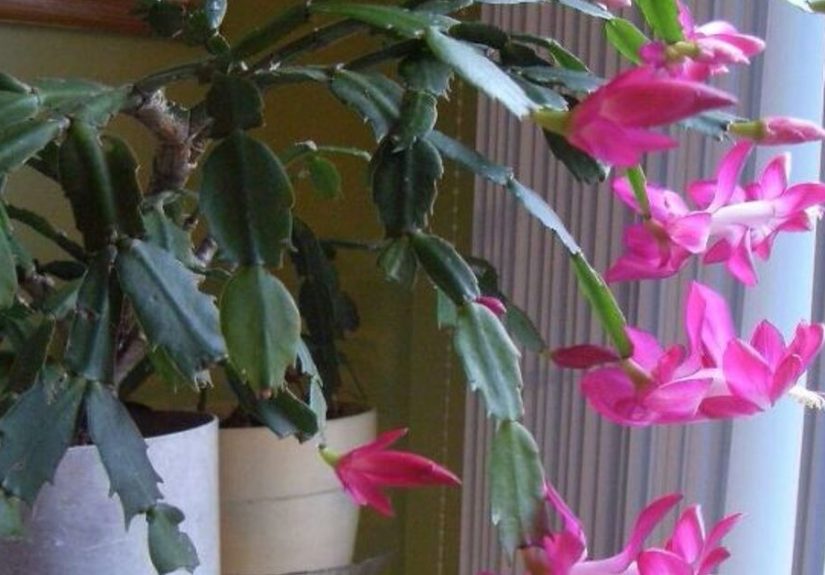
And honestly? Respect. When it blooms, it bloomshot pink, snowy white, cherry redlike it’s trying to outshine your holiday lights.
But when it refuses? Suddenly you’re Googling “12 hours of darkness” like you’re planning a tiny plant witness protection program.
The good news: getting a Christmas cactus (Schlumbergera) to thriveand rebloomisn’t about luck. It’s about giving this tropical, rainforest cactus
the conditions it evolved for: bright filtered light, airy soil, careful watering, and a very specific fall routine that tells it,
“Hey buddy, it’s showtime.”
Meet Your “Cactus” (Plot Twist: It’s Not a Desert Cactus)
Despite the name, a Christmas cactus isn’t a sun-baked desert survivor. It’s a tropical cactus from Brazil that naturally grows in trees and rocky crevices
where it gets dappled light, plenty of humidity, and quick-draining debrisnot scorching sun and bone-dry sand.
Christmas vs. Thanksgiving vs. Easter Cactus
Many “Christmas cacti” sold in stores are actually Thanksgiving cacti (they’re close cousins and both are often labeled the same way).
You don’t need a botany degree to care for them, but knowing the difference helps with bloom timing:
- Thanksgiving cactus: pointier “teeth” on the segments, tends to bloom earlier (late fall).
- Christmas cactus: smoother, scalloped segments, classic winter bloom timing.
- Easter cactus: different leaf shape and bloom season (spring).
Here’s the important takeaway: they’re all “holiday cacti,” and their care is very similarespecially the bloom-trigger routine.
Christmas Cactus Care Basics (The Stuff That Prevents Drama)
Light: Bright, Indirect, and Consistent
Think “sunlight through a sheer curtain,” not “summer sun blazing through a south window.” Bright, indirect light helps fuel growth and future flowering.
A little gentle sun in winter can be fine, but harsh direct sun can scorch segments or turn them reddish and stressed-looking.
Simple test: If you can comfortably read a book near the plant without squinting, you’re probably in the right brightness zone.
Temperature: Comfortable for You, Slightly Cool for Buds
During active growth (spring and summer), average home temperatures are usually fine. But in fall, cooler nights are a big part of what tells the plant
to set buds. We’ll cover the exact bloom recipe laterbecause yes, your plant is absolutely keeping score.
Humidity: More “Spa Day,” Less “Desert Wind”
Holiday cacti appreciate moderate humidity. If your indoor air is super dry (hello, heaters), you can boost humidity by:
- Using a pebble tray with water (pot on the pebbles, not sitting in water)
- Running a small humidifier nearby
- Grouping plants together (they share humidity like good neighbors)
Soil: Airy, Fast-Draining, Not Heavy and Soggy
The fastest way to upset a Christmas cactus is to plant it in heavy soil that stays wet. You want a mix that drains quickly but still holds a bit of moisture.
Easy DIY mix: 2 parts quality potting mix + 1 part perlite/pumice + 1 part orchid bark (or extra perlite if you don’t have bark).
The goal is “fluffy and breathable,” not “mud pie.”
Pot Choice: Drainage Holes Are Non-Negotiable
Use a pot with drainage holes. Period. (Your plant would like to avoid living in a swamp.)
Also, holiday cacti often bloom better when slightly pot-bound, so don’t rush to size up unless needed.
Watering: Moist, Not WetAnd Never Bone-Dry for Long
Christmas cactus watering is a balancing act: it’s not a desert cactus that wants to be ignored for weeks, but it also hates soggy roots.
- Water when the top inch of soil feels dry and the pot feels lighter.
- Water thoroughly until it drains out the bottom.
- Never let the pot sit in a saucer of water for hours.
Seasonal shift: Water more during spring/summer growth, then reduce a bit during the fall “bud-setting” period and winter restwithout
letting it shrivel like it missed payday.
Fertilizer: Feed in the Growing Season, Pause Before Bloom
Fertilizing helps your plant build the energy reserves it needs to flower. The trick is timing:
- Start: early spring when new growth appears
- Continue: through late summer
- Stop: in early fall (so it can shift into bud-making mode)
A balanced houseplant fertilizer (diluted) works well, and some gardeners use African violet fertilizer. If you notice crusty white buildup on the soil surface,
flush the pot occasionally with plain water to reduce salt buildup. Less “science experiment,” more “healthy roots.”
The Bloom Secret: How to Get a Christmas Cactus to Flower on Purpose
Holiday cacti are “short-day” plants. In normal-human language: they set flower buds when nights get long and uninterrupted, often combined with cooler temperatures.
This isn’t optional. This is the plant’s internal calendar.
The Two Triggers: Darkness + Cool Nights
For most Christmas/Thanksgiving cacti, the classic trigger is:
- 12–14+ hours of uninterrupted darkness each night
- Cooler night temps roughly in the mid-50s to mid-60s °F range
- Duration: about 6–8 weeks
Some plants can set buds mainly from cool nights (even without perfect darkness), but if you want the most reliable results indoors,
use both triggers together.
A Simple “Bloom Boot Camp” Schedule (Works for Most Homes)
Want blooms around late November or December? Count back 6–8 weeks from your target bloom window.
For many people, that means starting sometime in mid-September through mid-October.
-
Pick a nighttime dark spot. A spare bedroom, closet (with airflow), or a room that stays dark and quiet at night works.
The key is uninterrupted darknessbright lamps, TV glare, or frequent “just checking on it” visits can disrupt bud formation. - Give it bright days. During the day, keep it in bright, indirect light. This is not a vampire plant; it needs daylight to power the process.
- Cool it down at night. Aim for cool nights. Avoid placing it near heating vents or in a room that stays warm all night.
- Water a little less, but don’t stress it out. Let the top inch dry, then water. You’re reducing growth-speed, not punishing it.
- Stop fertilizing. Fertilizer during this phase can encourage leafy growth instead of buds.
When Buds Appear: Freeze the Vibe (In a Good Way)
Once you see buds forming at the tips, your job changes from “trigger buds” to “protect buds.”
This is where many people accidentally snatch defeat from the jaws of victory.
- Don’t move the plant around like it’s on a home decor show.
- Keep watering steady (even moisture, not soggy).
- Avoid drafts and heat blasts (vents, fireplaces, frequently opened doors).
- Keep temps stablebig swings can cause bud drop.
Why Your Christmas Cactus Drops Buds (And How to Stop It)
Bud drop is your plant’s way of saying, “I had a plan. Then you introduced chaos.”
Common causes include:
1) Temperature Swings or Drafts
Moving from a cool spot to a hot room, sitting near a heater, or catching cold drafts can shock the plant into dropping buds.
Keep it away from vents, drafty windows, and “the door everyone uses.”
2) Inconsistent Watering
Letting it get too dry, then flooding it, can stress the roots. Aim for consistent moisture once buds form.
3) Nighttime Light Interruptions
During the bud-setting phase, even indoor lighting at the wrong time can interfere. If you’re doing the darkness routine,
be strict about it. Your plant is.
4) Repotting at the Wrong Time
Repotting right before bloom season can shift the plant into “root and growth mode” instead of “flower mode.”
If you must repot, do it after blooming, typically in spring.
Repotting and Pruning for More Blooms
Repotting: Less Often Than You Think
Holiday cacti don’t need frequent repotting. Every 2–3 years is common, or when the soil breaks down and drainage gets poor.
Repot in spring after the bloom cycle, and only go up one pot size.
Pruning (Pinching): The Sneaky Way to Get More Flowers
Flowers form at the ends of segments. More branches = more ends = more blooms.
Many growers “pinch” or twist off a segment or two from each stem in late spring or early summer (often around June)
to encourage branching. Save the segments for propagationbecause free plants are the best plants.
Propagation: Make Baby Christmas Cacti (Without a Laboratory)
Propagating is simple and oddly satisfying.
- Twist off a healthy piece with 3–5 segments.
- Let the cut end callus for a day or two.
- Insert the bottom segment about an inch into a lightly moist, airy potting mix.
- Keep humidity slightly higher (a loose plastic bag over the pot can help) and keep in bright, indirect light.
- Water lightly until rooted, then resume normal care.
Common Problems (Quick Diagnostics)
Wrinkled or Limp Segments
- Likely: underwatering or roots not working well
- Fix: water thoroughly; check drainage; if soil stays wet for days, consider root issues
Yellowing, Mushy Segments, or Sour-Smelling Soil
- Likely: overwatering/root rot
- Fix: reduce watering, improve drainage, repot into airy mix if needed
No Blooms, Lots of Growth
- Likely: nights too warm/bright, or fertilizing too late
- Fix: run the 6–8 week dark-and-cool routine in fall
Pests (Mealybugs, Scale, Spider Mites)
Check crevices and undersides. If you see cottony clusters (mealybugs) or sticky residue, isolate the plant and treat promptly.
Swabbing with rubbing alcohol for mealybugs or using insecticidal soap can help. Healthy, unstressed plants get fewer pest problems
like how well-rested humans get fewer weird colds.
A Year-Round Care Calendar (Because Consistency Wins)
- Jan–Mar (Rest): brighter indirect light, less watering, no fertilizer.
- Apr–Jun (Growth): increase watering, begin fertilizing, pinch/prune in early summer for branching.
- Jul–Aug (Strength building): keep feeding and watering; optional shady outdoor vacation if nights stay above cool-safe temps.
- Sep–Oct (Bud setting): stop fertilizer; start darkness + cool-night routine 6–8 weeks before desired blooms.
- Nov–Dec (Bloom time): protect budsstable temps, steady watering, no moving, no drafts.
of “Been There” Experiences (Holiday Cactus Edition)
If you’ve ever owned a Christmas cactus, you’ve probably experienced at least one of these classic moments:
you bring it home in full bloom, place it on the table like a botanical centerpiece, and immediately feel like a responsible adult.
Then the blooms fade, and suddenly you’re staring at a green plant that looks… fine. Not thrilling. Just fine.
That’s usually when people either (a) overwater it out of guilt, or (b) forget it exists until it develops the emotional resilience of a dried sponge.
Another common experience: the “bud miracle” followed by the “bud betrayal.” You do everything right (or at least you think you do),
buds appear, you celebrate, you announce it to your household like you just baked bread from scratch.
And thenovernightbuds drop like tiny rejected confetti. This is the part where holiday cacti teach patience and stability.
Most bud drop stories have the same villains: a heat vent you didn’t notice, a cold draft from a frequently opened door,
a watering schedule that went from “arid desert” to “monsoon season,” or a plant that got moved three times because it “looked cuter” elsewhere.
Many plant parents also discover the accidental power of a spare room. The moment you realize your cactus needs long, uninterrupted darkness,
you start treating a guest bedroom like a backstage dressing room: lights off, door closed, no surprise cameos.
People get creativesome use a closet, some use a box (with ventilation), and some simply pick the one room in the house
where nobody scrolls on their phone at midnight. The funny thing is, once you stop disrupting the plant’s nighttime routine,
it acts like it’s finally being understood.
There’s also the “why is it red?” panic. A little reddish tint can happen when the plant gets too much direct light or is mildly stressed.
Folks often respond by moving it into a dark corner, which usually fixes the red but creates a new mystery: “Why won’t it bloom?”
The real win is learning the sweet spotbright, indirect daylight for most of the year, then long dark nights in fall.
And finally: the proudest momentpropagation. Twisting off a few segments feels like you’re breaking the rules, but then they root.
Suddenly you have baby plants. Then you have more baby plants. Then you’re handing them to friends like party favors:
“Here, take this. It blooms when it feels emotionally safe.” It’s a strangely joyful cycleone plant becomes a tradition,
and traditions are basically what Christmas cactus does best.
Conclusion: Your Christmas Cactus Can Bloom Every Year
Christmas cactus care is mostly about rhythm: bright filtered light, airy soil, careful watering, and feeding during the growing season.
Then in fall, you switch gearscool nights and long, uninterrupted darkness for about 6–8 weeksso buds can form.
Once buds appear, keep conditions stable and resist the urge to redecorate with it every other day.
Do that, and your plant will reward you with blooms that feel like a holiday miracle… that you actually engineered.