Table of Contents >> Show >> Hide
- Why Choosing the Right Well Pump Matters
- Step 1: Start With the Depth of the Well
- Step 2: Understand the Main Types of Well Pumps
- Step 3: Figure Out How Much Water Your Home Actually Needs
- Step 4: Do Not Forget Head Pressure and Distance
- Step 5: Match the Pump to the Pressure Tank
- Step 6: Consider Water Quality and Well Yield
- Step 7: Think About Materials, Wiring, and Maintenance
- A Smart Homeowner Checklist Before Buying
- Common Mistakes to Avoid
- Experience Section: What Homeowners Commonly Learn the Hard Way
- Final Takeaway
If you have ever stood in a basement staring at a pressure tank, a control box, and a mysterious pipe disappearing into the earth, congratulations: you have met one of homeownership’s least glamorous but most important superheroes. The well pump is the quiet overachiever of a private water system. It does not ask for applause. It does not wear a cape. It just moves water so your shower works, your laundry gets done, and your coffee maker can keep civilization intact.
Choosing the right well pump is not about buying the biggest motor and hoping brute force solves everything. That is the plumbing version of shopping for shoes by picking the largest pair on the shelf. A well pump has to match your well depth, your home’s water demand, your pressure needs, your water quality, and the way your system is actually laid out. Get it right, and the system feels effortless. Get it wrong, and you may deal with weak pressure, short cycling, high electric bills, or a pump that wears out long before it should.
This guide breaks down how to choose a well pump without drowning in jargon. We will cover well depth, pump types, flow rate, pressure tanks, water quality, and the real-world mistakes that trip up homeowners all the time.
Why Choosing the Right Well Pump Matters
A well pump does more than “move water.” It has to deliver enough water at the right pressure, consistently, and without damaging the well or overworking the equipment. That means the correct pump is really part of a system, not a stand-alone gadget. The pump, pressure tank, switch settings, pipe size, wiring, and well recovery rate all play a role.
When homeowners focus on only one number, usually horsepower, they often miss the bigger picture. Horsepower matters, sure, but it is only one ingredient in the recipe. A pump that is too small may leave you with a shower that feels like a tired garden hose. A pump that is too large may cycle too often, waste energy, and wear out faster. In other words, bigger is not always better. Sometimes bigger is just louder, more expensive, and more dramatic.
Step 1: Start With the Depth of the Well
The first and most important question is simple: how deep is the water level in your well? Not the romantic depth of your thoughts. The actual water level.
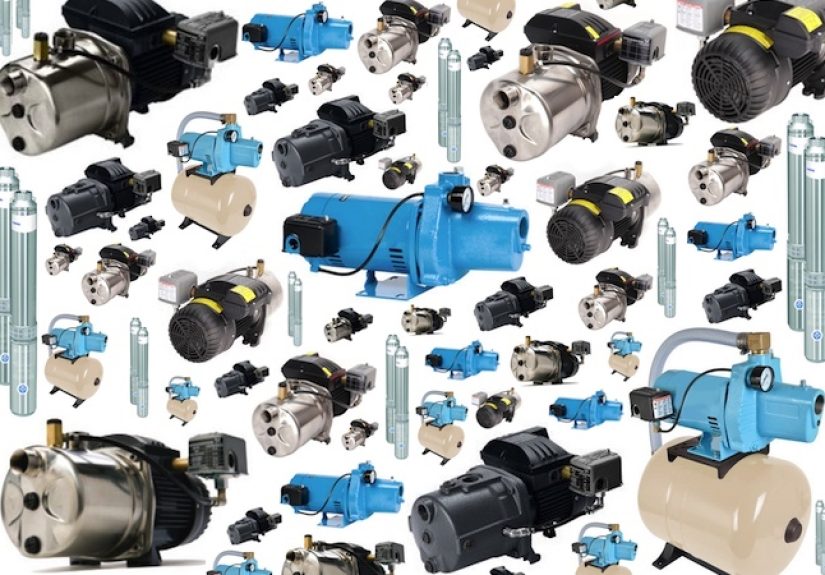
Well depth determines which category of pump makes sense. For shallow water levels, a surface-mounted jet pump may do the job. Once the water level drops deeper, especially past the practical suction range of shallow systems, a deep-well setup or submersible pump usually becomes the better fit.
Shallow Wells
If the pumping water level is roughly 25 feet or less below the pump, a shallow-well jet pump is often appropriate. These pumps sit above ground and pull water up through suction. They are easier to access for service, which homeowners and technicians both appreciate. Nobody throws a parade for maintenance day, so accessibility counts.
Deeper Wells
If your water level is deeper than that, a deep-well jet pump or, more commonly, a submersible pump becomes the smarter option. Submersible pumps are installed down in the well and push water upward rather than trying to pull it from the surface. That makes them especially effective for deeper applications and one reason they are so popular in modern residential systems.
One important detail: the depth that matters is the pumping water level, not just the total drilled depth of the well. A well may be 180 feet deep, but if the water level sits much higher, your sizing decisions change. That is why accurate well records and pump-test information are worth their weight in copper fittings.
Step 2: Understand the Main Types of Well Pumps
Shallow-Well Jet Pumps
These are mounted above ground and work best where the water level is relatively close to the surface. They are common for older homes and some smaller systems. They are easier to inspect and replace, which is a nice perk if you prefer repairs that do not involve hoisting equipment out of a deep hole in the earth.
Best for: shallow wells, easier access, straightforward replacement projects.
Deep-Well Jet Pumps or Convertible Jet Pumps
These also sit above ground, but they are designed for deeper water levels than shallow-well pumps. Depending on the design, they may use additional piping and jet assemblies to work in deeper wells. They can be a solid option in certain mid-depth situations, especially where a surface-mounted configuration is preferred.
Best for: homes that need a surface-mounted solution but have a deeper water level than a shallow jet pump can handle.
Submersible Pumps
These are installed inside the well below the water line and are the go-to choice for many residential wells. They are efficient, quiet, and well suited for deep wells. Because they push water instead of relying on suction from above, they are generally the most versatile option for deeper settings.
The trade-off is that service is less convenient. If something goes wrong, the pump has to be pulled from the well. That is not a one-person “I watched two videos and now I am basically a pro” kind of job.
Best for: deeper wells, modern residential systems, strong and steady performance.
Manual or Solar Options
Some property owners also consider manual backup pumps or solar-powered systems, especially in remote locations or for emergency preparedness. These may not replace the main household system entirely, but they can be valuable in the right setup.
Step 3: Figure Out How Much Water Your Home Actually Needs
Once you know the pump type, the next question is flow rate, usually measured in gallons per minute, or GPM. This is where many people guess, and guessing is fun for trivia night, not for water system design.
A typical family home often needs somewhere in the neighborhood of 6 to 12 GPM, depending on the number of bedrooms, bathrooms, fixtures, and how many things may run at once. A smaller home with one bathroom has different needs than a busy household where someone is showering, the dishwasher is running, and the washing machine has decided that now is also its moment to shine.
A good rule of thumb is to think about simultaneous demand, not every faucet in the house being fully open like a disaster movie. If two showers, a toilet refill, and a sink may overlap during peak use, your pump and pressure tank need to keep up without pressure dropping into the sad little drizzle zone.
Quick Example
A three-bedroom, two-bath home usually lands in the mid-range of residential demand. In many cases, a system delivering around 8 to 12 GPM is a reasonable target. But if the property also waters livestock, irrigates a garden, or fills large tubs regularly, the needed capacity may be higher.
Step 4: Do Not Forget Head Pressure and Distance
Here is where well pump shopping stops being a simple depth-and-GPM exercise. The pump also has to overcome total dynamic head, often shortened to TDH. That includes vertical lift, friction loss through piping, and pressure requirements inside the home.
In plain English, water is not just going up from the well. It may also travel a long horizontal distance to the house, climb a slope, pass through fittings, and still arrive with enough pressure to make your shower feel like a shower and not an apology.
This is why two homes with similar well depths may need different pumps. A house close to the well on flat ground with short pipe runs has one set of demands. A house uphill with a long run to the pressure tank has another. If the water has to travel farther or work harder, the pump may need more capacity than depth alone suggests.
That is also why pump curves matter. A good installer or supplier will match the desired operating point, meaning your target GPM and TDH, to the pump’s performance curve. This is how professionals avoid systems that technically work but operate inefficiently, cycle too much, or wear out early.
Step 5: Match the Pump to the Pressure Tank
The pressure tank is the pump’s teammate, not a decorative side character. It stores water under pressure and helps the system avoid turning on and off every time someone washes one fork.
Many residential systems are set to common pressure ranges such as 30/50 or 40/60. The first number is the cut-in pressure, when the pump turns on. The second is the cut-out pressure, when it shuts off. The tank provides drawdown between those points, helping the system run more smoothly.
If the pressure tank is undersized or failing, the pump may short cycle. That means it switches on and off too often, which is hard on the motor and hard on your wallet. A properly sized tank reduces wear, stabilizes pressure, and helps the whole system behave like it had a good night’s sleep.
Step 6: Consider Water Quality and Well Yield
Not all well problems are pump problems. Sometimes the water itself is the troublemaker.
If your water contains iron, sediment, or iron bacteria, that can affect the pump and the rest of the system over time. Iron can stain fixtures and clog components. Sand or grit can damage pumps and appliances. Low-yield wells introduce a different issue: the pump may be capable of moving more water than the well can recover.
Low-Yield Wells
If a well produces water slowly, the answer is not always a larger pump. In fact, that can make the situation worse by drawing the well down too quickly. In low-yield situations, homeowners often benefit from storage solutions such as intermediate tanks or cisterns paired with a secondary pressure pump. That approach allows the well to refill gradually while the house still receives steady pressure.
Water Quality Red Flags
- Orange, brown, or yellow staining
- Metallic taste
- Slimy buildup or swampy odor
- Sand or grit in fixtures
- Rapid clogging of filters, sprinklers, or valves
If you see those signs, choosing a pump should happen alongside water testing and system inspection. Otherwise, replacing the pump without addressing the cause is like repainting a wall while the roof still leaks.
Step 7: Think About Materials, Wiring, and Maintenance
Durability matters. Depending on the installation, you may see components made from cast iron, stainless steel, or heavy-duty thermoplastics. The best choice depends on water chemistry, environment, and budget. Corrosive or abrasive water may justify better materials up front because cheap components often become expensive lessons later.
Wiring also matters more than many homeowners expect. Two-wire and three-wire submersible pumps have different control setups. The right configuration depends on the specific pump and service preferences. And because well pump wiring must meet local code and operate in wet conditions, this is one area where licensed help is often the grown-up decision.
As for maintenance, a well pump is not an appliance you should ignore until the water stops. Pay attention to changes in pressure, odd noises, air sputtering from faucets, cloudy water, or a sudden jump in electric bills. Those symptoms can signal pump wear, tank issues, leaks, or a struggling well.
A Smart Homeowner Checklist Before Buying
- Confirm the pumping water level, not just total well depth.
- Determine whether the system needs a shallow-well jet, deep-well jet, or submersible pump.
- Estimate household demand in GPM based on bedrooms, bathrooms, fixtures, and outdoor use.
- Account for vertical lift, pipe length, fittings, and required household pressure.
- Check the well’s recovery rate or pump-test results.
- Inspect the pressure tank and switch settings.
- Test water quality if there are signs of iron, bacteria, sediment, or staining.
- Match the final pump choice to a pump curve, not just horsepower alone.
- Use a licensed professional when the job involves deep pulls, code compliance, or electrical work.
Common Mistakes to Avoid
Buying based on horsepower alone. Horsepower is only part of the story. GPM, TDH, and system pressure matter just as much.
Ignoring well recovery rate. A strong pump cannot magically create water that the well does not produce.
Skipping the pressure tank conversation. A pump and tank should be selected as a team.
Forgetting about long pipe runs. Distance and elevation eat performance for breakfast.
Replacing a pump without investigating water-quality issues. Sediment, iron, or bacteria can damage new equipment just as happily as old equipment.
Experience Section: What Homeowners Commonly Learn the Hard Way
Ask around in rural neighborhoods and you will hear the same stories over and over, just with different basements and different brands of work boots. One homeowner notices weak pressure every morning and assumes the pump is dying. The real culprit turns out to be a failing pressure tank bladder. Another replaces a pump with a higher-horsepower model, only to discover that the well itself is low-yield and cannot keep up. The bigger pump does not solve the issue. It just reaches the problem faster.
A very common experience is the “everything seemed fine until we added one more thing” situation. A family adds a bathroom, installs irrigation, or gets a bigger washing machine, and suddenly the old system feels undersized. The original pump may have been adequate for the house ten years ago, but not for the way the property is used now. This is why it helps to think ahead when choosing a replacement. Do you expect more people in the home, more outdoor watering, or additional water-using appliances? The pump should fit your real life, not the life the house had in 2009.
Another frequent lesson involves distance. Homeowners assume the well is only, say, 80 feet deep, so any pump rated for 80 feet should be perfect. Then they remember the house sits uphill, the pipe run is long, and the pressure tank is not exactly next to the well. Suddenly that “perfect” choice looks a lot less perfect. In practice, many people learn that system layout matters almost as much as depth.
Then there is the maintenance surprise. A surface pump may be noisier and less fashionable, but plenty of homeowners appreciate how easy it is to reach when something needs service. On the flip side, people with submersible pumps often love the quieter operation and steady performance, right up until the day the pump has to come out of the well and everybody on site starts speaking in very respectful tones about weight, wiring, and labor.
Water quality also shapes real-world experiences more than buyers expect. Some homeowners chase pump problems for months when the bigger issue is iron buildup, iron bacteria, or sediment. The clues are usually there: orange stains, slimy deposits, clogged filters, gritty water, or appliances that seem to age in dog years. In those situations, the best results come from treating the whole system, not just swapping the pump and hoping for emotional closure.
The homeowners who end up happiest usually do three things well. First, they get accurate information about depth, yield, and household demand. Second, they match the pump to both flow and pressure requirements instead of shopping by horsepower alone. Third, they treat the pump, pressure tank, and water quality as one connected system. That approach is less exciting than guessing, but it works better, lasts longer, and results in far fewer emergency phone calls made while wearing pajamas in January.
Final Takeaway
The best well pump is not the most powerful one on the shelf. It is the one that matches your well depth, your household demand, your pressure needs, your pipe layout, and your water quality. Start with the water level, choose the appropriate pump type, calculate realistic GPM, account for total dynamic head, and make sure the pressure tank is part of the plan. If the well has low yield or water-quality issues, solve those too. A good well pump choice is really a good system choice.
And that is the secret: when your well system is sized correctly, you do not think about it much at all. Which, for plumbing, is the highest compliment available.