Table of Contents >> Show >> Hide
- The Wing Truth Sports Bars Don’t Tell You
- What to Buy (So You Don’t Start Behind)
- The Bar-Beating Prep: Dry Brine + “Crisp Assist”
- Pick Your Cooking Method: Oven, Air Fryer, or Frying Like a Pro
- Method #1: The Oven Method (Crispy, No Drama)
- Method #2: The Air Fryer Method (Fast, Loudly Crunchy)
- Method #3: Double-Fry Wings (Sports-Bar Level Crunch, At Home)
- Sauce Like the Bar (Only Better)
- Better Than the Bar Means Better Than the Soggy Basket
- Game-Day Logistics: How to Serve Wings Like You Run the Place
- Troubleshooting: Fix Your Wings Before Anyone Notices
- Final Checklist: The Sports-Bar Slayer Routine
- Real-World Wing Experiences (The 500-Word “I’ve Been There” Section)
- Conclusion
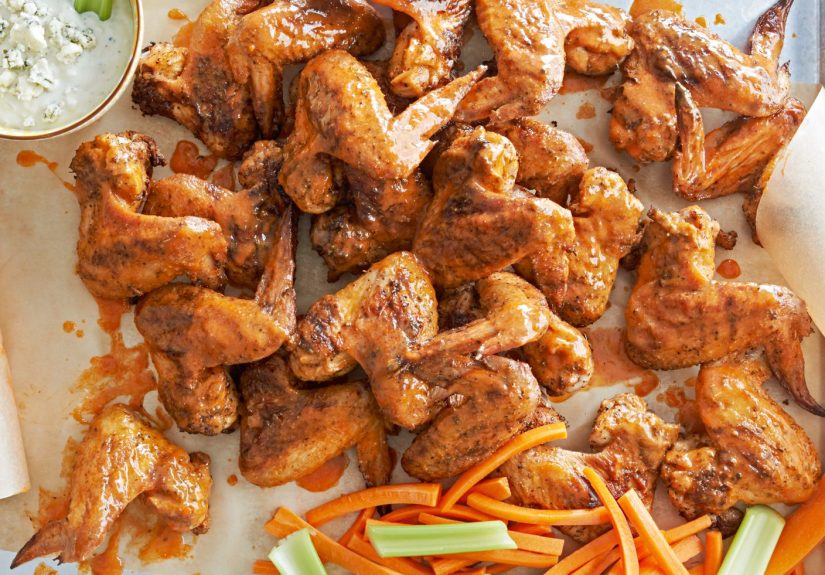
Sports bars have two superpowers: (1) they serve wings that somehow arrive exactly when your team converts on 3rd-and-long, and (2) they make crispy wings look effortlesslike gravity, but delicious. The good news? You can beat them at their own game in a regular home kitchen. The even better news? You don’t need a deep fryer the size of a small bathtub or a secret handshake with a sauce distributor.
The “better-than-the-bar” wing formula comes down to three things: dry skin, high heat, and smart saucing. Nail those, and you’ll produce wings that are crackly on the outside, juicy inside, and sturdy enough to survive a proper sauce dunk without turning into soggy chicken sadness.
The Wing Truth Sports Bars Don’t Tell You
1) Crispiness is a moisture problem, not a talent problem
If your wings aren’t crispy, it’s usually because moisture is steaming the skin before it can brown. Bars win because they manage moisture like it owes them money: wings are dried, cooked in hot, consistent heat, and held in ways that keep steam from softening the crust.
2) The skin needs help getting “blistery”
That bubbly, shatter-y surface you love? It happens when the skin dehydrates and browns quickly. A simple “dry brine” plus a tiny assist from baking powder can create micro-blisters and better browning without tasting like science class.
3) Sauce timing matters more than sauce volume
Bars toss wings fast, hot, and in the right bowl. If you sauce too early, or sauce wings that aren’t hot enough, the sauce slides offor worse, turns your crispy skin into a damp sweater.
What to Buy (So You Don’t Start Behind)
Choose whole wings or party wingseither works
Whole wings (drumette + flat + tip) are often cheaper. You can split them yourself (easy with a sharp knife and a quick joint search). Party wings are pre-cut and convenient. Either way, look for wings with intact skin and minimal frost burn if frozen.
Fresh vs. frozen
Frozen wings are totally fine for crispy results. Just thaw safely in the fridge (not on the counter), then dry them thoroughly. The key is removing surface moisture and giving the skin time to air-dry.
How many wings per person?
For a main event: plan on 8–12 wings per adult (fewer if you’ve got pizza, nachos, and seven dips competing for attention). For appetizers: 4–6 wings per person. If you’re feeding hungry teens, assume the wings will vanish faster than your phone battery at 2%.
The Bar-Beating Prep: Dry Brine + “Crisp Assist”
This is the unglamorous step that makes you look like a wizard later.
Step-by-step prep (do this 8–24 hours ahead if you can)
- Pat the wings very dry with paper towels. Like, truly dry. (Your future crunch depends on it.)
- Season with salt (and your favorite spices). Salt draws out moisture and seasons the meat all the way through.
- Add a small amount of baking powder (not baking soda) to encourage browning and blistering. Use aluminum-free baking powder if possible.
- Rack them: place wings on a wire rack set over a rimmed baking sheet. Airflow = crisp skin.
- Refrigerate uncovered for 8–24 hours. The fridge becomes your “wing drying cabinet.”
Easy dry-brine ratio (works for most home batches)
For about 2 pounds of wings:
- 1½ teaspoons kosher salt (reduce if using fine table salt)
- 1 tablespoon baking powder
- Optional: 1 teaspoon garlic powder, 1 teaspoon smoked paprika, ½ teaspoon black pepper, pinch of cayenne
Tip: Don’t go heavy on sugar in the brineit can burn at high heat. Save sweet stuff for glazes and sauces.
Pick Your Cooking Method: Oven, Air Fryer, or Frying Like a Pro
You can beat a sports bar with any of these. Choose based on your vibe: lowest mess (oven), fast crisp (air fryer), or absolute maximum crunch (double-fry).
Method #1: The Oven Method (Crispy, No Drama)
This is the easiest “out-crunch the bar” approach. It’s also the best if you’re making wings for a crowd.
How to bake wings that stay crispy
- Preheat the oven to 450°F. Give it time to fully heat uphot ovens make crisp wings.
- Keep them elevated on a wire rack over a foil-lined sheet pan.
- Space matters: don’t crowd. Wings need heat and airflow, not wing-to-wing group therapy.
- Bake 40–50 minutes, flipping once around the halfway mark, until deeply browned and crisp.
- Optional crisp boost: broil for 1–3 minutes at the end (watch closely to avoid burning).
How to know they’re done (without guessing)
Food safety matters: poultry is considered safe at 165°F internal temperature. For wings specifically, many cooks prefer going higheraround 175°Ffor better skin bite and tenderness, since more fat renders and connective tissue softens. Use a thermometer if you’ve got one; it’s a small tool that prevents big regrets.
Method #2: The Air Fryer Method (Fast, Loudly Crunchy)
Air fryers are basically tiny convection ovens with big confidence. Great for smaller batches and last-minute cravings.
Air fryer wing steps
- Preheat if your air fryer does that.
- Cook at 380°F for about 18–22 minutes, shaking or flipping a couple times.
- Finish at 400°F for 5–8 minutes to crisp the skin.
- Work in batches. Overcrowding turns “air fryer” into “steam box.”
Air fryer sauce rule
Wait to sauce until the wings are fully crisp. If you want sticky glazed wings, apply glaze near the end and cook briefly so it setsthink “lacquer,” not “bath.”
Method #3: Double-Fry Wings (Sports-Bar Level Crunch, At Home)
This is the method that makes people pause mid-bite and say, “Wait… you made these?” Yes. Yes, you did.
How double-frying works
First fry cooks the wings through and starts rendering fat. The second fry (hotter) blasts the skin into crisp perfection.
Double-fry steps (use caution; hot oil is serious)
- Set up safely: use a heavy pot, a thermometer, and keep kids/pets away from the stove area. Never fill the pot more than halfway with oil.
- First fry: heat oil to about 300°F. Fry wings in batches until lightly golden and cooked through (often 8–10 minutes depending on size). Remove to a rack.
- Rest: let wings sit 10 minutes. This helps steam escape so the next fry stays crisp.
- Second fry: raise oil to about 375°F. Fry again until deep golden and crackly (about 4–6 minutes).
- Drain on a rack (not paper towels). Paper traps steam; racks keep crunch.
Safety tip: If you’re a younger cook, ask an adult to supervise frying. Delicious wings are great; grease burns are not a flex.
Sauce Like the Bar (Only Better)
Here’s how you get that “bar flavor” without the mystery of what’s been in the fryer oil since Tuesday.
Classic Buffalo Sauce (smooth, glossy, clingy)
Buffalo sauce is a simple emulsion: hot sauce + butter. The goal is glossy and cohesive, not separated and greasy.
- ½ cup hot sauce (a cayenne pepper sauce is the classic move)
- 4 tablespoons unsalted butter
- Optional: ½ teaspoon garlic powder, a small splash of vinegar, pinch of salt
How to make it: Warm gently and whisk until smooth. Don’t aggressively boil ithigh heat can break the emulsion. Toss wings while they’re hot, in a large bowl, using a confident “shake and swirl.”
Dry rub + finishing butter (the “loud flavor” combo)
Bars often build flavor in layers: spice on the wing, sauce (or butter) after. Try this for a punchy rub:
- 1 teaspoon smoked paprika
- 1 teaspoon garlic powder
- 1 teaspoon onion powder
- ½ teaspoon black pepper
- ½ teaspoon chili powder
- Pinch cayenne
Toss hot wings with rub, then drizzle with a tablespoon or two of melted butter (or a thin hot sauce-butter mix). You’ll get “bar aroma” without drowning the crunch.
Three sauces that beat the usual lineup
- Garlic Parmesan: melted butter + grated Parmesan + minced garlic + parsley + black pepper. Toss hot wings, then add more cheese at the end.
- Honey-Sriracha: honey + sriracha + pinch of salt + splash of rice vinegar. Warm to loosen, toss, then bake 3 minutes to set.
- Lemon Pepper “wet”: lemon pepper seasoning + melted butter + lemon juice + cracked black pepper. Toss and serve immediately.
Better Than the Bar Means Better Than the Soggy Basket
The toss strategy that keeps wings crisp
- Serve “dry + dip”: keep wings crispy, offer sauces on the side.
- Half-sauced: toss half the batch, leave half naked and crunchy (everyone wins).
- Light toss + drizzle: coat lightly, then drizzle more sauce on top right before serving.
Use the right bowl
A big metal bowl is ideal because it doesn’t absorb heat and makes tossing easier. Small bowls crush wings and turn tossing into wing demolition.
Game-Day Logistics: How to Serve Wings Like You Run the Place
Make-ahead plan (the “I’m hosting but calm” approach)
- Dry brine the night before.
- Oven bake earlier in the day until mostly done (lightly browned).
- Right before serving: blast at 450°F for 8–12 minutes to re-crisp.
- Sauce at the last second.
Holding wings without ruining them
If you need to hold wings for a bit, keep them on a rack in a 200°F oven. Covered trays trap steam; racks keep the crust alive.
Reheating leftovers (still crispy, still proud)
Store wings chilled in an airtight container. For best texture, reheat unsauced wings and sauce after. A good reheat target is around 375°F until hot and crisp. If you’re reheating sauced wings, expect slightly softer skinbut still very snackable.
Troubleshooting: Fix Your Wings Before Anyone Notices
“My wings aren’t crispy.”
- They were too wet. Pat dry harder next time.
- You skipped the rack. Elevation matters.
- You crowded the pan/basket. Give wings space.
- Your oven wasn’t hot enough. Preheat longer than you think.
“They taste a little metallic / weird.”
That can happen if you used too much leavening or confused baking soda and baking powder. Use a light hand, and stick to baking powder for a cleaner flavor.
“My sauce broke and looks greasy.”
Gentle heat and whisking help. If it breaks, whisk in a tiny splash of hot water while warm to help it come back together, then toss immediately.
“They’re salty.”
Different salts behave differently. Kosher salt is less dense than table salt. If you used table salt in a kosher amount, it’ll oversalt fast. Adjust next batch and consider saucing less aggressively.
Final Checklist: The Sports-Bar Slayer Routine
- Dry brine wings uncovered in the fridge (8–24 hours).
- Bake on a rack at high heat (or air fry in batches).
- Cook to safe temps (165°F minimum; many prefer ~175°F for wings).
- Sauce hot wings fast, or keep sauces on the side.
- Serve immediately (or hold on a rack, not under foil).
Real-World Wing Experiences (The 500-Word “I’ve Been There” Section)
Even with the best plan, wing night has a way of turning into a tiny reality show. The first episode usually starts like this: you open the package, admire your wings, and then realize every wing is basically wearing a shiny raincoat of moisture. You pat them dry… and then you pat them dry again… and somehow they’re still damp. That’s normal. Wings hold onto surface water like it’s emotionally attached to them. The payoff comes later when your skin actually crisps instead of steaming itself into softness.
Next comes the “seasoning confidence arc.” The first time you dry brine, you might worry you’re doing too muchsalt, baking powder, and a rack setup that makes your fridge look like a science fair. But the next day, when the wings feel slightly tacky and dry on the outside, you’ll get that quiet, chef-y satisfaction of knowing you set yourself up for a win. The wings haven’t cooked yet, but you can already tell they’re going to behave.
Then there’s the classic party dilemma: timing. Wings don’t care that kickoff is in 12 minutes. They care about heat and space. If you try to cram all of them onto one pan, you’ll watch them politely steam each other like they’re at a spa. When you spread them outtwo pans, two racks, real breathing roomyou suddenly understand why sports bars have giant equipment. The good news is you can fake big-equipment energy with a second sheet pan and a little patience.
Sauce is its own episode. The first time you make Buffalo sauce, it feels almost suspiciously simple. Butter and hot sauce? That’s it? But then you see what happens if you blast it on high heat and it breaks into an oily mess, and you learn the lesson: sauce is a gentle craft, not a sprint. Warm it, whisk it, keep it glossy. Toss wings while they’re hot enough to help the sauce cling. When you get it right, the wings don’t look drenchedthey look lacquered.
And finally, the moment of truth: serving. Wings are best the second they’re done, which is inconvenient because guests love to arrive exactly when you flip the last batch. A rack in a low oven helps you avoid panic, and serving sauces on the side keeps everyone happycrunch lovers, sauce monsters, and the friend who insists lemon pepper wings are a personality type. After a couple wing nights, you’ll find your rhythm: dry brine ahead, cook in batches, sauce at the last second, and accept that the loudest compliment is silencebecause everyone’s too busy eating to talk.
Conclusion
Cooking wings better than your local sports bar isn’t about fancy tricksit’s about controlling moisture, using high, consistent heat, and treating sauce like the finishing move it is. Dry brine them uncovered, cook them on a rack (or in batches in the air fryer), and toss them hot with a glossy sauce. Do that, and you’ll turn your kitchen into the kind of wing spot people “just happen to stop by” whenever there’s a game on.