Table of Contents >> Show >> Hide
- What Sports Bars Get Right (and Where They Cut Corners)
- The 3 Levers of Legendary Wings
- Start With the Right Wings
- Prep Like a Pro: Dry, Dry-Brine, and the Crisp Assist
- Choose Your Weapon: 4 Methods That Beat Bar Wings
- Wing Sauce That Doesn’t Slide Off Like a Sad Raincoat
- The Pro Move: Toss, Rest, Toss Again
- Game-Day Execution Plan (So You’re Not Panicking at Kickoff)
- Troubleshooting: Why Your Wings Aren’t Crispy Yet
- Conclusion: Your Kitchen Can Out-Wing the Wing Place
- Real-World “Been There” Experiences (An Extra of Wing Truth)
Sports bars have two unfair advantages: industrial fryers and a staff whose entire job is making sure you don’t leave hungry.
The good news? At home, you get a different superpower: you can obsess. And wings are one of those foods that reward obsession
like a golden retriever rewards eye contact.
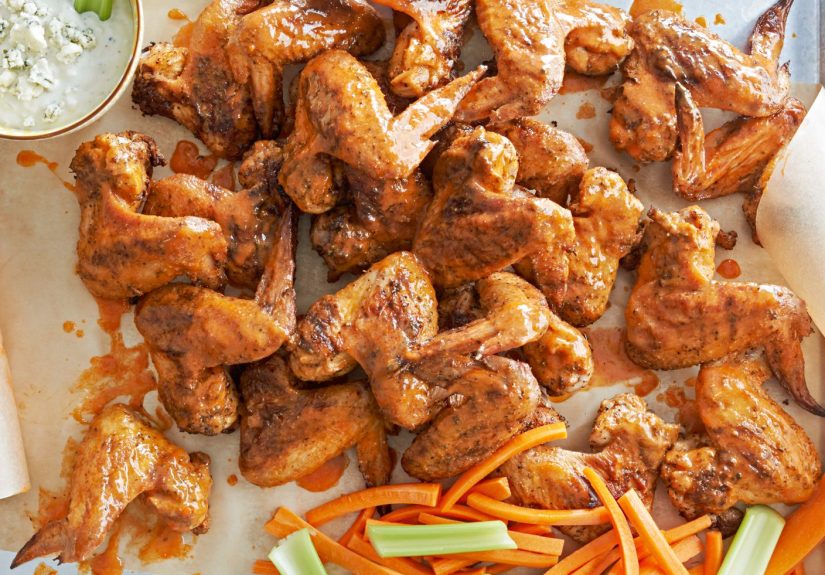
If your goal is “better than the bar,” you’re not chasing some mythical unicorn wing. You’re chasing three things the best wing
places nail consistently: shatter-crisp skin, juicy meat, and sauce that clings like it pays rent.
Get those right, and your living room becomes the VIP section. No cover charge. No sticky menus.
What Sports Bars Get Right (and Where They Cut Corners)
Great bars cook wings hot, fast, and in batches. They control moisture, they don’t drown the wings in sauce too early, and they keep
the skin crispy enough to survive the saucing.
Where they sometimes lose points: frozen wings that were never truly dried, sauce that’s either too thick (turns wings soggy) or too thin
(slides right off), and the classic “these sat under a heat lamp while the game went to halftime” situation. At home, you can fix all of that.
The 3 Levers of Legendary Wings
1) Moisture control
Moisture is the enemy of crispiness. If the skin is wet, the heat wastes energy turning water into steam instead of crisping the surface.
Dry wings don’t just cook betterthey brown better, crisp faster, and hold sauce longer.
2) High, steady heat
Wings need enough heat to render fat and crisp the skin without turning the meat into “stringy regret.” Whether you’re using an oven, air fryer,
grill, or oil, the theme is the same: hot environment, good airflow, no crowding.
3) Sauce strategy
Sauce is not a bath. Sauce is a coat. The difference between “crisp wing with sauce” and “soggy wing with vibes” is timing and technique.
You’ll toss at the right moment, with the right sauce consistency, and you’ll serve immediatelylike wings deserve.
Start With the Right Wings
Buy “party wings” or break them down yourself
Party wings are already separated into drumettes and flats (with the tip removed). If you buy whole wings,
slice through the joints with a sharp knife. Save tips for stock or toss them in the freezer until you have enough to make a broth that tastes
like you planned your life.
Fresh vs. frozen
Frozen wings can still be excellentjust make sure they’re fully thawed and patted aggressively dry. If there’s surface moisture,
you’re basically steaming the skin first, which is not the flex you want.
Size matters (a little)
Jumbo wings take longer to render and can crisp unevenly. Medium wings are the sweet spot for consistent cooking and better “one-bite ratio”
(aka you’re not wrestling poultry on camera during the big game).
Prep Like a Pro: Dry, Dry-Brine, and the Crisp Assist
Step 1: Pat dry like you mean it
Use paper towels and don’t be shy. Dry wings = faster browning and crispier skin. This is the cheapest upgrade you’ll ever make.
Step 2: Dry-brine for flavor and better texture
Salt your wings and let them rest uncovered on a wire rack in the fridge. Minimum: 1 hour. Better: 8–24 hours.
This seasons the meat more deeply and dries the skin so it crisps up dramatically.
A simple, reliable starting point: 1 to 1 1/4 teaspoons kosher salt per pound of wings. If your rub is salty,
reduce that. If you’re using a store-bought seasoning blend, taste it firstsome are basically salt with a supporting cast.
Step 3: Add baking powder (not baking soda) for next-level crisp
Here’s the move many top recipes rely on: toss wings with a small amount of aluminum-free baking powder.
Used correctly, it helps the skin crisp and blister, giving you that “deep-fried style” textureeven in the oven.
A practical ratio: 1 tablespoon baking powder per 2 pounds of wings. Mix it with your salt and spices, toss thoroughly,
and make sure the wings are evenly coated (no clumps). Too much can taste weird, so keep it measured.
Choose Your Weapon: 4 Methods That Beat Bar Wings
Method 1: Oven “Fried” Wings (The Best No-Fryer Flex)
If you want bar-level crisp without a vat of oil, this is your home base.
- Preheat oven to 450°F.
-
Line a rimmed baking sheet with foil (easy cleanup), set a wire rack on top, and lightly oil the rack.
(Airflow matters. Rack = crispier all around.) - Arrange wings skin side up with space between them. If they’re touching, they’re steaming each other like awkward strangers in an elevator.
- Bake 20 minutes, flip, then bake another 20–25 minutes until deeply browned and crisp.
- Optional “sports bar finish”: broil 1–2 minutes at the end (watch closely) for extra blistering.
Target internal temperature: wings are safe at 165°F, but many wing lovers prefer 175°F for a more tender bite
because the connective tissue has more time to relax. Use a thermometer if you want repeatable greatness.
Method 2: Air Fryer Wings (Fast, Crisp, and Suspiciously Easy)
Air fryers are basically tiny convection ovens with main-character energy. They do wings extremely wellespecially if you don’t overload the basket.
- Preheat air fryer to 360°F.
- Air fry wings 10 minutes, shake/flip.
- Increase to 400°F and cook 8–12 minutes more until crisp and browned.
- Cook in batches. Crowding = steam = sadness.
Pro tip: air-fried wings can crisp so well that sauce slides off if it’s too thin. Aim for a sauce with a little body (more on that soon).
Method 3: Deep-Fried Wings (Without Turning Your Kitchen Into a Grease Spa)
Deep frying is still the crispness gold standard. The secret isn’t “more oil.” It’s temperature control and batch discipline.
- Use a heavy pot (Dutch oven) and fill with neutral oil (peanut, canola, vegetable) leaving plenty of headspace.
- Heat oil to 350°F. Keep it there.
- Fry in small batches 8–12 minutes, depending on wing size, until deep golden and crisp.
- Drain on a rack (not paper towels, which can trap steam under the wings).
Deep-Fry Upgrade: The Two-Stage Crisp
If you want “better than the bar” crunch that stays crisp longer, two-stage frying is your cheat code.
- Stage 1: Fry wings at a lower temp (around 250–275°F) until the fat starts rendering and the skin softensabout 15–20 minutes.
- Rest: Remove and cool on a rack at least 15 minutes (or refrigerate).
- Stage 2: Fry at 400°F for 4–7 minutes until the skin is blistered and audibly crisp.
This method takes longer, but the texture is outrageousin the best way.
Method 4: Smoked or Grilled Wings (Big Flavor + Crisp Finish)
Smoke gives wings a depth bars can’t fake. The trick is finishing hot so the skin doesn’t stay rubbery.
- Pat wings dry and season with salt + your rub. Add a light dusting of baking powder or cornstarch if you want more crisp.
- Cook low at 225°F until nearly done.
- Finish hot at 375–450°F (grill or oven) until the skin crisps.
You get smoke flavor and crunch. That combo makes people start saying things like “Why do we even go out?”
Wing Sauce That Doesn’t Slide Off Like a Sad Raincoat
Classic Buffalo sauce (adjustable, foolproof)
Buffalo sauce should be tangy, buttery, and spicynot greasy and separated. Make it right and it clings to the wing instead of pooling at the bottom of the bowl like a spicy puddle of disappointment.
Base formula:
- 1/2 cup hot sauce (cayenne-style is classic)
- 4 tablespoons unsalted butter (more butter = milder and richer)
- 1 teaspoon white vinegar or a squeeze of lemon (optional, brightens)
- 1/4 teaspoon garlic powder (optional, but welcome)
- Pinch of sugar or 1 teaspoon honey (optional, rounds edges)
Melt butter gently, whisk in hot sauce, and keep it warm. Don’t boil it like you’re mad at it; boiling can make it break and get oily.
Dry rubs and “finish sauces” (bar favorites, upgraded)
Many sports bars lean on dry rubs because they keep wings crisp longer. You can do the samethen add a finishing sauce on the side so everyone can choose their own adventure.
Three crowd-pleasing combos:
- Lemon pepper: lemon pepper seasoning + a little cornstarch + a little baking powder in the dry-brine; finish with melted butter + lemon + black pepper.
- Garlic Parmesan: toss hot wings with melted butter + garlic + grated Parmesan + parsley; finish with extra cheese like you’re not afraid of joy.
- Sweet heat: hot sauce + honey + pinch of smoked paprika; brush on and broil briefly for sticky edges.
The Pro Move: Toss, Rest, Toss Again
Want sauce that sticks without instantly sogging your wings?
- Toss wings lightly with sauce right when they’re hottest.
- Let them sit 2 minutes so the sauce sets.
- Toss again with a tiny splash more sauce for shine and fresh punch.
This gives you layered flavor and better clingwithout turning the skin into a wet sweater.
Game-Day Execution Plan (So You’re Not Panicking at Kickoff)
The day before
- Dry wings, toss with salt + spices + baking powder (if using).
- Rack them uncovered in the fridge overnight.
- Mix your sauce(s) and store in the fridge.
1 hour before
- Preheat oven/air fryer/grill.
- Warm sauce gently.
- Set up a rack for finished wings.
Right before serving
- Cook wings until crisp and browned.
- Toss and serve immediately.
- Put extra sauce on the table. People love “control.”
Troubleshooting: Why Your Wings Aren’t Crispy Yet
Your wings are steaming
Fix: use a rack, leave space, cook in batches. If your pan looks like a crowded subway, the wings are not going to crisp.
Your skin was wet to begin with
Fix: pat dry harder, and dry-brine uncovered longer. Moisture control is 80% of crispiness.
Your oven runs cool
Fix: use an oven thermometer or increase time. Also consider finishing with 1–2 minutes of broil (watch closely).
Your sauce is too thin (or too much)
Fix: use less sauce, toss in a bowl (not a deep container), and consider the “toss-rest-toss” method. You can always serve extra sauce on the side.
Conclusion: Your Kitchen Can Out-Wing the Wing Place
Cooking wings better than your local sports bar isn’t about culinary degrees or secret ingredients smuggled out of Buffalo.
It’s about the boring stuff done brilliantly: dry the wings, control the heat, don’t crowd the pan, and sauce with intention.
Do that, and you’ll get wings with crackly skin, juicy meat, and sauces that actually stick. Suddenly, “Let’s just order wings”
becomes “Wait, you make those wings?” And that is a beautiful sentence.
Real-World “Been There” Experiences (An Extra of Wing Truth)
Here’s what tends to happen the first time someone tries to “beat the bar” at home: confidence is sky-high, wings are dumped in a bowl,
a heroic amount of sauce is poured on top, and the final result tastes good… but feels like eating a damp paper towel that once heard a rumor about crispiness.
It’s not your fault. Wings are a trap: they’re simple enough to make you think you can freestyle, and finicky enough to punish freestyle with sog.
The next attempt usually swings too far in the other direction: the wings come out crisp, but they’re under-seasoned because the salt and spices were added
five minutes before cooking. Then everyone at the party starts dipping like their life depends on it, because the wing itself is basically a crispy vehicle
for ranch. (No shame. Ranch is powerful. But the wing should hold its own.)
Then comes the “aha” moment: leaving wings uncovered in the fridge feels weird the first time. It’s like you’re aging them in the witness protection program.
But when you pull them out the next day and they look a little dried and slightly tacky, you realize you’ve unlocked something. That tacky surface cooks into
blistered, browned skin that sounds crunchy when you tap it with tongs. Yes, people actually do this. Yes, it’s a sign you’ve joined the wing nerd club.
Another classic experience: discovering that your oven (or air fryer) has opinions. One batch is perfect, the next is pale, and suddenly you’re rotating pans
like you’re working the control deck of a spaceship. This is why racks and airflow matter so muchand why flipping halfway through isn’t “extra,” it’s
“the difference between crispy and questionable.”
And let’s talk sauce drama. Many home cooks learn the hard way that sauce isn’t just flavorit’s physics. If the sauce is cold, it thickens and clumps.
If it’s boiling hot, it can separate and get oily. If you use too much, it steams the wings into softness. But when you nail itwarm, emulsified, tossed on
wings that are genuinely hotthe sauce becomes a glossy coat instead of a puddle. That’s when people stop eating politely and start hovering near the tray
“just to grab one more.”
The final “real-world” truth: the best wings disappear fast, and the cook always ends up wingless unless you plan for it. So here’s the most practical
tip in this entire article: make an extra pound. Hide a small plate in the kitchen. Label it “celery” if you have to. Because once your wings are better
than the sports bar, you won’t just win the game-day spreadyou’ll create a new expectation. And expectations are hungry.