Table of Contents >> Show >> Hide
- Before You Start: Define What “Success” Looks Like
- 15 Steps to Coordinate a Fashion Show
- Step 1: Pick the concept (theme, mood, and message)
- Step 2: Build a realistic budget (with a “surprise” line item)
- Step 3: Lock the date and venue (then measure everything)
- Step 4: Assemble your core team (and define who decides what)
- Step 5: Create a master timeline (planning + show-day)
- Step 6: Plan the runway production (stage, drape, seating, signage)
- Step 7: Design your lighting (make the runway the star)
- Step 8: Build your sound plan (music, mics, and cues)
- Step 9: Confirm music licensing and venue requirements
- Step 10: Cast models and confirm contracts (then confirm again)
- Step 11: Finalize looks, order, and quick-change strategy
- Step 12: Schedule fittings (and photograph every look)
- Step 13: Create a beauty plan (hair/makeup) with a real schedule
- Step 14: Run a rehearsal and tech check (walk-through + cues)
- Step 15: Execute show day (checklists, calm voices, fast fixes)
- Mini Run-of-Show Example (Steal This and Customize It)
- Backstage “Fashion Emergency Kit” Checklist
- Conclusion
Coordinating a fashion show is basically event production… with higher heels, tighter timelines, and a very real chance you’ll be
taping someone into a garment five minutes before doors. The good news? If you plan it like a pro (and pack stain remover like your
life depends on it), a runway show can feel effortless for guestseven though backstage looks like a stylish tornado.
This guide breaks the process into 15 practical steps, plus picture prompts you can use to build a “visual checklist” for your team,
sponsors, and sanity. Whether you’re producing a charity show, a student runway, or a brand launch, these steps will keep the show on time,
on theme, and off the “we don’t talk about that year” list.
Before You Start: Define What “Success” Looks Like
Every fashion show has two products: the collection and the experience. Decide what matters most before you choose
a venue, hire a DJ, or order 700 feet of black drape.
- Purpose: sell pieces, attract press, raise money, build brand awareness, launch a designer, or entertain VIPs.
- Format: traditional runway, presentation, immersive installation, pop-up “walk-through,” or hybrid livestream.
- Audience: buyers and press vs. community supporters vs. sponsors and VIPs.
- Non-negotiables: accessibility, safety plan, budget ceiling, and the date you can’t move.
15 Steps to Coordinate a Fashion Show
Step 1: Pick the concept (theme, mood, and message)
Your concept is the North Star for lighting, music, hair and makeup, staging, even the pace of the walk. Keep it simple enough that
everyonefrom stylists to sponsorscan explain it in one sentence.

Step 2: Build a realistic budget (with a “surprise” line item)
Your budget isn’t just numbersit’s permission. If you can’t afford a full runway build, you might do a U-shaped floor runway with elevated
lighting and strong music. Include a contingency (even 10%) because something always happens (usually to a zipper).
- Venue: rental, security, cleaning, overtime
- Production: runway/stage, pipe-and-drape, lighting, sound, microphones, power
- People: producer/stage manager, dressers, hair/makeup artists, models, photographers, videographers
- Creative: styling, accessories, set pieces, signage
- Guest experience: seating, check-in, programs, step-and-repeat, refreshments
- Marketing/PR: invitations, press outreach, content capture, social assets
- Legal/safety: permits, insurance, music licensing, first aid

Step 3: Lock the date and venue (then measure everything)
Choose a venue that can handle both the magic out front and the chaos backstage. You need: audience flow, a clear model entrance/exit,
enough power, and space for hair/makeup and quick changes. Measure the room, mark a runway footprint, and confirm what the venue provides
(tables, chairs, security, loading dock, sound system).
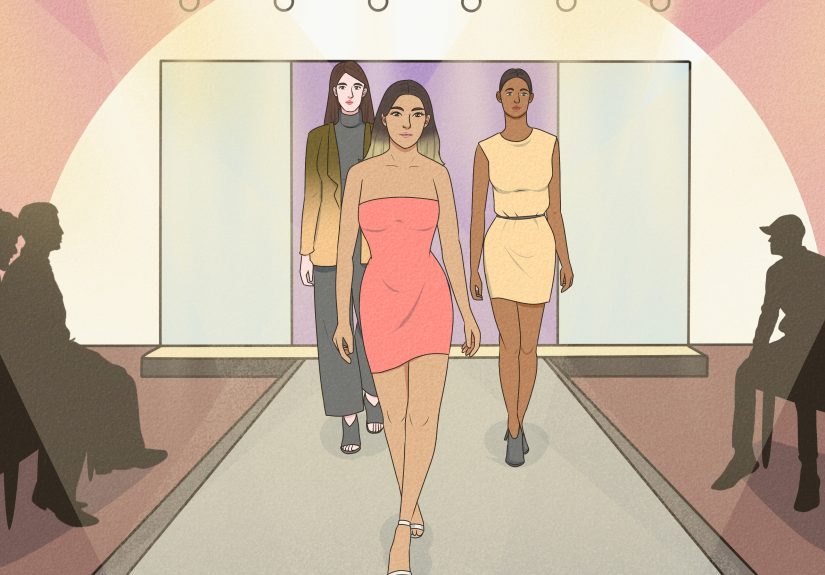
- Runway layout: straight, T, U, or circularbased on sightlines and camera angles
- Backstage: mirrors, racks, tables, outlets, and a “do not enter unless invited” boundary
- Loading: easy in/out for runway pieces, garments, lighting gear
- Accessibility: entrances, seating options, restrooms

Step 4: Assemble your core team (and define who decides what)
A fashion show runs on roles. Even if you’re a small team, assign hats so decisions don’t bounce around like a rogue sequin.
- Show Producer/Coordinator: owns the plan, budget, vendors, and timeline
- Stage Manager: calls cues, runs rehearsal and show flow
- Backstage Lead: manages dressing, racks, dressers, and quick-change traffic
- Stylist Lead: finalizes looks, accessories, and order
- Hair/Makeup Lead: creates the beauty schedule and assigns artists
- Front-of-House Lead: check-in, seating, VIP handling, and late arrivals
- Technical Lead: lighting, sound, mic checks, music cues
Step 5: Create a master timeline (planning + show-day)
Your timeline should include milestones (casting, fittings, tech rehearsal) and a show-day run-of-show. Share one version of truth with everyone.
- Planning timeline: 3–9 months out (depending on scale)
- Key checkpoints: venue contract, sponsor commitments, model confirmations, fittings, final music, rehearsal, tech check
- Show-day timeline: load-in → beauty calls → rehearsal → doors → show → photo moments → load-out

Step 6: Plan the runway production (stage, drape, seating, signage)
Runway build decisions are part aesthetics, part physics. Confirm stage height, stability, skirt/drape coverage, and safe edges.
Then design seating so VIPs, press, and sponsors have clear sightlines (and camera shots are clean).
- Runway surface: stable, non-slip, and friendly to heels
- Entrance “frame”: pipe-and-drape or scenic build that hides backstage
- Seating: row spacing, reserved blocks, late-arrival plan
- Brand moments: step-and-repeat, sponsor wall, lookbook/program tables
Step 7: Design your lighting (make the runway the star)
Lighting is not decoration; it’s visibility. Aim for flattering front light on the runway, clean light at the entrance, and controlled
ambient light for the audience. Test for shadows and glare before show day.

Step 8: Build your sound plan (music, mics, and cues)
Decide whether you need a DJ, a sound operator, or a carefully edited playlist with time stamps. If there’s an emcee, test microphone levels
with music playing (because “it sounded fine earlier” is a classic trap).
- Music format: one continuous mix vs. track-by-track cues
- Backup: duplicate on a second device + offline copies
- Comms: radios/headsets for stage manager, backstage, FOH
Step 9: Confirm music licensing and venue requirements
In the U.S., playing copyrighted music in public can require the proper permissions (often through performance-rights organizations).
Many venues already have blanket licensessome don’t. Verify with the venue in writing and plan accordingly. If you livestream, that can add
additional licensing and platform rules, so handle it early, not at 4:59 PM on show day.

Step 10: Cast models and confirm contracts (then confirm again)
Casting is about more than height and a strong walk. It’s reliability, professionalism, and how the garments fit on real humans.
Collect sizes, contact details, and availability. Confirm call times clearly and send reminders.
- Casting call: runway walk, measurements, availability
- Paperwork: releases, usage permissions for photos/video, payment terms (if paid)
- Inclusivity: cast to reflect your audience and brand values

Step 11: Finalize looks, order, and quick-change strategy
Your look order is choreography. Group looks by model, difficulty, and change time. If Look 7 requires lacing a corset and attaching a cape
with 19 hooks, don’t place it between two 30-second changes unless you enjoy panic.
- Look list: garment pieces, accessories, shoes, props
- Change map: where models change, who assists, what’s staged next
- Emergency plan: a swap look if something breaks
Step 12: Schedule fittings (and photograph every look)
Fittings are where the show is saved. Pin, tailor, hem, and test movement. Photograph each model in each look (front/back/close-up details).
Those photos become backstage instructions when everyone’s moving fast.

Step 13: Create a beauty plan (hair/makeup) with a real schedule
Hair and makeup is a production line with artistry. Start earlier than you think, assign stations, and build buffer time.
If you have 12 models and 4 artists, you need a schedule that doesn’t require time travel.
- Beauty brief: references, products, and what to do if a model arrives with a full face already done
- Timing: first models done early for content + rehearsal
- Touch-ups: oil control, lip refresh, flyaway hair kit
Step 14: Run a rehearsal and tech check (walk-through + cues)
Rehearsal is where you turn “ideas” into “timing.” Practice entrances, turns, spacing, and exits. Then run cue-to-cue with lighting and music.
Your stage manager should call every cue like it’s opening nightbecause it is.

Step 15: Execute show day (checklists, calm voices, fast fixes)
Show day is not the day to “figure it out.” It’s the day to follow the plan, communicate clearly, and handle surprises without letting the audience
smell the smoke. Use checklists. Give your team water. And remember: if you look calm, everyone else gets calmer too.
- Load-in: runway, drape, lights, sound, signage, check-in
- Backstage setup: racks labeled, looks staged, mirrors and outlets ready
- Front-of-house: guest list printed/digital, VIP seating map, late-arrival procedure
- Final checks: mic test, music backup ready, first look staged at runway entrance

Mini Run-of-Show Example (Steal This and Customize It)
Here’s a simple structure that works for many runway events. Adjust times to fit your show length and audience.
- T-6:00 Load-in begins (runway, lighting, sound)
- T-4:00 Hair/makeup call time (first wave)
- T-3:00 Models check-in, fittings touch-ups, looks staged
- T-2:00 Rehearsal walk-through (spacing + entrance/exit)
- T-1:00 Doors open, ambient music, seating begins
- T-0:10 “Places” called backstage, final touch-ups
- T-0:00 Show starts (intro cue, first look)
- T+0:12 Mid-show reset/look swap buffer (if needed)
- T+0:20 Finale walk + designer bow
- T+0:30 Photos/press moment, guest mingle
- T+1:30 Load-out begins
Backstage “Fashion Emergency Kit” Checklist
Backstage fixes are small, fast, and legendary. Build one kit and guard it like it’s couture.
- Safety pins (multiple sizes), sewing kit, fashion tape
- Lint roller, stain remover pen, baby wipes
- Double-sided tape, fabric glue, hem tape
- Clear nail polish (for snags), scissors, small pliers
- Deodorant wipes, blotting papers, hairspray, clear elastics
- Band-aids, blister pads, heel grips
- Sharpies, labels, binder clips, gaffer tape
Conclusion
Coordinating a fashion show is equal parts creative direction and operational discipline. If you nail the concept, budget honestly,
assign clear roles, and rehearse the cues, you’ll create a runway moment that feels polished, exciting, and intentional.
The “secret” isn’t perfectionit’s preparation plus a team that knows what happens next.
Experience Notes: Lessons You Only Learn on Show Day (About )
If you ask experienced show producers what really makes a runway succeed, you’ll hear the same themesusually said while someone is holding
a steamer in one hand and a headset in the other. First: time behaves differently backstage. A ten-minute buffer can vanish because a
model got stuck in traffic, a zipper jammed, or the venue’s “included sound system” turned out to be one speaker that crackles when you breathe near it.
The best teams treat buffers like oxygen. They build extra time into hair and makeup, they stage looks early, and they plan a “Plan B look” for anything
fragile, finicky, or held together by hope.
Second: labels beat memory. In calm meetings, everyone believes they’ll remember which shoes go with Look 9. In reality, you’ll have
twelve pairs of nearly identical black heels under fluorescent backstage lighting, and suddenly you’re playing a high-stakes game of “Cinderella, but make it stressful.”
Pros label everything: garment bags, hangers, accessories, even the order of jewelry. They take fitting photos and keep them printed or on a shared tablet.
That way, if a dresser is helping a model they’ve never met, they can still execute the look correctlywithout guesswork.
Third: the runway is a safety zone, not just a stage. Heels, slick soles, long hems, fog machines, cables, and excited movement can turn
a pretty runway into an injury waiting to happen. Experienced coordinators do a “walk test” in similar shoes, tape down cables, keep liquids away from the
runway edge, and ensure there’s a clear, lit exit route. They also set a simple rule: only essential crew backstage, and no one crosses the runway
during the show unless it’s an emergency. This isn’t about being strictit’s about keeping models confident and preventing mishaps.
Fourth: front-of-house energy matters. A show can be technically perfect and still feel awkward if guests arrive confused, the check-in line
becomes a traffic jam, or VIP seating turns into musical chairs. Seasoned teams put their calmest people at check-in, use a clear seating map, and
decide in advance how to handle late arrivals (spoiler: it’s not “let them squeeze in the front row during Look 3”). When guests feel guided and welcomed,
the whole event feels higher-endno extra budget required.
Finally: your attitude is contagious. Backstage will never be perfectly quiet. But it can be focused. Coordinators who speak clearly,
keep directions short, and treat the crew with respect usually get smoother executionbecause people want to help them win. On show day, you don’t need
to be the loudest person in the room. You need to be the clearest. Do that, and even the inevitable last-minute surprises can look like
intentional “behind-the-scenes magic” instead of chaos wearing eyeliner.