Table of Contents >> Show >> Hide
- What Is a Values-Driven Classroom?
- Why a Values-Driven Classroom Matters
- Step 1: Clarify Your Own Core Values First
- Step 2: Help Students Identify and Name Their Values
- Step 3: Co-Create Shared Classroom Values and Norms
- Step 4: Make Your Values Visible (and Useful)
- Step 5: Embed Values Into Instruction, Not Just Behavior
- Step 6: Respond to Misbehavior Through the Values Lens
- Step 7: Revisit and Refresh Values All Year Long
- Common Mistakes to Avoid When Building a Values-Driven Classroom
- Quick Start Plan: Build a Values-Driven Classroom in 30 Days
- Real Classroom Experiences and Lessons Learned (Extended Reflection)
- Conclusion
A values-driven classroom sounds like one of those ideas that looks amazing on a conference slide and then disappears the moment someone throws a pencil across the room. But done well, it’s not fluffy at all. It’s practical. It gives students a shared language for behavior, belonging, and learningand it gives teachers a better answer than “because I said so” (which, let’s be honest, occasionally escapes all of us).
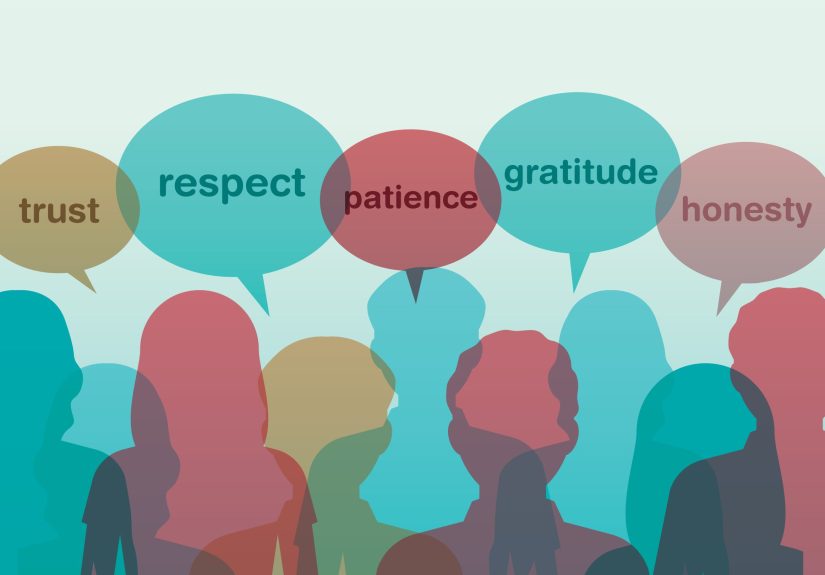
A values-driven classroom is a learning environment built around clear, shared values such as respect, curiosity, responsibility, empathy, integrity, and perseverance. Instead of relying only on top-down rules, the teacher and students define what those values mean in action. The result is a classroom culture that feels safer, more inclusive, and more consistentespecially when stress shows up, energy dips, or group work gets a little too “creative.”
In this guide, you’ll learn how to create a values-driven classroom step by step, how to turn values into daily routines, and how to keep the work alive all year (not just during the first-week honeymoon phase when everyone still has sharpened pencils and optimistic handwriting).
What Is a Values-Driven Classroom?
A values-driven classroom is a classroom culture where values guide decisions, expectations, relationships, and learning routines. It is not the same as hanging a “Be Kind” poster and hoping for magic. It is a deliberate system in which:
- Students help identify shared classroom values.
- Values are translated into observable behaviors.
- Norms are co-created and revisited regularly.
- Instruction and classroom management reflect those values.
- Reflection is built in so the class can improve over time.
In other words, values become the operating system, not just the wallpaper.
Why a Values-Driven Classroom Matters
1) It creates belonging, not just compliance
Students are more likely to engage when they feel cared for, supported, and respected. A values-driven classroom helps students see that the class is a community, not a performance arena. That matters for all learners, and especially for students who may not immediately feel seen in school settings.
2) It increases student ownership
When students help shape norms, they’re more likely to follow them. Why? Because shared expectations feel fairer than surprise commandments delivered from the mountaintop of the whiteboard. Co-created norms support student voice and agency, which strengthens commitment and accountability.
3) It supports social-emotional learning naturally
A values-driven classroom pairs beautifully with social-emotional learning (SEL). Students practice self-awareness, relationship skills, responsible decision-making, and communication while discussing what values look like in real situations. SEL stops being an “extra” and becomes part of how class works.
4) It improves classroom climate and consistency
Values help teachers stay consistent when responding to behavior, conflict, and academic challenges. Instead of reacting in the moment, you can return to shared language: “How does this choice align with our value of respect?” That shift lowers defensiveness and keeps correction connected to growth.
Step 1: Clarify Your Own Core Values First
Before inviting students into a values conversation, start with yourself. This is not because teachers must become motivational speakers. It’s because students can spot fake culture from a mile away.
Ask yourself:
- What values are non-negotiable in my classroom?
- What kind of learning environment am I trying to build?
- How do I want students to feel in this room?
- What behaviors do I unintentionally reward or ignore?
Choose 3–5 teacher anchor values
Examples:
- Respect (everyone is treated with dignity)
- Curiosity (questions are welcome)
- Responsibility (we own our choices)
- Perseverance (mistakes are part of learning)
- Justice/Fairness (equity matters)
- Empathy (we consider others’ experiences)
Then define each value in teacher language and student-friendly language. If you can’t explain a value in plain English, students won’t be able to use it when it counts.
Step 2: Help Students Identify and Name Their Values
This is where a values-driven classroom becomes powerful. Many teachers have success beginning with a simple values reflection during the first week of school (or a reset period midyear). Students review a list of values, choose several that matter to them, and narrow down to their top one to three values.
A simple values activity (20–40 minutes)
- Give students a list of value words (respect, loyalty, creativity, courage, honesty, belonging, etc.).
- Ask them to choose 8 words, then narrow to 5, then 3, then 1 “top value.”
- Have them write or discuss why they chose those values.
- Invite students to share in pairs, small groups, or anonymously first.
- Collect responses to spot class patterns.
This activity does two things at once: it helps you know your students better, and it teaches students that values are not random decorationsthey are connected to decisions, identity, and relationships.
Make sharing accessible for all students
Not every student wants to speak in front of the class on day one, and that’s okay. Offer multiple ways to participate:
- Sticky notes
- Digital forms
- Silent reflection journals
- Pair-share
- Small group discussion
- Visual icons or drawings for younger students
A values-driven classroom is also an inclusive classroom. Flexibility in how students share is part of the values work, not a separate task.
Step 3: Co-Create Shared Classroom Values and Norms
Once students have identified personal values, the next move is to build shared classroom values. This is where you shift from “my classroom rules” to “our community agreements.”
Pick 3–5 shared classroom values
Use student input plus your teacher anchors to choose a small set of values that can guide behavior and learning all year. Too many values = nobody remembers them. Aim for a short list your class can actually use.
Example shared classroom values: Respect, Curiosity, Responsibility, Courage, Community.
Translate values into behaviors
This is the step many classrooms skip, and then everyone wonders why “respect” means nine different things. Ask students:
- What does respect look like?
- What does it sound like?
- What does it feel like?
- What gets in the way of it?
- What can we do when we miss the mark?
For example, “Respect” may become:
- Listen without interrupting
- Disagree with ideas, not people
- Use names correctly
- Leave shared materials ready for the next person
- Give thinking time before jumping in
Norms vs. rules (and why it matters)
Rules are often teacher-led and focused on compliance. Norms are shared agreements focused on creating a positive learning environment. In a values-driven classroom, norms tend to be more inclusive because they can reflect different communication styles, learning needs, and cultural expectations. That doesn’t mean “anything goes.” It means expectations are clear, fair, and designed for belongingnot just obedience.
Step 4: Make Your Values Visible (and Useful)
If your values live on a poster no one reads after September, they are decorations. A values-driven classroom needs visible, usable tools.
Create a classroom culture map
Build a simple chart with students that includes:
- Shared Values
- What We Do (behaviors)
- What We Avoid (harmful patterns)
- How We Repair Harm
- How We Celebrate Progress
Post it where students can reference it during class discussions, group work, and conflict resolution.
Use values in daily language
Instead of saying only:
- “Stop talking.”
- “Be nice.”
- “Focus.”
Try:
- “Let’s return to our value of respectone voice at a time.”
- “Curiosity sounds like questions, not side conversations.”
- “Responsibility means checking your materials before we begin.”
This keeps expectations specific and reduces the mystery of what “good behavior” means.
Step 5: Embed Values Into Instruction, Not Just Behavior
A strong values-driven classroom doesn’t reserve values for discipline moments. It also uses them to shape learning tasks.
Build values into lesson design
- Curiosity: Start lessons with inquiry questions and wonder prompts.
- Empathy: Ask students to analyze perspectives in literature or history.
- Justice/Fairness: Discuss whose voices are represented and whose are missing.
- Perseverance: Normalize revision, drafts, and productive struggle.
- Community: Use structured collaboration with clear roles.
This approach helps students connect classroom values to academic work. Suddenly, “integrity” is not just about cheatingit’s about citing evidence honestly, giving credit in group projects, and admitting when you need help.
Use reflection routines
Reflection makes values stick. Try quick prompts like:
- Which class value did you use most today?
- Where did our group show responsibility?
- What would respect look like next time?
- What is one repair move you can make after today’s conflict?
These can be exit tickets, journals, or two-minute partner conversations. Small routines beat giant speeches every time.
Step 6: Respond to Misbehavior Through the Values Lens
A values-driven classroom does not eliminate behavior issues. (If it did, every teacher in America would already have one by Friday.) What it does is improve your response.
Shift from “gotcha” to growth
When behavior misses the mark, respond with clarity and accountability:
- Name the behavior.
- Name the impacted value.
- Support repair.
- Re-teach the expectation if needed.
Example: “Interrupting Maya during discussion didn’t align with our value of respect. Let’s reset. What can you do now to repair that?”
This approach supports consistency, fairness, and student dignity. It also helps reduce power struggles because the conversation is about shared agreements, not just teacher authority.
Use logical consequences and repair
Consequences can still exist in a values-driven classroom. The difference is that they should connect to the behavior and support learning. If a student misuses materials, repair may include restoring the space. If harm is relational, repair may involve a conversation, reflection, apology, or restorative check-in.
Step 7: Revisit and Refresh Values All Year Long
Classroom culture is not a crockpot. You cannot set it in September and walk away until June.
Schedule culture check-ins
Revisit your classroom values every few weeks or at the end of a unit. Ask students to rate how the class is doing with each value and discuss what is working and what needs adjustment.
Sample prompts:
- Which value feels strongest in our classroom right now?
- Which one needs more attention?
- What routines help us live our values?
- What should we revise as a class?
Celebrate values in action
Recognition matters. Highlight examples of students demonstrating shared valuesnot only high grades or perfect behavior. Celebrate growth, effort, inclusion, repair, and collaboration. This reinforces the message that character and community are part of success.
Common Mistakes to Avoid When Building a Values-Driven Classroom
1) Choosing values without student input
If students never contribute, it becomes branding, not culture.
2) Keeping values too vague
Words like “respect” and “responsibility” need concrete examples. Define behaviors clearly.
3) Confusing equality with equity
Fair doesn’t always mean identical. Students may meet shared expectations in different ways.
4) Only using values during discipline
If values appear only when someone is in trouble, students will associate them with correction, not community.
5) Never revisiting the norms
A values-driven classroom is an ongoing process. Re-teaching and revising are signs of good culture work, not failure.
Quick Start Plan: Build a Values-Driven Classroom in 30 Days
Week 1: Discover and define
- Clarify your teacher values.
- Run a student values activity.
- Collect and review common themes.
Week 2: Co-create norms
- Select 3–5 shared classroom values.
- Define what each value looks/sounds/feels like.
- Create a classroom culture chart.
Week 3: Embed into routines
- Reference values during transitions and discussions.
- Add one reflection prompt to lesson closures.
- Teach repair language for conflict moments.
Week 4: Review and refine
- Run a mini culture survey.
- Discuss strengths and gaps.
- Revise one norm or routine with students.
Do that consistently, and you won’t just have a nicer classroom. You’ll have a stronger one.
Real Classroom Experiences and Lessons Learned (Extended Reflection)
In classrooms that successfully become values-driven, the biggest change is usually not the poster on the wallit’s the tone of the room. I’ve seen teachers start the year with a standard list of rules and spend months repeating them. I’ve also seen teachers spend one extra day co-creating values and norms with students, and the difference showed up in small moments: how students entered the room, how they disagreed, how they asked for help, and how quickly they recovered after conflict.
One middle school teacher began with a values sort and expected students to choose words like “success” or “achievement.” Instead, the most common student choices were “respect,” “belonging,” and “fairness.” That changed her plan for the year. She realized her students were telling her, in plain terms, that before they could care about academic rigor, they needed to trust the room. She kept the rigor high, but she also added discussion norms, quiet reflection time, and structured turn-taking. By October, students who barely spoke in the first week were participating regularly because the expectations felt safer and clearer.
In an elementary classroom, a teacher used the phrase “What does our value of kindness look like right now?” during transitions. At first, students gave textbook answers. “Use nice words.” “Share.” The teacher kept pushing for specifics. Soon, the class generated stronger examples: “Leave space at the rug,” “Wait if someone is still packing up,” and “Help without grabbing.” That shiftfrom abstract value to visible behaviorreduced daily friction more than any color-coded clip chart ever did. The teacher joked that values saved her at least 12 reminders before lunch, which is basically the educator equivalent of finding extra vacation days.
A high school teacher used values in academic feedback. During group projects, he asked students to assess not only the final product but also how the group demonstrated curiosity, responsibility, and integrity. Students began naming behaviors that mattered: who invited quieter voices in, who followed through on tasks, who admitted confusion early instead of pretending to understand. The quality of collaboration improved because students weren’t just graded on the outcomethey were coached on the process.
Another common experience: values work becomes most useful when things go wrong. In one class, a heated discussion led to interrupting and eye-rolling. Instead of shutting the conversation down completely, the teacher paused and asked, “Which value did we lose?” Students answered immediately: “Respect.” Then came the better question: “What repair do we need?” Students suggested a reset protocol, sentence stems for disagreement, and a one-minute write-before-sharing strategy. The class did not become perfect overnight, but students became more capable of repairing harm without waiting for the teacher to solve everything.
The strongest values-driven classrooms also involve families in simple ways. Teachers have shared class values in newsletters, asked caregivers how respect or responsibility is expressed at home, and invited students to compare examples across settings. That move helps students see that values are lived, not school-only vocabulary words.
If there’s one lesson repeated across grade levels, it’s this: students rise to values when adults model them consistently. A values-driven classroom works best when teachers practice reflection, admit mistakes, and show what repair looks like. Students notice. And when they notice, they begin to do it too.
Conclusion
Learning how to create a values-driven classroom is really about building a classroom culture with purpose. Start by clarifying your own values. Invite students to identify theirs. Co-create shared norms. Make the values visible. Use them in instruction, feedback, and conflict repair. Then revisit them all year.
The payoff is worth it: stronger relationships, clearer expectations, more student ownership, and a classroom climate that supports both learning and belonging. No, it won’t stop every off-task moment. But it will give your classroom something better than control: a shared compass.