Table of Contents >> Show >> Hide
- Why certain colors make blue eyes pop (a tiny bit of color theory, but fun)
- Best eyeshadow colors for blue eyes (cheat sheet)
- Picking products that make blue-eye makeup easier
- How to do eye makeup for blue eyes (step-by-step, beginner-friendly)
- Three go-to looks for blue eyes (with shade suggestions)
- How to choose shades based on your exact blue (yes, there are types)
- Eyeliner for blue eyes: placement tips that change everything
- Common mistakes (and quick fixes)
- “More” that matters: finishing touches that flatter blue eyes
- Real-world experiences and what people actually do (extra tips, ~)
- Conclusion
Blue eyes are basically the “limited-edition vinyl” of eye colors: they already stand out, but the right styling makes them look even more iconic. The secret isn’t piling on productit’s picking shades that create flattering contrast, then placing them where they matter (crease, lash line, inner corner). This guide walks you through the best colors for blue eyes, the products that make application easier, and a few foolproof looks you can repeat even when you’re running late.
Why certain colors make blue eyes pop (a tiny bit of color theory, but fun)
Blue sits opposite orange on the color wheel, which is why warm tonesthink copper, bronze, peach, terracotta, and warm brownsmake blue eyes look brighter and more defined. It’s not magic; it’s contrast. Warm pigments pull forward, and the blue in your iris looks clearer next to them.
That doesn’t mean you can’t wear cool tones. You absolutely can. Cool shades (taupe, gray, charcoal, navy, icy shimmer) can look chic and editorial especially when you keep the edges soft and the placement clean. The main idea: choose a “hero shade” that flatters your blue, then support it with neutrals.
Best eyeshadow colors for blue eyes (cheat sheet)
Warm shades (the easiest win)
- Copper & bronze: The classic “wow, your eyes!” combogreat for everyday or glam.
- Peach & terracotta: Fresh, bright, and especially flattering if your blue eyes lean icy or gray-blue.
- Gold & champagne shimmer: Brightens the lid and inner corner without looking heavy.
- Warm browns: Adds depth in the crease and makes blending forgiving (your future self thanks you).
Purples (blue eyes’ cool-toned best friend)
- Lilac to plum: Purples emphasize blue eyes without making them compete. Lilac reads soft; plum reads dramatic.
- Burgundy/mauve: Great “I’m trying, but not too hard” shadesperfect for a lived-in smoky look.
Smoky neutrals (for nights, photos, and confidence)
- Taupe & soft gray: Modern and wearable, especially with a shimmer topper.
- Charcoal: A softer alternative to pure black shadowless harsh, still defined.
Blues and greens (yes, you canjust be strategic)
- Navy: Fantastic as eyeliner or a smoky outer corner. It defines without the harshness of black.
- Teal: Makes blue eyes look more vibrant by adding a subtle green contrast.
- Baby blue: Works best as a pop (liner, lower lash accent, inner corner shimmer) or paired with warm neutrals so it doesn’t “flatten” the iris.
Picking products that make blue-eye makeup easier
You don’t need a suitcase of makeup. You need a few products that do their job wellblend easily, last longer, and don’t turn your eye look into a mid-day abstract painting. Here’s a practical kit:
1) Eyeshadow primer (or a long-wear base)
Primer grips pigment, smooths texture, and helps your shadow stay put. If your lids get oily, primer is the difference between “soft glam” and “why is my crease migrating?” If you don’t have primer, a thin layer of concealer set lightly with translucent powder can workjust keep it minimal so blending stays smooth.
2) A small neutral palette + 1–2 “pop” shades
A neutral palette gives you transition shades (soft browns/taupes) and deeper shades for the outer corner. Then add one fun color that flatters blue eyes: copper shimmer, plum, or navy. If you’re shopping, look for palettes with at least:
- 1 light matte (beige/tan) for soft blending
- 1 medium matte (warm brown/taupe) for transition
- 1 deep matte (espresso/charcoal) for definition
- 1 shimmer (champagne/copper/bronze) for the lid
3) Eyeliner that isn’t always black
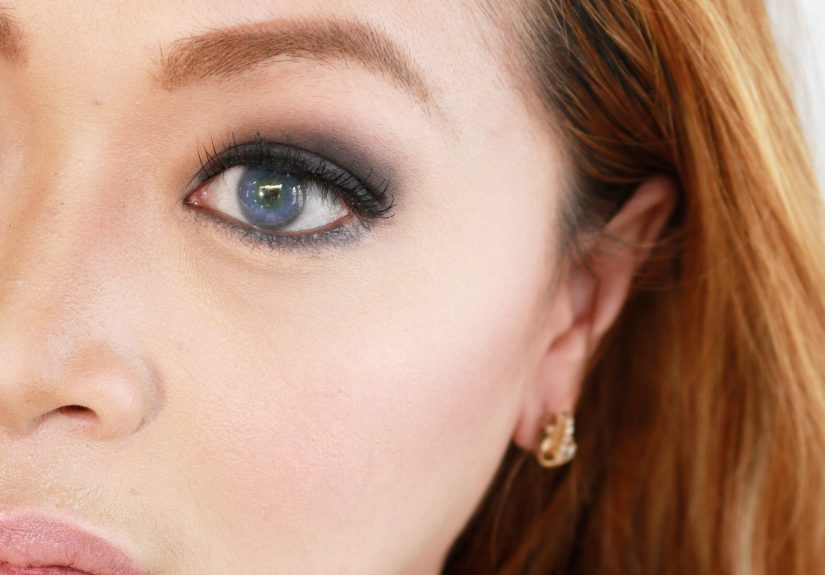
Black liner can be gorgeousbut on blue eyes, brown, bronze, navy, plum, and burgundy often look more dimensional and less severe. Pencil liners are beginner-friendly because you can smudge them (and call it “smoky” even if you just… missed the lash line slightly).
4) Mascara: brown for daytime, black for drama
Brown mascara tends to look softer and can make blue eyes appear brighterespecially if you have fair skin or lighter hair. Black mascara gives maximum contrast and intensity. If you love experimenting, navy mascara can also be striking on blue eyes while still feeling wearable.
5) Brushes (the underrated MVPs)
- Fluffy blending brush: for transition shades and soft edges
- Smaller crease brush: for adding depth without going “too smoky, too fast”
- Flat shader brush (or your finger): for shimmers on the lid
- Smudge brush: for liner and lower lash work
How to do eye makeup for blue eyes (step-by-step, beginner-friendly)
This is the “works on almost everyone” method. Adjust shades, keep the structure.
- Prep the area. Apply a thin eye primer from lash line to just under the brow. Let it set for 20–30 seconds.
- Lay down a transition shade. Using a fluffy brush, sweep a matte warm brown or soft taupe slightly above the crease. Think: a haze, not a stripe.
- Add your blue-eye “hero shade.” Pick one: copper, bronze, peach, plum. Tap it onto the lid (center first), then blend the edge where it meets your transition shade.
- Deepen the outer corner. With a smaller brush, add espresso brown, deep plum, or charcoal to the outer “V” (outer corner + crease). Blend in tiny circles.
- Brighten the inner corner. Add champagne shimmer or a light pearl highlight to the tear-duct area to open up the eye.
- Line (or tightline) for definition. For daytime: brown pencil along the upper lash line, then smudge. For more drama: wing it gently, or use navy/plum for color.
- Mascara. Curl lashes if you want more lift. Apply mascara focusing on the roots first, then pull through to the tips. Brown for softer; black for bolder.
- Optional: balance with the lower lash line. Smudge a little of your transition shade under the eye. Add a touch of your hero shade at the outer third for cohesion.
Three go-to looks for blue eyes (with shade suggestions)
Look #1: The 5-minute copper glow (everyday)
- Crease: matte warm brown
- Lid: copper shimmer
- Liner: brown pencil smudged
- Mascara: brown (or black if you want extra pop)
Pro tip: If you’re rushing, skip the outer-corner deepening step and just blend the crease shade a little longer. Blending is never wasted time.
Look #2: Plum “soft smoky” (date night, events, photos)
- Crease: mauve or rosy brown
- Lid: satin plum or rose-gold shimmer
- Outer corner: deep plum or espresso
- Liner: burgundy or deep brown, slightly winged
Blue eyes + plum shades = instant contrast, but with a softer vibe than a black smoky eye. It’s dramatic without shouting.
Look #3: Navy definition (smoky but modern)
- Crease: taupe or soft brown
- Lid: champagne shimmer (or a sheer bronze)
- Liner: navy along upper lash line, smudged outward
- Lower lash: a whisper of navy only on the outer third
Navy gives you depth like black, but it’s a little more flattering on blue eyesespecially if you want definition without looking “too done.”
How to choose shades based on your exact blue (yes, there are types)
If your eyes are light/icy blue
Warmth is your best friend. Copper, peach, champagne, and warm browns create contrast without overwhelming delicate color.
If your eyes are deep blue
You can handle more depth: bronze, espresso, charcoal, and even rich plum. Keep your lid shimmer brighter (champagne/antique gold) so the look stays dimensional.
If your eyes are blue-gray
Lean into taupes, soft grays, rosy browns, and muted mauves. Then add a warm shimmer (copper or champagne) to stop the look from turning too cool.
If your eyes are blue-green
Plum, burgundy, copper, and bronze are still great, but teal liner can look especially strikinglike your eyes are doing the most, in the best way.
Eyeliner for blue eyes: placement tips that change everything
Tightlining (the “my lashes are thicker” trick)
Tightlining means applying liner right at the upper waterline (the base of the lashes). Use a long-wear pencil in brown, bronze, or navy. It defines the eye without looking like obvious eyelinerperfect for natural makeup days.
Smudged liner (for beginners and perfectionists who secretly hate perfection)
Draw a line along the upper lash line, then smudge with a small brush or cotton swab. A soft wing looks intentional even if your hands were not, in fact, steady.
Nude pencil on the lower waterline (use sparingly)
A nude or beige pencil can make eyes look more open. If your eyes are sensitive, test carefully and choose an eye-safe formula. Another option: skip the waterline and pop champagne shimmer on the inner corner instead.
Common mistakes (and quick fixes)
Mistake: Everything is the same tone
If your lid, crease, and liner are all one “mid-brown,” the eye can look flat. Fix it by adding a lighter shimmer on the center lid or a deeper shade on the outer corner.
Mistake: Blue shadow makes your eyes disappear
It happensespecially with pale blue shadows. Fix it by pairing blue with warm neutrals (bronze crease, champagne lid) or using blue as liner instead of all-over shadow.
Mistake: Fallout under the eyes
Tap off your brush before applying. If shimmer drops under your eyes, sweep it away with a clean fluffy brush or a bit of translucent powderno aggressive rubbing required.
Mistake: Harsh edges
Harsh edges make any look feel less polished. Keep one clean blending brush just for softening edges (no extra product). It’s basically an “undo” button.
“More” that matters: finishing touches that flatter blue eyes
Brows frame the color
You don’t need super-bold brows, but a little shaping and filling helps your eye makeup look intentional. Use a pencil or tinted gel and follow your natural shape.
Blush and lips that support the eye look
If you’re wearing warm eye tones (copper/peach), a peachy blush or coral lip looks cohesive. If you’re wearing plum or navy, rosy or neutral lips balance the look.
Setting for longevity
If you need your eye makeup to last (school day, work shift, long event), lightly set your base and consider a setting spray at the end. The goal is staying powernot “crunchy face.”
Real-world experiences and what people actually do (extra tips, ~)
In real life, eye makeup isn’t always a calm, well-lit tutorial moment with perfect brushes lined up like a fancy paint set. Sometimes it’s five minutes in a car mirror, sometimes it’s an “I just need to look awake” situation, and sometimes it’s the classic: you intended a soft look, but your eyeliner had other plans.
One of the most common experiences for people with blue eyes is realizing that warm shimmer is basically a cheat code. A quick swipe of copper or bronze on the lid (even applied with a fingertip) makes blue eyes look clearerlike someone adjusted the contrast settings. It’s also forgiving: if your blending isn’t perfect, shimmer distracts in a helpful way. That’s why so many everyday routines end up being some version of “warm crease + glowy lid + brown liner.” It looks put-together without demanding a full glam commitment.
Another frequent “aha” moment: brown eyeliner and brown mascara can feel more flattering than black for daytime. Black can look amazing, but it’s high-contrastespecially on fair skin or light lashes. Brown definition tends to read softer and more natural, while still making the eye color stand out. People often describe it as looking “brighter” or “cleaner,” like a refreshed version of themselves. And when you want drama? That’s when black mascara (or a deeper liner shade like navy or charcoal) steps in.
Purple also has a loyal fan club among blue-eyed makeup wearers. A plum pencil smudged along the upper lash line is one of those looks that feels fancy even when it’s simple. It’s not as intense as black, but it’s more interesting than basic brown. Many people end up using purple as their “event color” because it photographs well and makes the whites of the eyes look brighter especially when paired with a champagne inner-corner highlight.
Then there’s the experiment phase: trying blue eyeshadow because it sounds logical… and discovering that some blues can make blue eyes blend in rather than stand out. The fix most people land on is using blue more strategicallynavy liner, teal accents, or baby-blue shimmer just on the inner corner or lower lash line. When blue is used as an accent next to warm neutrals, it feels intentional and modern instead of “why do my eyes look oddly flat today?”
Finally, almost everyone has a story about cleanup: fallout under the eyes, mascara smudges, or a wing that went rogue. The most practical habit is doing eyes first (or at least keeping a cotton swab nearby), then treating mistakes like normalbecause they are. Makeup is supposed to be adjustable. Blue eyes already bring the sparkle; your job is just to frame it in a way that feels like you.
Conclusion
The best eye makeup for blue eyes isn’t one single lookit’s a strategy. Start with warm tones (copper, bronze, peach, gold), add dimension with a deeper outer corner, and choose liner and mascara shades that match the vibe you want (brown for soft, black for bold, navy/plum for a twist). Once you’ve got a go-to everyday routine, experimenting becomes easy: swap the hero shade, keep the structure, and let your blue eyes do what they do beststeal the show.