Table of Contents >> Show >> Hide
- What Is Fluffy Hair?
- Start With the Right Haircut
- Wash Smart: Fluffy Hair Begins in the Shower
- The Best Products for Fluffy Hair
- How to Get Fluffy Hair: Step-by-Step Routine
- How to Get Fluffy Hair Without Heat
- Fluffy Hair Tips by Hair Type
- Common Fluffy Hair Mistakes to Avoid
- How to Keep Fluffy Hair Looking Fresh All Day
- Fluffy Hair Ideas for Different Lengths
- Real-Life Experience: What Actually Works When You Want Fluffy Hair
- Conclusion
Fluffy hair is having a main-character moment, and frankly, it deserves the spotlight. It is airy, touchable, slightly messy, and full of movementthe hairstyle equivalent of saying, “Oh, this? I just woke up looking effortlessly cool,” while secretly owning three styling products and a blow-dryer attachment.
The good news is that fluffy hair is not reserved for runway models, TikTok hair wizards, or people who somehow wake up with volume at the roots. Whether your hair is straight, wavy, curly, fine, thick, short, medium, or long, you can create a trendy messy look with the right cut, washing habits, styling technique, and product choices. The secret is not making your hair bigger for the sake of drama. It is building soft volume, root lift, texture, and movement without turning your head into a crunchy helmet.
In this guide, you will learn how to get fluffy hair step by step, how to choose products that actually help, how to style different hair types, and how to keep the look fresh without frying your strands into emotional support hay.
What Is Fluffy Hair?
Fluffy hair is hair with visible volume, soft texture, and natural-looking movement. It usually has lift at the roots, separation through the mid-lengths, and a casual, slightly undone finish. Think “messy but intentional,” not “lost a fight with a ceiling fan.”
The trendy messy look works because it feels relaxed. Instead of perfectly polished strands, fluffy hair embraces bends, layers, waves, flyaways, and shape. It can look like a soft blowout, a tousled shag, a bouncy curtain-bang style, a fluffy press, or a textured short haircut. The key is balance: enough volume to look lively, enough control to avoid chaos.
Start With the Right Haircut
Products matter, but the haircut is the foundation. If your hair is cut in one heavy block, it may be harder to create bounce. Layers, face-framing pieces, curtain bangs, textured ends, and soft shaping can help hair move instead of sitting flat.
For Fine or Flat Hair
Ask for light layers that add movement without removing too much density. Fine hair can look thinner if it is over-layered, so the goal is soft shape rather than aggressive chopping. A shoulder-length cut, long bob, airy bangs, or subtle U-shaped cut can help create the appearance of fuller hair.
For Thick Hair
Thick hair already has body, but it can become heavy. Strategic layering, point cutting, or internal texturizing can remove bulk and help the hair lift instead of puffing outward like a decorative shrub. Avoid too many short layers if your hair tends to spring up dramatically.
For Wavy or Curly Hair
Shape is everything. Layers can encourage curls and waves to stack beautifully, giving fluffy volume without frizz taking over the steering wheel. A stylist who understands your natural texture can help create a cut that air-dries well and still works with diffusing.
Wash Smart: Fluffy Hair Begins in the Shower
The fluffy hair routine starts before any styling tool enters the chat. Heavy buildup, too much conditioner at the roots, or oily scalp residue can flatten hair quickly. A clean scalp and lightweight lengths make volume much easier to achieve.
Use a Lightweight Shampoo
Volumizing or thickening shampoos are designed to clean without leaving hair overly coated. They can help fine or limp hair feel lighter and more responsive to styling. If you use dry shampoo, mousse, hairspray, or texture spray often, consider using a clarifying shampoo occasionally to remove buildup.
Condition the Ends, Not the Roots
Conditioner is your friend, but it does not need to host a party on your scalp. Apply it mainly from the mid-lengths to the ends, especially if your hair gets oily or flat. This keeps the roots fresher and helps preserve lift.
Do Not Rough Up Wet Hair
Wet hair is fragile. Instead of attacking it with a towel like you are polishing a bowling ball, gently squeeze out water with a microfiber towel or soft cotton T-shirt. Detangle with a wide-tooth comb, starting at the ends and moving upward.
The Best Products for Fluffy Hair
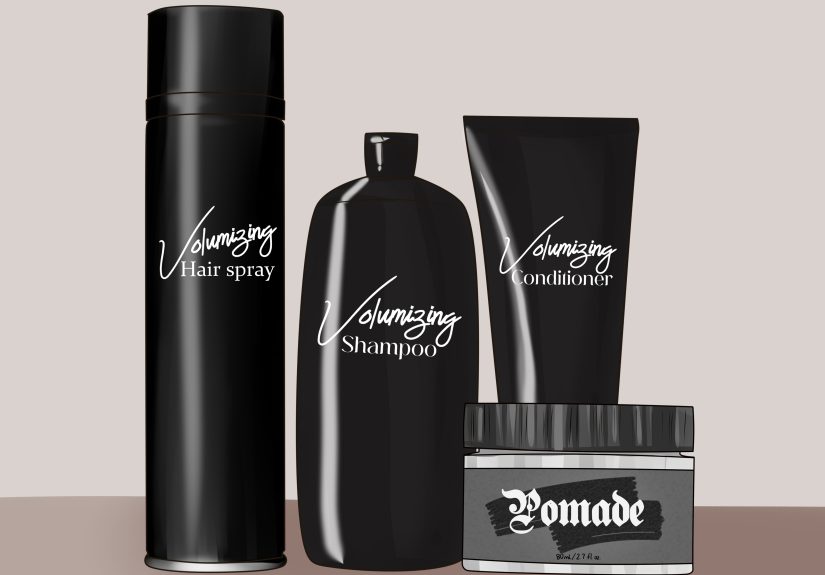
The trendy messy look depends on lightweight support. You want products that add grip, body, and hold without making your hair stiff. Less is often more. Your hair should still move when you turn your head, not arrive three seconds later as a separate object.
Volumizing Mousse
Mousse is one of the best products for fluffy hair because it gives lift and structure while keeping the finish soft. Apply it to damp hair, focusing on the roots and mid-lengths. Fine hair usually needs a golf-ball-sized amount. Thick or long hair may need more, but build slowly.
Root Spray or Root Lifter
A root spray targets the area that matters most for volume: the scalp line. Spray it onto damp roots, then blow-dry upward or with a round brush. This is especially helpful for hair that collapses quickly after styling.
Texturizing Spray
Texturizing spray gives hair grip, separation, and that piece-y, undone finish. It is great for second-day hair, short hair, waves, curtain bangs, and layered cuts. Use it on dry hair and focus on the mid-lengths, ends, and underside of the roots.
Dry Shampoo
Dry shampoo absorbs oil and can add instant volume, but it does not actually clean the scalp. Use it as a styling helper between washes, not as a forever replacement for shampoo. Spray from several inches away, let it sit, then massage and brush lightly.
Sea Salt Spray
Sea salt spray can create beachy texture and airy separation, especially on wavy hair. However, it can feel drying for some hair types, so use it lightly and pair it with moisture when needed.
How to Get Fluffy Hair: Step-by-Step Routine
Step 1: Start With Damp, Towel-Dried Hair
Hair should be damp, not dripping. If it is too wet, products may dilute and slide around instead of gripping the hair. Gently blot until your hair feels manageable.
Step 2: Apply Heat Protectant
If you plan to blow-dry, curl, straighten, or use hot rollers, apply a heat protectant first. Fluffy hair should look soft and healthy, not roasted. Use low or medium heat when possible.
Step 3: Add Mousse or Root Spray
Work volumizing mousse through the roots and mid-lengths. If your hair is very fine, keep product mostly near the roots. If your hair is thick or wavy, distribute it more evenly for shape and control.
Step 4: Blow-Dry for Lift
For maximum root volume, blow-dry your hair upside down for the first few minutes. Then flip back up and use your fingers, a vent brush, or a round brush to direct the hair. Lift sections at the root and aim airflow upward before smoothing the ends.
Step 5: Let Hair Cool Before Touching Too Much
Heat helps shape hair, but cooling helps set it. After blow-drying, let your hair cool before brushing, shaking, or styling aggressively. This small pause can make volume last longer.
Step 6: Add Texture
Once hair is dry, mist texturizing spray through the mid-lengths and ends. Lift sections and spray underneath for extra body. Use your fingers to shake the roots and separate pieces.
Step 7: Finish Lightly
If you need hold, use a flexible hairspray. Avoid heavy gels or waxes unless you have short hair and want defined separation. The best fluffy hair still feels soft when you run your fingers through it.
How to Get Fluffy Hair Without Heat
You do not need daily heat styling to rock fluffy hair. Heatless methods are especially useful if your hair is fragile, color-treated, dry, or simply tired of being blasted like laundry in a wind tunnel.
Try Overnight Braids
Apply a light mousse or styling cream to damp hair, loosely braid it, and let it dry overnight. In the morning, undo the braids and shake out the waves with your fingers. Finish with texturizing spray.
Use Velcro Rollers on Dry Hair
Velcro rollers can lift the crown and shape face-framing pieces without much effort. Place them at the roots and crown, let them sit while you get ready, then remove and fluff gently.
Change Your Part
Hair gets used to lying in the same direction. Flip your part to the opposite side or create a messy middle part for instant root lift. It is the easiest trick in the book and costs exactly zero dollars, which is our favorite beauty price.
Fluffy Hair Tips by Hair Type
Fine Hair
Fine hair needs lightweight products and careful layering. Use volumizing shampoo, apply conditioner only to the ends, and choose mousse over heavy creams. Dry shampoo at the roots can add grip, but avoid piling on too much product because fine hair gets overwhelmed quickly.
Straight Hair
Straight hair may need extra help holding texture. Apply mousse before blow-drying, then use a curling wand or rollers to create loose bends. Break up the shape with your fingers and add texture spray. The goal is not perfect curls; it is soft movement.
Wavy Hair
Wavy hair is naturally suited to the messy fluffy look. Scrunch in mousse, diffuse on low or medium heat, and avoid brushing once dry. For more volume, flip your head from side to side while diffusing.
Curly Hair
Curly hair can achieve beautiful fluffy volume with the right balance of moisture and hold. Use a lightweight leave-in conditioner or curl cream, then apply mousse. Diffuse gently, lifting at the roots. Once dry, shake the roots with your fingertips or a hair pick.
Thick Hair
Thick hair needs shape and control. Use lightweight styling cream only where needed, then add mousse or texture spray for lift. Ask your stylist about layers that remove heaviness while keeping fullness.
Common Fluffy Hair Mistakes to Avoid
Using Too Much Product
More product does not always mean more volume. Too much mousse, spray, cream, or oil can weigh hair down. Start small and add only where your hair needs support.
Skipping Heat Protection
Fluffy hair often involves blow-drying, curling, or diffusing. Protecting your hair from heat helps reduce dryness and breakage over time. Healthy hair holds style better, so this step is not optional if heat is involved.
Brushing Out Texture
A brush can turn soft waves into a puff cloud in seconds. Use fingers or a wide-tooth comb after styling. If you need to soften curls, brush gently before adding texture spray, not after.
Applying Conditioner to the Scalp
Unless your scalp truly needs it, conditioner at the roots can make hair greasy and flat. Keep richer products on the ends where dryness usually lives.
How to Keep Fluffy Hair Looking Fresh All Day
Fluffy hair is supposed to move, so do not panic if it changes throughout the day. A little evolution is part of the charm. Still, you can keep it from falling completely flat with a few smart habits.
Carry a mini texturizing spray or dry shampoo for touch-ups. Flip your hair upside down, mist lightly at the roots, wait a few seconds, then massage. Avoid touching your hair constantly, because oils from your hands can flatten the style. If your crown collapses, lightly dampen the roots and blast them with cool or low heat for a quick reset.
At night, sleep on a silk or satin pillowcase to reduce friction. For longer hair, loosely tie it in a high bun or soft scrunchie ponytail. In the morning, shake it out and refresh with a small amount of product.
Fluffy Hair Ideas for Different Lengths
Short Fluffy Hair
Short hair looks great with matte texture, lifted roots, and piece-y movement. Use a small amount of mousse before drying, then finish with texture spray or a light styling paste. Focus on separation, not stiffness.
Medium-Length Fluffy Hair
Medium hair is perfect for the trendy messy look because it has enough length to move but not so much weight that it collapses. Curtain bangs, shaggy layers, and soft waves all work beautifully.
Long Fluffy Hair
Long hair needs root lift and lightweight layers. Use mousse at the roots, blow-dry with tension, and add loose bends with rollers or a large curling iron. Finish by shaking the hair out instead of brushing it flat.
Real-Life Experience: What Actually Works When You Want Fluffy Hair
The first thing most people learn about fluffy hair is that it looks effortless only after you stop trying to make every strand behave. The magic happens when you give your hair direction, then let it keep a little personality. A perfectly smooth blowout can be gorgeous, but fluffy messy hair needs movement. It should look like you have plans, playlists, and possibly a coffee order with too many modifiers.
One of the most useful experiences is discovering how much roots matter. Many people spray texture product on the ends and wonder why their hair still looks flat. The ends can be messy, but if the roots are stuck to the scalp, the whole look loses energy. Applying mousse or root spray before blow-drying makes a huge difference. Even a simple upside-down dry for two or three minutes can wake up the shape.
Another real-world lesson: second-day hair is often better for fluffy styles than freshly washed hair. Clean hair can be slippery, especially if it is fine or straight. A small amount of dry shampoo or texture spray adds grip, making it easier to create bends, volume, and separation. The trick is to apply it lightly. Too much dry shampoo can leave hair dull or powdery, and nobody wants their trendy messy look to whisper, “I got into a fight with a flour bag.”
People with wavy hair often find that brushing is the villain. The style looks great after diffusing, then one enthusiastic brush turns it into a triangle. Finger styling usually works better. Scrunch, shake, lift the roots, and let the wave pattern stay slightly imperfect. For curly hair, fluffing at the roots with fingertips or a pick can create volume while keeping curl definition intact.
Fine hair has its own learning curve. Heavy oils, thick creams, and rich masks can make it soft but flat. Lightweight mousse, root spray, and flexible hairspray usually perform better. Fine hair also benefits from changing the part. Move the part slightly, and suddenly the roots stand up like they just remembered they have a job.
Thick hair brings the opposite challenge. It may get big easily, but not always in the direction you want. The solution is controlled volume: layers, moisture on the ends, and texturizing products used strategically. For thick hair, the goal is not to create more mass. It is to create shape, airiness, and movement.
The biggest experience-based tip is to stop chasing perfection. Fluffy hair looks best when it has a little irregularity. One face-framing piece may bend more than the other. The crown may settle slightly. The ends may flip out. That is not failure; that is the style. The trendy messy look is forgiving, wearable, and surprisingly practical once you learn your hair’s habits.
Finally, fluffy hair should still feel like your hair. If the routine takes too long, simplify it. If a product makes your scalp itchy or your hair stiff, switch it. If heat styling every day causes dryness, use heatless methods more often. The best fluffy hairstyle is the one you can actually live withand still enjoy when the wind shows up uninvited.
Conclusion
Getting fluffy hair is not about forcing your strands into an unrealistic shape. It is about creating lift, movement, and soft texture with smart prep and lightweight styling. Start with a haircut that supports volume, wash with products that do not weigh hair down, apply mousse or root spray before drying, and finish with texture spray for that casual messy effect.
Whether you want a fluffy blowout, messy waves, textured short hair, or a soft curly shape, the same rule applies: build volume at the roots, keep the finish touchable, and do not overthink every strand. Fluffy hair is supposed to look a little relaxed. That is the whole point. Your hair can have bounce, attitude, and a tiny bit of chaosas a treat.