Table of Contents >> Show >> Hide
- What Is a Christmas Cactus, Exactly?
- Why Grow a New Christmas Cactus From Cuttings?
- Best Time to Take Christmas Cactus Cuttings
- What You Need
- How to Take the Right Cuttings
- How to Root Christmas Cactus Cuttings in Soil
- Can You Root Christmas Cactus in Water?
- How to Care for New Christmas Cactus Plants After Rooting
- How Long Until a New Christmas Cactus Blooms?
- Common Mistakes That Slow Down Propagation
- How to Make Your New Plant Look Full Faster
- Final Thoughts
- Real-World Experiences and Lessons Gardeners Often Notice
- SEO Tags
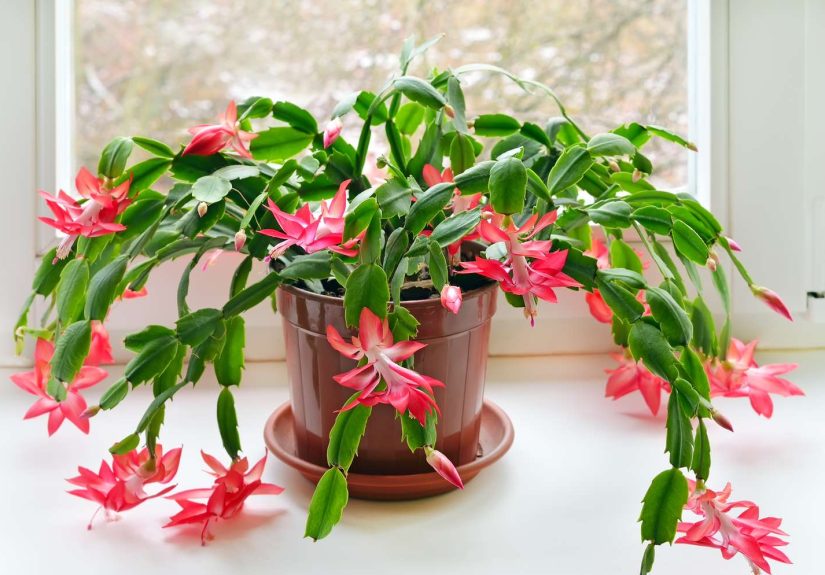
If there were an award for the most generous holiday houseplant, the Christmas cactus would at least make the podium. It blooms when most plants are taking the season off, it lives for years, and it practically begs to be shared. Better yet, learning how to grow a new Christmas cactus from cuttings is wonderfully low-drama. No greenhouse. No complicated gear. No mystical gardening powers required. Just a healthy parent plant, a few stem segments, and enough patience not to overwater everything into a soggy mess.
Whether you want to preserve a beloved family plant, make a few giftable babies, or rescue a leggy cactus after pruning, propagating Christmas cactus cuttings is one of the easiest ways to multiply your collection. The trick is not speed. The trick is doing the simple things correctly: choosing the right cuttings, letting them callus, using a fast-draining mix, and keeping them in bright indirect light while roots develop.
In this guide, you’ll learn exactly how to propagate a Christmas cactus, when to take cuttings, whether water rooting is worth trying, and how to care for your new plant until it is sturdy enough to bloom on its own.
What Is a Christmas Cactus, Exactly?
Before you start snipping away, here is one fun wrinkle: many plants sold as a “Christmas cactus” are actually Thanksgiving cactus or a hybrid in the same holiday cactus group. If your plant has sharply pointed stem edges, it is often a Thanksgiving cactus. If the segments look more rounded and scalloped, it is more likely a true Christmas cactus. The good news is that the propagation method is basically the same either way, so your plant will not demand a botanical identity check before agreeing to root.
These plants are not desert cacti. They are tropical epiphytic cacti from Brazil, which explains why they prefer airy potting mixes, moderate watering, and bright indirect light instead of blazing sun and bone-dry neglect. In other words, treat them more like a laid-back houseplant than a cactus trying to survive on pure stubbornness.
Why Grow a New Christmas Cactus From Cuttings?
There are plenty of reasons to propagate Christmas cactus cuttings, and most of them are practical. First, stem cuttings produce clones of the parent plant, so you keep the same flower color and growth habit. Second, pruning and propagation go hand in hand. When you trim a mature plant after blooming, you are already holding future plants in your hand. Third, a rooted cutting becomes a meaningful gift. A Christmas cactus passed from one person to another feels less like a random plant and more like a little living heirloom.
Propagation is also useful insurance. If your original plant is old, sentimental, or slightly dramatic about changes in routine, rooting a few cuttings gives you backup plants. That way, one watering mistake does not become a family tragedy.
Best Time to Take Christmas Cactus Cuttings
The best time to propagate a Christmas cactus is after the plant finishes blooming and starts moving back into active growth. For most growers, that means late winter through spring, with late spring to early summer being especially good for rooting. This timing works well because the plant is no longer focused on flowers and can put energy into producing new roots and fresh growth.
That said, holiday cactus propagation can work at other times of year too if the plant is healthy and conditions are warm, bright, and stable. Just expect rooting to move a bit slower when light levels are lower or indoor temperatures are cooler.
What You Need
- A healthy Christmas cactus or holiday cactus
- Clean hands or sterilized scissors
- A small pot with drainage holes
- A fast-draining rooting medium such as perlite, coarse sand, vermiculite, or cactus mix
- Bright indirect light
- A little restraint when watering
That last item is not sold in stores, unfortunately, but it matters.
How to Take the Right Cuttings
Choose healthy stem segments
Look for firm, plump, green stem sections with no shriveling, mushiness, or signs of pests. The best cuttings usually have two to five stem segments. Some growers root a single segment successfully, but longer cuttings are often easier to handle and stand upright more reliably.
Twist or pinch at the joints
Holiday cactus stems naturally break at the joints, so you can usually twist or pinch off a cutting cleanly. If you use scissors, make sure they are clean. Avoid taking old woody sections or damaged pieces that already look stressed. You want flexible, healthy growth, not the botanical equivalent of a Friday-afternoon employee.
Let the cut end callus
This step is easy to skip and even easier to regret. Lay the cuttings in a dry, shaded spot for a day or two, or up to several days depending on the size of the cuttings and your home conditions. This allows the cut end to dry slightly and form a callus, which lowers the risk of rot once planted.
How to Root Christmas Cactus Cuttings in Soil
If you want the most reliable method, root the cuttings in a light, fast-draining medium. Soil propagation tends to produce stronger transitions because the cutting roots where it will continue growing.
Step 1: Prepare the pot
Fill a small pot with a rooting medium such as perlite, coarse sand, vermiculite, or a well-draining cactus mix. The medium should hold a bit of moisture without staying dense or wet. A heavy potting soil that remains soggy is the fastest route to rot.
Step 2: Pre-moisten the mix
Water the rooting medium, then let excess moisture drain away. You want it lightly moist, not muddy. Think “freshly wrung sponge,” not “tiny swamp.”
Step 3: Insert the cutting
Place the callused end about 1 inch deep into the medium. Firm the mix around the base just enough to keep the cutting upright. If you want a fuller future plant, you can root three cuttings in the same small pot as long as there is enough room and airflow.
Step 4: Give it the right light
Set the pot in bright indirect light. A spot near an east-, west-, or filtered south-facing window often works well. Avoid direct hot sun while the cuttings are rooting, because stressed cuttings do not need a tanning session.
Step 5: Keep the mix lightly moist
Check the medium regularly and water only when it starts to dry. Do not keep it constantly wet. Christmas cactus cuttings root best with gentle moisture and good air around the developing roots.
Step 6: Wait for roots and new growth
Depending on temperature, light, and medium, roots may develop in a few weeks or take up to six to eight weeks. New growth is one of the best signs that the cutting has rooted successfully. If you tug very gently and feel resistance, that is another good clue.
Can You Root Christmas Cactus in Water?
Yes, you can. Water propagation is a valid option, especially if you enjoy watching roots develop. Place the bottom of the cutting in shallow water so only the base is submerged. Keep it in indirect light and refresh the water as needed. Once the roots are around an inch long, move the cutting into a small pot with a well-draining mix.
Water rooting can be fun and visually satisfying, but it is not always superior. Soil-rooted cuttings skip the transition from water roots to soil roots, which some growers find easier overall. If you are new to holiday cactus propagation, potting mix is usually the simpler, less fussy route.
How to Care for New Christmas Cactus Plants After Rooting
Use a snug pot
Christmas cactus prefers being somewhat root-bound, so do not rush into a giant planter. A small pot with drainage holes is the right move. Oversized containers hold too much wet soil around a small root system, which invites trouble.
Switch to a well-drained houseplant mix
Once rooted, move your plant into a loose potting mix designed for cacti or succulents, or amend a standard mix with perlite for better drainage. The plant likes moisture, but not heavy, waterlogged soil.
Water properly
Let the top portion of the soil dry slightly before watering again. The goal is steady but moderate moisture. If the stems turn mushy, you are probably overwatering. If they look thin and limp, the plant may be too dry. The sweet spot is somewhere between helicopter parenting and total abandonment.
Feed during the growing season
After the plant settles in and begins growing, feed lightly with a balanced houseplant fertilizer during the active growing months. Many gardeners fertilize from spring into summer, then reduce feeding as fall approaches.
Encourage branching
Once the rooted cutting starts putting on fresh growth, pinching the tip segment can encourage branching. More branching usually means a fuller plant and more potential flowers later on.
How Long Until a New Christmas Cactus Blooms?
A freshly rooted cutting is not going to throw a holiday party immediately. It needs time to mature, branch, and build enough energy to bloom well. Under good care, a new plant may need a season or two before it blooms impressively. The upside is that Christmas cactus is long-lived, so patience pays off.
To encourage reblooming later, give the plant bright indirect light, avoid oversized pots, and in fall provide cooler nights and longer periods of uninterrupted darkness. That seasonal routine helps set buds for the next bloom cycle.
Common Mistakes That Slow Down Propagation
Planting cuttings before they callus
Freshly broken stems are more vulnerable to rot. A short drying period improves your odds.
Using dense, soggy soil
Holiday cacti like airflow around the roots. Heavy soil stays wet too long and causes problems fast.
Giving too much direct sun
Bright indirect light is ideal. Harsh direct light can stress tender cuttings before they root.
Overwatering from excitement
This is the classic mistake. You are proud of your little cutting. You want it to thrive. You water it again. And again. Meanwhile, the cutting would have preferred fewer pep talks and less moisture.
Using unhealthy parent material
If the original plant is weak, diseased, or infested, the cutting will not magically become a star employee. Start with healthy growth whenever possible.
How to Make Your New Plant Look Full Faster
If your goal is a fuller potted plant rather than one skinny rooted segment, root several cuttings together in one container. Three cuttings in a small pot often create a nicer, bushier look much sooner. As the stems grow and branch, the plant will fill out naturally. This is one of the simplest tricks for getting that lush, gift-worthy appearance instead of the “one brave stem against the world” look.
Final Thoughts
Learning how to grow a new Christmas cactus from cuttings is one of those satisfying gardening projects that feels almost unfairly easy once you know the formula. Take healthy segments, let them callus, plant them in an airy medium, keep them in bright indirect light, and resist the urge to drown them with love. That is the whole plot.
The real beauty of propagating a Christmas cactus is that it gives you more than another houseplant. It gives you continuity. A cutting from a mature plant can turn into a holiday tradition, a windowsill gift, or a backup copy of something sentimental. Not bad for a handful of flat green segments that look, at first glance, like they could not possibly be planning anything this impressive.
Real-World Experiences and Lessons Gardeners Often Notice
One of the most common experiences people have when propagating Christmas cactus cuttings is surprise at how uncomplicated the process really is. Many first-time growers expect something delicate and technical because the plant blooms so dramatically around the holidays. But once they try it, they realize the plant is far more forgiving than its fancy flowers suggest. A cutting that looks modest on day one can become a rooted baby plant within weeks if the environment is stable and the grower does not interfere too much.
Another frequent observation is that patience matters more than gadgets. Gardeners often start out thinking they need special rooting hormones, humidity domes, or elaborate propagation stations. In reality, a small pot, a clean cutting, and the right moisture level usually matter more than any fancy tool. Many growers say the hardest part is not rooting the cutting. It is leaving it alone long enough for roots to form. The urge to poke, tug, repot, and “check progress” is strong. The plant, meanwhile, would prefer a calm work environment.
People also notice that not all cuttings behave exactly the same way. One segment may root quickly and start pushing out new growth, while another cutting from the same parent plant seems to sit still for a while before finally getting going. That difference can make beginners nervous, but it is normal. Rooting time varies based on light, warmth, moisture, and the age of the cutting. A slow cutting is not always a failed cutting. Sometimes it is simply taking the scenic route.
Overwatering is another lesson that shows up again and again in real growing experience. New propagators often assume frequent watering equals faster rooting, but holiday cactus cuttings usually do better when the medium stays lightly moist rather than wet. Many growers learn this after losing their first cutting to rot and then succeeding on the second try by doing less. It is a humbling but useful reminder that more care is not always better care.
There is also a sentimental side to propagating Christmas cactus that people mention often. Because these plants are long-lived, they are regularly passed through families, shared with friends, or divided after holidays and repotting sessions. A cutting can carry the memory of a grandmother’s windowsill plant, a first apartment houseplant, or a holiday gift that unexpectedly lasted for years. That emotional connection is part of why people love propagating them. The new plant is not just decorative. It feels like a continuation of something.
Finally, many gardeners report that once they successfully root one Christmas cactus cutting, they become a little too confident in the best possible way. Suddenly every pruning session looks like an opportunity, every healthy segment looks giftable, and every empty windowsill starts whispering, “You know what would go here? Another cactus.” It is a very specific form of plant enthusiasm, and honestly, it is one of the more wholesome ones.