Table of Contents >> Show >> Hide
- Tip 1: Choose the Right Avocado Tree for Indoors
- Tip 2: Start Your Avocado the Right Way
- Tip 3: Give Your Avocado Enough Light (This Is Non-Negotiable)
- Tip 4: Use the Right Pot and Soil
- Tip 5: Water Wisely to Avoid Root Rot
- Tip 6: Create the Right Temperature and Humidity
- Tip 7: Feed and Repot on a Schedule
- Tip 8: Prune, Stake, and Shape Your Tree
- Tip 9: Be Realistic About Fruit (and How to Improve Your Odds)
- Extra Care Tips for a Happy Indoor Avocado
- Real-Life Indoor Avocado Experiences: What Actually Happens
- Conclusion: A Tropical Houseplant with Big Personality
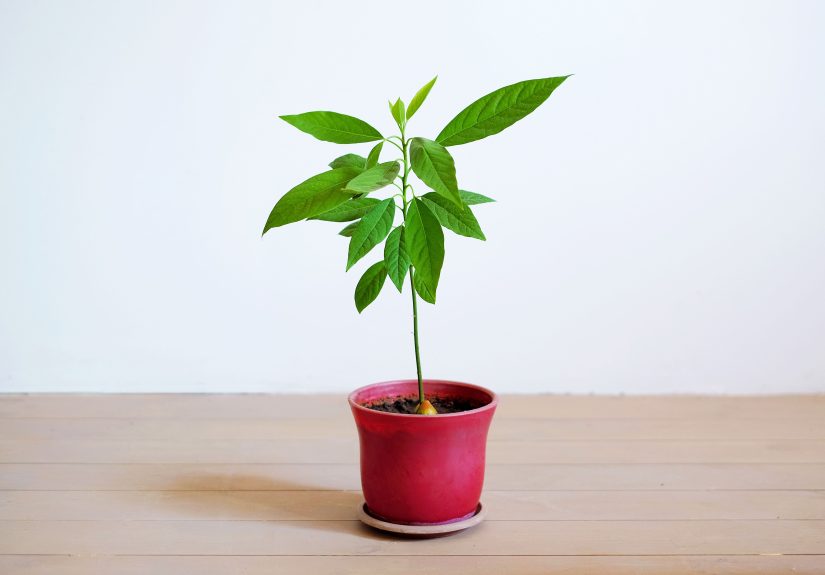
If you’ve ever stared at your avocado toast and thought, “I could be self-sufficient by now,” this guide is for you. Growing an avocado tree indoors is part science experiment, part décor upgrade, and part lesson in patience. While your indoor avocado may never replace your local grocery store, it can absolutely become a lush, tropical houseplantand with the right setup, you might even coax it into fruiting one day.
Let’s walk through nine must-know tips to help your indoor avocado tree actually thrive, not just survive.
Tip 1: Choose the Right Avocado Tree for Indoors
Technically, you can grow an avocado tree indoors from a pit or by buying a young tree from a nursery. But the two options behave very differently.
Seed-grown vs. nursery-grown trees
- Seed-grown trees (from a pit): Cheap, fun, and perfect for kids or beginners. However, they can grow tall and lanky, take 8–10+ years to fruit (if ever), and often don’t resemble the original avocado variety.
- Nursery-grown, grafted trees: These are usually dwarf or semi-dwarf varieties grafted onto rootstock that stays more compact. They’re more likely to fruit in a container, often within a few years if conditions are ideal.
If your main goal is a pretty houseplant, starting from a pit is totally fine. If your dream is homegrown guacamole someday, look for a dwarf grafted variety bred for containers and indoor environmentscultivars like “Day,” “Wurtz” (often sold as “Little Cado”), or similar compact types are great choices.
Tip 2: Start Your Avocado the Right Way
Starting from a pit
- Save the seed: Gently remove the seed from a ripe avocado and rinse off any flesh.
- Identify top and bottom: The slightly pointed end is the top; the broad, flat end is the bottom where roots will emerge.
- Toothpick method (classic science project style): Insert 3–4 toothpicks around the middle of the seed and balance it over a glass of water so the bottom half is submerged.
- Wait for roots and a sprout: Place the glass in bright, indirect light. Roots usually appear within 2–6 weeks, followed by a stem and leaves.
- Pot it up: Once the roots are a few inches long and the stem has several leaves, transfer the seed to a pot of well-draining soil, leaving the top half of the seed exposed.
Starting with a nursery tree
Buying a small avocado tree is simpler:
- Choose a healthy plant with bright green, unblemished leaves and no signs of pests.
- Make sure it’s labeled as a dwarf or container-friendly variety.
- Plan to repot it into a slightly larger container with fresh potting mix once you bring it home.
Either way, you now have a baby avocado tree. Time to set up its indoor “spa.”
Tip 3: Give Your Avocado Enough Light (This Is Non-Negotiable)
Avocado trees are sun worshippers. Indoors, light is the make-or-break factor.
How much light do avocados need?
- Ideally, 6–8 hours of bright, direct sunlight per day.
- A south-facing window is usually the best spot in the house.
- If your home is dim or you live in a northern climate, you’ll almost certainly need a grow light.
Look for a bright, full-spectrum LED grow light and position it roughly 6–12 inches above the top leaves. Run it 10–14 hours a day during the darker months. If the tree starts stretching, leaning dramatically toward the window, or producing small, pale leaves, that’s your avocado politely begging for more light.
Tip 4: Use the Right Pot and Soil
Avocados hate “wet feet,” so drainage is everything.
Best container for an indoor avocado
- Choose a pot with at least one drainage hole (more is even better).
- Start with a pot 10–12 inches in diameter for a small plant; mature indoor trees often end up in 15–25 gallon containers.
- Terracotta or fabric pots help prevent soggy soil by allowing excess moisture to evaporate.
Soil mix that keeps roots happy
Use a high-quality, well-draining potting mixnot heavy garden soil. You can create a good avocado mix by combining:
- 2 parts all-purpose potting mix
- 1 part perlite or coarse sand for extra drainage
- Optional: a bit of compost for gentle, slow-release nutrients
When you pot the tree, keep the root ball level with the soil surface and avoid burying the trunk. Gently firm the soil and water thoroughly, allowing excess water to run out.
Tip 5: Water Wisely to Avoid Root Rot
Indoor avocados like consistent moisturebut not mud. Overwatering is the most common way to accidentally “love” your plant to death.
Simple watering rules
- Check the soil before watering. Stick your finger about an inch deepif it feels dry, it’s time to water.
- When you water, do it thoroughly until water drains from the bottom of the pot.
- Never let the pot sit in standing water in a saucer or decorative cachepot.
- In brighter, warmer conditions you may water once or twice a week; in lower light or cooler seasons, you’ll water less often.
Signs of overwatering include yellowing leaves, drooping despite wet soil, and a sour or earthy smell from the pot. If that happens, let the soil dry out more between waterings and make sure your drainage is working.
Tip 6: Create the Right Temperature and Humidity
Avocados are tropical trees, so they like the same indoor conditions you do when you’re not fighting over the thermostat.
Ideal indoor climate
- Temperature: Aim for 60–85°F (15–29°C). Avoid cold drafts, especially below 50°F.
- Humidity: Avocados prefer humidity above 50%. Many homes, especially in winter, fall below that.
To increase humidity around your avocado tree, you can:
- Place the pot on a pebble tray filled with water (without letting the pot sit directly in the water).
- Use a small room humidifier nearby.
- Group houseplants together so they naturally raise the humidity.
- Mist the leaves lightly with room-temperature water (just don’t overdo it if your home already struggles with fungal issues).
If the air is too dry, you may see brown, crispy leaf tips. That’s the avocado’s way of saying, “Spa upgrade, please.”
Tip 7: Feed and Repot on a Schedule
Once your avocado tree is settled in its pot and growing, it will appreciate regular but gentle feeding.
Fertilizing your indoor avocado tree
- Use a balanced, water-soluble houseplant fertilizer or a citrus/avocado blend.
- Feed lightly every 4–8 weeks during spring and summer when growth is active.
- Reduce or pause feeding in fall and winter when growth slows.
Always follow the label directions, and when in doubt, use a slightly diluted solution. Avocado roots can be sensitive, and overfertilizing can cause leaf burn and salt buildup in the soil.
Repotting as your tree grows
Indoors, your avocado tree will eventually fill its pot with roots. Plan to:
- Check the roots every year or soif they’re circling the bottom or pushing out of drainage holes, it’s time to repot.
- Move up just one pot size at a time (for example, from a 10-inch pot to a 12- or 14-inch pot).
- Repot in spring, when the plant is gearing up for new growth.
Repotting too often or jumping to a huge container can leave the soil soggy for too long and increase the risk of root problems. Think steady upgrades, not instant mansion.
Tip 8: Prune, Stake, and Shape Your Tree
Left to its own devices, an avocado tree grown indoors can turn into a tall, slightly awkward teenager of a plant: all stem, not much branch. Pruning helps it grow into a compact, bushy tree that actually fits in your living room.
How to shape an indoor avocado
- When the stem is 8–12 inches tall, pinch out the top couple of leaves. This encourages side branching.
- Repeat this as the plant grows, pinching or pruning the tips to create a fuller shape.
- Use a stake to support the main stem if it’s thin or top-heavy.
- Rotate the pot a quarter turn every week so the tree grows straight rather than leaning toward the light.
You can also remove any weak, crossing, or damaged branches. Just avoid heavy pruning all at oncespreading it out over time is less stressful for the tree.
Tip 9: Be Realistic About Fruit (and How to Improve Your Odds)
Here’s the tough love: most indoor avocado trees are better treated as ornamental houseplants than guaranteed fruit producers. Indoor light, humidity, and space often aren’t quite enough for reliable harvests.
When can indoor avocados fruit?
- Seed-grown trees often take 8–10+ years to flower, and many never fruit indoors.
- Grafted dwarf trees can sometimes fruit in as little as 2–4 years with excellent conditions.
- Even then, fruiting indoors is still a bit of a “bonus round,” not a sure thing.
Ways to boost your fruiting chances
- Choose a dwarf grafted variety from a reputable nursery.
- Provide strong lightideally a combination of direct window sun and supplemental grow lights.
- Move the tree outdoors in warm weather if your climate allows (above about 40–45°F overnight), then bring it back in before temperatures drop.
- Keep the plant consistently healthy with good watering, feeding, and pruning practices.
Even if your tree never fruits, you’ll still have a gorgeous, tropical centerpiece that sparks conversation every time someone asks, “Wait, is that an avocado tree in your living room?”
Extra Care Tips for a Happy Indoor Avocado
- Pest checks: Look under leaves and along stems for spider mites, scale, or aphids. Treat early with insecticidal soap or neem oil if needed.
- Leaf cleaning: Dust can block light. Wipe leaves gently with a damp cloth to keep them shiny and efficient at photosynthesis.
- Seasonal adjustments: In winter, reduce watering slightly, bump up humidity, and rely more on grow lights as natural sunlight decreases.
Real-Life Indoor Avocado Experiences: What Actually Happens
So what is it really like to grow an avocado tree indoors, beyond the pretty photos on social media? Here’s a peek into the typical “avocado parent” experiencemessy, rewarding, and occasionally dramatic.
The thrill of the first root (and the long wait)
Starting from a pit is oddly emotional. For weeks, nothing seems to happen. Then one day, the seed cracks, a root dives into the water, and suddenly you’re way more invested in this plant than you expected. That first sprout feels like a tiny gardening victory. The trade-off? Patience. Some pits sprout quickly, others take their sweet time, and a few never sprout at all.
Many indoor gardeners find that starting two or three pits at once increases the oddsand lets them pick the strongest seedling to pot up. The others can be gifted or composted, depending on how sentimental you’re feeling.
Light struggles and “leggy avocado syndrome”
One of the most common experiences is watching your avocado stretch toward the window like it’s trying to escape. That’s a sign it’s not getting enough light. People often try moving the plant closer to the window, rotating it, or adding a grow lightand the difference can be dramatic. After a few weeks under a good grow light, new leaves come in larger, greener, and more compact, and the plant looks less like a wand and more like a tree.
If you’re in an apartment with only north-facing windows, nearly everyone who has succeeded indoors will tell you: a decent grow light is not optional; it’s the secret weapon.
Watering mistakes (almost everyone makes them once)
At some point, most indoor avocado growers either underwater or overwater. Maybe you go on vacation and come back to droopy leaves, or you love the plant so much you water it every other day and wonder why it’s turning yellow.
The sweet spot is learning your plant’s rhythm: how quickly the soil dries in your specific pot, light, and climate. Many people find that once they start checking the soil with their fingers instead of following a strict schedule, their avocado suddenly becomes a lot more predictableand a lot healthier.
The emotional roller coaster of browning leaf tips
Almost every indoor avocado grows brown tips at some point. It looks alarming, but it usually comes down to low humidity, minor salt buildup in the soil, or inconsistent watering. The good news: trimming off the brown edges and improving humidity often helps new leaves come in clean and fresh.
Some experienced growers simply accept that a few brown tips are normal indoors and focus on the overall health of the plant: new growth, strong stems, and generally green foliage.
Fruiting expectations vs. reality
Here’s where expectations diverge. Many people go in thinking, “I’ll have homegrown avocados in a couple of years.” Then they learn that seed-grown trees can take a decade to fruitor never fruit indoors at all. For some, that’s frustrating. For others, it’s oddly freeing. Once you mentally reclassify your avocado as a houseplant first and a possible fruit tree second, the whole project becomes more enjoyable.
Some determined growers invest in a grafted dwarf tree, strong grow lights, and seasonal outdoor time on a balcony or patio. A handful eventually see flowers and even small fruits. But almost everyone agrees: the joy of an indoor avocado tree is mostly in watching it grow, leaf out, and bring a bit of the tropics into your homenot just in counting future avocados.
The big takeaway from experience
People who successfully keep avocado trees indoors long-term tend to have a few habits in common: they commit to strong light, respect good drainage, water thoughtfully, and adjust expectations. They treat the tree as a living, changing roommate rather than a plug-and-play décor piece.
If you bring that mindsetand a little patienceto your own indoor avocado experiment, you’ll be way ahead of the game. And who knows? One day you might be the person proudly posting a photo of the first avocado hanging from your living room tree.
Conclusion: A Tropical Houseplant with Big Personality
Growing an avocado tree indoors is a mix of simple steps and subtle adjustments. Choose the right type of tree, provide strong light, use well-draining soil, water carefully, keep it warm and humid, and feed and prune it with a light touch. Do all of that, and you’ll end up with a striking, tropical houseplant that can live happily in your home for years.
Fruit is a wonderful bonus if it happens, but the real reward is the daily satisfaction of watching your avocado tree unfurl new leaves and turn a corner of your home into a mini indoor jungle. And honestly, that’s already a pretty impressive return on a leftover pit.