Table of Contents >> Show >> Hide
- What Makes Hardy Hibiscus Different?
- Why Grow Hardy Hibiscus From Seed?
- When to Start Hardy Hibiscus Seeds
- Do Hardy Hibiscus Seeds Need Scarification or Stratification?
- How to Sow Hardy Hibiscus Seeds Indoors
- Seedling Care After Germination
- How to Transplant Hardy Hibiscus Seedlings Outdoors
- First-Year Care for Strong Growth and Better Blooms
- Common Problems When Growing Hardy Hibiscus From Seed
- Can You Save Hardy Hibiscus Seed?
- Real-World Experiences Growing Hardy Hibiscus From Seed
- Conclusion
If you love giant flowers with a bit of garden swagger, hardy hibiscus deserves a spot on your seed-starting list. This plant is the cold-tolerant cousin of tropical hibiscus, and it brings massive, dinner-plate-style blooms without demanding a permanent vacation in Florida. Better yet, growing hardy hibiscus from seed is absolutely doable for home gardeners. It just helps to know one important truth up front: these seeds can be a little stubborn, and the plants themselves are late risers in spring. In other words, they are dramatic, but worth it.
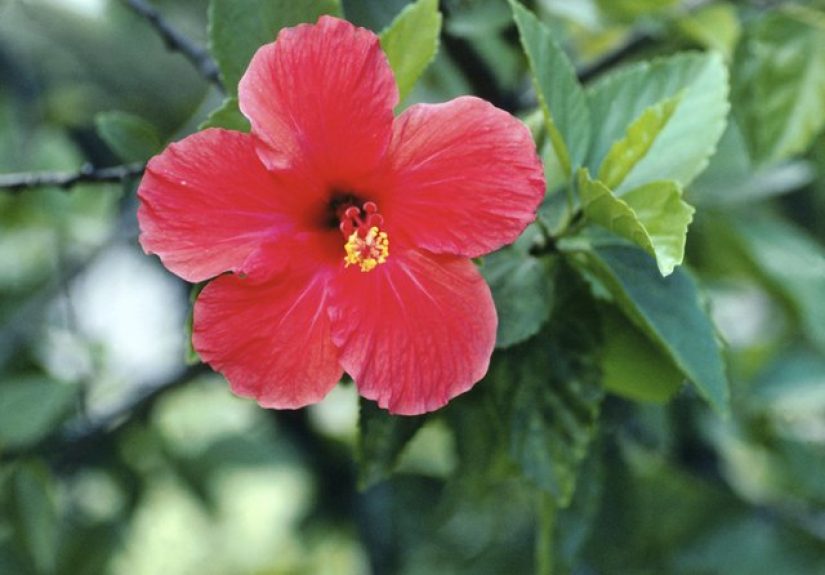
Hardy hibiscus, often sold as rose mallow or perennial hibiscus, is grown for oversized flowers, bold foliage, and serious summer color. Many types belong to or are bred from Hibiscus moscheutos, though other hardy species and hybrids are part of the mix. Unlike tropical hibiscus, hardy hibiscus dies back in winter and returns from the roots. That makes it a strong choice for gardeners who want a perennial statement plant with huge blooms and a surprisingly easy care routine once established.
This guide walks you through how to grow hardy hibiscus from seed, from prep work and germination to transplanting and first-year care. It also covers the common mistakes that turn eager seed starters into suspicious detectives staring at a seed tray and whispering, “Why are you like this?”
What Makes Hardy Hibiscus Different?
Before you sow a single seed, make sure you are working with hardy hibiscus and not tropical hibiscus. Hardy hibiscus is typically a cold-tolerant perennial grown outdoors in many parts of the United States. It blooms in summer through early fall, dies back when cold weather hits, and regrows from the base when temperatures warm up again.
The flowers are often enormous, sometimes reaching plate-sized proportions, and the plants can grow anywhere from compact patio-friendly forms to tall border giants. Most types prefer full sun, fertile soil, and consistent moisture. If your garden has a sunny spot that tends to stay evenly moist, hardy hibiscus will look at that location and say, “Yes, this pleases me.”
Why Grow Hardy Hibiscus From Seed?
Starting hardy hibiscus from seed is cheaper than buying mature plants, and it is genuinely fun if you enjoy watching a small seed become a giant flowering perennial. It is also a great way to grow more plants for larger beds, wildlife gardens, rain garden edges, or mixed perennial borders.
There is one catch, though: named hybrids may not come true from seed. That means the seedling you grow may not be identical to the parent plant if the seed came from a hybrid or a garden cultivar. Sometimes that is disappointing. Sometimes it is exciting. Sometimes it means you get a lovely surprise. Sometimes it means your plant decides to become the family eccentric. If you want an exact clone of a specific cultivar, vegetative propagation is the safer route. If you are open to variation, seed-grown hardy hibiscus can be a great adventure.
When to Start Hardy Hibiscus Seeds
The best time to start hardy hibiscus seeds indoors is usually six to twelve weeks before your last expected spring frost. This gives seedlings a head start and increases the chance of seeing flowers in the first growing season, especially if you begin early and provide enough light and warmth.
You can also direct sow hardy hibiscus outdoors after frost danger has passed and the soil has warmed. Direct sowing works, but indoor starting usually gives more reliable germination and stronger first-year plants. In colder regions, indoor sowing is the smart play. In milder climates, both methods can work well.
If you are collecting your own seed, wait until the seed pods turn brown and begin to dry before harvesting. Immature green pods are usually a no-go. Mature seed stores best in a cool, dark, dry place until planting time.
Do Hardy Hibiscus Seeds Need Scarification or Stratification?
This is where hardy hibiscus gets interesting. Many growers improve germination by scarifying the seeds, which simply means lightly scratching or thinning part of the hard outer seed coat so moisture can penetrate more easily. You can do this by rubbing one side of the seed gently with sandpaper or nicking it very lightly with a nail clipper or file. The goal is not to split the seed in half like a villain in a seed-themed action movie. You just want to weaken the coat a little.
After scarifying, soak the seeds in room-temperature or slightly warm water for about eight to twenty-four hours. This helps soften the seed coat and often speeds up germination.
Some native seed lots and some growers also use cold-moist stratification for about 30 to 60 days, especially if seeds are slow, older, or collected from plants with stronger dormancy traits. In practice, many gardeners have success with scarification plus soaking alone, while others get better results by adding a cold period. The practical answer is simple: if you want the easiest first attempt, scarify and soak. If germination has been poor in the past, add a cold-moist treatment before sowing.
How to Sow Hardy Hibiscus Seeds Indoors
1. Choose the right container and mix
Use clean seed trays, cell packs, or small pots with drainage holes. Fill them with a light, well-draining seed-starting mix rather than heavy garden soil. Hardy hibiscus likes moisture, but seed trays should never become swamps. Moist is good. Mud soup is not.
2. Plant at the proper depth
Sow each seed about 1/4 to 1/2 inch deep. Cover lightly with the seed-starting mix and press gently so the seed makes good contact with the medium.
3. Water carefully
Moisten the mix thoroughly, then let excess water drain away. After sowing, keep the medium evenly moist but not saturated. A humidity dome can help at first, but remove or vent it as soon as seedlings emerge so they do not sit in stale, overly damp air.
4. Keep seeds warm
Hardy hibiscus seeds germinate best when kept warm. A soil temperature in the 70s Fahrenheit is usually ideal, so a heat mat can be very helpful. Depending on seed quality, pretreatment, and temperature, germination may happen in a matter of days or take a few weeks. Seed starting is part science, part patience, and part resisting the urge to poke the soil every three hours.
5. Provide strong light immediately
As soon as seedlings emerge, give them bright light for 14 to 16 hours a day under grow lights or in a very bright window. Strong light prevents leggy, weak growth. If your seedlings look like they are auditioning to be spaghetti, they need more light.
Seedling Care After Germination
Once the seedlings have their first set of true leaves, thin them so each cell or pot contains one strong plant. At this stage, you can begin feeding with a diluted balanced fertilizer, usually at quarter-strength to half-strength, every couple of weeks.
Keep the seedlings moist, but let the surface dry slightly between waterings. Good air circulation matters, especially if you are growing under lights. Crowded, soggy seedlings are more likely to develop disease problems, and that is not the kind of excitement you want from your gardening hobby.
If roots begin circling the pot or seedlings start growing quickly, move them into larger containers before transplant time. Hardy hibiscus can gain momentum fast once it decides life is worth participating in.
How to Transplant Hardy Hibiscus Seedlings Outdoors
Harden off seedlings for about seven to ten days before planting them outside. This means gradually exposing them to outdoor sun, wind, and temperature shifts instead of shoving them into the yard and wishing them luck.
Choose a site with full sun and rich soil. Hardy hibiscus can tolerate average soil, but it performs best in soil improved with compost or other organic matter. Many types appreciate consistent moisture and can even handle wetter ground better than many traditional perennials. If your soil dries out fast, mulch will be your best friend.
Space plants according to their mature size, which is often around 3 to 4 feet apart for larger varieties. Compact seed strains can go somewhat closer. Plant them at the same depth they were growing in their containers, water deeply after planting, and mulch around the base to help conserve moisture and moderate soil temperature.
First-Year Care for Strong Growth and Better Blooms
Watering
The number one rule for growing hardy hibiscus is simple: do not let it dry out badly. Established plants are tougher than seedlings, but they still prefer evenly moist soil. During hot weather, deep watering helps keep leaves from scorching and supports bigger, better blooms.
Feeding
Hardy hibiscus is not shy about using nutrients. A balanced fertilizer in spring and again during the growing season can support strong growth. Avoid going overboard with nitrogen, though, because too much can push leafy growth at the expense of flowers.
Pinching and shaping
If you want a bushier plant, pinch the growing tip when the seedling is established and actively growing. This can encourage branching and help create a fuller form. Not every gardener does this, but it is useful if you want less height and more structure.
Be patient in spring
This is the part that confuses people every year. Hardy hibiscus is notoriously late to emerge in spring. Really late. Suspiciously late. “Did I accidentally compost it?” late. Do not dig it up too quickly. Once the soil warms, it usually comes roaring back and grows fast.
Common Problems When Growing Hardy Hibiscus From Seed
Poor germination
If seeds do not sprout, the most common reasons are a seed coat that stayed too hard, cool soil, or inconsistent moisture. Scarification, soaking, and warm temperatures usually improve results. Older seed may also germinate more slowly or unevenly.
Leggy seedlings
This is almost always a light issue. Move the grow light closer, increase light intensity, or give seedlings more direct light time. Strong seedlings should look sturdy, not like they are leaning dramatically into a tiny spotlight.
Leaf scorch or wilting
Dry soil is a common cause. Hardy hibiscus likes moisture, especially during heat. Water deeply and mulch the root zone to reduce stress.
Chewed leaves and pests
Aphids, whiteflies, Japanese beetles, sawfly larvae, and other garden pests may show up. Often the simplest first response is hand removal, a strong spray of water, or improving plant health and airflow. Healthy plants cope better than stressed ones.
Not enough flowers
Too much shade, too much nitrogen, or not enough time can all reduce blooming. Plants grown from seed may bloom in the first year if started early, but some need more time to reach their full show-off potential.
Can You Save Hardy Hibiscus Seed?
Absolutely. Let seed pods dry on the plant until they turn brown and begin to split, then collect the seeds before they scatter. Store them in a labeled envelope or airtight container in a cool, dry place. Refrigeration can help keep seed viable for future sowing.
Just remember that seeds from hybrids or named cultivars may produce offspring that vary in flower color, plant height, or foliage. If you like surprises, save away. If you want a perfect repeat of a favorite cultivar, buy fresh seed from a reliable source or propagate vegetatively when appropriate.
Real-World Experiences Growing Hardy Hibiscus From Seed
Gardeners who grow hardy hibiscus from seed often describe the process the same way: it starts as a small indoor project and ends with a giant plant that looks like it should have a dramatic soundtrack. The first surprise is usually how hard the seeds feel. They do not seem especially eager. After scarifying and soaking, though, many gardeners notice much better germination, and that first little sprout feels oddly triumphant, as if you just won a polite but important argument with nature.
Another common experience is learning that hardy hibiscus seedlings do not always look impressive right away. Early growth can be modest, and first-time growers sometimes wonder if the plant will ever become the lush summer monster pictured on the seed packet. Then warm weather arrives, roots settle in, and suddenly the plant starts moving. What looked like a cautious seedling in late spring can become a broad, leafy, bloom-producing machine by midsummer.
Many growers also talk about the moisture lesson. Hardy hibiscus is not the plant for a forgetful watering routine, especially in hot spells or sandy soil. Gardeners who keep the soil evenly moist usually get better foliage, fewer crispy leaf edges, and bigger blooms. Gardeners who let the soil swing wildly from bone dry to soaked often get a plant that survives but does not exactly send a thank-you card.
One of the most memorable moments comes with the first flower. Because the blooms are so large, even one open flower can make a young plant feel established. People often expect the flowers to last for days, but each individual bloom is short-lived. That sounds disappointing until you realize the plant keeps producing more. Hardy hibiscus operates like a summer theater company: one star exits, another steps into the spotlight, and the show keeps going.
Growers who save seed from their own plants also notice variation. Seedlings from hybrid parents may differ in color intensity, flower size, leaf shape, or overall height. Some gardeners love this because it feels like breeding without needing a lab coat. Others learn the hard way that a saved seedling may not look exactly like the plant they adored last year. Both reactions are fair, and both are part of the hardy hibiscus experience.
There is also the annual spring panic. Experienced gardeners warn newcomers that hardy hibiscus emerges very late, but nearly everyone ignores this advice at least once and assumes the plant is gone for good. Then, just when hope fades and the shovel starts looking persuasive, new shoots appear. It is one of the classic hardy hibiscus rites of passage.
In the end, the gardeners who stick with hardy hibiscus from seed usually say the same thing: it rewards patience. It is not the fastest seed-starting project, and it is not the neatest, most restrained perennial in the border. But when a seed-grown plant opens those giant flowers in the heat of summer, it earns every bit of space it takes up and then some.
Conclusion
If you want a bold perennial with oversized flowers and real garden presence, growing hardy hibiscus from seed is a smart and satisfying project. Start early, give the seeds a little prep, keep them warm, and provide consistent moisture from seedling stage onward. The biggest secrets are simple: do not rush the germination process, do not let young plants dry out, and do not assume the plant is dead just because it sleeps in late each spring.
Hardy hibiscus may ask for patience in the beginning, but once it settles in, it delivers the kind of summer color that makes nearby plants look like they are not really trying. And honestly, that is part of the charm.