Table of Contents >> Show >> Hide
- Why Winding Stairs Need a Smarter Stair Runner Plan
- Tools and Materials You Will Need
- Step 1: Inspect and Prepare the Stairs
- Step 2: Decide the Runner Width and Reveal
- Step 3: Mark the Centerline on Straight Stairs
- Step 4: Create Templates for the Winding Stairs
- Step 5: Cut and Install Carpet Padding
- Step 6: Choose Waterfall or Cap-and-Band Style
- Step 7: Start the Installation on a Straight Section
- Step 8: Install the Runner on Each Winder
- Step 9: Join Pieces Cleanly
- Step 10: Finish the Edges and Add Optional Stair Rods
- Common Mistakes to Avoid
- Maintenance Tips After Installation
- Real-World Experience: What Installing a Runner on Winding Stairs Actually Feels Like
- Conclusion
Note: Installing a stair runner on winding stairs is a doable DIY project for careful homeowners, but it is less forgiving than installing one on a straight staircase. If your stairs are uneven, damaged, very narrow, or used by children, older adults, or pets every day, consider hiring a professional installer for the winding section.
Why Winding Stairs Need a Smarter Stair Runner Plan
A stair runner can make a staircase quieter, safer, warmer, and much better looking. It protects wood treads from daily traffic, gives feet more traction, and adds a polished design detail without fully covering the stairs. On a straight staircase, the job is fairly predictable: measure, mark the center, install padding, secure the runner, and keep everything tight. On winding stairs, however, the staircase likes to play little geometry games with your patience.
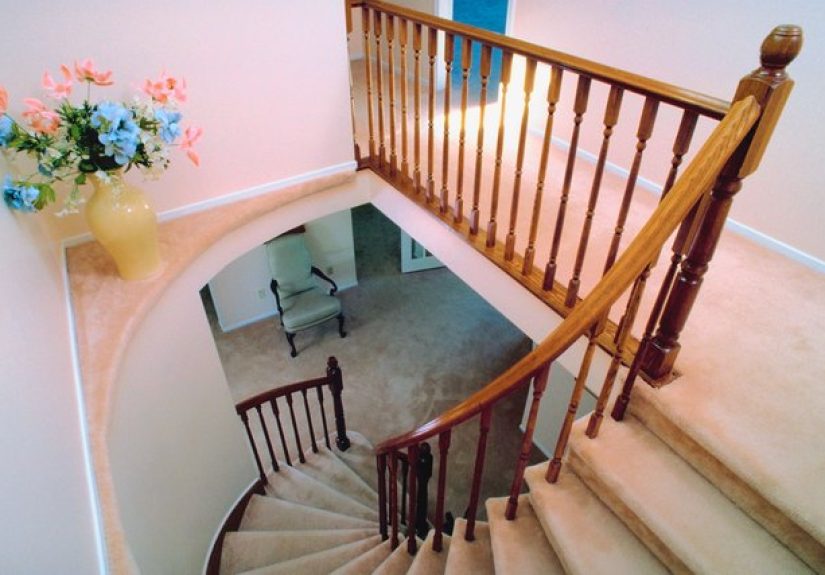
Winding stairs, also called winder stairs, turn a corner using wedge-shaped steps instead of a flat landing. Each tread may be wider on one side and narrower on the other. That means a stair runner cannot simply march upward in a straight line and hope for applause. The fabric must follow the walking path, stay visually centered, remain securely fastened, and avoid bunching at the narrow inside turn.
The secret is preparation. You need accurate measurements, a clear centerline, individual templates for the winders, the right padding, and a patient installation method. Rush this project and the runner may twist, ripple, or wander off like it has weekend plans. Take your time and the result can look custom, intentional, and wonderfully expensive.
Tools and Materials You Will Need
Before you start, gather everything in one place. Running up and down bare stairs looking for a missing staple pack is not the glamorous DIY cardio anyone requested.
Basic tools
- Tape measure
- Pencil or painter’s tape
- Carpenter’s square or straightedge
- Utility knife with sharp blades
- Heavy-duty stapler or electric staple gun
- 9/16-inch staples or manufacturer-recommended staples
- Carpet stair tool or bolster chisel
- Knee kicker
- Hammer
- Scissors for trimming padding
- Cardboard, kraft paper, or rosin paper for templates
Materials
- Stair runner carpet
- Carpet padding or felt underlayment
- Tackless strips, if using a traditional installation
- Double-sided carpet tape
- Latex carpet seam sealer or carpet glue
- Seaming tape, if joining pieces
- Optional stair rods for decoration
Choose a runner that is durable, cleanable, and not too thick. Very plush carpet can be harder to bend around stair nosing and may blur the edge of each step. Flatweave, wool blends, nylon, and low-profile patterned runners are common choices because they handle traffic well and create a neat finish.
Step 1: Inspect and Prepare the Stairs
Start with a clean, solid staircase. Remove old carpet, staples, nails, adhesive residue, and dust. Check every tread and riser for squeaks, cracks, loose boards, or proud nail heads. A runner should never be used to hide a structural issue. It is a floor covering, not a tiny superhero cape for damaged stairs.
Vacuum thoroughly, then wipe the stairs with a damp cloth if needed. Let the wood dry completely before installing padding or tape. If you plan to paint or refinish the exposed stair edges, do that before the runner goes down. Once the carpet is installed, painting next to it becomes a high-stakes game of “please don’t drip.”
Step 2: Decide the Runner Width and Reveal
The “reveal” is the amount of exposed stair surface visible on each side of the runner. Many stair runners leave about 2 to 4 inches of wood showing on both sides, but the right amount depends on your stair width, runner width, and design preference.
For winding stairs, do not rely only on the full width of the widest tread. Instead, think about the actual walking path. Most people do not step on the narrowest inner point of a winder. They walk closer to the middle or slightly toward the outside curve. Your runner should support that natural path while still looking balanced from below.
Measure the straight steps first. Then measure each winding tread separately at the front edge, back edge, narrow side, wide side, and along the intended centerline. Write everything down. Label each stair: Step 1, Step 2, Winder 1, Winder 2, and so on. Future you will be grateful. Future you may even forgive present you for buying only one pencil.
Step 3: Mark the Centerline on Straight Stairs
On the straight section, find the center of each tread. Measure the tread width, divide by two, and mark the center with pencil or painter’s tape. Then measure half the runner width on each side of that center point and mark the runner edges.
Repeat on several treads, then use a straightedge or chalk line to confirm that the marks line up. This gives you a visual guide so the runner does not slowly drift sideways as you install it. Even a small shift can become obvious after several steps.
Step 4: Create Templates for the Winding Stairs
The winding section is where templates become your best friend. Lay kraft paper or cardboard on each winder tread and trim it to match the shape of the step. Mark the front edge, back edge, nosing, inside turn, outside turn, and center walking line. Also mark which side faces up.
For many winding staircases, the runner is installed in separate shaped pieces on each winder rather than forced as one continuous strip. This allows the pattern to turn cleanly, reduces bunching, and gives you more control. If your runner has stripes, borders, or a geometric pattern, dry-fitting is essential. A crooked stripe on a stair winder can stare at you forever. It may not say anything, but you will know.
Place each template on the runner and check how the pattern will look from the bottom of the stairs. The goal is not always perfect mathematical centering on every wedge-shaped step. The goal is a visually smooth path that feels safe underfoot and intentional to the eye.
Step 5: Cut and Install Carpet Padding
Carpet padding makes the runner feel better, helps reduce noise, and protects the carpet from wearing too quickly against the stair edges. Cut padding slightly narrower than the runner so the runner edges can be stapled neatly without bulky padding underneath.
On straight stairs, cut each pad to cover the tread and wrap slightly over the nosing if your installation method calls for it. Keep padding away from the visible side edges. Staple the padding securely, starting near the center and working outward. Make sure there are no wrinkles, humps, or loose spots.
On winding stairs, cut padding from your templates. Keep the padding smaller than the runner piece so it does not peek out at the edges. Padding on winders should lie flat and tight. If it bunches at the inside corner, trim it until it behaves. Padding is helpful; padding with opinions is not.
Step 6: Choose Waterfall or Cap-and-Band Style
Two common stair-runner styles are waterfall and cap-and-band, also known as Hollywood style. In a waterfall installation, the runner flows from the tread over the nosing and down to the next tread in a smooth drop. This style is simpler and often works well with thicker runners.
In a cap-and-band installation, the runner wraps tightly around the nosing and is tucked into the crease where the tread meets the riser. This creates a crisp, tailored look. It also requires more stretching, tucking, and accuracy.
For winding stairs, many installers combine methods. A straight section may use waterfall or cap-and-band, while winders may be individually cut, tucked, and seamed for a custom turn. The best method depends on the staircase shape, runner thickness, and pattern.
Step 7: Start the Installation on a Straight Section
Many DIY installers start at the bottom and work upward, while others prefer starting at the top. The key is consistency and tension. For winding stairs, it is often easier to install a straight run first, stop before the turn, handle the winders carefully, and then continue the next straight section.
Align the runner with your edge marks. Secure the starting edge at the bottom of the first riser or under the top nosing, depending on your chosen direction. Staple from the center outward, spacing staples evenly and placing them where they will be hidden by the nosing, the pile, or the stair crease.
Pull the runner tight over the tread. Use the stair tool to press it firmly into the joint between tread and riser. Use the knee kicker to stretch the carpet onto tackless strips if your method includes them. Staple securely under the nosing and at the crease. The runner should feel snug, not stretched so fiercely that the pattern looks startled.
Step 8: Install the Runner on Each Winder
Now comes the turn. Dry-fit the first winder piece using your template. Check that the runner edge follows the intended line and that the visible pattern works with the previous step. If using a bordered runner, decide whether the border should bend naturally with the stairs or be mitered for a framed look.
Cut the winder piece slightly larger than the template at first. You can always trim more, but adding carpet back is unfortunately not one of the standard laws of physics. Apply seam sealer to any cut edges to reduce fraying. Let it dry according to the product instructions.
Position the winder piece and temporarily hold it with a few staples or strips of carpet tape. Step back and look from the bottom, top, and side. This is especially important with patterned runners. When you are satisfied, secure the piece permanently. Staple in hidden areas, tuck the carpet into the crease, and keep the walking surface smooth.
Repeat for each winder. Work one step at a time. Do not cut all winder pieces at once unless you are absolutely certain the templates are correct. Winding stairs are famous for looking similar while quietly being different sizes.
Step 9: Join Pieces Cleanly
If your runner must be joined between sections, place seams where they are least visible and least likely to receive heavy toe pressure. Good seam locations often include the base of a riser or a tucked crease rather than the middle of a tread.
Use carpet seam tape or another method recommended for your runner type. Align patterns carefully before fastening. For striped or bordered runners, even a small mismatch can be noticeable. Seal cut edges and press seams flat so they do not become trip hazards.
Step 10: Finish the Edges and Add Optional Stair Rods
Once the runner is installed, inspect every tread. Look for loose edges, raised seams, ripples, exposed staples, or places where the runner shifts under pressure. Walk the stairs slowly in socks and shoes. If anything moves, fix it immediately.
Trim stray fibers and apply seam sealer where needed. Stair rods can be added for a decorative, traditional look, but they should not be relied on as the main fastening system. The runner itself must already be securely installed.
Common Mistakes to Avoid
Measuring only one stair
On winding stairs, every step can be different. Measuring one and assuming the rest match is how DIY projects become dramatic short films.
Skipping templates
Templates are not extra credit. They are the difference between a neat turn and a carpet puzzle with expensive consequences.
Using padding that is too thick
Thick padding may feel luxurious on a bedroom floor, but on stairs it can make edges rounded and less defined. Choose a firm, appropriate pad that supports the runner without creating bulk.
Ignoring pattern direction
Borders, stripes, diamonds, and herringbone patterns need planning. Always dry-fit patterned runners before cutting or stapling.
Leaving loose edges
A stair runner must be tight and secure. Loose carpet, curled edges, or lifted seams can create trip hazards, especially on turns.
Maintenance Tips After Installation
Vacuum the runner regularly, especially on the walking path and the winders where feet naturally pivot. Use a vacuum setting that suits the carpet construction. Loop pile rugs often do better with suction-only cleaning to avoid pulls.
Clean spills quickly, but avoid soaking the runner. Too much moisture can affect adhesive, padding, and wood underneath. Rotate attention to the stair nosing, where wear usually appears first. If you notice a staple working loose, a seam lifting, or a ripple forming, repair it early. Small fixes are far easier than reinstalling a whole section while muttering at your past self.
Real-World Experience: What Installing a Runner on Winding Stairs Actually Feels Like
The first thing many homeowners learn during this project is that winding stairs are not “just stairs with a turn.” They are a collection of oddly shaped little platforms pretending to be a staircase. From a distance, everything looks symmetrical. Up close, one winder may have a generous outside edge, the next may narrow faster, and the third may sit at a slightly different angle. This is why the most useful experience-based advice is simple: stop trusting your eyes and start trusting your templates.
One common real-life scenario is installing a bordered runner on three winders in the middle of a staircase. On the straight stairs, the border looks perfect. Then the runner reaches the turn and suddenly the border wants to drift toward the wall. The fix is not to yank the carpet sideways. That usually creates ripples. Instead, use individual winder pieces, align the border along the most visible walking path, and accept that the inside corner may need a small taper or hidden seam. The finished result will look much better from normal viewing angles.
Another lesson: dry-fitting takes longer than stapling, and that is a good thing. On a straight stair, you can often correct small alignment issues on the next step. On winders, one mistake can throw off the entire turn. Experienced installers often place the piece, tape it lightly, walk away, come back, and look again. If the runner still looks right after a second look, it is probably ready to fasten.
Staple placement also matters more than beginners expect. Random staples along visible edges can make a beautiful runner look homemade in the least charming way. Hide staples under the nosing, deep in the crease, or along edges where the carpet pile disguises them. Use enough fasteners to keep the runner secure, but do not pepper the carpet like it insulted your family.
Pattern choice can make the job easier or harder. A solid or small-scale pattern is forgiving. A bold stripe or strong border can look stunning, but it demands careful planning. If this is your first stair-runner project and your stairs wind sharply, choose a pattern that gives you a little grace.
Finally, the best installations happen when safety and style are treated as partners. The runner should look elegant, yes, but it also needs to stay tight, flat, and comfortable underfoot. The prettiest runner in the world is not a success if it shifts when someone turns the corner with a laundry basket. Aim for a smooth walking path, secure edges, and a pattern that flows naturally. When those three things come together, winding stairs go from awkward architectural challenge to one of the most charming features in the house.
Conclusion
Learning how to install a stair runner on winding stairs requires patience, precision, and a healthy respect for odd angles. The most important steps are measuring each stair individually, creating templates for the winders, choosing the right padding, dry-fitting every piece, and securing the runner so it stays tight and flat. Straight stairs reward consistency, but winding stairs reward planning.
If you want a clean DIY result, do not rush the turn. Treat each winder as its own custom step. Check the pattern from several viewpoints, seal cut edges, hide staples carefully, and fix small issues before they become daily annoyances. With the right approach, a stair runner can make winding stairs safer, quieter, and far more beautiful. It is part flooring project, part geometry quiz, and part design upgrade. Thankfully, unlike high school geometry, this one ends with a staircase that looks fantastic.