Table of Contents >> Show >> Hide
- Meet the Culprit: What Sawfly Larvae Are (and Why They Love Roses)
- Timing Is Everything: When Sawfly Larvae Show Up
- The 10-Minute Weekly Routine That Prevents Most Damage
- Start With Non-Chemical Controls (Fast, Cheap, and Weirdly Satisfying)
- Sprays That Work (and How to Use Them Without Nuking Your Garden Ecosystem)
- What Not to Waste Money (or Hope) On
- Prevention That Actually Helps (No Magical Thinking Required)
- Troubleshooting: When the Problem Won’t Quit
- A Practical 3-Level Game Plan (Pick Your Intensity)
- Real-World Experiences: What Rose Growers Learn the Hard Way (So You Don’t Have To)
- Conclusion: Keep Roses, Lose the Rose Slugs
One day your rose bush is serving “romantic cottage garden.” The next day the leaves look like they got
interviewed by a paper shredder. If you’re seeing see-through “windowpanes,” lacy skeletonized foliage,
or neat little holes that multiply overnight, you’re probably dealing with sawfly larvaeoften
nicknamed rose slugs (even though they’re neither slugs nor your roses’ friends).
The good news: sawfly larvae are very beatable. The better news: you can usually win without turning your
backyard into a chemistry final exam. This guide walks you through identification, timing, hands-on controls,
bee-smart sprays that actually work, and a simple routine that keeps your roses looking like roses again.
Meet the Culprit: What Sawfly Larvae Are (and Why They Love Roses)
Sawflies are relatives of wasps (they’re in the same broad insect order), and the adults are small and easy
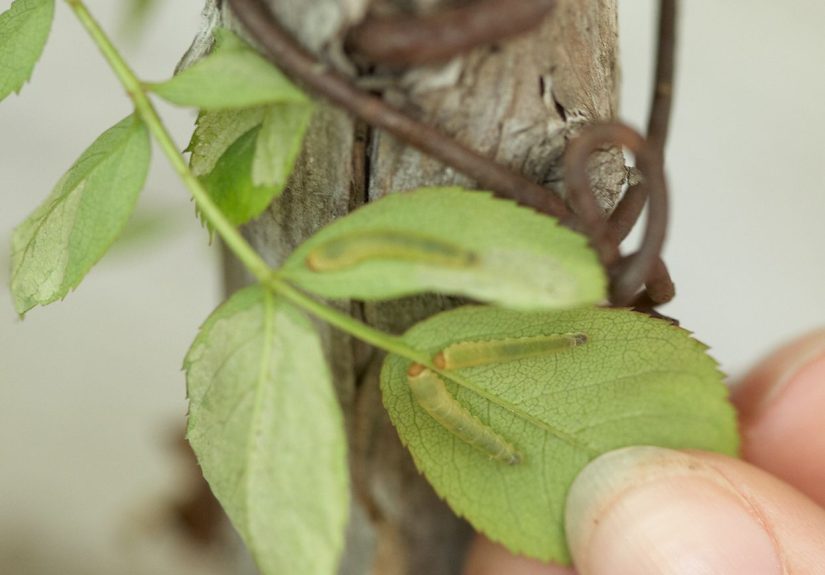
to miss. The real drama is their larvae: soft-bodied, greenish to yellow-green, and shaped enough like caterpillars
to cause confusion. Their favorite activity is leaf tissue removal, leaving behind veins or thin
translucent patches that quickly brown out.
Quick ID Checklist (So You Don’t Treat the Wrong Bug)
- Where they hang out: Often on the undersides of leaves, especially where damage is starting.
- What damage looks like: “Windowpane” feeding (thin, papery patches) or skeletonized leaves with veins left behind.
- What they look like: Small, smooth “sluggy” larvae early; some species look bristly later.
- Big clue: They are not caterpillarsso some caterpillar-specific products won’t work (more on that soon).
Common “Rose Slug” Players
Gardeners use “rose slug” as an umbrella term. In reality, several sawfly species can do the deed, including
smooth larvae and bristly varieties that can keep showing up later in the season. You don’t need to memorize
Latin names to control thembut knowing that multiple waves can occur helps you stay one step ahead.
Timing Is Everything: When Sawfly Larvae Show Up
In many parts of the U.S., rose sawfly larvae begin feeding in late spring and may continue in
cycles into summer (and even into fall in some regions). Translation: the first hit often happens when you’re
feeling smug about how great your roses look. That’s normal. That’s also when you strike back.
The Life Cycle in Plain English
- Adults emerge and lay eggs in or on rose leaves.
- Larvae hatch and feed on foliage for a short stretch (the “my leaves are lace now” phase).
- They drop to the soil to pupate, then a new generation can appear later depending on species and climate.
Your main advantage is that the larvae are exposed on the plant while feeding. Catch them early and you can
prevent that “sudden salad-bar disaster” look.
The 10-Minute Weekly Routine That Prevents Most Damage
Sawfly control is less about heroics and more about consistency. Here’s a low-effort routine that works because it
matches how the pest behaves.
Once a Week (Twice During Late Spring Surges)
- Flip leaves over and inspect the undersides, especially on lower and inner foliage.
- Look for fresh “windowpane” spotsthat’s your early warning system.
- Act immediately if you find larvae (handpick or hose-blast first).
- Recheck in 2–3 days after any treatment. Eggs hatch in batches; you’re aiming to break the cycle.
If you only do one thing from this article, do this routine. It’s the gardening equivalent of checking your bank
accountslightly annoying, wildly effective.
Start With Non-Chemical Controls (Fast, Cheap, and Weirdly Satisfying)
1) Handpick + Soapy Water: The Classic “Nope Bucket”
For small infestations, hand removal is hard to beat. Put on gloves, pinch or flick larvae into a cup of
water with a squirt of dish soap, and call it a day. It’s targeted, it avoids collateral damage to beneficial insects,
and it costs approximately one cup of determination.
Pro tip: Check early morning or early evening when pests are more likely to be present and you’re less likely to roast in the sun.
2) Blast Them Off With Water (Yes, Really)
A strong stream from a hose aimed at the undersides of leaves can dislodge larvae quickly. Because they’re soft-bodied,
many won’t survive the fall, and those that do often don’t find their way back. This method is especially handy if your
rose bush is big enough to make handpicking feel like a part-time job.
How to do it: Use a firm spray, work from the bottom up, and hit both sides of leaves. Repeat every few days during active feeding.
3) Prune and Dispose of Heavily Damaged Leaves
If leaves are already browned, crisp, or mostly skeleton, they’re not doing your rose any favors. Clip them off and dispose of them
(don’t baby them like a houseplant you’re trying to “rehab”). You’re reducing hiding spots and helping the plant redirect energy
to healthy growth.
4) Lightly Disturb the Soil (Optional, But Helpful)
Since larvae can pupate in the soil, gentle cultivation or scratching the surface around the base (without damaging roots) may expose
cocoons to predators and the elements. Think “light fluff,” not “archaeological dig.”
Sprays That Work (and How to Use Them Without Nuking Your Garden Ecosystem)
If you’re seeing repeated infestations, widespread damage, or you just lost the will to play leaf detective, sprays can help.
The key is choosing options that are effective on sawfly larvae and applying them correctly.
Insecticidal Soap: Best for Small, Young Larvae
Insecticidal soap works by direct contact and is most effective when larvae are small. Coverage matters: you must hit the pest.
Spray the undersides of leaves thoroughly.
- When it shines: Early infestations; tender larvae; gardeners who want a lower-impact option.
- When it struggles: Larger, more mature larvae or when you miss coverage.
- Weather note: Avoid spraying in hot sun to reduce plant stress.
Horticultural Oil or Neem Oil: Good Coverage, Good Timing
Horticultural oils and neem-based products can help control larvae when applied thoroughly. As with soap, they work best when larvae
are young and actively feeding.
- Best practice: Spray in the cooler part of the day and cover both sides of leaves.
- Patience required: These aren’t instant “drop dead” products; you’re interrupting feeding and survival.
- Don’t overdo it: Repeated heavy oil applications can stress plants if conditions are hot or dry.
Spinosad: Effective, But Be Smart About Pollinators
Spinosad can be effective against sawfly larvae, but it can also harm bees for a period after application. If you choose it, use it
carefully:
- Do not spray open blooms or plants actively visited by bees.
- Apply in the evening when pollinators are less active.
- Target foliage, especially leaf undersides where larvae feed.
Spinosad is often a “step up” option when soaps/oils aren’t keeping pace. It’s not a license to spray casuallythink of it as
the bouncer, not the party host.
Conventional Insecticides: The Last Resort Lane
Some broader insecticides labeled for roses (including certain pyrethroid-type products and other actives) can control sawfly larvae,
but they may also disrupt beneficial insects that help with aphids, mites, and other rose headaches. If you go this route:
- Read the label and confirm it lists sawflies/roseslugs or is labeled for the pest on roses.
- Spot-treat where possible instead of blanket-spraying the whole yard.
- Avoid spraying flowers and apply at low-bee-activity times.
- Recheck in a few days; you may need a follow-up depending on life stage and hatch timing.
What Not to Waste Money (or Hope) On
Bt (Bacillus thuringiensis kurstaki): Great for Caterpillars, Not for Sawflies
This is the most common mistake because sawfly larvae look caterpillar-ish. But Bt kurstaki targets specific caterpillar biology,
and sawflies are different. If Bt didn’t touch your “green worms,” that’s not your faultyour pest simply isn’t in Bt’s target audience.
“One-and-Done” Sprays Without Monitoring
Sawflies can appear in waves. If you spray once and never check again, you may miss the next hatch and assume the product “failed.”
In reality, you won the first round and skipped the rest of the match.
Prevention That Actually Helps (No Magical Thinking Required)
Keep Roses Healthy (Because Stressed Plants Complain Loudest)
Sawfly larvae rarely kill established roses outright, but heavy defoliation can weaken plants and make them more vulnerable to other
problems. Basic rose care makes any pest season easier:
- Water deeply at the base when dry, instead of frequent shallow sprinkles.
- Mulch to stabilize soil moisture (but keep mulch off the crown).
- Prune for airflow so leaves dry faster and the plant stays vigorous.
- Don’t over-fertilize into a soft, lush buffet if pests are already active.
Support Natural Enemies
Many gardens have predators and parasitoids that keep sawflies from becoming permanent residents. You help them by avoiding unnecessary
broad-spectrum spraying and by keeping a diverse landscape (a few flowering herbs and native plants go a long wayjust don’t spray them
like they owe you money).
Catch Them Early: The Real “Prevention”
The most reliable prevention is early detection. Check leaves in late spring, especially after you notice the first bit of windowpane feeding.
Early larvae are easier to knock off, soap, or oil.
Troubleshooting: When the Problem Won’t Quit
“I Don’t See Larvae, But Leaves Keep Getting Wrecked.”
Look againspecifically under the leaves and on inner foliage. Sawfly larvae can be small and blend in. Also check for other rose pests:
Japanese beetles chew more ragged holes; leafcutter bees make neat half-moon cuts along edges; and fungal issues can mimic “damage”
in their own dramatic way.
“I Sprayed Soap/Neem and Nothing Happened.”
Two common reasons: (1) the larvae were already larger and tougher, or (2) coverage missed the underside where they feed.
Try the hose-blast first, then reapply with better coverage. If the infestation is heavy and persistent, consider stepping up to a
more effective labeled productused carefully and at the right time of day.
“My Rose Is BloomingCan I Treat Without Harming Bees?”
Yes, but you need to be strategic. Prefer physical removal and water sprays during bloom. If you use any product, avoid spraying open
flowers and apply when bees are not active. Target foliage, not blossoms.
A Practical 3-Level Game Plan (Pick Your Intensity)
Level 1: Light Infestation (A Few Leaves, A Few Larvae)
- Handpick into soapy water or hose-blast.
- Remove badly damaged leaves.
- Recheck in 2–3 days.
Level 2: Moderate Infestation (Multiple Branches, Visible Skeletonizing)
- Hose-blast thoroughly (undersides).
- Follow with insecticidal soap or horticultural/neem oil with full coverage.
- Repeat per label guidance and monitor weekly.
Level 3: Heavy, Repeating Infestation (“Why Do I Even Grow Roses?”)
- Start with physical removal (it reduces numbers fast).
- Use a proven labeled foliar treatment with bee-smart timing (evening, avoid blooms).
- Keep monitoringnew hatches are common.
- Reduce future pressure by minimizing unnecessary broad-spectrum sprays that wipe out helpers.
Real-World Experiences: What Rose Growers Learn the Hard Way (So You Don’t Have To)
Garden advice sounds tidy on paper. Real gardens are not tidy. They are living soap operas with surprise plot twists, unexpected
characters, and at least one scene where you stand outside holding a hose like you’re negotiating with a tiny green villain.
Here are experience-based lessons gardeners commonly report when battling sawfly larvae on roses.
Experience #1: The “I Treated the Wrong Bug” Week. Many rose growers start with Bt because the larvae look like
caterpillars. A few days later the leaves look worse, morale drops, and Bt gets blamed for “not working.” The reality is simpler:
sawfly larvae aren’t caterpillars, so a caterpillar-specific tool won’t land. The takeaway isn’t “buy stronger chemicals,” it’s
“confirm the pest first.” Once gardeners start flipping leaves and spotting the larvae, the fix becomes straightforward.
Experience #2: The Hose Is the Unsung Hero. People often expect the hose-blast method to be a jokelike advice you’d hear
from a neighbor who also thinks duct tape is an interior design style. Then they try it. When done thoroughly (especially under the leaves),
the population drops fast. The key lesson: this works best early and works best repeatedly. Gardeners who spray once and never return are the
ones who say “they came back.” Gardeners who treat it like a two-round boxing matchblast, then recheck in a few daysusually win.
Experience #3: Coverage Beats “Stronger.” With insecticidal soap, neem, or horticultural oil, the most common failure isn’t the
productit’s the aim. Sawfly larvae love the underside of leaves, and a quick spritz on top is basically a light misting for the rose.
Gardeners who slow down, angle the nozzle upward, and coat the feeding zones see much better results. It’s the difference between “applied”
and “actually contacted the pest.”
Experience #4: Timing Around Blooms Matters (and It’s Doable). Many gardeners are rightly cautious about spraying anything when
roses are flowering. The practical workaround is to lean on physical control during bloomhandpicking and water spraysthen reserve stronger
interventions for times when you can avoid open flowers. People who adopt this “bloom-time truce” tend to keep both roses and pollinators happier.
Experience #5: One Bad Week Doesn’t Mean a Dead Rose. The first time sawflies hit, the damage can look catastrophicespecially
if several leaves get skeletonized quickly. Experienced rose growers learn that established plants often bounce back with new foliage once the
feeding stops. The bigger risk is repeated defoliation that stresses the plant over time. That’s why the weekly check becomes the long-term
secret weapon: not because one infestation is fatal, but because consistent pressure can turn a strong rose into a stressed one.
Experience #6: The “Neighborhood Effect” Is Real. Some gardeners notice that sawflies show up even when they do everything “right.”
That’s because adults can come from nearby plantings, wild roses, or unmanaged shrubs. In those situations, perfection isn’t the goalresponse time is.
The gardeners who stay calm and act quickly each time usually keep damage cosmetic rather than chronic.
If you want the simplest mindset shift: treat sawflies like weeds. You don’t “solve weeds forever” once; you scout, you remove, you prevent the
big takeover. Do that with sawfly larvae, and your roses can go back to being dramatic in the ways you actually enjoylike producing absurdly
gorgeous blooms for no practical reason.
Conclusion: Keep Roses, Lose the Rose Slugs
To keep sawfly larvae off your roses, you don’t need panicyou need timing and a plan. Start by confirming the pest (undersides of leaves,
windowpane feeding, skeletonizing). Hit small infestations with handpicking or a strong hose spray. If populations build, use bee-smart foliar
options like insecticidal soap, horticultural oil/neem, or (carefully) spinosad with proper bloom precautions. Skip Bt, keep monitoring weekly,
and your roses will spend more energy blooming and less energy recovering from an unwanted all-you-can-eat leaf buffet.