Table of Contents >> Show >> Hide
- Before You Mix Anything: Identify Your Leather (So You Don’t Accidentally Create Sadness)
- What You’ll Need
- Recipe #1: The Gentle DIY Leather Cleaner (Best for Routine Cleaning)
- Recipe #2: The Vinegar “Quick Refresh” Cleaner (Occasional Use, With Caveats)
- Spot Cleaning: Common Leather Couch Stains (And What Actually Helps)
- Things You Should NOT Use on Leather Furniture (Save Yourself the Heartbreak)
- Conditioning: The Secret to “Looks New” Instead of “Looks Tired”
- Pro Tips to Keep Leather Furniture Looking Great (Without Making It Your Full-Time Job)
- Conclusion: A Cleaner Couch, A Happier Living Room
- Real-World Experiences: What People Actually Run Into When Cleaning Leather Furniture (And What to Do About It)
Leather furniture is basically the “adulting” version of a cozy blanket: it looks expensive, feels amazing, and somehow
becomes the #1 landing pad for snacks, pets, and every pair of jeans that has ever met a french fry. The good news?
You don’t need a chemistry lab (or a second mortgage) to keep leather looking sharp. With a few simple ingredients and
the right technique, you can make a DIY leather cleaner that lifts grime without turning your sofa into a sad, dry raisin.
This guide walks you through safe, proven methods for cleaning leather furniture, two DIY cleaner recipes (a gentle everyday
mix and an occasional “quick refresh”), plus stain tactics and conditioning tips. And because real life happens, you’ll also
get a long “experience” section at the end that covers what people actually run into with leather couchessticky armrests,
mystery smudges, and all.
Before You Mix Anything: Identify Your Leather (So You Don’t Accidentally Create Sadness)
Most leather sofas sold today are finished/protected leather (also called pigmented or sealed). It has a protective coating,
which makes it more forgiving and easier to wipe clean. Aniline/unfinished leather is more natural-looking, more absorbent,
and more likely to stain or darken from moisture. Suede and nubuck are their own universe and need specialty carethis article
is for smooth leather upholstery.
If you still have the manufacturer’s care instructions, follow those first. If not, assume your leather is finished (common)
but proceed like a cautious grown-up: spot test every DIY mixture in an inconspicuous area (behind a cushion, along the back edge,
or under the skirt) and let it dry before committing.
What You’ll Need
- Microfiber cloths (at least 4two for cleaning, one for rinsing, one for drying/buffing)
- Vacuum with a soft brush attachment (or a soft brush + patience)
- Distilled water (recommended to reduce mineral residue and water spots)
- Mild soap (Castile soap, a very mild dish soap, or a mild natural soap)
- White vinegar (optional, for occasional “quick refresh” cleaning on many finished leathers)
- Small bowl or measuring cup
- Spray bottle (optional; spraying the cloth is usually better than spraying leather directly)
Why distilled water is worth it
Tap water can contain minerals and additives that may leave residue or contribute to spotting on soft surfaces. Distilled water
is a simple way to reduce variablesespecially if you live somewhere with hard water. It’s not mandatory, but it’s one of those
“small effort, fewer regrets” upgrades.
Recipe #1: The Gentle DIY Leather Cleaner (Best for Routine Cleaning)
This is the most “leather-friendly” DIY option for regular maintenance: a tiny amount of mild soap diluted in distilled water.
The goal isn’t to soak the leatherit’s to lift surface oils and dirt with a barely-damp cloth, then dry and buff.
Ingredients (makes about 2 cups)
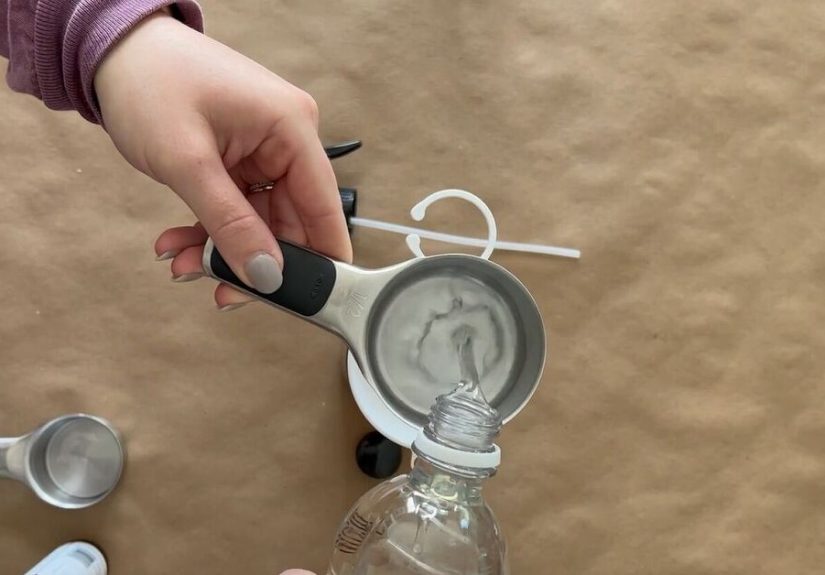
- 2 cups distilled water
- 3–5 drops mild liquid soap (yes, dropsthis is not a bubble bath)
Directions
-
Dry clean first. Vacuum seams and creases with a soft brush attachment, or wipe down with a dry microfiber cloth.
You want dust and crumbs gone before any moisture touches the surface. -
Mix your solution. Combine distilled water and soap in a bowl, or in a spray bottle. If using a spray bottle,
spray the cloth (not the leather) so you don’t accidentally saturate one spot. -
Wring like you mean it. Dip a microfiber cloth into the solution and wring thoroughly. It should be
damp, not wet. If it drips, it’s too wet. -
Wipe in sections. Start at the top and work down. Use light, even pressure. For armrests and headrests (the “oil zones”),
use gentle circular motions, then immediately follow with a clean pass. -
Rinse-wipe (important). Dampen a second cloth with plain distilled water, wring well, and wipe the same area to remove
soap residue. Residue can attract dirt later and make leather look dull. - Dry and buff. Use a dry microfiber cloth to buff the leather. You’re aiming for “soft glow,” not “greased bowling lane.”
- Let it fully air-dry. Avoid sitting on it immediatelygive it 30–60 minutes if you can.
How often should you do this?
Light upkeep (dusting/wiping) weekly keeps grime from grinding into the finish. A deeper wipe-down can be done monthly or as needed,
especially for frequently used seats. Conditioning typically happens a couple times a year for most households (more on that below).
Recipe #2: The Vinegar “Quick Refresh” Cleaner (Occasional Use, With Caveats)
You’ll see vinegar recommended for leather cleaning in several mainstream home-care guides, especially for finished leather. At the same time,
some cleaning pros warn that vinegar can be drying if used too often or too strong. Translation: vinegar can work, but don’t treat it like
an everyday all-purpose spray.
If your leather is finished and in decent shape, this can be useful for occasional refreshesthink: light grime, fingerprints, mild odors.
If your leather already feels dry, looks faded, or you suspect it’s aniline/unfinished, stick to Recipe #1 or a commercial leather cleaner.
Ingredients
- 1 part white vinegar
- 1 part distilled water
Directions
- Combine vinegar and distilled water in a bowl (or spray bottle).
- Lightly dampen a microfiber cloth (again: cloth, not leather).
- Wipe gently in sections with light pressure. Don’t scrub like you’re mad at it.
- Buff dry immediately with a clean, dry cloth.
- Plan to condition afterward if the leather feels less supple.
Reality check: vinegar smell usually fades quickly as it dries, but if your household is sensitive to odors,
start with the soap-and-water method instead.
Spot Cleaning: Common Leather Couch Stains (And What Actually Helps)
1) Grease and body oil buildup
Armrests and headrests get shiny because leather collects oils from skin, hair, and lotions. For fresh grease spots, blot immediatelydon’t rub.
Then use an absorbent powder like cornstarch to pull oil upward before you wipe.
- Blot gently with a clean, dry microfiber cloth.
- Sprinkle cornstarch on the spot and let it sit at least 30 minutes (overnight for stubborn spots).
- Brush or wipe off the powder.
- Clean the area with the gentle soap solution (Recipe #1) and buff dry.
2) Ink marks (pens happen… especially on “homework couch”)
For finished leather, some home-care experts recommend using a small amount of rubbing alcohol on a cotton swab or cloth to blot ink,
then conditioning afterward. For unfinished/aniline leather, it’s smarter to call a professionalDIY can spread the stain or strip dye.
- Test first in a hidden area.
- Dab (don’t rub) ink with a cotton swab lightly moistened with rubbing alcohol.
- Blot with a clean cloth as the ink transfers.
- Let dry, then condition the area.
3) Water spots
Leather can develop water marks if moisture dries unevenly. One common approach is to lightly dampen the surrounding area so it dries more evenly,
then let it air-dry (no direct sun, no blasting heat). If you’re nervous, test first and use minimal moisture.
4) Mild mildew/musty smell (especially in humid climates)
If you notice a mild musty smell or very light mildew, some guides suggest a diluted rubbing alcohol and water solution wiped on lightly, followed by
a clean damp cloth and thorough drying. If mold is heavy or spreading, stop and consider professional helpmold is not a “fun DIY hobby.”
Things You Should NOT Use on Leather Furniture (Save Yourself the Heartbreak)
- Disinfecting wipes (often too harsh and may contain chemicals that damage leather finishes)
- Bleach, ammonia, window cleaner, and other harsh household cleaners
- Acetone/nail polish remover (except very specific non-acetone approaches for tiny ink spotsand even then, risky)
- Hair spray, shoe polish, or random “miracle” sprays
- Olive oil (popular online, controversial long-term, and can darken or go rancid on furniture)
- Too much water (leather dislikes baths)
Conditioning: The Secret to “Looks New” Instead of “Looks Tired”
Cleaning removes grime, but it can also remove some of the oils that help leather stay flexible. Conditioning helps restore suppleness and reduce the
chance of drying and cracking over time. Many cleaning guides recommend conditioning every 6–12 months for typical household use, and
more often if you clean frequently or live in a dry climate.
Option A: Use a commercial leather conditioner (safest)
If your couch was an investment, a reputable leather conditioner is usually the lowest-risk option. Apply a small amount to a cloth, test in a hidden
area, then work section by section and buff dry.
Option B: A mild DIY conditioning wipe (test first, use sparingly)
Some DIY conditioner recipes use mild baby soap, warm water, and a small splash of vinegar. This can lightly clean and condition in one step for some
finished leathers, but it’s still important to spot test and avoid over-wetting. If you notice darkening, tackiness, or dryness afterward, stop and
switch to a commercial conditioner.
Pro Tips to Keep Leather Furniture Looking Great (Without Making It Your Full-Time Job)
- Dust weekly. It reduces abrasion and dullness over time.
- Clean gently, not aggressively. Pressure and friction can wear the finish faster than you think.
- Keep it out of direct sunlight. Sunlight can fade and dry leather over time.
- Watch heat sources. Vents and heaters can dry leather unevenly.
- Use armrest throws if your household is “extra.” (Pets + snacks + kids = leather’s triathlon.)
- Always spot test. Leather is like hair dye: surprises are rarely the good kind.
Conclusion: A Cleaner Couch, A Happier Living Room
The best DIY leather cleaner is the one that respects what leather is: durable, but not indestructible; low-maintenance, but not “ignore-me-forever.”
For routine care, a tiny amount of mild soap in distilled water and a damp cloth is a reliable, leather-friendly approach. For occasional refreshes,
a vinegar-and-water mix can work on many finished leathersjust don’t overdo it, and be ready to condition afterward.
Keep your technique gentle, keep moisture minimal, and treat conditioning like the “moisturizer step” leather doesn’t get to skip. Do that, and your
furniture stays soft, good-looking, and impressively unbothered by everyday life.
Real-World Experiences: What People Actually Run Into When Cleaning Leather Furniture (And What to Do About It)
Here’s the part nobody tells you until you’re standing in your living room holding a microfiber cloth like it’s a peace offering. Leather cleaning is
usually simple, but the “real-life” results can surprise first-timers. One of the most common experiences is the gray-cloth moment:
you wipe what looks like a clean couch, and your cloth comes back looking like it just got a part-time job at a chimney. That doesn’t mean your leather
is falling apartit usually means the surface is coated with a thin layer of dust, body oils, and airborne grime that’s been quietly collecting during
movie nights and snack breaks. The fix is boring but effective: keep wiping gently, switch to clean cloth sections often, and avoid scrubbing harder.
Pressure can wear down the finish faster than dirt does.
Another very common experience is “Why did this spot get darker?” After you wipe leather, it can temporarily darken because it’s damp.
Most finished leather returns to normal as it dries, especially if you used a barely-damp cloth and buffed afterward. The key is patience: let it air-dry
naturally and don’t blast it with heat or put it in direct sunlight. If a test spot stays darker after fully drying, that’s your cue to stop and reassess.
It could indicate more absorbent leather, an older finish, or simply a product mismatch. This is why spot testing isn’t just a legal disclaimerit’s a
time machine that saves you from future regret.
People also notice that armrests can feel “tacky” even after cleaning. That’s usually residue: either too much soap, not enough rinse-wiping,
or a cleaner/conditioner applied too heavily. The fix is to wipe again with a cloth dampened with distilled water (wrung out well), then buff dry.
If tackiness persists, stop adding products and let the leather rest for a day. Over-layering cleaners, oils, and conditioners is how you end up with a couch
that feels like it’s wearing lip gloss.
If you have pets, you’ll probably experience the “seam ecosystem”: hair and crumbs wedged into creases like they pay rent. Vacuuming seams
before wet-cleaning is the biggest quality-of-life upgrade you can make. Otherwise, moisture + debris can turn into gritty rubbing, which is basically
sandpaper in slow motion. Pet owners also notice that claws create fine scratches that cleaning won’t remove. Light scratches often look better after gentle
conditioning because the leather reflects light more evenly, but deep scratches are a different story and may need professional repair kits.
Families with kids often run into ink and marker incidentsusually on the seat you sit on most. The practical experience here is that speed
matters. The sooner you blot, the better the outcome. For finished leather, careful blotting with rubbing alcohol can help with ink, but it’s easy to overdo
it and spread dye removal into a bigger pale patch. Many people find that a “tiny improvement without damage” beats a “big improvement with a new problem.”
If the leather seems absorbent or the stain is large, calling a professional can actually be cheaper than replacing a panel later.
Finally, seasonal changes show up on leather more than people expect. In winter (or in air-conditioned spaces), leather can feel drier and look slightly
duller; in humid months, it may feel softer but can develop mild mustiness if airflow is poor. The lived-experience takeaway is that leather likes balance:
not too wet, not too dry, not roasting in sunbeams. Many households find that a simple routineweekly dusting, occasional gentle cleaning, and conditioning
a couple times a yearkeeps leather looking “new enough” without turning maintenance into a personality trait.