Table of Contents >> Show >> Hide
- What Makes a Home Look Truly Clean and Bright?
- Start With the Right Cleaning Strategy
- The Best Tools for a Shiny Home
- Room-by-Room Tips to Make Your Home Shine
- How to Make Floors, Glass, and Surfaces Sparkle
- Do Not Forget the Air: Freshness Is Part of Shine
- Easy Habits That Keep Your Home Looking Bright
- Common Mistakes That Make a Home Look Dull
- A Simple Weekly Plan for a Home That Shines
- Real-Life Experiences: What Actually Helps a Home Shine
- Conclusion
Your home does not need to look like a furniture showroom staged by angels with microfiber cloths. It just needs a smart system, the right tools, and a little consistency. If you have ever spent hours cleaning only to wonder why the place still feels a little dull, the problem usually is not effort. It is strategy.
A truly shining home is not just about glossy counters and streak-free mirrors. It is about brightness, freshness, clean air, reduced clutter, and surfaces that look cared for instead of merely surviving. In other words, shine is part cleaning, part organizing, part maintenance, and part refusing to let junk mail build a small mountain on the dining table.
In this guide, you will learn how to make your home shine with a practical, room-by-room approach. We will cover daily habits, deep-cleaning wins, easy ways to improve indoor freshness, and common mistakes that make homes look tired even when they are technically clean. Whether you are cleaning for guests, for your own peace of mind, or because sunlight suddenly exposed everything on the baseboards, these tips will help.
What Makes a Home Look Truly Clean and Bright?
People often think a shining home comes from scrubbing harder. Usually, it comes from cleaning smarter. A bright home has five key qualities: less clutter, less dust, cleaner floors, fresher air, and reflective surfaces that are free of smudges and film.
Decluttering is the secret weapon. Even a freshly cleaned room can look messy if every flat surface is crowded. Clear counters, open tabletops, neatly arranged shelves, and organized entryways instantly make a home feel cleaner. Less stuff also means fewer places for dust to settle, which is great news for both your lungs and your Saturday.
Dust control matters more than many people realize. Dust lands on furniture, floors, vents, blinds, lampshades, and electronics, making a room look dull fast. Add moisture problems, streaky glass, and dingy fabrics, and the whole house can feel tired. That is why the best home cleaning tips focus on both what you see and what you breathe.
Start With the Right Cleaning Strategy
1. Declutter Before You Clean
If you try to clean around piles, baskets, stray cords, unopened packages, and the mysterious chair covered in clothes, you are making life harder. Start by removing trash, putting items back where they belong, and setting aside anything that should be donated or relocated. A room looks better almost immediately when visual noise disappears.
2. Clean From Top to Bottom
This rule is boring, classic, and annoyingly correct. Dust high shelves, light fixtures, ceiling fans, and window trim first. Then clean furniture, counters, and lower surfaces. Finish with the floors. Otherwise, you are basically vacuuming first and then politely sprinkling fresh dust right back onto everything.
3. Work Dry First, Wet Second
Dusting, vacuuming, and sweeping should come before spraying and scrubbing. Removing loose debris first keeps you from smearing dirt into a sad little paste. Microfiber cloths, vacuum attachments, and a soft duster will do more for shine than a random blast of cleaner ever will.
4. Focus on High-Impact Zones
If you want your home to look better fast, start where the eye lands. Entryways, kitchen counters, sinks, mirrors, coffee tables, floors, and bathrooms deliver the biggest visual payoff. These are the “wow” areas that make the whole house feel fresher.
The Best Tools for a Shiny Home
You do not need a janitor cart worthy of a luxury hotel. You need a few reliable basics:
- Microfiber cloths for dusting and buffing
- A vacuum with useful attachments, ideally one that handles dust well
- A mop that does not flood hard floors
- A gentle all-purpose cleaner for most sealed surfaces
- Glass cleaner or a streak-free glass-safe solution
- A scrub brush or non-scratch sponge for grime-prone areas
- A basket or caddy so supplies move with you instead of vanishing into another room
The key is to match the product to the surface. Wood, stone, stainless steel, laminate, glass, and tile all behave differently. Too much product leaves residue. Too harsh a product can damage finishes. Too little? Congratulations, you have gently moisturized the grime.
Room-by-Room Tips to Make Your Home Shine
Kitchen: The Command Center of Mess
If the kitchen shines, the whole home feels more under control. Start with counters. Remove everything you do not use daily, then wipe surfaces thoroughly. Degrease around the stove, backsplash, cabinet pulls, and vent hood. These zones collect an invisible film that dulls the room even when it looks fine at first glance.
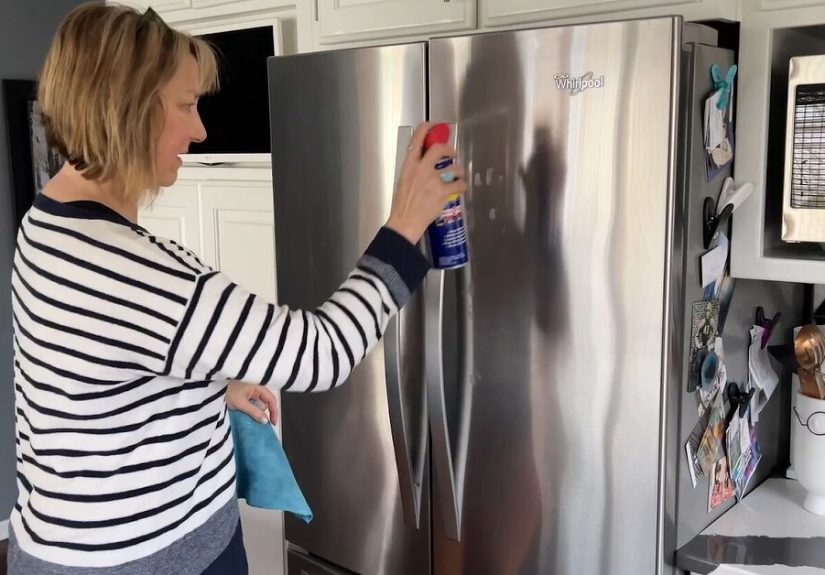
Next, clean the sink until it gleams. A polished sink makes a kitchen look dramatically cleaner. Wipe appliances, especially fingerprints on stainless steel. Empty the trash, refresh the liner, and sweep crumbs from corners and under stools. Finish by mopping the floor so light reflects instead of landing on a map of spaghetti night.
Bathroom: Small Room, Huge Impact
Bathrooms are visual truth-tellers. One cloudy mirror or soap-scummed faucet and the room instantly feels neglected. Wipe mirrors, polish fixtures, scrub the sink, disinfect the toilet area, and clean shower glass or doors. Replace hand towels, empty the trash, and keep personal items contained. The goal is not “sterile hospital.” The goal is “clean enough that guests do not start silently judging the grout.”
Living Room: Dust’s Favorite Vacation Spot
Dust electronics, shelves, lamps, frames, and side tables. Vacuum upholstery, under cushions, and under furniture if possible. Straighten throw blankets, fluff pillows, and edit down visible clutter. Clean windows if they are obviously smudged and wipe the coffee table like it owes you money. A tidy, dust-free living room catches light beautifully and feels instantly more expensive.
Bedroom: Calm Is Part of Shine
Make the bed first. It is the fastest cosmetic upgrade in the history of households. Then clear nightstands, put away clothes, dust surfaces, and vacuum thoroughly, including under the bed. Fresh bedding, aligned pillows, and open floor space make a bedroom feel polished and restful. If your room is clean but the bed looks like it lost a wrestling match, you are leaving easy points on the table.
Entryway: Your Home’s First Impression
The entryway sets the tone. Add a mat, contain shoes, corral mail, and wipe down the door and hardware. Sweep often. When the entrance is neat and bright, the whole house feels more welcoming. When it is full of random shoes and an umbrella graveyard, the house opens with chaos.
How to Make Floors, Glass, and Surfaces Sparkle
Floors
Clean floors are one of the biggest contributors to a shiny home. Vacuum rugs and carpets regularly, especially in high-traffic areas. On hard floors, remove grit first, then mop with a cleaner suitable for the material. Too much water can damage some floors and leave streaks. Too much cleaner can create sticky buildup that attracts more dirt. The goal is a clean finish, not a slippery science experiment.
Glass and Mirrors
For streak-free shine, use a clean microfiber cloth and avoid oversaturating the surface. Buff in sections. Natural light will expose every missed spot, which is rude but helpful. Clean windows, mirrors, and glass doors regularly because they dramatically affect how bright a home feels.
Wood, Metal, and Fixtures
Wipe sealed wood furniture gently and buff dry. Polish chrome, stainless steel, and faucets so they reflect light. Even small details such as cabinet handles, light switches, and doorknobs can make the home feel cleaner when they are free of fingerprints and grime.
Do Not Forget the Air: Freshness Is Part of Shine
A home can look spotless and still feel stale. Indoor freshness matters. Open windows when weather allows. Use kitchen and bathroom exhaust fans to reduce moisture. Keep humidity under control, especially in bathrooms, basements, laundry areas, and anywhere condensation appears. Damp spaces invite musty odors and mold, which is the opposite of shine.
Wash bedding regularly, vacuum soft surfaces, and clean vents and filters on schedule. Use doormats, remove shoes at the door, and groom pets consistently to reduce dirt, dander, and dust. If your home smells fresh and feels airy, it will seem cleaner even before anyone notices the polished faucet.
Easy Habits That Keep Your Home Looking Bright
- Do a 10- to 20-minute reset each day
- Wipe kitchen counters and the sink every evening
- Keep one basket for items that belong in other rooms
- Run a quick vacuum in high-traffic zones several times a week
- Wash towels and bedding regularly
- Clean spills immediately before they become “part of the decor”
- Put things away instead of moving them from one flat surface to another
These small habits prevent the feast-or-famine cleaning cycle where everything looks fine for four days and then suddenly resembles a yard sale after a dust storm.
Common Mistakes That Make a Home Look Dull
One major mistake is using too much product. Extra soap does not equal extra clean. It often leaves film, attracts dust, and makes surfaces look cloudy. Another mistake is ignoring soft items like curtains, rugs, bedding, and upholstery. These hold dust and odors, even when the hard surfaces are spotless.
People also miss the hidden offenders: baseboards, light switches, vents, doors, cabinet fronts, and under-furniture zones. These areas quietly collect grime and then sabotage the room’s overall look. Finally, never mix cleaning products. It is unsafe, unnecessary, and the worst possible way to add drama to housekeeping.
A Simple Weekly Plan for a Home That Shines
Monday: tidy visible clutter and wipe kitchen surfaces.
Tuesday: vacuum and dust the living room and bedrooms.
Wednesday: clean bathrooms and replace towels.
Thursday: mop floors and wipe doors, switches, and handles.
Friday: refresh bedding, empty bins, and tackle mirrors or windows.
Weekend: choose one deeper task such as the fridge, oven, blinds, baseboards, pantry, or entry closet.
This kind of schedule keeps your home looking consistently cared for without requiring an all-day cleaning marathon. Your future self will be thrilled. Your knees will also send a thank-you note.
Real-Life Experiences: What Actually Helps a Home Shine
The most surprising thing about learning how to make your home shine is realizing that shine rarely comes from one giant cleaning day. It usually comes from a bunch of small choices that stack up. Many people have had the same experience: they spend half a Saturday scrubbing, but the house still does not feel done. Then one day they clear the countertops, wash the sink, fluff the couch pillows, and open the curtains, and suddenly the place looks ten times better in twenty minutes.
Another common lesson is that clutter is sneaky. It does not always look dramatic. Sometimes it is just too many candles on a shelf, too many papers on the counter, or too many products crowded around the bathroom sink. But once those things are edited down, the room feels bigger, cleaner, and brighter without anyone touching a mop. That is why so many homeowners eventually figure out that organization is not separate from cleaning. It is cleaning’s smarter cousin.
There is also the universal discovery that floors change everything. When the floor is gritty, dusty, or streaked, the whole house looks tired. When the floors are vacuumed or freshly mopped, the room seems lighter and more polished almost immediately. The same is true for mirrors and faucets. Tiny reflective surfaces pull more visual weight than they get credit for. A bathroom with a sparkling mirror and polished sink can feel freshly renovated, even if the tiles are older than your favorite playlist.
Many people also learn the hard way that “more cleaner” is not better. Oversprayed counters, sticky wood, and smeary glass are often the result of too much product rather than too little effort. Once you switch to a lighter hand and a clean microfiber cloth, surfaces start looking sharper. It is one of those oddly satisfying upgrades that makes you wonder why no one explained it earlier.
And then there is the emotional side. A shining home does not just look nice. It changes how the space feels. Walking into a clean kitchen in the morning feels calmer. Getting into a bed with fresh sheets feels luxurious. Opening the door to a tidy entryway after a long day makes the entire house seem more welcoming. In real life, that is what most people are after. Not perfection. Not a magazine spread. Just a home that feels fresh, functional, and pleasantly under control.
So if you want a home that shines, think less about dramatic overhauls and more about repeatable habits. Clear a surface. Dust the shelf. Polish the faucet. Open the window. Wash the throw blanket. Sweep the entry. These little actions may seem ordinary, but together they create the kind of home that looks bright, feels comfortable, and quietly says, “Yes, someone here has their life at least somewhat together.”
Conclusion
If you want to make your home shine, focus on the combination that works every time: declutter first, clean from top to bottom, pay attention to high-impact surfaces, and stay consistent with small maintenance habits. A shining home is not built on perfection. It is built on repeatable routines, thoughtful cleaning, and a few smart details that brighten every room.
Start with one room, one surface, or one 20-minute reset. Once you see how much better your home looks with less dust, less clutter, and more light, it becomes easier to keep going. And that is the real secret. The cleanest-looking homes are not always the ones cleaned the hardest. They are the ones cleaned with intention.