Table of Contents >> Show >> Hide
- What “Luxurious” Actually Means (and Why It’s Cheaper Than You Think)
- Step One: Fix the “Invisible” Stuff That Quietly Makes a Home Look Cheap
- Paint: The Budget Upgrade That Changes Everything
- Lighting: The Fastest Way to Look Like You Hired a Designer
- Window Treatments That Fake Taller Ceilings
- Hardware and Finishes: Small Swaps, Big Luxury Energy
- Scale and Texture: The “Big Rug + Big Art” Rule
- Styling Like a Pro (Without Buying Random Decor)
- Kitchen and Bath: High-End Looks Without a Full Remodel
- Curb Appeal: Make the Outside Match the Inside
- Where to Splurge vs. Where to Save
- Common Mistakes That Make “Budget Luxury” Look… Budget
- Conclusion: Your Home Can Look High-End Without High-End Spending
- Real-Life Experiences: What Actually Worked When I Tried “Luxury on a Budget”
“Luxurious” doesn’t have to mean “I just financed a velvet sofa that costs more than my first car.”
In real homes, luxury usually looks like intentional choices: clean lines, consistent finishes,
good lighting, and a space that feels calm instead of chaotic. The best part? Most of that is achievable with
weekend-level effort and a budget that won’t make your bank app send you a concerned push notification.
This guide breaks down the highest-impact, lowest-cost ways to make your house look expensivewithout falling
into the “I bought everything in one aisle” trap. We’ll focus on the details designers and home stagers notice first:
light, scale, texture, symmetry, and finishes that match.
What “Luxurious” Actually Means (and Why It’s Cheaper Than You Think)
Luxury isn’t a single objectit’s a feeling. And feelings are surprisingly affordable.
A luxe home tends to have:
- Clarity: less visual clutter, fewer random items out in the open.
- Consistency: metals and finishes that don’t fight each other room-to-room.
- Comfort: layered lighting, cozy textures, and seating that looks inviting.
- Scale: art and rugs sized correctly, so rooms feel “designed,” not “temporary.”
If you remember one rule, make it this: luxury is edited. It’s the “best-of” version of your home,
not the “everything I own is on this shelf” version.
Step One: Fix the “Invisible” Stuff That Quietly Makes a Home Look Cheap
Deep clean like you’re expecting a surprise house tour
Luxury homes look expensive partly because they look maintained. Before you buy anything, clean what you already have:
baseboards, switch plates, door frames, ceiling fans, grout lines, window tracks, and glass. It’s not glamorous work,
but it’s an instant upgrade.
Do the tiny repairs that scream “landlord special” (even if you own the place)
Patch nail holes. Tighten loose knobs. Replace missing screws. Touch up scuffs. A $12 tube of spackle and a little paint
can make a room feel freshly finished instead of perpetually “in progress.”
Declutter with a purpose: clear surfaces = expensive vibes
If every surface is covered, the eye can’t rest. And when the eye can’t rest, the brain labels the space as “busy,” not “premium.”
Start with high-traffic zones: entry table, kitchen counters, coffee tables, bathroom sinks. Give items a homeor give them a new life elsewhere.
Paint: The Budget Upgrade That Changes Everything
Choose a “quiet luxury” palette (then repeat it)
Want your home to look cohesive? Pick a simple palette (warm whites, soft greige, taupe, muted greens, charcoal accents) and use it
repeatedly across rooms. Consistency reads as “custom,” even when it’s not.
Use the right sheen (because shiny walls don’t whisper “luxury”)
In many spaces, matte or eggshell looks more elevated than anything glossy. High shine can highlight imperfections and
gives off “quick flip” energy. Save higher sheens for trim and doors where durability matters.
Upgrade your trim and doors with paint, not a renovation
Crisp trim makes a room feel architectural. If your trim is dingy, repaint it a clean white or a shade that complements your walls.
Painting interior doors (even just the front door) can also add polish. On the exterior, a freshly painted door plus updated hardware is
a curb-appeal cheat code.
Lighting: The Fastest Way to Look Like You Hired a Designer
Layer your lighting (overhead alone is the “airport terminal” approach)
Designer rooms rarely rely on one ceiling light. They combine ambient (overall), task (reading/cooking),
and accent lighting (mood). Translation: add a couple of lamps, maybe a wall sconce, and suddenly the room looks intentional
instead of “bright enough to do taxes.”
Match bulb color temperatures across a room
Mixed bulbs make a space feel off even when you can’t explain why. Pick a consistent warmth and stick with it, so light feels even and flattering.
Bonus: everything looks more expensive when it’s lit well.
Swap the “sad builder fixture” for something with presence
If you’ve got the classic flush-mount that looks like it came free with the house (and not in a cute way), changing it can be a huge win.
Look for a fixture with a little scalenothing too small, nothing too fussy. One statement piece can carry a whole room.
Window Treatments That Fake Taller Ceilings
Hang curtains higher than you think
Mounting curtains closer to the ceiling (or at least well above the window frame) makes ceilings look taller and windows look grander.
Floor-length panels also create a clean, tailored finishlike your room got dressed for a nice dinner.
Go wider than the window
Extend the rod beyond the window so panels can stack off the glass. You’ll get more natural light, and the window will look bigger.
Bigger windows = more expensive vibe.
Add weight for a custom drape
Lightweight curtains can look flimsy. Adding inexpensive drapery weights (or even DIY alternatives) helps panels hang straight with smoother folds.
It’s one of those tiny “why does this look better?” upgrades that quietly screams “tailored.”
Hardware and Finishes: Small Swaps, Big Luxury Energy
Update cabinet pulls and knobs
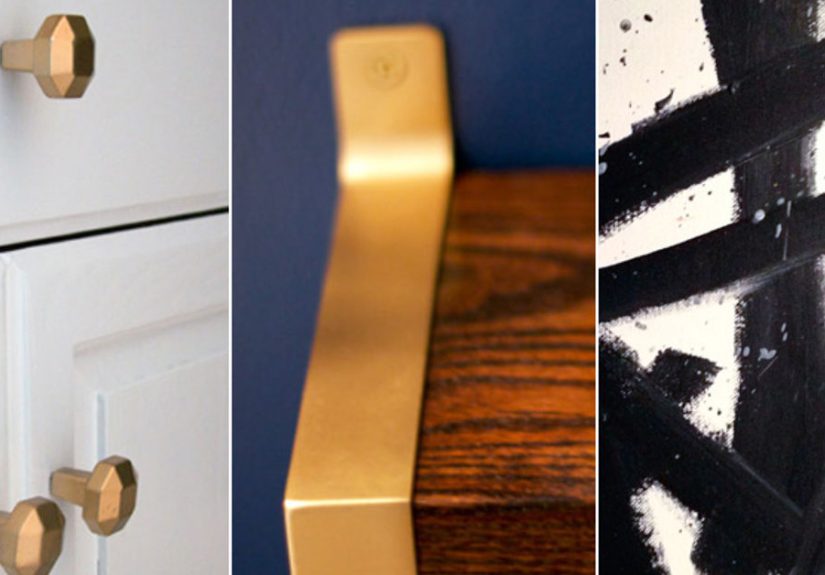
Changing hardware is one of the easiest upgrades in kitchens and bathrooms. Pick one finish (matte black, brushed nickel, champagne bronze)
and repeat it across the space. The consistent metal story makes the room feel upgraded even if the cabinets are the same.
Don’t forget the little plates on the walls
Old, yellowed outlet covers and switch plates can drag down an entire room. Swapping them is inexpensive, and matching them to your room’s vibe
(or choosing cleaner-looking styles) gives a subtle “we thought of everything” finish.
Unify your faucets and bath hardware (even if you can’t replace everything)
If you can’t replace all fixtures, focus on what’s most visible: the faucet, showerhead, and vanity hardware. A consistent finish reads as “planned,”
while a mix of random metals reads as “it was on sale and I panicked.”
Scale and Texture: The “Big Rug + Big Art” Rule
Buy the right rug size (this is where many rooms go to die)
A too-small rug makes a room feel cramped and unfinished. A properly sized rug anchors furniture and defines the spacelike a tailored suit
instead of a borrowed hoodie. If you’re budgeting, look for washable options, secondhand finds, or sales. Prioritize size first, pattern second.
Go larger with art (or group smaller pieces like a pro)
Luxury homes don’t have tiny art floating alone on a giant wall. Either choose a larger piece, or group a set in a unified way:
consistent frames, consistent spacing, and a shared color theme. Even framed family photos can look gallery-level when they’re edited and uniform.
Mirrors: the shortcut to more light and “space”
A well-placed, oversized mirror bounces light and opens up a room visually. For maximum effect, place it across from a window or where it reflects
something pretty (not the laundry pile auditioning for its own reality show).
Layer textiles like you mean it
Luxury is texture: linen, velvet, chunky knits, woven baskets, soft throws. You don’t need a lotjust enough layering to make the room feel rich.
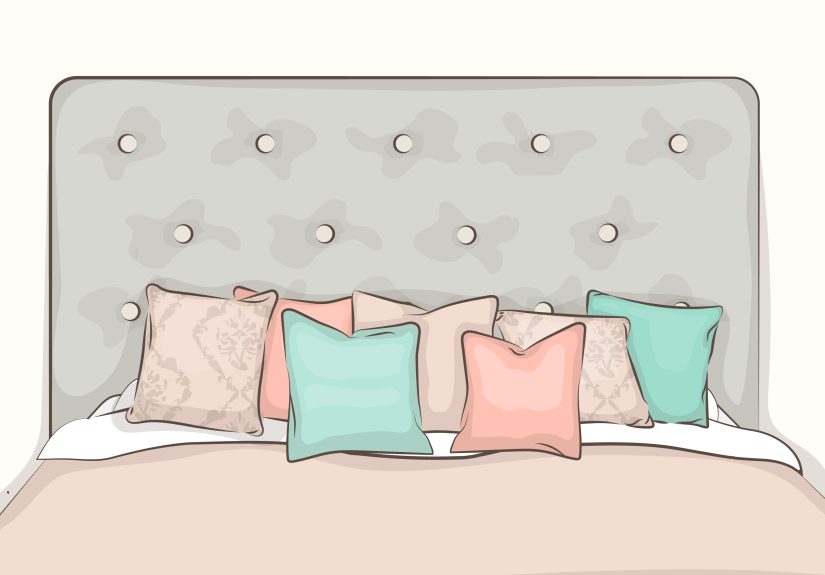
In bedrooms, focus on bedding: a simple duvet plus a couple of pillows in varied textures looks more high-end than a matching “bed in a bag” set.
Styling Like a Pro (Without Buying Random Decor)
Use trays to make clutter look intentional
A tray on a coffee table or vanity makes small items feel curated. It’s basically a VIP section for your stuff. Add one candle, one small plant,
and one personal object, and stop there.
Bring in greeneryreal or faux, just make it convincing
Tall plants add height and life. A statement tree in a nice pot can make a room feel instantly more elevated.
If you go faux, choose something that looks realistic and keep it clean (dusty fake plants are a design crime).
Hide cords and simplify “visual noise”
Exposed cords are the quickest way to make a room feel unfinished. Use cable organizers, cord covers, or strategic furniture placement.
It’s a small fix with a surprisingly big payoff.
Kitchen and Bath: High-End Looks Without a Full Remodel
Peel-and-stick backsplash or tile accents
Want a modern kitchen look without retiling? Peel-and-stick options can give you the feel of a new backsplash fast.
Keep patterns simple (subway, stone-look, soft marble vibes) for the most timeless effect.
Paint or refresh cabinets the smart way
Painting cabinets can completely change the mood of a kitchen. If painting feels like too much, start with:
cleaning thoroughly, swapping hardware, adding under-cabinet lighting, and updating one focal element (like a faucet or light fixture).
Frame the bathroom mirror
A plain builder mirror can look instantly custom with a simple frame kit or DIY molding. Pair it with upgraded lighting and matching hardware,
and the bathroom suddenly feels “boutique hotel” instead of “I moved in last week.”
Refresh grout, caulk, and towels
Fresh caulk and bright grout lines make everything look cleaner and newer. Add fluffy white towels, a simple soap dispenser, and a coordinated bath mat,
and you’ll be shocked how expensive it feels.
Curb Appeal: Make the Outside Match the Inside
Paint the front door and update house numbers
A front door refresh is one of the best bang-for-buck projects. Pair it with modern house numbers and a clean doormat.
It’s like jewelry for your housesmall, shiny, and oddly powerful.
Lighting and planters do heavy lifting
Updated outdoor lighting and a couple of substantial planters can make an entry feel welcoming and upscale.
Add fresh mulch, trim bushes, and clean walkways for a “we have our life together” look.
Clean the exterior surfaces
Pressure washing (or a serious scrub) on siding, porches, and walkways can make your home look newerwithout replacing anything.
Clean reads as cared-for, and cared-for reads as expensive.
Where to Splurge vs. Where to Save
Worth a little extra
- Rugs: bigger is better, and a decent rug anchors the whole room.
- Lighting: a statement fixture or a pair of lamps can transform a space.
- Bedding: comfort shows, and it’s used every day.
Save without regret
- Side tables and decor: secondhand, thrift, or marketplace finds often look more “collected.”
- Art: prints, photography, and DIY framing can look gallery-level when scaled correctly.
- Storage: just keep it cohesive and hidden where possible.
Common Mistakes That Make “Budget Luxury” Look… Budget
- Too many tiny things: small decor scattered everywhere looks cluttered.
- Mismatched metals: a random mix can feel accidental instead of eclectic.
- Short curtains: they visually shrink windows and ceilings.
- Harsh lighting: bright, cold overhead light rarely feels luxe.
- Ignoring maintenance: chipped paint and dirty grout undo everything else.
Conclusion: Your Home Can Look High-End Without High-End Spending
If you’re working with a tight budget, focus on the upgrades that change how a space reads:
lighting, paint, window treatments, hardware, and scale. Edit clutter. Keep finishes consistent.
Use texture for richness. Then do the unsexy maintenance stuff (cleaning, patching, touch-ups) that quietly signals quality.
Luxurious homes aren’t always the biggest or the newestthey’re the ones that feel intentional. And intention is free.
(Okay, mostly free. But way cheaper than a new kitchen.)
Real-Life Experiences: What Actually Worked When I Tried “Luxury on a Budget”
The first time I tried to make a space look “luxurious” on a tight budget, I made the classic mistake: I bought decor.
Lots of decor. Little bowls. Little candles. Little vases. Tiny art. It looked like a boutique exploded in my living room
and not in a chic way. It was busy, not elevated. The lesson hit hard: luxury isn’t more stuff; it’s better decisions.
The real turning point came when I stopped shopping and started editing. I cleared the surfaces firstcoffee table, side tables,
kitchen countersand immediately the rooms felt bigger. Then I grouped what stayed. One tray on the coffee table held a candle,
a small plant, and one book. That was it. The funny part? People started saying, “Your place looks so put together,” and I wanted to
admit the truth: “Yes, I put three objects on a tray and then refused to add more.”
Lighting was the next “why didn’t I do this earlier?” upgrade. I didn’t replace every fixture (because I enjoy having money for groceries),
but I added two matching lamps and swapped mismatched bulbs so the room had one consistent warmth. The space went from “overhead interrogation room”
to “soft hotel lounge” overnight. I also learned the hard way that a single, sad ceiling light can ruin the mood of an otherwise decent room.
Once I layered lighting, the room looked calmerand “calm” reads expensive.
Curtains were my biggest visual win. I used to hang them right above the window frame, because that’s where the window was, and I thought I was
being logical. Then I tried hanging the rod higher and wider with longer panels. Suddenly the ceiling looked taller and the windows looked bigger,
like the room had upgraded itself while I wasn’t watching. I didn’t even buy the fanciest panelsI just made sure they were long, full, and
actually touched the floor. That one change made the room feel like it belonged in a catalog instead of a “before” photo.
In the kitchen, the cheapest “expensive” trick was hardware. I replaced mismatched pulls with one consistent finish, and the cabinets looked newer
without a single door being changed. Then I cleaned everything obsessivelyhandles, backsplash, grout, the top edge of cabinet doors where grease
mysteriously lives. The space didn’t just look nicer; it looked maintained, which is basically the secret ingredient of luxury.
The bathroom was similar: fresh caulk, clean grout, a framed mirror, and upgraded lighting. I added fluffy towels and a simple soap dispenser.
That’s it. No remodel. No expensive vanity. Just a series of small changes that made the room feel intentionally “hotel-like.”
If you’ve ever stayed in a nice hotel and wondered why it felt better than home, it’s not magicit’s editing, lighting, and clean finishes.
The biggest mindset shift was learning to “spend where it shows.” I stopped buying random decor and started saving for a few items that carried the room:
a properly sized rug, a larger art piece, and lighting that didn’t look like it was issued by the government. I also became a secondhand shopper,
because vintage and thrift finds often look more special than brand-new budget pieces. A slightly worn wood table with character looks “collected.”
A flimsy flat-pack table looks “temporary.” It’s not about perfectionit’s about presence.
If you’re doing this yourself, here’s my honest takeaway: start with cleaning and fixing, then work in this orderpaint, lighting, curtains,
hardware, scale. Every time I broke that order and bought “cute stuff” first, I ended up donating it later. Every time I followed it,
the room looked better and stayed that way. Also, keep a running note on your phone called “Things That Make My House Look Cheap” and update it as you notice
them. Mine included: visible cords, too-small art, random metals, and a rug that was basically a bath mat pretending to be a living room rug.
Correcting those made everything else easier.
Luxury on a budget isn’t one giant makeover. It’s a series of small, smart choices that build on each other. And yes, you can absolutely do it
without selling a kidneyjust don’t spend your whole budget on tiny bowls. Learn from my mistakes.