Table of Contents >> Show >> Hide
- Can You Paint Vinyl Siding (and Should You)?
- Big Rule: Don’t Turn Your Vinyl Siding Into a Heat Sponge
- What Paint Works Best on Vinyl Siding?
- Best Weather for Painting Vinyl Siding
- Tools and Materials Checklist
- Step-by-Step: How to Paint Vinyl Siding
- Step 1: Inspect the siding (and be honest)
- Step 2: Wash thoroughly (the part everyone rushesand regrets)
- Step 3: Remove mildew and algae stains
- Step 4: Prep details and mask like a pro
- Step 5: Prime only where needed
- Step 6: Apply the first coat (work with the shade, not against it)
- Step 7: Apply the second coat (where the magic happens)
- Step 8: Cure, clean up, and resist the urge to “poke test” everything
- Sprayer vs. Roller: Which Should You Use?
- How Long Will Painted Vinyl Siding Last?
- Cost: DIY vs. Hiring a Pro
- Troubleshooting: Common Problems (and How to Avoid Them)
- Conclusion: A Vinyl Siding Paint Job That Looks Expensive (Without Being a Disaster)
- Real-World Field Notes: Experiences People Share After Painting Vinyl Siding (Extra 500+ Words)
- 1) “I thought it was clean… until the paint started acting weird.”
- 2) “The shady side of the house was easy. The sunny side was a drama queen.”
- 3) “Masking took forever… and then I was glad I did it.”
- 4) “Two coats looked professional. One coat looked like I was in a hurry.”
- 5) “Color choice was the make-or-break decision.”
Vinyl siding is famous for being “low maintenance,” which is homeowner code for “please don’t give me another weekend project.”
And yetsometimes vinyl fades, looks patchy, or screams 1998 builder beige. The good news: yes, you can paint vinyl siding.
The better news: you can make it look really good. The most important news: you can also mess it up spectacularly if you ignore heat, prep, and paint choice.
This guide walks you through the process step-by-step, with practical tips for avoiding peeling, lap marks, and the dreaded vinyl warp.
You’ll also find real-world “wish I knew that sooner” lessons at the end.
Can You Paint Vinyl Siding (and Should You)?
Painting vinyl siding is a smart option when the siding is still structurally soundno widespread cracking, missing panels, or severe warping.
Paint won’t fix broken siding; it only changes the color and adds a protective coating. If your vinyl is brittle, buckled, or failing at the seams,
replacement may be the better long-term solution.
Before you buy a single gallon of paint, check two things:
- Warranty status: Painting may void an active siding warranty, so confirm with your manufacturer.
- HOA or neighborhood guidelines: Some communities restrict exterior colors (and they will notice, because they always do).
Big Rule: Don’t Turn Your Vinyl Siding Into a Heat Sponge
Vinyl expands and contracts with temperature changes. Darker colors absorb more heat, which can push the vinyl beyond what it was designed to handle.
That’s how you end up with warping or bucklingaka “my house siding now looks like it’s melting.”
The safest approach is to choose a color that is the same shade or lighter than the existing siding. If you want a darker look,
choose vinyl-safe color technology (offered by multiple major paint brands) designed to reflect more sunlight and reduce heat buildup.
Quick color strategy that works
- If your current siding is light: go light-to-mid tone, or use a verified vinyl-safe darker option.
- If your current siding is mid tone: stay similar, or go slightly lighter for maximum safety and fade resistance.
- If you’re unsure: test a small, sunny-wall area first and monitor it through a few hot afternoons.
What Paint Works Best on Vinyl Siding?
Vinyl needs paint that can flex with it. Most reputable guidance points to 100% acrylic latex exterior paint or
an acrylic-urethane blend designed for exterior durability and adhesion. Avoid oil-based paints on vinyloil tends to be too rigid,
increasing the risk of cracking or peeling as the siding moves.
Paint checklist (use this when shopping)
- Exterior-rated and formulated for siding
- 100% acrylic latex or urethane-acrylic (flex + durability)
- Vinyl-safe color system if you’re choosing deeper colors
- Sheen: satin/low-luster is a popular balanceeasy to clean, hides minor surface issues better than gloss
Do you need primer?
Sometimes. If the surface is heavily chalky, pitted, porous, or has stubborn stains that might bleed through, primer can help with adhesion and uniform coverage.
Some paint manufacturers recommend primer more often than othersfollow the label guidance for your product and your siding condition.
When primer is needed, look for a bonding/adhesion primer suitable for slick surfaces.
Best Weather for Painting Vinyl Siding
Exterior painting success is about weather as much as technique. Aim for mild temperatures, low humidity, and no rain in the forecast.
Vinyl siding can get surprisingly hot in direct sunpainting hot vinyl can cause poor adhesion and ugly lap marks, and it may increase the risk of heat-related issues.
Practical weather targets
- Temperature: generally comfortable “jacket optional” days are best (many paint brands allow broad ranges, but avoid extremes)
- Humidity: lower is better for drying and adhesion
- Sun: paint the shady side first; follow the shade around the house instead of chasing the sun like it owes you money
- Rain: give fresh paint at least a full day to cure before rain if possible
Tools and Materials Checklist
Cleaning and prep
- Garden hose with spray nozzle or pressure washer (used carefully)
- Soft-bristle brush
- Bucket, siding cleaner, mild detergent
- Mildew remover (or appropriate cleaning solution)
- Repair pieces (replacement vinyl panels if needed)
Protection and masking
- Painter’s tape
- Plastic sheeting and drop cloths
- Masking paper for trim/windows
Painting
- Airless sprayer (fastest for large surfaces) or roller + angled brush
- Extension poles
- Paint pail, strainers (especially for spraying)
- Exterior acrylic latex or urethane-acrylic paint (plus primer if needed)
Safety
- Eye protection and gloves
- Respirator/mask appropriate for paint spraying
- Stable ladder (and a helperseriously)
Step-by-Step: How to Paint Vinyl Siding
Step 1: Inspect the siding (and be honest)
Walk the entire exterior and look for cracked panels, loose pieces, warped areas, and missing trim.
Replace damaged sections first. Painting over problems is like putting a fresh hat on a leaky roofit’s cute, but it doesn’t solve anything.
Step 2: Wash thoroughly (the part everyone rushesand regrets)
Vinyl collects chalky oxidation, grime, pollen, and mildew. Paint won’t stick well to “mystery film.”
Clean the siding using a recommended siding cleaner and a soft brush, then rinse thoroughly.
If you use a pressure washer, use a wide fan tip and keep the pressure modest. Always spray downward so you don’t force water behind the panels.
Let the siding dry completelyoften at least a full day, depending on humidity and shade.
Step 3: Remove mildew and algae stains
If you see green or black spotting, treat it. Mildew left behind can bleed through paint or keep it from bonding.
Use an appropriate mildew remover or cleaning solution, scrub gently, rinse well, and let it fully dry.
Step 4: Prep details and mask like a pro
Mask windows, doors, fixtures, brick, and landscaping. Cover plants with breathable drop cloths (not plastic for hours in the sunplants like oxygen).
Remove or protect light fixtures and house numbers if possible.
Also check caulking around windows and doors. Replace failing caulk where appropriatebut don’t caulk the vinyl siding seams or any weep/drainage paths.
Vinyl needs to move and drain.
Step 5: Prime only where needed
If your siding is chalky even after cleaning, has bare repaired areas, or you’re covering stubborn stains, spot-prime or prime fully based on the paint manufacturer’s guidance.
Primer can improve adhesion and make the finish coat more uniformespecially when you’re making a noticeable color change.
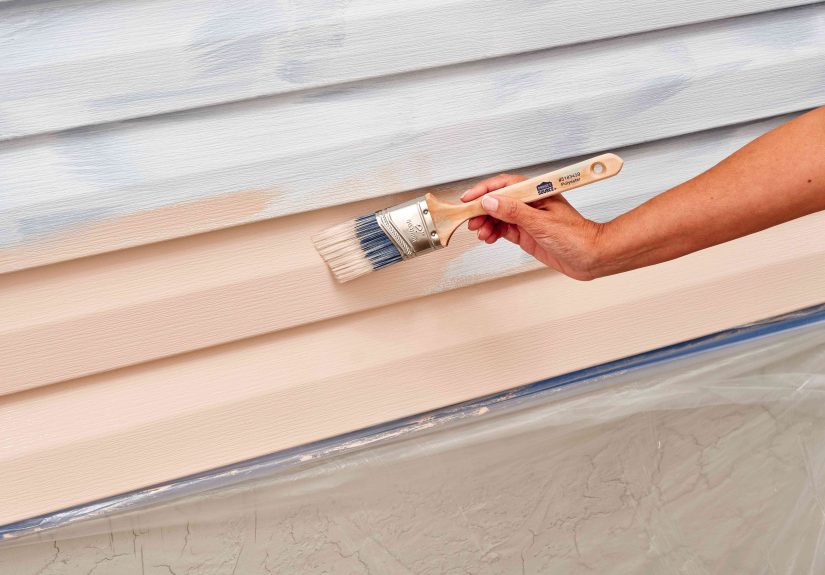
Step 6: Apply the first coat (work with the shade, not against it)
Start at the top and work down. If spraying, maintain consistent distance and overlap passes to avoid striping.
Many pros use a “spray and back-roll” technique on certain surfaces for even coverage, but vinyl often takes a clean spray job well when prep is excellent and conditions are right.
If rolling, use an extension pole and keep a wet edge to prevent lap marks. Use a brush for corners, trim edges, and tight spots.
Step 7: Apply the second coat (where the magic happens)
Two coats usually look better and last longer than oneespecially on exteriors. Follow the recoat time on the can.
Don’t rush: painting is one of the few times “letting it dry” is actually productive advice.
Step 8: Cure, clean up, and resist the urge to “poke test” everything
Paint may feel dry to the touch before it’s fully cured. Avoid washing the siding immediately after painting.
Give it time to harden and bondthen enjoy the curb appeal boost like it’s your home’s glow-up montage.
Sprayer vs. Roller: Which Should You Use?
Choose a sprayer if:
- You have a large exterior with long runs of siding
- You want the fastest application and a smooth, even look
- You can mask thoroughly (spray drift is real)
Choose a roller/brush if:
- You’re painting a smaller area (or just one side)
- You want less setup and less masking
- Windy conditions make spraying risky
Many DIYers succeed with either method. The best method is the one you can execute carefully, safely, and consistently.
How Long Will Painted Vinyl Siding Last?
A quality paint job on properly prepped vinyl can last years, but it’s not “forever.” Expect eventual repaintingespecially on the sunniest sides of the home.
Longevity depends on climate, color choice (lighter tends to fade slower), prep quality, and paint quality.
Maintenance helps: wash the siding periodically to remove grime and mildew, and touch up chips early so they don’t spread.
Cost: DIY vs. Hiring a Pro
Painting vinyl siding is typically cheaper than replacing it, which is why it’s so tempting.
DIY costs are usually driven by paint, prep supplies, masking materials, and equipment (like sprayer rental).
Professional costs vary widely depending on home size, prep needs, and regional labor rates.
Money-saving tip that doesn’t ruin the job
Spend on prep and quality paint first. Cutting corners on cleaning is the fastest way to pay twice.
Troubleshooting: Common Problems (and How to Avoid Them)
Peeling paint
- Usually caused by: poor cleaning, moisture behind siding, painting in bad weather, or wrong paint type
- Prevention: deep clean, let it dry fully, use vinyl-appropriate paint, follow recoat windows
Lap marks and streaks
- Usually caused by: painting in direct sun or letting edges dry before overlapping
- Prevention: follow the shade, keep a wet edge, work in manageable sections
Warping or buckling
- Usually caused by: too-dark color without vinyl-safe technology, or excessive heat exposure
- Prevention: stay similar/lighter, or use verified vinyl-safe color systems
Conclusion: A Vinyl Siding Paint Job That Looks Expensive (Without Being a Disaster)
Painting vinyl siding is one of those home upgrades where the “boring” stepscleaning, drying, choosing the right paint, and respecting heatcreate the wow result.
If your siding is in good shape, you can refresh your exterior, modernize your color, and extend the look you actually want to come home to.
Keep it simple: clean like you mean it, pick a vinyl-friendly paint, don’t tempt fate with ultra-dark colors, and paint when the weather is cooperating.
Your future self will thank you… preferably from a porch chair, not from a ladder.
Real-World Field Notes: Experiences People Share After Painting Vinyl Siding (Extra 500+ Words)
When you ask homeowners and painters what they remember most about painting vinyl siding, you don’t get poetic speeches about “the beauty of satin sheen.”
You get very specific storiesusually told with the same tone people use when describing the time they tried to assemble furniture without reading the instructions.
Here are the most common real-world lessons that come up again and again.
1) “I thought it was clean… until the paint started acting weird.”
Vinyl often looks clean from the driveway. Up close, it’s a different story: chalky residue, airborne grime, pollen, and mildew that clings like it pays rent.
People who skip thorough washing (or rinse too lightly) often report paint that beads oddly, doesn’t level well, or starts peeling sooner than expected.
The best experiences usually come from folks who treated cleaning as the main event: scrub, rinse, and let it dry completelyespecially on shaded sides
where moisture hangs around longer.
2) “The shady side of the house was easy. The sunny side was a drama queen.”
A common surprise is how much hotter vinyl gets in direct sun. People describe stepping outside, touching the siding, and instantly understanding why
paint can misbehave on a hot wall. The best outcomes come from a simple strategy: paint the side that’s in shade, then move around the house as the sun shifts.
This “follow the shade” approach helps prevent lap marks and reduces the chances of paint drying too fast before it has time to level and bond.
3) “Masking took forever… and then I was glad I did it.”
Masking feels like a time taxuntil you see what overspray does to brick, windows, soffits, and shrubs. DIYers who used sprayers often say the prep took longer than the painting,
but the final look was worth it. Homeowners who tried to “be careful” without masking usually ended up spending extra time scraping paint off places paint should never be.
The common takeaway: if you’re spraying, your results are basically proportional to your masking patience.
4) “Two coats looked professional. One coat looked like I was in a hurry.”
People who love their finished siding almost always mention the second coat. Even when the first coat looks okay, the second coat deepens color, evens out sheen,
and covers those subtle thin spots that show up in certain light. Homeowners who stopped after one coat often noticed patchiness laterespecially on older siding
where the original color was uneven from sun fading.
5) “Color choice was the make-or-break decision.”
Many people go into the project focused on stylethen learn the vinyl heat rule the hard way. The best stories come from those who picked similar or lighter colors,
or used a vinyl-safe color system for deeper shades. They tend to report fewer issues and better long-term appearance. The “regret” stories often start with
“I really wanted charcoal…” followed by a pause, and then a description of panels that no longer sit flat.
If there’s one universal experience lesson, it’s this: painting vinyl siding rewards the patient and punishes the rushed.
When homeowners treat the project like a process (prep, weather, products, technique), the results can look like a full exterior renovationwithout the renovation price tag.