Table of Contents >> Show >> Hide
- Meet the Phlox Family (Pick the Right One First)
- Where Phlox Thrives: Light, Soil, Water (and a Little Common Sense)
- When to Plant Phlox
- Step-by-Step: How to Plant Phlox (Without Overthinking It)
- How to Care for Phlox Through the Seasons
- Common Phlox Problems (and How to Keep Them from Ruining the Show)
- How to Propagate and Rejuvenate Phlox
- Design Ideas: Where Phlox Looks Best
- Quick Checklist: Phlox Success in 60 Seconds
- Conclusion
- Real-World Experiences: Lessons Gardeners Learn Growing Phlox (Extra 500+ Words)
- 1) Spacing feels “too roomy” until midsummerthen it feels genius
- 2) Watering at the base is a small habit with big results
- 3) “Right plant, right place” matters more with woodland phlox than people expect
- 4) Creeping phlox loves drainage more than pampering
- 5) Disease-resistant cultivars are not “cheating”they’re smart gardening
- 6) Phlox is a social plant: it shines in combinations
- 7) Division is the reset buttonand gardeners who use it feel like wizards
Phlox is the kind of flower that makes your garden look like you tried harder than you did. (No judgmentbusy people deserve
beautiful borders, too.) Whether you want a spring “flower carpet” for a slope, a fragrant summer showstopper for a cottage
border, or a soft blue native for a shade garden, there’s a phlox for that.
The trick to growing phlox isn’t secret fertilizer or whispering affirmations at sunrise. It’s choosing the right type, planting it
where it wants to live, and preventing the one thing that loves phlox almost as much as you do: powdery mildew. Let’s get you
bloomingwithout turning your weekends into a full-time landscaping internship.
Meet the Phlox Family (Pick the Right One First)
“Phlox” isn’t one plantit’s a whole lineup. Matching the right phlox to the right spot is half the battle (and 90% of the success).
Tall Garden Phlox (Phlox paniculata): the Summer Headliner
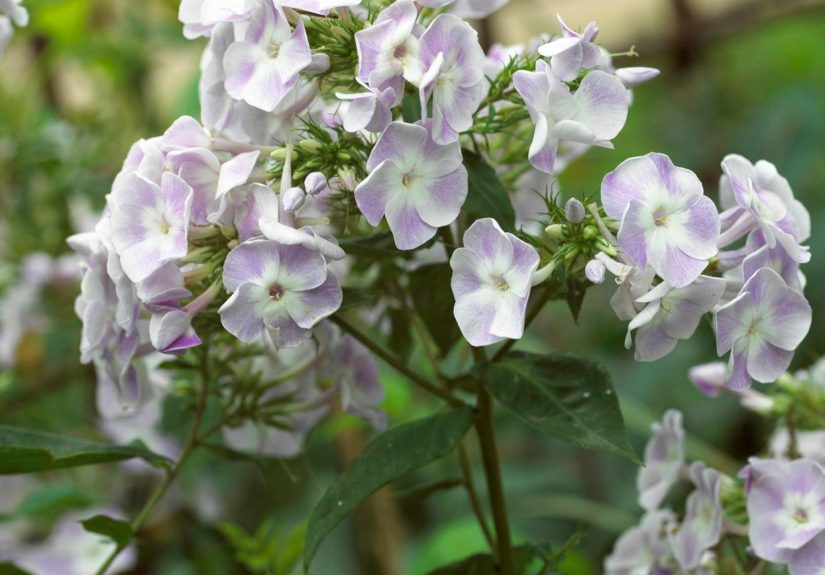
If you picture big, fragrant clusters in pinks, purples, and whites, you’re probably thinking of tall garden phlox. It blooms in
mid-to-late summer, looks amazing in borders, and attracts pollinators like it’s hosting a backyard gala. It also appreciates good
airflowbecause humidity plus crowding equals mildew drama.
Creeping or Moss Phlox (Phlox subulata): the Spring Groundcover
This is your “living mulch” optionlow, dense, and covered in flowers in spring. It’s great for rock gardens, edging, slopes, and
any place you want color without tall stems flopping into your walkway.
Woodland Phlox (Phlox divaricata): the Shade-Garden Sweetheart
Woodland phlox is a native species often grown for spring blooms and a soft, natural look under trees or along woodland edges.
It’s not a “deep shade, dry roots” plant, though. Think: dappled light, humus-rich soil, and consistent moisturelike a forest floor.
Annual Phlox (Phlox drummondii): the Color-Boosting One-Season Wonder
Want bright summer color in beds, borders, or containers without committing to a perennial relationship? Annual phlox delivers.
It’s especially handy for filling gaps while perennials size up.
Where Phlox Thrives: Light, Soil, Water (and a Little Common Sense)
Light
- Tall garden phlox: full sun is best, but light shade can work (especially in hotter regions).
- Creeping phlox: full sun for the best bloom; in very hot/humid summers, some dappled afternoon shade can help.
- Woodland phlox: partial shade to filtered sun (especially in warm climates).
- Annual phlox: sun to part sun; too much shade = fewer flowers.
Soil
Most phlox prefers well-drained soil with decent fertility. “Well-drained” doesn’t mean desert dry; it means water can move through
without turning the roots into a swampy science experiment. Improve heavy soil with compost. If your soil is sandy, compost helps
hold moisture.
Water
Phlox generally likes even moisture, especially during establishment and blooming. Water deeply at the base of the plant rather
than overheadwet leaves plus warm nights invite fungal issues. A 2–3 inch layer of mulch (kept a little away from stems) helps
stabilize moisture and keeps roots cooler in summer.
Airflow: The Underrated “Secret Sauce”
Tall garden phlox is famous for powdery mildew in humid or crowded conditions. Plant it where breezes can move through, give it
enough spacing, and avoid blasting the foliage with sprinkler water. These simple habits are often more effective than chasing the
problem later.
When to Plant Phlox
You have two main planting windows: spring and fall. Both work; your climate and schedule decide which is easier.
Spring Planting
Spring is ideal for most gardeners: the soil is workable, plants have a full season to establish, and you can monitor moisture as
temperatures rise. Plant after your area’s risk of hard frost has mostly passed.
Fall Planting
Fall planting can be excellent in many regions because the soil is still warm while the air cools downgreat conditions for root
growth. Aim to plant early enough that roots can establish before the ground freezes.
Step-by-Step: How to Plant Phlox (Without Overthinking It)
1) Prep the Planting Area
Loosen soil 8–12 inches deep where possible. Mix in compost if your soil is tight clay, low in organic matter, or dries out too fast.
Remove weeds nowyour future self will thank you when you’re not hand-weeding through phlox stems like you’re defusing a tiny bomb.
2) Dig a Proper Hole
Dig a hole about twice as wide as the root ball and roughly the same depth. The goal is to settle the plant at the right height, not
bury it like a treasure chest.
3) Set the Plant at the Right Depth
For tall garden phlox, position the crown slightly below the soil surface (often about an inch or so). For creeping and woodland
phlox, keep the crown at or just slightly above the surrounding soil grade, depending on how it was growing in its pot.
4) Space for the Adult Plant, Not the Baby Plant
Tall garden phlox typically does best when spaced to allow airflow (commonly around 18 inches apart, sometimes more depending on
cultivar size). Creeping phlox spreads, so give it room to knit together. Woodland phlox also appreciates space for airflow, but its
look is naturally looser and more “drift-like.”
5) Water In and Mulch
Water thoroughly right after planting to settle soil around the roots. Add 2–3 inches of mulch to conserve moisture and reduce
weeds, keeping mulch a small distance from stems to avoid rot issues.
How to Care for Phlox Through the Seasons
Spring: Set the Stage
- Feed lightly: If your soil is rich, compost topdressing is often enough. Otherwise, a balanced slow-release fertilizer can help.
- Thin tall garden phlox stems: In spring, removing some shoots improves airflow and can reduce mildew pressure later.
- Pinch for bushier plants (optional): Pinching the growing tips of tall garden phlox in late spring can encourage branching and more blooms.
Summer: Bloom Management (and Mildew Prevention)
- Water deeply: Consistent moisture supports bigger blooms and reduces stress.
- Deadhead: Remove spent flower clusters to extend bloom time and keep plants tidy.
- Stake if needed: Tall varieties can flop after heavy rainsupport them before they faceplant into your coneflowers.
- Keep leaves dry: Water at the soil line, ideally in the morning.
Fall: Cleanup That Actually Matters
For tall garden phlox especially, fall cleanup is a big deal for disease prevention. Removing and disposing of infected foliage can
reduce overwintering spores and help your plants start cleaner next spring. Cut back stems after frost, and don’t compost heavily
diseased material if you’re worried about spreading problems.
Winter: Mostly Hands-Off
Phlox is generally winter-hardy in the regions where it’s commonly grown. A light mulch layer can protect roots in areas with
freeze-thaw cycles, but avoid smothering crowns.
Common Phlox Problems (and How to Keep Them from Ruining the Show)
Powdery Mildew
This is the headline issue for tall garden phlox: a white, powdery coating that can reduce vigor and make plants look tired.
Prevention usually works better than rescue.
- Choose resistant cultivars when possible.
- Plant in full sun and space for airflow.
- Thin stems in spring so air can move through the plant.
- Avoid overhead watering and keep foliage dry.
- Clean up in fall to reduce disease carryover.
Leaf Spot, Root Rot, and “My Soil Is Basically Soup”
If leaves develop spots or the plant collapses at the base, investigate drainage and watering. Phlox likes moisture, but it does not
like standing water. Improve drainage, avoid mulch piled against stems, and water deeply but less frequently rather than shallow
daily sprinkles.
Pests
Depending on your region, you may see spider mites during hot, dry spells; Japanese beetles chewing flowers; or other occasional
nuisances. Healthy, unstressed plants handle pest pressure better. If pests become severe, consider integrated pest management:
hand-picking early, encouraging beneficial insects, and using targeted treatments only when necessary.
Deer and Rabbits
Some phlox types are listed as more deer-tolerant than others, but “deer-resistant” is really “deer will eat something else first,
unless they’re hungry and have opinions.” If browsing is a problem, use fencing or repellents and choose plants strategically.
How to Propagate and Rejuvenate Phlox
Divide Tall Garden Phlox Every Few Years
Tall garden phlox often benefits from division about every 2–4 years. Division keeps plants vigorous, reduces overcrowding (hello,
airflow), and gives you extra plants to spread around or share. Springbefore strong new growthis commonly considered the easiest
time. Replant divisions promptly, keeping roots moist.
Take Cuttings for Clones (the Good Kind)
Stem cuttings (and in some cases root cuttings) can produce plants identical to the parent, which is helpful if you love a specific
color or mildew-resistant cultivar. Cuttings are especially useful when you want more plants without waiting for division size.
Grow Annual Phlox from Seed
Annual phlox can be started from seed indoors or sown directly when conditions are warm enough. Keep seedlings evenly moist,
provide bright light, and harden off before planting outside. Annuals are great for quick color and pollinator-friendly pockets.
Design Ideas: Where Phlox Looks Best
Use Creeping Phlox as a “Color Carpet”
Plant creeping phlox along a sunny edge, let it spill over a retaining wall, or use it on a slope where you want spring flowers and
light erosion control. It shines in rock gardens where drainage is excellent.
Build a Summer Border Around Tall Garden Phlox
Pair tall garden phlox with coneflowers, black-eyed Susans, bee balm, salvias, and ornamental grasses. This combination supports
pollinators, creates long-season interest, and looks intentionally “designed” even if you picked plants based on vibes and a coupon.
Let Woodland Phlox Glow in Part Shade
Woodland phlox plays well with hostas, ferns, coral bells, and other woodland perennials. Plant it in drifts for a naturalized look
rather than isolated single plants.
Quick Checklist: Phlox Success in 60 Seconds
- Choose the right type: tall, creeping, woodland, or annual.
- Match light levels: sun for tall/creeping; part shade for woodland.
- Plant in well-drained soil with compost for better moisture balance.
- Water at the base; avoid overhead irrigation.
- Space tall garden phlox for airflow; thin stems in spring.
- Deadhead for longer bloom; cut back and clean up in fall.
- Divide tall garden phlox every few years to keep it vigorous.
Conclusion
Phlox is proof that “easy to grow” can still look fancy. The biggest wins come from simple choices: pick the right phlox for your
light conditions, plant it in soil that drains well but doesn’t bake dry, and give tall garden phlox enough airflow to keep mildew from
crashing the party. Do that, and you’ll get months of color, fragrance, and pollinator activityplus the quiet satisfaction of knowing
your garden looks expensive while your budget absolutely was not.
Real-World Experiences: Lessons Gardeners Learn Growing Phlox (Extra 500+ Words)
If you ask a group of gardeners about phlox, you’ll get a surprising amount of emotion for a plant that mostly just sits there and
blooms. That’s because phlox tends to teach the same practical lessons again and againusually right after someone says,
“It’ll be fine, I’ll just squeeze one more plant into this space.”
1) Spacing feels “too roomy” until midsummerthen it feels genius
Tall garden phlox often looks a little sparse right after planting, so people plant it closer for “instant fullness.” Fast-forward to
July: stems are taller, leaves are thicker, humidity is high, and suddenly the plant is a leafy traffic jam. Gardeners who’ve dealt
with powdery mildew often say the turning point was giving phlox real breathing roomespecially in climates with warm nights.
The plants not only stayed healthier, they also bloomed better because the foliage wasn’t stressed and shaded.
2) Watering at the base is a small habit with big results
Many gardeners start with overhead sprinklers because it’s convenient, and then wonder why leaves look rough by late summer.
Switching to soaker hoses, drip irrigation, or careful base watering is one of the most common “why didn’t I do this sooner”
upgrades. It’s not just about diseasedeep, targeted watering encourages deeper roots and steadier bloom performance, especially
during heat waves.
3) “Right plant, right place” matters more with woodland phlox than people expect
Woodland phlox is often purchased because it’s pretty and native, and then planted in full sun “just to see what happens.”
Sometimes it survives; sometimes it sulks. Gardeners who succeed with woodland phlox usually recreate woodland conditions:
filtered light, soil with organic matter, and moisture that doesn’t swing from soaking wet to bone-dry. Once it’s settled in, many
report it becomes one of the easiest spring bloomers in the shade gardenespecially when lightly mulched to keep roots cool.
4) Creeping phlox loves drainage more than pampering
With creeping phlox, gardeners often learn the hard way that “wet feet” can be worse than a short dry spell. On a slope, a rock
garden, or a sunny edge with gravelly soil, it can look spectacular. In heavy clay that holds water, it may thin out or struggle.
Many gardeners see their best results when they improve drainage (raised beds, grit, or a naturally well-drained site) and then
keep care simple: sun, occasional deep watering during drought, and a trim after flowering to keep it dense.
5) Disease-resistant cultivars are not “cheating”they’re smart gardening
Gardeners who’ve battled mildew often become enthusiastic evangelists for resistant cultivars. It’s not about perfection; it’s about
enjoying the flowers without turning every August into a fungal management seminar. In many gardens, selecting healthier varieties,
planting in sun, and doing basic sanitation cuts down issues dramatically. The plant still looks like phloxjust less like it lost a
fight with flour.
6) Phlox is a social plant: it shines in combinations
Phlox rarely looks best as a lonely single specimen. Gardeners often get their most “wow” results when phlox is part of a
coordinated cast: tall garden phlox rising behind daisies and coneflowers, or woodland phlox drifting through ferns and hostas.
In pollinator gardens, people notice a steady stream of visitors when phlox is planted near other nectar plants that bloom before
and after itcreating a season-long buffet rather than a one-week snack.
7) Division is the reset buttonand gardeners who use it feel like wizards
After a few years, clumps can get crowded, blooms can shrink, and disease pressure can rise. Gardeners who divide tall garden
phlox regularly often describe the same experience: the “new” plants take off with fresh energy, bloom more freely, and are easier
to keep clean. It’s one of those old-school perennial habits that sounds like extra workuntil you see the payoff.
The biggest takeaway from real gardens is simple: phlox rewards steady basics. Give it the right light, keep the soil consistently
moist but not soggy, and prioritize airflow for tall types. Do that, and phlox becomes the kind of plant you recommend to friends
with the confidence of someone who has already learned the lessons for them.