Table of Contents >> Show >> Hide
- Why Do Hamsters Bite?
- How to Train a Hamster Not to Bite: 14 Steps
- 1. Give Your New Hamster Time to Settle In
- 2. Learn Your Hamster’s Schedule
- 3. Wash Your Hands Before Handling
- 4. Start by Talking, Not Touching
- 5. Offer Treats Through a Safe, Calm Approach
- 6. Place Your Hand in the Cage Without Grabbing
- 7. Let Your Hamster Climb Onto Your Palm
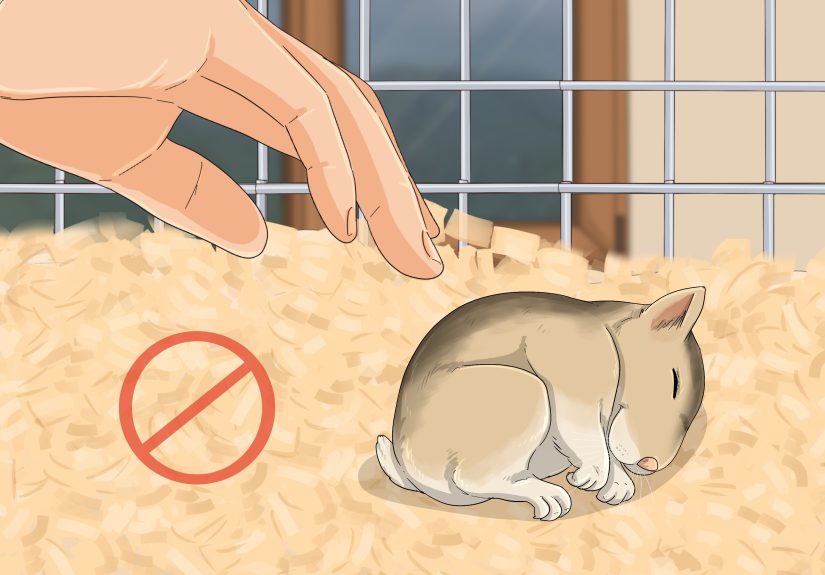
- 8. Avoid Picking Up From Above
- 9. Use the Two-Hand Scoop Method
- 10. Handle Over a Soft, Safe Surface
- 11. Keep Training Sessions Short
- 12. Do Not Punish Biting
- 13. Improve the Cage Environment
- 14. Rule Out Pain or Illness
- Common Mistakes That Make Hamster Biting Worse
- What to Do If Your Hamster Bites You
- How Long Does It Take to Train a Hamster Not to Bite?
- Best Treats for Hamster Taming
- Experience-Based Tips: What Training a Bitey Hamster Really Feels Like
- Conclusion
Hamsters are tiny, fluffy, snack-hoarding comedians with cheeks that look like they are smuggling popcorn through airport security. But even the cutest hamster can bite when scared, startled, stressed, or handled the wrong way. The good news? Most hamster biting is not “bad behavior.” It is communication. Your hamster is basically saying, “Excuse me, giant hand creature, I do not yet trust this situation.”
Learning how to train a hamster not to bite is really about building trust, improving handling habits, and creating a safe routine. Hamsters are prey animals, which means their first instinct is to protect themselves. If they are awakened suddenly, grabbed from above, squeezed, chased around the cage, or touched with fingers that smell like peanut butter, a bite may happen faster than you can say, “Ouch, my tiny roommate has opinions.”
This guide walks you through 14 practical steps to stop hamster biting gently and safely. You will learn why hamsters bite, how to tame a nervous hamster, how to pick up a hamster correctly, and how to make handling feel less like a horror movie from your pet’s point of view.
Why Do Hamsters Bite?
Before training starts, it helps to understand the cause. Hamsters may bite because they are frightened, surprised, territorial, in pain, overhandled, hungry, stressed by noise, or confused by food smells on your hands. Some hamsters also nibble during exploration because they use their teeth and nose to investigate the world.
A sudden bite does not mean your hamster hates you. It usually means the hamster needs more time, better handling, or a calmer environment. Training should never involve punishment. Yelling, tapping the cage, blowing on the hamster, or forcing interaction only teaches your pet that humans are scary. Instead, use patience, treats, routine, and gentle repetition.
How to Train a Hamster Not to Bite: 14 Steps
1. Give Your New Hamster Time to Settle In
When a hamster first arrives home, everything is new: the cage, smells, sounds, bedding, food bowl, and the large human face staring lovingly through the bars. Give your hamster at least several days to adjust before serious handling begins. During this period, keep the cage in a quiet area, refill food and water gently, and avoid unnecessary touching.
Think of it as the “welcome home, please do not panic” phase. A calm start helps reduce defensive biting later.
2. Learn Your Hamster’s Schedule
Hamsters are most active in the evening and at night. Trying to handle one during deep sleep is like someone pulling you out of bed at 3 a.m. and asking for a handshake. Not ideal. A startled hamster is much more likely to bite.
Wait until your hamster is awake, moving around, grooming, eating, or exploring. If you need to announce yourself, speak softly near the cage before opening it. Let your hamster know you are there instead of appearing like a surprise villain in a tiny fur drama.
3. Wash Your Hands Before Handling
Hamsters have a strong sense of smell. If your fingers smell like chips, fruit, chicken, or another pet, your hamster may mistake them for food or a threat. Wash your hands with mild, unscented soap before handling. Avoid heavily perfumed lotions or sanitizer right before contact because strong smells can be confusing or unpleasant.
This one small habit can prevent many “taste-test” nips.
4. Start by Talking, Not Touching
For the first training sessions, sit near the cage and speak in a calm voice. You can read aloud, talk about your day, or tell your hamster that rent is due in sunflower seeds. The point is to help your pet associate your voice and presence with safety.
Do this for a few minutes each evening. When your hamster continues eating, grooming, or exploring while you are nearby, that is a sign of growing comfort.
5. Offer Treats Through a Safe, Calm Approach
Use tiny pieces of hamster-safe treats, such as a small bit of plain oat, a seed, or a tiny piece of safe vegetable. Offer the treat near your hamster without chasing it. Let your hamster approach at its own pace.
The goal is simple: your hamster learns that your hand brings good things, not chaos. Keep treats small so you do not accidentally create a round, furry snack barrel with legs.
6. Place Your Hand in the Cage Without Grabbing
Once your hamster accepts treats calmly, place your clean hand flat inside the cage for a short time. Do not move toward the hamster. Do not poke, scoop, chase, or wiggle your fingers like mysterious worms. Just let your hand exist.
Your hamster may sniff, walk around, ignore you, or lightly nibble. If the nibble is gentle, stay calm. If your hamster bites hard, slowly remove your hand and try again another day with less pressure.
7. Let Your Hamster Climb Onto Your Palm
After your hamster is comfortable near your hand, place a treat in the center of your open palm. At first, your hamster may stretch like a tiny yoga instructor to grab the treat without stepping on you. That is normal. Over time, move the treat slightly farther back so your hamster has to place one paw, then two paws, and eventually its whole body on your hand.
This step teaches confidence. Your hamster chooses contact, which is much better than being grabbed.
8. Avoid Picking Up From Above
In the wild, danger often comes from above. A hand descending over a hamster can feel like a predator attack. Instead, approach from the side or front where your hamster can see you. Use both hands to create a gentle scoop.
Imagine lifting a tiny water balloon with feelings. Support the body, stay low, and move slowly.
9. Use the Two-Hand Scoop Method
When your hamster is ready, cup both hands around it gently and lift only an inch or two above the bedding. Keep the first lifts short. If your hamster jumps, it lands safely. Gradually increase handling time as confidence improves.
Never squeeze. Hamsters are delicate, and tight restraint can cause panic biting. Your hands should feel like a safe bowl, not a furry jail cell.
10. Handle Over a Soft, Safe Surface
Once your hamster can be lifted, move to a secure area such as a bathtub lined with a towel, a playpen, or your lap while seated on the floor. Hamsters can move suddenly, and even a tame hamster may leap when startled.
Short, safe sessions reduce stress and prevent injuries. A hamster that feels secure is less likely to bite.
11. Keep Training Sessions Short
Five calm minutes are better than 30 stressful ones. Start with short sessions and end before your hamster becomes overwhelmed. Signs of stress include freezing, frantic running, loud squeaking, repeated attempts to escape, teeth chattering, or sudden defensive lunging.
End on a positive note when possible. Give a treat, return your hamster gently to the cage, and let it relax.
12. Do Not Punish Biting
If your hamster bites, resist the urge to shout or jerk your hand wildly. Yes, this is difficult, especially when a creature the size of a dinner roll has just activated its emergency teeth. But dramatic reactions can scare your hamster and make future bites more likely.
Calmly place the hamster back in the cage or remove your hand slowly. Wash the bite with soap and water if the skin is broken. If the bite is deep, becomes red or swollen, or shows signs of infection, contact a medical professional.
13. Improve the Cage Environment
A stressed hamster is more likely to bite. Make sure your hamster has enough space, deep bedding for burrowing, a properly sized wheel, chew toys, hiding spots, fresh water, and a predictable routine. Boredom, cramped housing, lack of enrichment, and frequent disturbances can increase defensive behavior.
Also, remember that Syrian hamsters should generally live alone. Many hamsters become stressed or aggressive when housed with another hamster, and stress can spill over into human handling.
14. Rule Out Pain or Illness
If a normally gentle hamster suddenly starts biting, consider health issues. Pain, dental problems, injury, skin irritation, poor vision, or illness can make handling uncomfortable. Watch for changes such as reduced appetite, weight loss, wet tail area, unusual posture, swelling, overgrown teeth, hair loss, or low energy.
When behavior changes suddenly or biting becomes intense and frequent, schedule a visit with an exotic-pet veterinarian. Training cannot fix pain. A healthy hamster is much more likely to become a calm hamster.
Common Mistakes That Make Hamster Biting Worse
Chasing Your Hamster Around the Cage
Chasing turns your hand into a predator. Instead, use treats and patience. Let your hamster come to you.
Waking a Sleeping Hamster Suddenly
This is one of the fastest ways to get bitten. Speak softly and wait until your hamster is naturally awake whenever possible.
Holding Too Tightly
Hamsters may bite when restrained. Support without squeezing, and keep handling sessions short.
Letting Young Children Handle Without Supervision
Children may move quickly or squeeze accidentally. Always supervise and teach gentle handling.
Moving Too Fast
Some hamsters tame in days. Others need weeks. The hamster sets the pace, not your Instagram goals.
What to Do If Your Hamster Bites You
If your hamster bites, stay calm. Put the hamster safely back in the cage if needed. Wash the wound with warm water and soap, especially if the skin is broken. Apply basic first aid and monitor for redness, swelling, warmth, pus, increasing pain, fever, or red streaks. Seek medical care for deep bites, bites near joints, signs of infection, or if you are unsure about your tetanus status.
Afterward, think like a detective. Was your hamster asleep? Did your hands smell like food? Did you grab from above? Was the session too long? Did something loud happen nearby? Each answer helps you adjust the next training session.
How Long Does It Take to Train a Hamster Not to Bite?
Many hamsters improve within two to five weeks of consistent, gentle training. Some take longer, especially if they were handled roughly before, are very young, are naturally shy, or belong to a more skittish dwarf variety. Progress may look small at first: your hamster stops hiding, takes a treat, sniffs your hand, steps onto your palm, then finally allows a short lift.
Celebrate tiny wins. In hamster training, one paw on your hand is basically a graduation ceremony.
Best Treats for Hamster Taming
Good training treats are small, safe, and not too sugary. Try plain oats, a tiny piece of cucumber, a small bit of carrot, a sunflower seed, or a piece of plain cooked egg in moderation. Avoid sticky, salty, seasoned, sugary, or processed foods. Treats should support trust, not turn your hamster into a tiny snack-powered bowling ball.
Experience-Based Tips: What Training a Bitey Hamster Really Feels Like
Training a hamster not to bite often feels less like “teaching commands” and more like negotiating a peace treaty with a very small, very suspicious potato. The first few days can be humbling. You may place your hand in the cage with all the confidence of a professional animal trainer, only for your hamster to sniff one finger and vanish into a tunnel like it owes you money. That is normal. Trust is not instant.
One useful experience is learning to slow down more than you think necessary. Humans tend to rush because we understand our intentions. We know we are trying to cuddle, clean, or offer a treat. The hamster does not know that. From its perspective, a huge hand has entered the house without an appointment. Moving slowly gives your hamster time to process what is happening.
Another common lesson is that the cage setup matters as much as the training technique. A hamster in a noisy room, a shallow cage, or a space without enough hiding places may act more defensive. When a hamster has deep bedding, a hideout, a wheel, chew toys, and a predictable feeding routine, it often becomes easier to handle. Security inside the cage creates confidence outside the cage.
Food smells are another sneaky culprit. Many owners get bitten after eating snacks and forget that hamster noses are basically tiny detective agencies. Washing hands before handling can make a dramatic difference. Unscented soap is best because strong perfume smells may be just as confusing as food smells.
Short sessions also work better than marathon bonding attempts. A nervous hamster may tolerate two peaceful minutes but panic at minute eight. Ending early, before stress builds, teaches your hamster that handling has a beginning and an end. Over time, the hamster learns, “I climb on the hand, I get a treat, nothing terrible happens, and I go home.” That predictable pattern is powerful.
It is also helpful to accept your hamster’s personality. Some hamsters become cuddly and curious. Others remain independent and prefer limited handling. Success does not always mean your hamster becomes a pocket-sized golden retriever. Success may mean your hamster no longer bites during feeding, accepts brief handling, and feels safe around you. That is still a wonderful bond.
If a bite happens, the best experience-based advice is: do not take it personally. A hamster bite stings, but it is usually fear, not betrayal. Review the moment, adjust your approach, and try again later. Patience turns the scary hand into the snack hand, and in hamster society, the snack hand is a very respected institution.
Conclusion
Training a hamster not to bite starts with understanding, not force. Hamsters bite when they are scared, startled, stressed, uncomfortable, or unsure. By giving your hamster time to settle in, approaching during active hours, washing your hands, using treats, avoiding sudden grabs, and practicing gentle handling, you can build trust step by step.
The most important rule is simple: let your hamster feel safe. A safe hamster is calmer, easier to handle, and far less likely to use its teeth as a customer service department. Move slowly, respect your pet’s limits, and keep sessions positive. With patience, your hamster can learn that your hands are not dangerousthey are just the friendly treat-delivery system with thumbs.