Table of Contents >> Show >> Hide
- Before You Start: What “Good Watering” Actually Means
- How to Water a Christmas Tree: 11 Steps
- Start with a tree that still has some fight left in it
- Measure the trunk and pick a stand that can keep up
- Make a fresh, straight cutright before the tree goes into water
- Get the trunk into water ASAP (don’t let the cut end dry out)
- Fill the stand with plain tap wateryes, just water
- Make “base submerged” your non-negotiable rule
- Check water twice a day at first (yes, your tree is that thirsty)
- Don’t stress about water temperature, but do stay consistent
- Position the tree like you’re trying to keep it from evaporating
- Make refilling easy: funnels, tubing, or an auto-fill system
- Troubleshoot “my tree isn’t drinking” (and know when it’s time to retire it)
- How Much Water Does a Christmas Tree Need?
- FAQ: Quick Answers That Save Your Sanity (and Your Carpet)
- Safety Note: Watering Isn’t Just for Looks
- Conclusion: Keep It Simple, Keep It Filled
A real Christmas tree is basically a seven-foot-tall bouquet that moved into your living room and immediately
started asking for room service. The good news: keeping it fresh is less “mystical holiday magic” and more
“steady hydration and basic physics.”
If your tree is dropping needles, looking dull, or (worst-case) turning into kindling with ornaments, odds are the
problem is waterhow much, how often, and whether the trunk can actually drink it. Below is a practical,
research-backed method to keep your tree hydrated, happier, and safer.
Before You Start: What “Good Watering” Actually Means
- The trunk must stay submerged. If the water level drops below the base, the cut end can seal with resin and stop drinking.
- Capacity matters. A thirsty tree can gulp a lot early on, so a tiny stand is basically a “sip cup” for a marathon runner.
- Consistency beats cleverness. Fancy additives, miracle mixes, and old wives’ potions are not a substitute for plain water in the stand.
How to Water a Christmas Tree: 11 Steps
-
Start with a tree that still has some fight left in it
Watering works best when the tree is fresh. Do a quick “health check” at the lot:
needles should feel flexible and mostly stay on the branch when you gently tug; the tree should smell like
Christmas (not like a dusty storage closet). If a light touch makes it “snow” needles everywhere, you’re
buying a future fire hazard with a nice personality. -
Measure the trunk and pick a stand that can keep up
Your stand needs enough reservoir space to keep the base submerged all the time. A widely used guideline is
planning for about one quart of water per inch of trunk diameter. Translation: a 4-inch trunk can
drink roughly a gallon a day at the beginning, so a stand that barely holds a coffee mug is… optimistic.Pro tip: choose a stand that’s easy to refill without crawling under branches like you’re auditioning for a
holiday-themed obstacle course. -
Make a fresh, straight cutright before the tree goes into water
This is the “unclog the straw” moment. Conifers produce resin that seals the cut end; once it seals, water
uptake slows. Cut about 1/2 to 1 inch off the base (straight across). Don’t cut at an angle or into
a V-shapethose cuts reduce stability and don’t help hydration. -
Get the trunk into water ASAP (don’t let the cut end dry out)
The sooner the tree hits water, the better. If you’re not decorating right away, park the trunk in a bucket of
water in a cool spot (garage/basement) until you’re ready. The goal is to keep the cut surface clean and wet,
not bruised or drying while you “just run one quick errand” that turns into a two-hour adventure. -
Fill the stand with plain tap wateryes, just water
Skip the sugar, aspirin, bleach, vodka, sports drinks, or anything that sounds like a TikTok “tree hack.”
Research-based guidance consistently points to plain water as the best option for maintaining
freshness. If you want to help your tree, your energy is better spent on keeping the reservoir filled. -
Make “base submerged” your non-negotiable rule
Your mission is simple: never let the water level fall below the bottom of the trunk.
Some stands can look like they still have water while the trunk is actually high and dry. Use a flashlight,
a dipstick, or a funnel-and-tube setup so you can confirm the base is truly underwater. -
Check water twice a day at first (yes, your tree is that thirsty)
For the first 48 hoursand often for the first weeka fresh tree can drink aggressively. Morning and evening
checks prevent surprise “dry trunk” moments that make the tree seal up again.Once consumption slows, you can usually move to a once-daily rhythm, but keep an eye on it if your home is
warm or the stand is small. -
Don’t stress about water temperature, but do stay consistent
Room-temp tap water is fine. The big lever is water availability, not whether it’s warm or cold. If your tree
has stopped drinking and you suspect sap re-sealed the base, slightly warm water may help in that specific
troubleshooting scenariobut it’s not a “daily secret.” -
Position the tree like you’re trying to keep it from evaporating
Heat dries a tree faster, which increases water demand and speeds needle drop. Keep the tree at least
three feet from fireplaces, radiators, space heaters, heat vents, and direct sunlight. Bonus:
a cooler room slows drying, so your tree drinks less and looks better longer. -
Make refilling easy: funnels, tubing, or an auto-fill system
If your stand opening is hidden under branches, use a long-neck funnel or a funnel with flexible tubing.
If you travel during the holidays, consider an auto-watering stand or a monitored reservoir setup.
The best system is the one you’ll actually usedailywithout resentment. -
Troubleshoot “my tree isn’t drinking” (and know when it’s time to retire it)
If water consumption suddenly drops to near-zero:
- Confirm the base is submerged. This fixes more “not drinking” issues than people expect.
- Check stand alignment. A crooked trunk can lift the base above water even when the reservoir looks full.
- Re-cut the trunk. If it dried out or sealed, a fresh straight cut can restore uptake.
- Avoid shaving bark. Don’t whittle the sides to fit a standouter layers are important for water movement.
If the tree is brittle, shedding heavily, or can’t maintain moisture even with proper watering, it may be drying
out beyond recovery. At that point, the safest move is to take it down and recycle it through your community program.
How Much Water Does a Christmas Tree Need?
A common rule of thumb is up to one quart of water per day for each inch of trunk diameter. That means
a 7-foot tree with a 3-inch trunk may need around 3 quarts per day, especially early on. Many people also
notice a “first-day chug,” where the tree drinks dramatically more in the first 24 hours than it does later.
Don’t let big numbers scare youheavy water use is often a good sign. A tree that’s drinking is a tree that’s staying
hydrated, holding needles longer, and remaining less prone to rapid ignition compared to a dried-out tree.
FAQ: Quick Answers That Save Your Sanity (and Your Carpet)
How often should I water my Christmas tree?
Check the water level at least daily. For the first several days (or the first week), checking morning and evening
is smartespecially if the stand is small or your home runs warm.
Should I add sugar, aspirin, bleach, or a “tree preservative”?
The simplest and most consistently recommended approach is plain water. Additives aren’t necessary for
freshness, and some guidance cautions they can interfere with water uptake or encourage clogging issues.
Hot water or cold water?
Water temperature usually doesn’t matter much for routine care. If you forgot the fresh cut and the base sealed,
warm water might help in that specific “oops” momentbut the best fix is still a fresh cut plus keeping the stand filled.
Why did my tree drink a ton at first and then slow down?
That tapering is normal. Early on, the tree is rehydrating and pulling water rapidly. As days pass, uptake can slow.
As long as the base stays submerged and needles remain flexible, you’re usually in good shape.
Safety Note: Watering Isn’t Just for Looks
A well-watered tree can be a less severe fire hazard than a dry one, but “less risky” is not the same as “risk-free.”
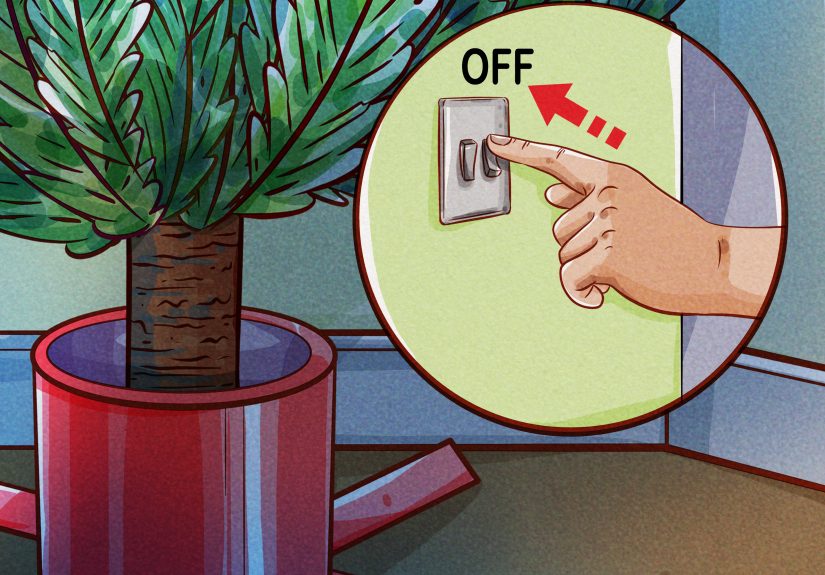
Keep the tree away from heat sources, use lighting that’s in good condition, turn lights off before bed or when you leave,
and never decorate with lit candles. If the tree is drying out, remove it promptly.
Conclusion: Keep It Simple, Keep It Filled
If you remember nothing else, remember this: fresh cut + big enough stand + never let the base go dry.
Do those three things and you’ll dramatically reduce needle drop, preserve that classic evergreen smell, and improve holiday
safety. Your tree doesn’t need a secret recipeit needs a reliable water supply and a spot that isn’t basically a sauna.
of Real-Life Watering Experiences (What People Usually Notice)
Here’s what tends to happen in real homes (and why it’s totally normal to feel like you adopted a surprisingly needy
houseplant). Day one is often a shock: you fill the stand, step back to admire your work, andsomehowby evening the water
level looks like it evaporated out of spite. That “vanishing water” is usually your tree doing exactly what you want:
rehydrating fast. Many households report the first 24 hours as the thirstiest stretch, which is why twice-daily checks are
the difference between “fresh and festive” and “why is it crunchy already?”
Another common experience is the false sense of security from certain stands. People peek into the reservoir and see water,
then assume all is wellonly to learn later that the trunk wasn’t actually submerged. Once the base is exposed, even briefly,
resin can seal the cut end again, and then the tree seems to “refuse” water. In practice, the fix is rarely dramatic:
re-center the trunk so it sits low, top off the reservoir, andif the base driedmake a fresh straight cut before resetting.
It feels like a hassle, but it’s basically the same logic as trimming flower stems before putting them in a vase.
People also tend to overthink water temperature and underthink convenience. If refilling requires crawling under branches
and dodging ornaments, it’s easy to skip a day. The households who keep their trees looking great usually do one unglamorous
thing: they make watering easy. A long-neck funnel, a piece of flexible tubing, or a stand with an accessible fill spout
turns watering into a 30-second habit instead of a daily negotiation. Some even set a phone reminderbecause nothing says
“holiday spirit” like an alert that reads, “Hydrate the tree (again).”
Finally, there’s the moment every real-tree household recognizes: the week when you realize your home’s heat and dryness are
quietly accelerating needle drop. People often notice that turning the thermostat down a couple degrees, moving the tree away
from a vent, or simply keeping it out of direct sunlight reduces how quickly the stand empties. The tree looks better, the
needles stay more flexible, and the whole setup feels calmer. The end result is less cleanup, fewer crunchy needles in the rug,
and a tree that actually lasts through the celebrations instead of tapping out halfway to New Year’s.