Table of Contents >> Show >> Hide
- What Is a Personification Poem?
- Why Personification Works So Well in Poetry
- How to Write a Personification Poem: 10 Steps
- Step 1: Choose a subject that already has some emotional charge
- Step 2: Decide what kind of “person” your subject will become
- Step 3: Pick the poem’s point of view
- Step 4: Build your poem with sensory details, not just ideas
- Step 5: Choose verbs that feel alive
- Step 6: Let sound help meaning
- Step 7: Break the lines with intention
- Step 8: Avoid the first cliché and go one layer deeper
- Step 9: Draft fast, then revise slowly
- Step 10: Read the poem aloud and listen for where it stumbles
- A Quick Example of a Personification Poem
- Common Mistakes to Avoid
- What Writing a Personification Poem Often Feels Like in Real Life
- Final Thoughts
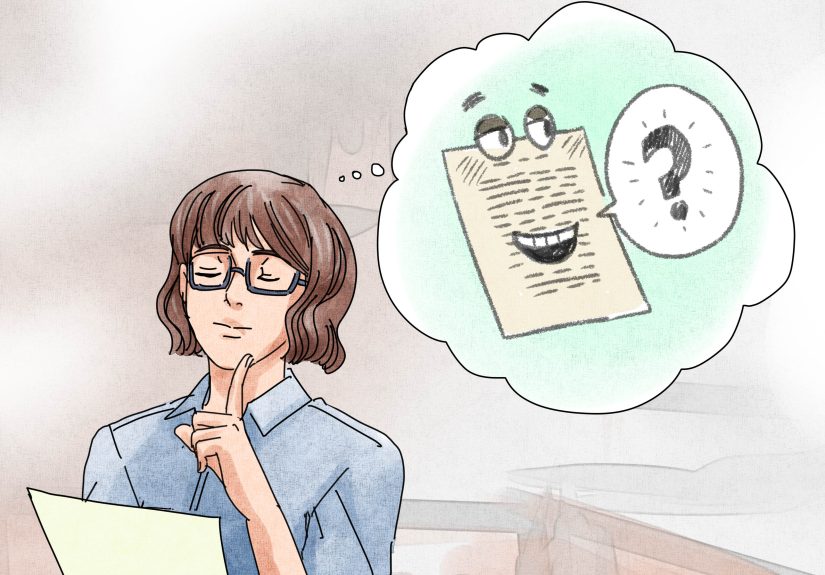
Writing a personification poem is one of the most entertaining ways to make language feel alive. You are not just describing the moon, the wind, a coffee mug, or your overworked laptop. You are giving that thing a pulse, a mood, and maybe even a tiny attitude problem. Suddenly, the rain is sulking, the sidewalk is yawning, and the clock on your wall is nagging you like an unpaid life coach.
If that sounds dramatic, good. Poetry loves drama. And personification is one of its most useful tricks because it helps writers turn ordinary objects, animals, ideas, and forces of nature into characters readers can instantly picture and feel. A personification poem can be playful, emotional, mysterious, funny, or heartbreaking. It can make a lonely room feel human or make a loud city seem like it is stomping around in heavy boots.
In this guide, you will learn exactly how to write a personification poem in 10 practical steps. You will also see examples, common mistakes to avoid, and real-world writing experiences that show what the process actually feels like when you sit down with a blank page and one brave little idea.
What Is a Personification Poem?
A personification poem is a poem that gives human qualities to something nonhuman. That “something” might be a season, an animal, an object, a place, an emotion, or even a concept like time, hope, fear, or memory. Instead of saying, “The wind was strong,” a poet might write, “The wind shoved its cold hands through the trees.” Instead of saying, “The alarm clock rang,” the poet might say, “My alarm clock screamed me out of bed like a furious parent on a school morning.”
The goal is not to sound fancy for the sake of sounding fancy. The goal is to create a stronger emotional connection. Personification helps readers see, hear, and feel the subject more vividly. It also gives you room to build tone. A storm can laugh. A house can brood. A river can gossip. A lamp can keep watch all night like an anxious insomniac.
That is what makes this technique so powerful. You are not just reporting what something is. You are revealing what it feels like.
Why Personification Works So Well in Poetry
Poetry depends on compression, image, sound, and emotional force. Personification helps with all four. It compresses meaning by turning a plain description into a loaded one. It sharpens imagery by giving the reader a picture with motion and personality. It adds sound and rhythm because human verbs are often more energetic than flat descriptive ones. And it deepens emotional force because people naturally connect to voices, gestures, moods, and motives.
In other words, personification lets a poet sneak a little theater onto the page.
How to Write a Personification Poem: 10 Steps
Step 1: Choose a subject that already has some emotional charge
Start with something that gives you a reaction. This is important. If the subject feels dead to you, the poem will probably feel dead to your reader too. Choose something that annoys you, comforts you, fascinates you, scares you, or reminds you of something larger.
Great choices include rain, winter, a mirror, your bedroom window, a highway, a stray cat, your phone battery, the sun, silence, homework, a hospital hallway, or even Monday morning itself. Yes, Monday morning is technically not an object, but poetry has never been famous for obeying office rules.
Ask yourself: What do I already feel when I think about this thing? If your answer is strong, you have a good starting point.
Step 2: Decide what kind of “person” your subject will become
Now give your subject a human personality. Not a generic one. A specific one. Is the moon shy, proud, nosy, tired, glamorous, bored, or grieving? Is your backpack loyal, grumpy, exhausted, or secretly judgmental? Is the city a boxer, a comedian, a thief, or a host who never sleeps?
This step matters because personification is stronger when it is consistent. If your ocean begins the poem as a calm grandmother and ends it acting like a caffeinated toddler, your reader may get confused unless that change is intentional.
Write down three to five human traits for your subject before you draft. Those traits will guide your word choice.
Step 3: Pick the poem’s point of view
Every poem needs a perspective. You can write from the speaker’s point of view, where you describe the personified subject. You can also let the object or idea speak in first person. That second option is especially fun.
For example, instead of writing:
The old house looked lonely in winter.
You could write:
I keep my windows shut / so the snow will not see me shiver.
When the subject speaks, the poem often becomes more intimate and memorable. A clock complaining about being ignored. A candle bragging about surviving the dark. A pair of sneakers remembering every street they have walked. These voices can carry surprising emotional weight.
Step 4: Build your poem with sensory details, not just ideas
Here is where many beginner poems wobble a little. Writers often lean too hard on abstract statements like “The wind was angry” or “The tree was sad.” That is a start, but it is not enough. Readers do not want a label; they want an experience.
Use the senses. What does your subject sound like, smell like, feel like, look like, or even taste like if the scene allows it? Instead of saying the wind is angry, show it slamming doors, biting ears, rattling gutters, and whipping clotheslines into arguments. Instead of saying the tree is sad, show it stooping under wet leaves, dropping them one by one like letters it no longer wants to send.
Sensory writing is what makes a personification poem vivid instead of merely clever.
Step 5: Choose verbs that feel alive
Verbs do most of the heavy lifting in a personification poem. Weak verbs flatten the image. Strong verbs wake it up.
Compare these lines:
- The sun was in the sky.
- The sun leaned over the rooftops.
- The sun pried open the morning.
The first line reports. The second and third lines perform. That is what you want. Look for verbs that imply human action, motive, or body language: whispered, sulked, bragged, limped, scowled, clutched, wandered, winked, nagged, flinched, eavesdropped.
One warning, though: do not stuff every line with fireworks. If every leaf is shouting and every lamp is singing and every puddle is plotting revenge, the poem may become a circus. Unless you want a circus. In that case, carry on.
Step 6: Let sound help meaning
Poetry is not only visual. It is musical. Read your lines aloud and listen for rhythm, repetition, consonance, assonance, and internal rhyme. A poem about a soft snowfall may benefit from hush-like sounds such as s, sh, and f. A poem about thunder may sound better with hard consonants like k, t, and d.
For example:
The kettle kept its small complaint
That line works partly because the repeated k sounds create a clipped, fussy energy. Sound supports character.
If your poem feels flat, the problem may not be the idea. It may be the music.
Step 7: Break the lines with intention
Line breaks are not decoration. They affect pace, emphasis, surprise, and meaning. A short line can feel abrupt or tense. A longer line can feel flowing, conversational, or overwhelming. Where you end a line changes what the reader notices.
Look at this example:
The hallway waited
with its mouth open
Breaking after waited creates a brief pause. That pause adds suspense before the odd, slightly eerie image of the hallway having a mouth.
When revising, experiment with line breaks. Move one word down. Pull one phrase up. Sometimes the difference between an okay poem and a memorable one is a single strategic break.
Step 8: Avoid the first cliché and go one layer deeper
This is one of the most valuable writing habits you can develop. Your first idea is often usable, but not always interesting. The moon as a “silver queen,” the wind that “whispers,” the flowers that “dance,” the stars that “wink” these are familiar because they work, but they can also feel overused if nothing new is added.
Push yourself once more. Maybe the moon is not a queen. Maybe it is a night-shift nurse checking every rooftop window. Maybe the flowers are not dancing. Maybe they are leaning together like gossip at a fence. Maybe the wind does not whisper. Maybe it picks locks in the alley behind your house.
Fresh personification usually comes from surprise. Readers love the moment when they think, “I have never heard it put that way, but now I cannot unsee it.”
Step 9: Draft fast, then revise slowly
Your first draft should be a little messy. That is normal. In fact, it is healthy. Get the voice and imagery onto the page before you start polishing. Then come back and revise with questions.
- Is the personality consistent?
- Are the images specific?
- Do the verbs feel active and human?
- Are there any predictable lines I can sharpen?
- Does every line earn its place?
Cut filler. Replace vague adjectives with concrete images. Swap flat nouns for more exact ones. Tighten the language until the poem sounds like it knows exactly what it is doing, even if you did not know that in draft one. Poetry is sneaky like that.
Step 10: Read the poem aloud and listen for where it stumbles
Reading aloud is one of the fastest ways to find weak spots. Your ear catches what your eye politely overlooks. If you trip over a line, the rhythm may be off. If a phrase sounds awkward, the wording may be strained. If the ending feels limp when spoken, it probably needs more force on the page too.
Do not just read for correctness. Read for life. Does the poem sound like a living voice? Does the personified subject feel present? Does the ending land with a click, a hush, a laugh, or a sting?
When a poem works out loud, it usually works better in silence too.
A Quick Example of a Personification Poem
Here is a short original example to show how these steps can come together:
The Toaster at 6:14 A.M.
I clear my throat with sparks
and cough up breakfast light.
The kitchen, still half-dreaming,
blinks under my orange grin.Outside, the rain keeps lecturing
the windows with cold fingertips,
but I keep singing up two slices
like a tiny metal optimist.
This poem works through personification because the toaster has a voice, body language, and emotional energy. The rain is personified too, but in a different way. One object is hopeful. One force is bossy. That contrast gives the poem texture.
Common Mistakes to Avoid
Mistake 1: Explaining instead of showing
If you write, “The chair was lonely,” the reader understands the idea, but does not feel it yet. Show the chair waiting under one pool of light, one leg slightly bent, facing a table where no one sits anymore. That does the emotional work.
Mistake 2: Overloading every line
Not every image needs to be personified. Give the poem some breathing room. A few strong personified moments are often more effective than twenty noisy ones piled on top of each other like literary pancakes.
Mistake 3: Mixing moods without meaning to
If the river begins as threatening and suddenly turns goofy, make sure that shift is purposeful. Tone matters. A personification poem can absolutely blend humor and sadness, but the transitions should feel earned.
Mistake 4: Ending with a shrug
A strong poem usually ends on an image, realization, or emotional turn. Do not fade out with a generic line. Give the reader a closing moment that lingers.
What Writing a Personification Poem Often Feels Like in Real Life
In real writing situations, personification poems often begin with a moment so small it almost seems silly. A student notices the radiator hissing like it has opinions. A tired parent sees the laundry basket “staring” from the corner. A teenager watches streetlights flicker on and feels as if the whole block is waking up reluctantly. That is usually how it starts not with a trumpet blast of inspiration, but with a tiny shift in attention.
Many writers say the first challenge is giving themselves permission to be weird. That sounds funny, but it is true. At first, beginners worry that writing “the moon dragged herself over the roof” or “my notebook swallowed all my good ideas” sounds too dramatic. Then something wonderful happens: once they lean into the exaggeration, the poem suddenly opens up. The language gets more specific. The emotion gets clearer. The poem begins to sound less like a school assignment and more like an actual voice.
Another common experience is discovering that the object in the poem is secretly about the writer. Someone starts writing about a cracked mirror and ends up writing about self-doubt. Someone writes about a thunderstorm pacing over the neighborhood and realizes the poem is really about anxiety. Someone writes from the point of view of a dying phone battery and accidentally produces a tiny masterpiece about burnout. Poetry has a habit of wearing disguises.
Writers also often notice that personification helps when a feeling is difficult to say directly. Instead of announcing, “I feel lonely,” they can describe the hallway holding its breath after everyone leaves. Instead of saying, “I am overwhelmed,” they can let the inbox grow teeth. This indirectness is not evasive. It is artistic. Sometimes the truth lands harder when it arrives sideways.
Revision brings its own recognizable experience. The first draft usually feels exciting because everything is alive and moving. The second draft is where reality walks in with a clipboard. Suddenly the writer sees which lines are fresh, which ones are cliché, and which ones are trying way too hard. That can be frustrating, but it is also the stage where the poem gets better fast. A poet may cut half the adjectives, change line breaks, swap out bland verbs, and discover that the poem becomes stronger, stranger, and more confident.
Reading the poem aloud is often the turning point. On the page, a line can look impressive. In the air, it either sings or collapses. Writers regularly report that the awkward spots reveal themselves almost instantly once the poem is spoken. That is why reading aloud feels less like a performance and more like an honesty test.
Perhaps the most rewarding experience is when readers respond to the poem’s humanized subject as if it really has feelings. They laugh at the sulking toaster. They feel sorry for the exhausted ceiling fan. They understand the grieving tree. That is the moment the poem succeeds. The writer has taken something ordinary and made it emotionally visible.
And honestly, that is one of poetry’s greatest pleasures: making the world feel less like a pile of objects and more like a conversation.
Final Thoughts
If you want to write a strong personification poem, do not chase “poetic” language too hard. Chase precision. Chase surprise. Chase the exact emotional truth hiding inside the object, season, place, or idea you chose. Give it a voice. Give it movement. Give it one unforgettable image. Then revise until the poem sounds natural, vivid, and alive.
The best personification poems do more than decorate language. They transform perception. After reading one, the reader may never look at a hallway, thundercloud, coffee cup, or winter window in quite the same way again.
Which is a pretty impressive achievement for a few carefully arranged lines and one shamelessly dramatic toaster.