Table of Contents >> Show >> Hide
- What Is Cracker Barrel’s Hashbrown Potato Casserole, Exactly?
- The Version I Tried at Home
- My First Impression: This Recipe Is Ridiculously Easy
- How It Tasted
- What Worked Best
- What I’d Change Next Time
- Best Ways to Serve It
- Is It Better Than Regular Hash Browns?
- Who Should Make This Recipe?
- My Honest Verdict
- Extended Experience: What It Was Really Like to Make, Serve, and Reheat
- Conclusion
There are two kinds of comfort food in this world: the kind that politely says, “Welcome home,” and the kind that barges through the front door wearing fuzzy slippers and carrying a casserole dish. Cracker Barrel’s Hashbrown Potato Casserole belongs firmly in the second category. It is creamy, cheesy, golden on top, soft in the middle, and wildly unconcerned with your plan to “just have a light bite.”
So I did what any curious home cook with a weakness for potatoes would do: I made it myself. Not a vague “inspired by” version. Not a “healthy-ish” interpretation that swaps half the dairy for good intentions. I wanted the real copycat experiencethe kind that gets close to that familiar restaurant side dish while still tasting like something you’d be proud to pull from your own oven.
The good news? This recipe absolutely delivers that cozy, crowd-pleasing, spoon-it-straight-from-the-pan energy. The even better news? It is almost suspiciously easy. You mix, spread, bake, and suddenly your kitchen smells like a Southern diner and a holiday potluck had a very delicious baby.
After trying it, tweaking it, and eating more of it than I will confess in front of a registered dietitian, I understand why this casserole has such a loyal fan base. Here’s what it tastes like, what worked, what surprised me, and whether Cracker Barrel’s Hashbrown Potato Casserole recipe is worth making at home.
What Is Cracker Barrel’s Hashbrown Potato Casserole, Exactly?
If you’ve never had it, think of it as the soft, cheesy cousin of crispy diner hash browns. Instead of a flat griddled potato situation, this is a baked casserole made with shredded potatoes, cheese, onion, and a creamy base that turns everything into one rich, scoopable side dish. It shows up beside breakfast, works beautifully with ham or roast chicken at dinner, and behaves like it has been invited to every brunch gathering since the dawn of baked cheese.
Part of its charm is that it is not trying to be fancy. There are no dramatic layers, no precious garnish requirements, and no mile-long ingredient list that sends you on a scavenger hunt through three grocery stores. It is hearty, simple, and deeply nostalgic. In other words, it is exactly the kind of recipe people claim they are “just making for the family” and then proceed to guard like treasure.
The Version I Tried at Home
Most copycat versions of Cracker Barrel’s hashbrown casserole stay in the same lane: frozen shredded hash browns, shredded cheese, chopped onion, sour cream, condensed soup, butter, and seasoning. That combination makes sense. It is practical, affordable, and engineered for creamy comfort. I stuck close to that formula because the goal here was not culinary reinvention. The goal was to find out whether the famous casserole still feels magical once you make it in your own kitchen.
My version used thawed shredded hash browns, sharp cheddar, a little Colby for extra melt, finely chopped onion, cream of chicken soup, sour cream, melted butter, salt, pepper, and a light pinch of garlic powder. I skipped flashy extras because I wanted the potatoes to stay front and center. No bacon avalanche. No hot sauce detour. No breadcrumb tuxedo. Just the cozy classic.
Why the ingredient list works so well
The hash browns provide structure without much effort. The cheese brings saltiness, melt, and that glorious stretchy richness. Sour cream adds tang and keeps the casserole from tasting flat. The soup binds everything together and gives it that creamy, old-school casserole personality. Onion adds a little sweetness and sharpness so the whole thing does not taste like dairy wearing a potato costume.
My First Impression: This Recipe Is Ridiculously Easy
I had barely finished congratulating myself for chopping an onion before the casserole was basically assembled. This is one of those recipes that makes you feel efficient, capable, and maybe a little smug. There is no complicated sauce to build from scratch unless you want one. There is no stovetop juggling act. You mix everything in a bowl, spread it into a baking dish, top with the remaining cheese, and let the oven do the heavy lifting.
That ease is part of the recipe’s genius. It is realistic for a weekday dinner side, casual enough for a Sunday brunch, and dependable enough for a holiday table where oven space is limited and patience is even more limited. It also scales well when you need to feed people who arrive hungry and mysteriously forget how portions work around potatoes.
How It Tasted
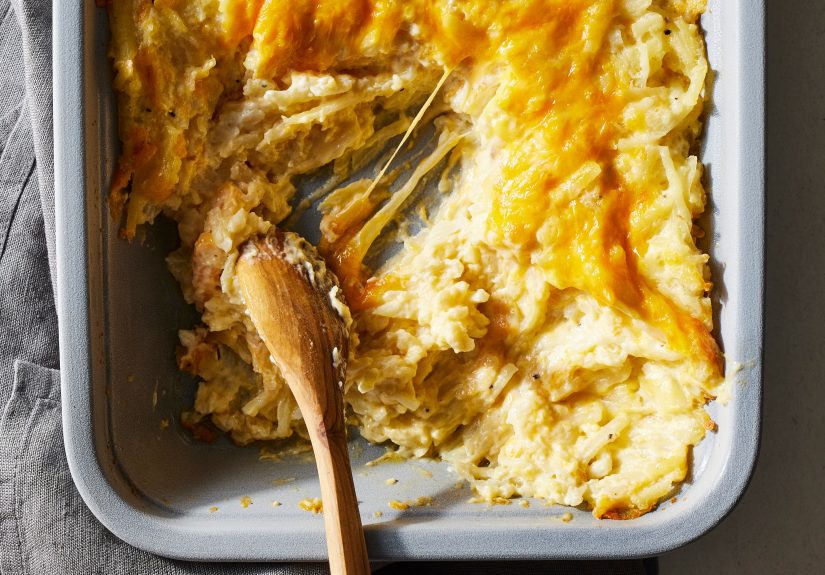
Fresh from the oven, the casserole was creamy and soft, with just enough browning around the edges to keep things interesting. The top was gently golden, not crunchy like roasted potatoes, but not pale and sleepy either. Inside, the texture was tender and cohesive. The potatoes held together without turning mushy, which is the line every good hashbrown casserole has to walk.
Flavor-wise, it hit the mark. It tasted savory, cheesy, and buttery, with that familiar casserole warmth that somehow feels appropriate at breakfast, lunch, or dinner. The onion mellowed beautifully while baking, and the sour cream kept the richness from feeling one-note. Most importantly, it had that comforting “restaurant side dish” quality people want from a Cracker Barrel copycat recipe.
Was it identical to eating the restaurant version in a rocking-chair-themed dining room? No. But was it close enough to satisfy the craving and maybe make me question why I ever leave the house for potatoes? Absolutely.
What Worked Best
1. Thawing the hash browns first
This mattered more than I expected. When frozen hash browns go straight into a casserole, they can release extra water and mute the seasoning. Letting them thaw helped the mixture bake more evenly and kept the filling from wandering into soggy territory. If your potatoes still seem damp, blotting them lightly with paper towels is not overkill. It is wisdom.
2. Using a mix of cheeses
Cheddar brings flavor, but a second melty cheese helps with texture. A cheddar-Colby combo gave me the best of both worlds: sharp taste and smooth melt. If you only have cheddar, the casserole will still be very good. But if you want that lush, restaurant-style softness, mixing cheeses helps.
3. Chopping the onion fine
This is not the place for giant crunchy onion chunks announcing themselves like they pay rent. Finely chopped onion melts into the casserole and seasons the whole dish without stealing the spotlight. It is a small detail, but it makes the final result feel more balanced.
4. Letting it rest before serving
Hard-earned life lesson: do not attack a bubbling potato casserole the second it leaves the oven unless you enjoy molten cheese and chaos. A 10-minute rest gave the casserole time to set, making it easier to scoop and improving the texture. It also lowered the risk of burning the roof of my mouth, which I consider a culinary victory.
What I’d Change Next Time
Even successful recipes invite tinkering. Next time, I would season slightly more aggressively. Potatoes are flavor sponges, and they can handle a firm hand with salt and black pepper. I would also consider stirring a little cheese into the middle and saving a generous layer for the top, just to maximize that golden, melty finish.
I might also try a homemade sauce version for comparison. Some cooks prefer skipping condensed soup in favor of a simple cheese sauce because it can taste fresher and feel a little less heavy. That said, the classic shortcut version wins major points for convenience, and convenience is not a minor detail when you’re hungry and your sink is already full.
Best Ways to Serve It
This casserole is almost aggressively versatile. It works at breakfast next to eggs and sausage, but it also makes perfect sense with baked ham, meatloaf, roast chicken, pork chops, or barbecue. I even liked it as a leftover lunch with a crisp green salad on the side, which felt like a responsible decision wrapped around a deeply irresponsible amount of cheese.
For brunch, it shines next to fruit, biscuits, and bacon. For dinner, it plays the role of rich comfort-food side dish without requiring you to peel a single potato by hand. For holidays, it is exactly the kind of make-ahead casserole that disappears before the vegetable tray even gets noticed.
Is It Better Than Regular Hash Browns?
That depends on your potato priorities. If you want crisp edges and diner-style crunch, classic skillet hash browns still have the crown. But if your dream potato side is creamy, cheesy, scoopable, and built for sharing, hashbrown casserole easily earns its place. It is less about crunch and more about comfort. Less short-order cook, more family reunion.
In other words, regular hash browns are for people who want their potatoes to snap. This casserole is for people who want their potatoes to give them a warm hug.
Who Should Make This Recipe?
You should make this if you love Cracker Barrel copycat recipes, need an easy potato side dish, want a brunch casserole that doesn’t require ten different pans, or simply believe cheese and potatoes are one of humanity’s better ideas. It is especially useful for beginner cooks because the method is forgiving and the payoff is high.
You should probably skip it only if you are hoping for a crisp, light, or particularly modern potato dish. This recipe knows exactly what it is: rich, nostalgic, creamy comfort food. It is not trying to be a salad. Frankly, I respect that.
My Honest Verdict
I tried Cracker Barrel’s Hashbrown Potato Casserole recipe expecting a pleasant side dish and got something more dangerous: a casserole I kept “just checking on” with a fork every time I walked through the kitchen. It is easy, dependable, and deeply satisfying. More importantly, it recreates the spirit of the restaurant favorite without requiring a road trip or a gift shop detour.
Would I make it again? Without hesitation. Would I serve it to guests? Absolutely. Would I trust myself around the leftovers at 10:30 p.m.? That is between me and the refrigerator light.
If your goal is to make a cheesy hash brown casserole that tastes cozy, crowd-friendly, and just indulgent enough to feel special, this one is a keeper. It may not be fancy, but it is the kind of food people actually want to eat. And sometimes that is the whole point.
Extended Experience: What It Was Really Like to Make, Serve, and Reheat
Because the dish itself is simple, the experience of making it becomes part of the appeal. I made mine on a day when I did not want a recipe with emotional demands. You know the kindthirteen steps, three skillets, and a note that says “best if you make the stock the night before.” This was the opposite. I set out the ingredients, thawed the hash browns, and had the whole thing in the pan before my oven had fully finished preheating. That kind of low drama is underrated.
The most surprising part was how ordinary the mixture looked before baking. If you peek into the bowl, it does not exactly scream greatness. It looks pale, a little messy, and very much like a casserole that peaked in 1987. But once it bakes, everything changes. The edges start bubbling, the cheese melts into the potatoes, the top turns golden, and suddenly the whole thing looks like something people hover around at a potluck.
Serving it was almost funny because everyone immediately understood what it was supposed to be. No explanation needed. No one asked, “What are the flavor notes?” People just looked at the dish, smiled, and said some variation of, “Oh wow.” That is comfort food power. It communicates instantly. It tells your table, “Sit down. You’re about to eat something warm, cheesy, and absolutely unconcerned with your macro goals.”
I also noticed that the casserole fit different moods throughout the day. At brunch, it felt cozy and indulgent. At dinner, next to roasted meat and green beans, it felt like the hearty side dish that made the whole meal more generous. Later, straight from the fridge in a very honest bowl, it became an excellent leftover. Reheated in the oven, it held its texture better, but even the microwave version was still satisfying. The flavor deepened a little overnight, which made the second-day portion strangely hard to share.
If I were making it for company, I would absolutely prep it ahead of time. That may be one of its best traits. It doesn’t need constant babysitting, and it doesn’t collapse if you’re also trying to make eggs, biscuits, a ham, or whatever else is happening in your kitchen. It frees you up, and that counts for a lot.
On a more personal note, this recipe reminded me why some old-school dishes never disappear. They are not trendy, but they are reliable. They don’t need a rebrand, a drizzle, or a story about being deconstructed. They just need to taste good. Cracker Barrel’s Hashbrown Potato Casserole recipe works because it knows its audience: hungry people who want something creamy, savory, and comforting enough to justify a second helping. After trying it at home, I get the obsession. It is not a flashy recipe. It is better than flashy. It is useful, lovable, and very easy to crave again.
Conclusion
I tried Cracker Barrel’s Hashbrown Potato Casserole recipe to see whether a simple copycat could live up to the legend. It did. The casserole was rich without being overwhelming, cheesy without turning greasy, and easy enough to make that it immediately earned repeat status in my kitchen. Whether you serve it for breakfast, brunch, dinner, or a holiday spread, it delivers the kind of comfort food people remember.
If you’re searching for an easy Cracker Barrel hashbrown potato casserole recipe that tastes homemade, feeds a group, and makes leftovers feel like a reward, this is one worth baking. Just be prepared for the pan to empty faster than expected. Potatoes, cheese, butter, and nostalgia are a very persuasive team.