Table of Contents >> Show >> Hide
- Cardio vs. Strength Training: What Is the Difference?
- Why Cardio Is So Good for Heart Health
- Why Strength Training Matters for Your Heart
- So, Which Is Better for Your Heart?
- The Best Heart-Healthy Routine Combines Both
- Can You Do Cardio and Strength Training on the Same Day?
- Common Mistakes That Can Limit Heart-Health Benefits
- Who Should Be Careful Before Starting?
- Real-Life Examples: Matching Exercise to Heart-Health Goals
- Personal Experience and Practical Lessons from the Cardio vs. Strength Training Debate
- Conclusion: The Winner Is the Combination
- SEO Tags
If your heart could vote, it probably would not choose sides in the great gym debate. It would not storm into the cardio room waving a treadmill flag, and it would not camp out by the squat rack wearing a “Lift Heavy or Go Home” hoodie. When it comes to heart health, the smartest answer is not cardio or strength training. It is cardio and strength training, used in the right way, at the right intensity, and consistently enough that your heart stops wondering whether you have forgotten about it.
Still, the question is fair: Is strength training or cardio better for your heart health? Cardio has long been treated as the star of cardiovascular fitness because it directly trains your heart and lungs. Strength training, meanwhile, has sometimes been unfairly labeled as “just for muscles,” as if muscles were decorative throw pillows. In reality, resistance training can improve blood pressure, blood sugar control, cholesterol, body composition, and long-term metabolic healthall of which matter deeply to your cardiovascular system.
The best approach depends on your goals, current fitness level, health history, and preferences. But for most adults, the heart-health sweet spot is a balanced routine: regular aerobic exercise plus at least two days of muscle-strengthening activity each week. Let’s unpack how each type of exercise helps your heart, where each one shines, and how to build a realistic weekly plan that does not require quitting your job and moving into a gym.
Cardio vs. Strength Training: What Is the Difference?
Cardio, also called aerobic exercise, is activity that raises your heart rate and breathing for a sustained period. Think brisk walking, jogging, cycling, swimming, rowing, hiking, dancing, or chasing your dog after it steals a sock. These activities use large muscle groups repeatedly and train your body to deliver oxygen more efficiently.
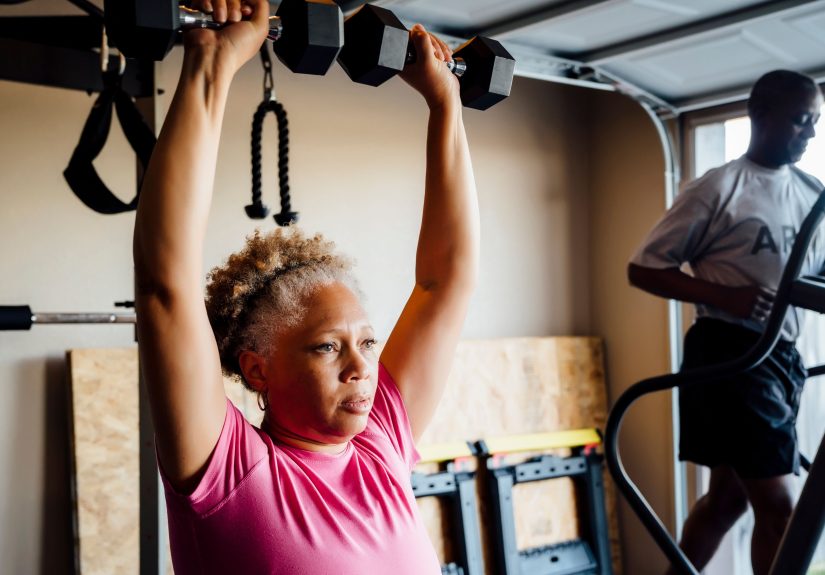
Strength training, also known as resistance training, includes exercises that make your muscles work against force. That force can come from dumbbells, barbells, resistance bands, weight machines, kettlebells, or your own body weight. Push-ups, squats, lunges, rows, deadlifts, planks, and step-ups all count. The goal is to challenge muscles so they adapt by becoming stronger, more resilient, and more metabolically active.
Both forms of exercise affect the heart, but they do so in different ways. Cardio is like taking your cardiovascular system out for a practice drive. Strength training is more like upgrading the engine, frame, and fuel efficiency of the whole vehicle.
Why Cardio Is So Good for Heart Health
Cardio has earned its reputation because it directly improves cardiorespiratory fitness. During aerobic exercise, your heart pumps more blood, your lungs take in more oxygen, and your blood vessels learn to deliver that oxygen more efficiently. Over time, this can help lower resting heart rate, improve endurance, support healthy blood pressure, and reduce cardiovascular disease risk.
Cardio Strengthens the Heart Muscle
Your heart is a muscle, and like any muscle, it responds to regular training. Aerobic activity makes the heart work harder during exercise, but in a controlled and beneficial way. With consistent training, the heart can pump blood more efficiently with each beat. That is one reason people who do regular cardio often notice everyday tasks becoming easier. Stairs stop feeling like a personal attack. Carrying groceries no longer requires a dramatic pause halfway to the kitchen.
Cardio Helps Lower Blood Pressure
High blood pressure is one of the biggest risk factors for heart disease and stroke. Aerobic exercise can help blood vessels become more flexible and responsive, which may reduce pressure on artery walls. Brisk walking, cycling, swimming, and similar activities are often recommended because they are accessible, scalable, and effective for many fitness levels.
Cardio Supports Cholesterol, Blood Sugar, and Weight Management
Cardio burns calories during the workout and can help improve how the body uses blood sugar. It may also support healthier cholesterol patterns, especially when combined with a nutritious diet, adequate sleep, and weight management. For people trying to reduce excess body fat, aerobic exercise can be a useful tool because it is relatively easy to accumulate throughout the week.
How Much Cardio Do Adults Need?
Most major health guidelines recommend at least 150 minutes of moderate-intensity aerobic activity per week, such as brisk walking, or 75 minutes of vigorous-intensity aerobic activity, such as running, or a combination of both. Moderate intensity means you can talk but not comfortably sing. Vigorous intensity means you can say a few words, but you are not delivering a TED Talk.
You do not need to complete all 150 minutes in one heroic workout. In fact, please do not make Saturday your “repair all lifestyle choices” day. A more realistic plan might be 30 minutes of brisk walking five days a week, three 25-minute cycling sessions plus a weekend hike, or several shorter workouts spread across the week.
Why Strength Training Matters for Your Heart
Strength training may not look like traditional heart exercise, but it has powerful cardiovascular benefits. It helps build and preserve lean muscle, which plays an important role in metabolism, glucose control, mobility, and healthy aging. More muscle does not just help you lift boxes without making suspicious noises; it also helps your body handle energy more efficiently.
Strength Training Can Improve Blood Pressure
Resistance training can support healthier blood pressure when performed safely and consistently. The key is proper technique and breathing. Holding your breath while straining through a heavy lift can cause a temporary spike in blood pressure, which is why beginners and people with heart conditions should learn safe form and avoid maximal-effort lifting unless cleared by a healthcare professional.
Strength Training Improves Insulin Sensitivity
Your muscles act like storage sites for glucose. When you build and use muscle, your body often becomes better at moving sugar from the bloodstream into muscle tissue. This matters because insulin resistance and type 2 diabetes are closely connected with cardiovascular risk. Strength training is not just about biceps; it is about building a body that handles fuel more intelligently.
Strength Training Supports Healthy Body Composition
Cardio burns calories during the workout, but strength training helps preserve and build lean tissue. This is especially important as people age, because muscle mass naturally declines over time. Less muscle can mean lower strength, lower mobility, and a slower metabolism. Keeping muscle on your frame can make it easier to stay active, manage weight, and protect long-term heart health.
Strength Training Makes Daily Life Easier
Heart health is not only about lab numbers. It is also about living with energy and independence. Strong legs help you climb stairs. A strong back helps posture. Strong hips help balance. Strong arms help you carry groceries, lift luggage, and open jars without entering a negotiation with the lid. When daily movement feels easier, people are more likely to stay active overalland that is excellent news for the heart.
So, Which Is Better for Your Heart?
If we are talking about direct cardiovascular conditioning, cardio has the edge. Aerobic exercise most directly trains the heart, lungs, and blood vessels. It improves endurance and cardiorespiratory fitness in a way strength training alone usually does not.
But if we are talking about total heart-health protection, strength training is not optional. It improves several major risk factors linked to heart disease, including blood pressure, blood sugar, cholesterol, body fat, and muscle loss. Research increasingly supports the idea that combining aerobic and muscle-strengthening exercise provides broader benefits than relying on only one style.
In plain English: cardio may be the heart-health headliner, but strength training is the behind-the-scenes producer making sure the whole show works.
The Best Heart-Healthy Routine Combines Both
A balanced weekly routine does not need to be complicated. The goal is to meet the basic movement targets while choosing activities you can actually repeat. Consistency beats perfection. The best workout plan is not the one that looks most impressive on paper; it is the one you will still be doing three months from now.
A Simple Weekly Heart-Health Plan
Here is a practical example for a beginner or intermediate exerciser:
- Monday: 30-minute brisk walk plus light stretching
- Tuesday: Full-body strength training for 30 to 40 minutes
- Wednesday: 25 to 30 minutes of cycling, swimming, or dancing
- Thursday: Rest day or gentle walking
- Friday: Full-body strength training for 30 to 40 minutes
- Saturday: Longer cardio session, such as a hike or 45-minute walk
- Sunday: Mobility work, stretching, or an easy stroll
This plan includes both aerobic exercise and two days of strength training. It also includes recovery, which is not laziness wearing sweatpants. Recovery is when your body adapts, repairs, and becomes stronger.
What Should Strength Training Include?
A heart-friendly strength routine should target all major muscle groups: legs, hips, back, chest, shoulders, arms, and core. You can start with basic movements such as squats, glute bridges, wall push-ups, seated rows, step-ups, planks, and resistance-band presses. Beginners can use body weight or light resistance. More advanced exercisers can gradually increase weight, sets, or repetitions.
A good starting point is one to three sets of 8 to 12 repetitions for each major exercise. The last few reps should feel challenging but controlled. If your form turns into interpretive dance, the weight is probably too heavy.
What Counts as Good Cardio?
Good cardio is any rhythmic activity that raises your heart rate and can be sustained. Walking absolutely counts if it is brisk enough. So do cycling, swimming, jogging, rowing, elliptical training, stair climbing, low-impact aerobics, and many sports. If you dislike running, do not run. The heart does not require misery as proof of effort.
Can You Do Cardio and Strength Training on the Same Day?
Yes, you can combine them on the same day. If your main goal is heart health, the order is flexible. If your main goal is building strength, lift first while your muscles are fresh. If your main goal is endurance, do cardio first. For general health, the best order is often the one that helps you complete the workout safely and consistently.
For example, you might do 20 minutes of strength training followed by 15 minutes of moderate cardio. Or you might take a brisk walk in the morning and lift weights after work. Splitting workouts can make exercise feel less like a calendar hostage situation.
Common Mistakes That Can Limit Heart-Health Benefits
Doing Only One Type of Exercise
Some people only walk and never strength train. Others lift weights but avoid cardio like it owes them money. Either approach can leave benefits on the table. Your heart, muscles, joints, metabolism, and nervous system all benefit from variety.
Going Too Hard Too Soon
More is not always better, especially at the beginning. Sudden intense exercise can increase injury risk and make workouts feel unpleasant. Start with manageable sessions and build gradually. A ten-minute walk today beats a dramatic 90-minute workout that leaves you unable to sit down tomorrow.
Ignoring Recovery
Muscles need time to repair after strength training, and your cardiovascular system also benefits from lighter days. Sleep, hydration, nutrition, and rest days are part of the plan. They are not bonus features.
Forgetting About Sitting Time
A workout is wonderful, but it does not completely erase ten hours of uninterrupted sitting. Break up long sitting periods with short walks, standing breaks, calf raises, or light mobility. Tiny movement snacks throughout the day can support circulation and energy.
Who Should Be Careful Before Starting?
Most people can safely begin with light to moderate activity, but some should check with a healthcare professional first. This includes anyone with chest pain, unexplained shortness of breath, dizziness, fainting, uncontrolled high blood pressure, known heart disease, recent surgery, or major health concerns. If you are returning after a long break, start gently. Your body appreciates a friendly introduction, not a surprise boot camp.
Real-Life Examples: Matching Exercise to Heart-Health Goals
If You Want Lower Blood Pressure
Combine regular moderate cardio with resistance training two or three times per week. Brisk walking, cycling, and swimming are excellent choices. Add strength moves such as squats, rows, wall push-ups, and resistance-band exercises. Focus on controlled breathing and avoid holding your breath during lifts.
If You Want Better Endurance
Prioritize cardio while keeping strength training in the routine. Try walking faster, increasing distance, or adding gentle intervals. Strength training supports endurance by improving muscular efficiency, posture, and injury resistance.
If You Want Better Blood Sugar Control
Strength training becomes especially valuable because working muscles use glucose. Pair resistance workouts with aerobic activity for a strong one-two punch. Even a short walk after meals can be helpful for many people.
If You Are Over 50
Both cardio and strength training become more important, not less. Cardio supports heart and lung function, while strength training helps preserve muscle, bone density, balance, and independence. The goal is not to train like a 22-year-old influencer with perfect lighting. The goal is to build a body that carries you well through real life.
Personal Experience and Practical Lessons from the Cardio vs. Strength Training Debate
One of the most common experiences people have when trying to improve heart health is starting with cardio because it feels familiar. Walking is simple. A treadmill has fewer moving parts than a cable machine that looks like it was designed by a confused octopus. Many people begin with daily walks and quickly notice better energy, improved mood, and less breathlessness during everyday tasks. That early feedback is motivating. When you can climb stairs without sounding like a haunted accordion, you know something is working.
But after a few weeks or months, cardio-only routines can sometimes hit a plateau. The scale may stop moving. Knees may get cranky. The same walking route may become so predictable that even the neighborhood squirrels look bored. This is where strength training often changes the game. Adding two days of resistance exercise can make the body feel more capable. Hills feel easier because the legs are stronger. Posture improves because the back and core are doing their jobs. Daily chores feel less draining because muscles are no longer operating on minimum wage.
A practical experience many beginners share is that strength training feels intimidating at first, but it becomes surprisingly empowering once the basics are learned. The first session might include simple exercises: sit-to-stand squats, incline push-ups against a counter, resistance-band rows, glute bridges, and farmer carries with grocery bags. Nothing fancy. No dramatic soundtrack required. After a few weeks, those movements often translate into real-world wins: carrying laundry upstairs, lifting a suitcase, gardening longer, or getting up from the floor without performing a full Broadway production.
Another lesson is that heart health improves best when exercise feels sustainable. Some people love jogging; others would rather alphabetize their spice rack than run a mile. That is fine. Brisk walking, dancing, swimming, cycling, and hiking can all provide aerobic benefits. Likewise, strength training does not have to mean heavy barbells. Resistance bands, dumbbells, machines, and body-weight movements can all work. The most heart-healthy routine is the one that fits your life well enough to become boringly consistent.
Many people also discover that combining cardio and strength training improves confidence. Cardio teaches you that your engine can keep going. Strength training teaches you that your frame is sturdy. Together, they create a sense of physical trust. You are not just exercising to lower a number on a chart; you are building a body that can participate in your life with fewer limitations.
The biggest personal takeaway is this: do not turn fitness into a courtroom drama where cardio and strength training argue for custody of your heart. Let them co-parent. Cardio improves endurance and directly challenges the cardiovascular system. Strength training builds muscle, improves metabolic health, and supports better movement. When they work together, your heart gets a more complete support system.
Conclusion: The Winner Is the Combination
So, is strength training or cardio better for your heart health? Cardio is better for directly improving heart and lung fitness, but strength training is essential for improving the risk factors that influence long-term cardiovascular health. Choosing only one is like brushing only the top teeth. Better than nothing? Sure. Ideal? Not exactly.
For most adults, the best heart-health strategy is to aim for at least 150 minutes of moderate aerobic activity each week and add muscle-strengthening exercise on two or more days. Start where you are, choose activities you enjoy, and progress gradually. Your heart does not need perfection. It needs regular movement, smart recovery, and a body that is strong enough to keep moving for years to come.