Table of Contents >> Show >> Hide
- Why Psilocybin Therapy Has Become Such a Big Deal
- What “Magic Mushrooms” Mean in a Therapy Setting
- What the Research Says So Far
- Why the Therapy Part May Be Just as Important as the Drug
- The Risks People Should Not Ignore
- The Legal Reality in the United States
- Why Patients and Clinicians Are Still Interested
- What a Responsible Conversation Looks Like
- Conclusion
- Extended Section: Experiences People Commonly Describe Around Psilocybin Therapy
For years, “magic mushrooms” lived in the cultural attic somewhere between counterculture legend, dorm-room myth, and the kind of story that starts with, “Okay, hear me out.” Now they are showing up in serious conversations about depression, trauma, addiction, and the future of psychiatric care. That does not mean psilocybin therapy is a miracle, a scam, or a shortcut to enlightenment in one tastefully lit room. It means the science has finally become interesting enough that mental health experts, regulators, and patients are all paying attention.
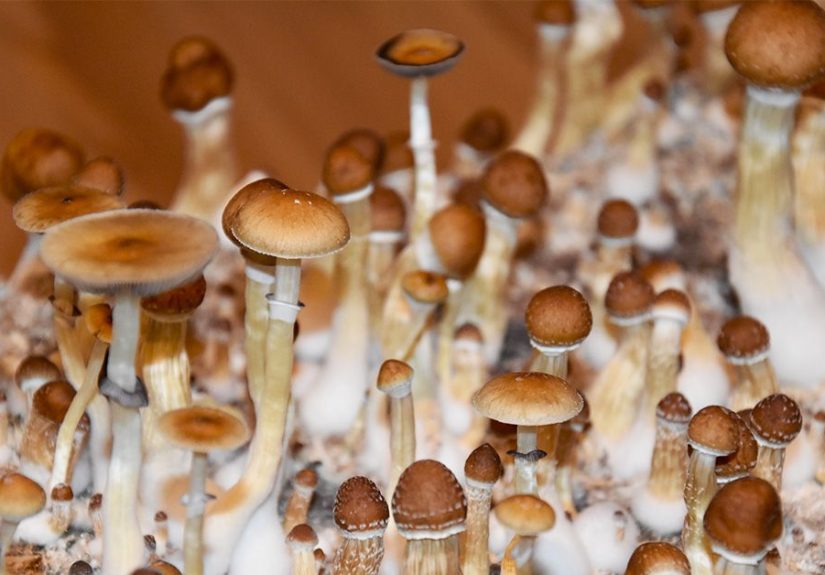
The active compound in so-called magic mushrooms is psilocybin. In clinical settings, researchers are studying it as part of a structured therapeutic process, not as a free-range wellness hack. That distinction matters. A lot. The internet loves to flatten complicated issues into two options: “This changes everything” or “This is nonsense.” Psilocybin therapy sits in the much less dramatic middle, where the evidence is promising, the risks are real, and the details matter more than the headlines.
Why Psilocybin Therapy Has Become Such a Big Deal
Mental health treatment still leaves many people stuck in the slow lane. Standard antidepressants help a lot of patients, but not everyone responds, and not everyone responds quickly. For people with treatment-resistant depression, that gap is not a minor inconvenience. It can mean months or years of trying medications, adjusting doses, swapping therapists, starting over, and wondering whether “better” is ever actually going to show up.
That is one reason psychedelic-assisted therapy has gained momentum. In several clinical trials, psilocybin-assisted therapy has been linked to meaningful reductions in depressive symptoms, sometimes faster than traditional medications usually work. Some participants report improvement within days rather than weeks. That kind of response gets attention in psychiatry because mental health care is not exactly overflowing with instant wins.
Still, speed is not the whole story. Researchers are also studying whether the benefits last, who is most likely to benefit, how much the psychotherapy contributes, and how to manage safety. In other words, the field is moving beyond “wow, interesting” and into the less glamorous but more useful questions.
What “Magic Mushrooms” Mean in a Therapy Setting
When people hear “magic mushrooms,” they often picture a recreational drug experience. Clinical psilocybin therapy looks very different. It is closer to a carefully choreographed treatment process than a spontaneous psychedelic adventure. Think less “weekend experiment,” more “highly structured protocol with paperwork, preparation, and professionals who do not improvise because a vibe felt right.”
The Usual Clinical Framework
Psilocybin-assisted therapy generally includes three parts: screening, preparation, and integration. Screening comes first because researchers and clinicians want to understand whether a person is an appropriate candidate and whether there are medical or psychiatric reasons to be cautious. Preparation sessions help patients build trust, understand what may happen during a dosing session, and set realistic expectations. Integration happens afterward and focuses on making sense of the experience and translating insights into daily life.
The dosing session itself is usually done in a calm, supervised environment. Patients may lie down, listen to music, and spend hours moving through changes in mood, perception, and thought. Therapists or trained facilitators are there to provide support, not to become psychedelic tour guides with a TED Talk problem. The goal is to help people feel safe enough to engage with the experience, including the difficult parts.
What the Research Says So Far
Depression Is the Main Focus
The strongest buzz around psilocybin has centered on depression, and that is not just media sparkle. Multiple studies have found that psilocybin-assisted therapy can reduce depressive symptoms in some patients, sometimes rapidly and sometimes for an extended period. Earlier research in major depressive disorder suggested large and sustained effects. Follow-up work from Johns Hopkins also helped fuel interest by suggesting that some benefits may last for months, and in some cases up to a year.
More recent trials, however, add an important dose of scientific humility. A 2026 randomized clinical trial in JAMA Psychiatry studying treatment-resistant major depression found that psilocybin with adjunct psychotherapy showed clinically meaningful reductions on secondary outcomes, but the primary endpoint was not statistically significant. That does not kill the field. It simply means the evidence is promising without being a final verdict, which is exactly how serious science is supposed to work.
There is also a 2023 JAMA randomized trial showing single-dose psilocybin treatment could produce benefits over several weeks, and a 2024 JAMA Network Open trial involving clinicians affected by pandemic-related depression found significant symptom improvement after psilocybin therapy. These results help explain why enthusiasm remains high. The signal is real. The certainty is not complete.
Anxiety, Trauma, and End-of-Life Distress
Beyond depression, researchers are studying whether psilocybin may help with anxiety-related conditions, trauma-related symptoms, and emotional distress tied to serious illness. Some earlier studies involving patients with cancer found reductions in anxiety and depression linked to existential distress. PTSD research is newer and far less settled. There is genuine interest, but the evidence base is still thinner than it is for depression.
That difference matters because one of the easiest mistakes in this field is treating “promising for one condition” as “proven for everything.” That is not how medicine works, and it is definitely not how psychiatry should work. A therapy can show potential in one disorder and still need years of careful study in another.
Substance Use Disorders Are Also on the Radar
Researchers are also investigating psilocybin for alcohol misuse, nicotine dependence, and other compulsive patterns. The theory is that psychedelic experiences, when paired with therapy, may help some people break rigid thought loops, revisit long-held habits, and increase psychological flexibility. That idea is compelling, but it remains under study. For now, “under investigation” is the adult answer. Less exciting than a miracle headline, yes. Much more honest, also yes.
Why the Therapy Part May Be Just as Important as the Drug
Psilocybin therapy is often discussed as though the mushroom does all the work and the therapy just holds the clipboard. In reality, many experts think the surrounding therapeutic structure may be a huge part of why outcomes differ. Preparation can reduce fear and confusion. Support during the session can help patients tolerate emotionally intense moments. Integration can turn a powerful experience into something useful rather than just memorable.
This is one reason the field gets so much debate around study design. Psychedelic trials are hard to blind because participants often know whether they took the active drug. Expectations may shape outcomes. The room, the music, the therapist relationship, and the meaning patients assign to the experience may all matter. That does not make the findings fake. It means the treatment is complex, and complexity does not fit neatly on social media.
The Risks People Should Not Ignore
Psilocybin is not a harmless mushroom-shaped self-help seminar. Even in controlled settings, it can cause anxiety, fear, nausea, headache, increased heart rate, and changes in blood pressure. Outside controlled settings, the risks become less predictable because potency varies, contaminants are possible, and there is no built-in support if a person becomes panicked, confused, or unsafe.
Research settings usually reduce these risks through careful screening and supervision. That is one reason trial safety data cannot simply be copy-pasted onto casual or unsupervised use. In clinical research, participants are screened, monitored, and supported. In real life, people often skip the part where medicine gets medical.
There is also the issue of hype. Hype sounds harmless until it convinces vulnerable people that one intense experience will fix years of suffering. Sometimes participants describe meaningful relief. Sometimes the experience is emotionally difficult before it becomes helpful. Sometimes it is disappointing. Sometimes it helps only a little. The healthiest way to discuss psilocybin is not as a cure-all, but as a developing treatment approach that may help some people under the right conditions.
The Legal Reality in the United States
Here is the part that often gets mangled online: psilocybin is not FDA-approved as a mental health treatment. Research is advancing, and the FDA has issued guidance for clinical investigation of psychedelic drugs, but that is not the same thing as saying the treatment is approved for routine psychiatric care.
At the same time, state policy is changing. Oregon created a regulated psilocybin services system with licensed facilitators and service centers. Colorado has also built a legal framework for natural medicine facilitators and related training and oversight. These programs are important, but they are not identical to federal approval of a prescription treatment. They are state-level regulated access models, not a nationwide medical green light.
That difference may sound technical, but it is not small print. It affects who can offer services, what counts as therapy, how safety is managed, and what patients should expect.
Why Patients and Clinicians Are Still Interested
Despite the caveats, interest remains strong for a simple reason: existing mental health treatment does not work well enough for everyone. Psilocybin therapy offers a new model. It does not rely on taking a daily pill forever. It may work rapidly for some people. It appears to affect emotion, meaning, memory, and perspective in ways that traditional medications do not. For patients who feel trapped in old patterns, that possibility can feel enormous.
Clinicians are interested too, although many are also cautious. Responsible professionals are asking practical questions. Which diagnoses make sense to study first? Who should be excluded? What training should therapists need? How do you handle adverse reactions? What counts as best practice for preparation and integration? That kind of caution is not anti-progress. It is how progress avoids becoming a mess.
What a Responsible Conversation Looks Like
For patients curious about psilocybin therapy, the smartest next step is not chasing internet mythology. It is having a grounded conversation with a qualified mental health professional. That conversation should cover diagnosis, prior treatment history, current medications, medical risks, expectations, and whether the person is looking for evidence-based care or just a dramatic plot twist.
It should also include a simple truth: a powerful experience is not the same as a durable recovery. The most meaningful mental health improvements usually involve ongoing support, behavior change, self-understanding, and time. Psilocybin may eventually earn a larger place in mental health care, but even its supporters generally do not describe it as magic. Ironically, that is the most encouraging part. Real treatment is usually less mystical and more useful.
Conclusion
“Magic mushrooms” make for catchy headlines, but psilocybin therapy is not really a story about magic. It is a story about whether a once-dismissed substance can become part of serious mental health care. The answer, at least right now, is complicated in the most scientifically respectable way possible.
The evidence suggests psilocybin-assisted therapy may help some people, especially in depression research, and may do so with striking speed. At the same time, the field still has unanswered questions about durability, safety, training, placebo effects, patient selection, and regulation. Psilocybin is not FDA-approved for mental health treatment today, and state access programs are not the same as national medical consensus.
So where does that leave us? Not in fantasyland, and not in dismissal. It leaves us in a place that mental health care knows well: cautious hope. And honestly, cautious hope may not sound flashy, but it has better long-term outcomes than hype ever did.
Extended Section: Experiences People Commonly Describe Around Psilocybin Therapy
One reason psilocybin therapy gets so much attention is that participants often describe the experience in language that sounds deeply personal, emotionally intense, and hard to reduce to a symptom checklist. That does not mean every session is profound, beautiful, or movie-worthy. It means the experience can feel unusual enough that people struggle to describe it with ordinary mental health vocabulary.
Before a session, many people report a mix of hope and nerves. Even in supervised treatment, there is often anxiety about losing control, seeing difficult memories, or feeling emotions that have been locked away for years. Preparation sessions are meant to reduce some of that fear, but they do not eliminate it. Going into a psilocybin session can feel a little like standing at the edge of an unfamiliar trail: you know there is a map, you know people are with you, and you still know you are the one who has to walk it.
During the experience, people may describe changes in time, emotion, and perspective. Some report a sense of deep connectedness, emotional release, or greater compassion toward themselves. Others describe waves of sadness, fear, grief, or confusion before things begin to soften. A few say the most helpful moments were not pleasant at all, but rather the moments when they stopped resisting what they were feeling. That is one reason trained support matters. The goal is not to force a happy trip. It is to help someone move through a meaningful one as safely as possible.
Many participants also talk about memories surfacing in a way that feels vivid or newly understandable. They may revisit old relationships, losses, or beliefs about themselves. Some describe gaining distance from harsh self-criticism. Others say the experience helps them see how rigid their patterns had become. In depression, where thinking can narrow into repetitive loops, that temporary shift in perspective may be part of why the therapy feels important.
After the session, the dramatic part is usually over, but the work is not. Some people feel relief, tenderness, exhaustion, or emotional openness in the next day or two. Some feel unsettled. Some feel better quickly. Some are not sure what changed until they talk it through in integration sessions. That follow-up can be where raw experience becomes actual therapeutic progress. A patient might realize, for example, that the biggest takeaway was not a grand spiritual revelation, but a simpler truth: they had been treating themselves with relentless cruelty for years.
It is also important to say that not every experience is transformative. Some participants report improvement without a cinematic breakthrough. Some feel disappointed that the session was confusing or less meaningful than expected. Some need time before the experience makes sense. That variability is normal and probably healthy to acknowledge. Good mental health care should leave room for complexity, not force everyone into a “life-changing journey” script.
In the end, the experiences associated with psilocybin therapy seem to matter most when they are held inside a larger therapeutic process. The session may be memorable, but the real question is what changes afterward: mood, relationships, habits, resilience, and the ability to live with less suffering. That is less flashy than internet folklore, but it is also the point.