Table of Contents >> Show >> Hide
- What “protein” means in a taco (and why texture matters as much as grams)
- 10 protein alternatives for meatless tacos
- 1) Black beans (and their equally talented cousins: pinto, kidney, cannellini)
- 2) Lentils (the “ground taco meat” impersonator)
- 3) Chickpeas (chunky, nutty, and perfect for smash-and-sauté)
- 4) Shelled edamame (a fast, high-protein taco hack)
- 5) Tofu (crumble it, crisp it, and let it soak up flavor)
- 6) Tempeh (firm, nutty, and “meaty” without trying too hard)
- 7) TVP (textured vegetable protein) (the weeknight “ground beef” stand-in)
- 8) Seitan (chewy, high-protein, and amazing for strips)
- 9) Quinoa (protein + texture insurance)
- 10) Eggs (for breakfast tacos and “brinner” believers)
- Bonus: protein “boosters” that make tacos more filling (without changing the main filling)
- How to build a high-protein meatless taco that doesn’t fall apart
- Common questions (because taco night always comes with opinions)
- Real-world experiences: what actually happens when you serve meatless tacos (and how to win anyway)
- Wrap-up
Tacos are basically edible choose-your-own-adventure booksexcept the plot twist is always “wow, I ate four.”
And if you’re going meatless, you don’t have to settle for sad tortillas filled with nothing but lettuce and
regret. With the right protein, meatless tacos can be hearty, satisfying, and legitimately craveableno
“this is pretty good… for vegan food” backhanded compliments required.
Below are 10 protein alternatives that work beautifully in tacos, plus practical tips for seasoning, texture,
and building a taco that actually keeps you full. Whether you’re cooking for plant-based eaters, flexitarians,
or that one friend who thinks a meal without meat is just “a snack,” you’ll have options.
What “protein” means in a taco (and why texture matters as much as grams)
Protein helps with satiety (feeling full), muscle maintenance, and steady energycool, cool. But in tacos,
protein has a second job: it’s the “main character” that gives the filling structure. Ground beef tacos work
because they’re savory, a little fatty, and pleasantly crumbly. Your meatless taco protein should aim for a
similar vibeeither crumbles, chunks, or something scoopable that doesn’t turn your tortilla into a soggy
paper towel.
A quick note on “complete” vs. “incomplete” proteins: some plant foods (like soy and quinoa) contain all
essential amino acids, while others are lower in one or more. In real life, if you eat a variety of foods
across the day, most people can meet amino acid needs without doing math at the dinner table. Still, pairing
legumes with grains (beans + tortillas, lentils + rice) is a classic way to round things out.
Now, onto the fun part: taco-worthy protein.
10 protein alternatives for meatless tacos
1) Black beans (and their equally talented cousins: pinto, kidney, cannellini)
Beans are the reliable friend who always shows up on time and brings snacks. Cooked black beans are
naturally high in protein and fiber, budget-friendly, and extremely forgiving. For tacos, you have two
winning approaches: keep them mostly whole for a hearty bite, or partially mash them for a thicker,
scoopable filling that stays put.
Texture tip: Warm beans in a skillet, then mash about one-third with the back of a spoon. Add a splash of broth or salsa to loosen.
Flavor move: Bloom your spices in a little oil firstcumin, chili powder, smoked paprikathen add beans. That quick “toast” wakes up aromatics and makes the whole pan smell like you know what you’re doing.
Try it like this: Black beans + charred corn + lime + cilantro, topped with crunchy cabbage and a creamy sauce.
2) Lentils (the “ground taco meat” impersonator)
Lentils are one of the best meatless swaps when you want a crumbly, spoonable filling. Brown or green
lentils hold their shape better than red lentils, which tend to soften into a puree (not badjust a
different texture). Cook them until tender, then simmer with taco spices and a little tomato paste or salsa
for body.
Why they work: A cup of cooked lentils provides a meaningful protein boost and plenty of fiber, which makes tacos feel more “meal” and less “appetizer accident.”
Try it like this: Lentils cooked with onion, garlic, taco seasoning, and a splash of chipotle in adobo, topped with pico de gallo and avocado.
3) Chickpeas (chunky, nutty, and perfect for smash-and-sauté)
Chickpeas are the MVP when you want a chunkier taco filling that still feels substantial. The easiest
method: drain, rinse, pat dry, then lightly smash them so some stay whole and some break into crumbles.
Sauté in a hot pan with spices until browned in spots.
Texture tip: Dry chickpeas = better browning. Moisture is the enemy of “crispy little bits.”
Try it like this: Smoky chickpeas + roasted peppers + onions, finished with lime. Add a tangy slaw for crunch.
4) Shelled edamame (a fast, high-protein taco hack)
Edamame (young soybeans) are a quick way to add plant protein with a slightly sweet, nutty flavor. Buy them
frozen (already shelled), thaw, and toss into tacos as-isor blitz briefly in a food processor for a
“crumbly” texture that cooks like taco meat when seasoned.
Why they work: They’re soy-based, so you get a strong protein profile without needing specialty products.
Try it like this: Edamame “crumbles” sautéed with garlic, cumin, and chili powder, topped with shredded lettuce and a spicy crema.
5) Tofu (crumble it, crisp it, and let it soak up flavor)
If tofu has a reputation problem, it’s only because people keep expecting it to taste like something else
without seasoning it. For tacos, tofu shines as crumbles. Use extra-firm tofu, press it (or squeeze gently
in a clean towel), then crumble with your hands. Cook in a hot pan until the moisture cooks off and you get
browned, crisp edges.
Texture tip: A little cornstarch helps tofu crumbles crisp up in a skillet. Once browned, toss with salsa or a saucy spice mix to bring it back to juicy.
Try it like this: Crispy tofu crumbles + cabbage-lime slaw + quick pickles. It’s bright, crunchy, and not remotely boring.
6) Tempeh (firm, nutty, and “meaty” without trying too hard)
Tempeh is fermented soybeans formed into a dense block. It’s firmer than tofu, with a nutty taste and a
texture that’s naturally satisfying in tacos. Crumble it for “ground,” or slice thin for strips. If you’re
new to tempeh, steaming it briefly can mellow bitterness, then you can marinate or season and sauté.
Why it works: Fermentation plus whole soybean texture gives it a hearty chew, and it plays nicely with bold taco flavors.
Try it like this: Tempeh crumbles sautéed with onions, garlic, and smoky spices, topped with pineapple salsa and cilantro.
7) TVP (textured vegetable protein) (the weeknight “ground beef” stand-in)
TVP is a pantry-friendly, budget-conscious option that behaves a lot like ground meat once rehydrated.
It’s made from soy flour and commonly used as a substitute for ground beef in vegetarian cooking. You
rehydrate it with hot water or broth, then cook it with taco seasoning, onions, and a little tomato or salsa.
Why it works: It’s fast, it’s crumbly, and it’s basically begging to be seasoned.
Texture tip: Rehydrate with flavorful liquid (broth, salsa + water, or bouillon), then sauté to cook off excess moisture and concentrate flavor.
Try it like this: TVP taco crumbles + shredded romaine + diced tomatoes + a squeeze of lime, with hot sauce that makes you feel alive.
8) Seitan (chewy, high-protein, and amazing for strips)
Seitan is made from wheat gluten and has a chewy, meat-like texture that’s especially good in tacos when you
want strips or chunks rather than crumbles. Sauté it with onions and peppers fajita-style, or crisp it in a
skillet and toss in a spicy sauce.
Important note: Because it’s wheat gluten, seitan is not suitable for people with celiac disease or gluten sensitivity.
Try it like this: Crispy seitan strips + sautéed peppers + onions + guacamole. Add pickled red onions for extra punch.
9) Quinoa (protein + texture insurance)
Quinoa is technically a seed that cooks like a grain, and it brings a slightly nutty flavor plus a fluffy
texture that helps stretch other fillings. It’s especially useful in tacos when you want a lighter
mouthfeel but still want protein in the mix. Use it solo in a veggie-heavy taco, or combine it with beans
or lentils for extra staying power.
Why it works: Quinoa is considered a complete plant protein, and it’s easy to prep ahead for fast taco assembly.
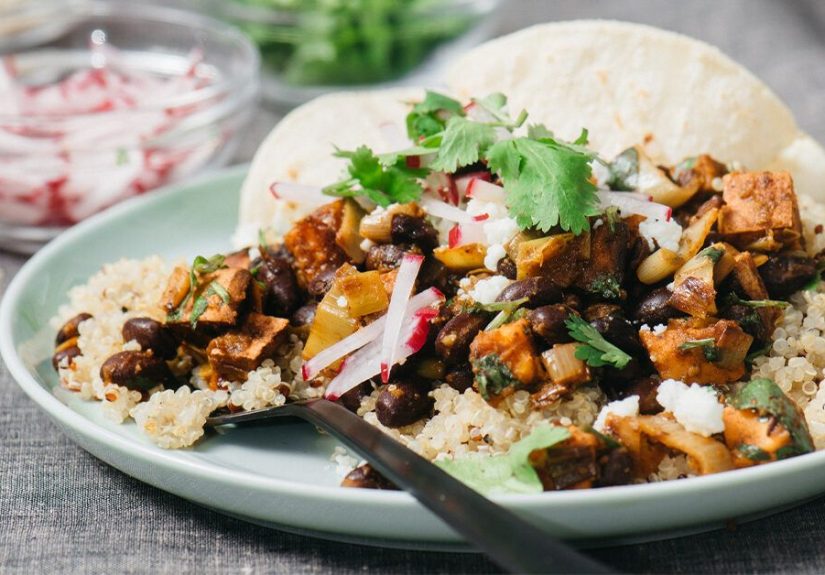
Try it like this: Quinoa + black beans + roasted sweet potato + salsa verde, topped with pepitas for crunch.
10) Eggs (for breakfast tacos and “brinner” believers)
Not everyone wants strictly plant-based tacosand eggs are a classic meatless protein that fits perfectly in
taco form. Scramble eggs softly, fold into warm tortillas, and load up the toppings. If you want to make it
more filling, pair eggs with beans or potatoes (yes, potatoes aren’t high-protein, but they’re elite at
comfort).
Try it like this: Soft scrambled eggs + black beans + salsa + avocado. Add cotija or cheddar if dairy is on the table.
Bonus: protein “boosters” that make tacos more filling (without changing the main filling)
If your tacos taste great but you’re hungry again 45 minutes later (rude), try adding one of these boosters:
- Greek yogurt as a high-protein crema base (blend with lime, garlic, salt, and hot sauce).
- Cheese (sprinkle or crumble) for extra protein and satisfactionwatch sodium if you’re sensitive.
- Pumpkin seeds or hemp hearts for a crunchy topping that adds protein and healthy fats.
These don’t replace your main protein, but they can turn “tacos for fun” into “tacos that count as dinner.”
How to build a high-protein meatless taco that doesn’t fall apart
Use the “3-part taco formula”
- Protein base: pick one of the 10 options above.
- Texture support: something crunchy or sturdy (cabbage slaw, onions, pickled veg, roasted corn).
- Moisture + acid: salsa, lime, hot sauce, or a creamy saucejust don’t drown the tortilla.
Season like you mean it
Plant proteins love bold flavors. Don’t be shy with aromatics (onion, garlic), smoky elements (chipotle,
smoked paprika), and acid (lime, vinegar-based pickles). A small trick that makes a big difference: heat a
little oil and “bloom” your dried spices for about 30 seconds before adding your protein. It deepens flavor
and makes the kitchen smell like Taco Night is a holiday.
Prep once, taco twice
Make a double batch of a filling like lentils, beans, or quinoa. Night one: tacos. Night two: taco bowls,
nachos, or stuffed sweet potatoes. Same flavors, different outfit.
Common questions (because taco night always comes with opinions)
Which meatless taco protein tastes most like ground beef?
If you want classic “taco meat” vibes, lentils, TVP, and crumbled tempeh are the closest in texture. Tofu can
get there too when crisped and seasoned well.
What if someone can’t eat soy?
Skip tofu, tempeh, TVP, and edamame. Go with beans, lentils, chickpeas, quinoa, eggs (if allowed), and
consider adding seeds or dairy-based sauces for extra protein.
What if someone can’t eat gluten?
Avoid seitan (it’s wheat gluten). Use corn tortillas, check labels on seasoning blends and sauces, and stick
with naturally gluten-free proteins like beans, lentils, chickpeas, tofu, tempeh, eggs, and quinoa.
How do I keep meatless taco fillings from getting watery?
Wateriness usually comes from excess moisture (tofu) or too much sauce too soon. Cook off moisture first,
then add salsa or sauce at the end. For beans, drain well and mash a portion to thicken.
Real-world experiences: what actually happens when you serve meatless tacos (and how to win anyway)
Meatless tacos are one of those meals that looks simple on papertortilla, filling, toppingsuntil you’re
standing in the kitchen holding a dripping taco and wondering if you’ve invented a new kind of soup. Here are
a few real-life scenarios many home cooks run into, plus the fixes that keep taco night joyful instead of
chaotic.
Experience #1: The “it tastes healthy” complaint. This usually isn’t about protein. It’s
about seasoning and contrast. Meat brings fat and savoriness; meatless proteins often need help getting there.
The game-changer is building layers: sauté onion and garlic first, bloom spices in oil, and finish with acid
(lime) plus something crunchy (cabbage, radish, pickled onions). When a taco has heat, tang, crunch, and a
creamy element, nobody misses the beefthey’re too busy eating.
Experience #2: Tofu that turns into a sad, pale scramble. The fix is moisture management and
heat. Extra-firm tofu needs time in the pan to evaporate water and brown. If you crowd the skillet, tofu
steams instead of crisps. Use a bigger pan than you think you need, let it sit untouched for a bit to develop
color, and consider a tiny dusting of cornstarch for crisp edges. Thenand this part feels like magicadd a
spoonful of salsa or a splash of broth at the end so it’s not dry. Crisp + juicy beats “wet + beige”
every time.
Experience #3: “These tacos fell apart” (a tortilla tragedy). Tortillas aren’t structural
engineers. They need support. If your filling is loose (like quinoa or saucy lentils), build a “foundation”
first: a smear of refried or mashed beans, a scoop of thickened lentils, or even a little avocado as a sticky
base. Warm tortillas, toocold tortillas crack like they’re auditioning for a drama series. And if you’re
loading up with juicy toppings (tomatoes, salsa), put the wetter stuff on top so it doesn’t soak through the
bottom layer.
Experience #4: The picky eater standoff. Taco bars are your best friend. Put out two proteins
(say, black beans and tofu crumbles), plus a lineup of toppings. People love choosing their own adventure, and
it stops dinner from turning into a debate club meeting. Bonus: toppings quietly add nutrition and protein
(Greek yogurt sauce, cheese, seeds) without making a big announcement.
Experience #5: Meal prep that doesn’t taste like leftovers. Some fillings get better after a
night in the fridgelentils and beans especiallybecause the spices have time to settle in. Reheat in a skillet
instead of the microwave when possible. That little bit of browning brings back texture and makes it taste
freshly cooked, not “reheated because life is busy.”
At the end of the day, meatless tacos work when you treat the filling like a real main dish, not a substitute.
Give it heat, seasoning, texture, and a little acidand taco night will feel like a celebration, not a
compromise.