Table of Contents >> Show >> Hide
- What Is a Milkmaid Mini Pitcher?
- Why Mini Pitchers Are Having a Moment
- Best Uses for the Milkmaid Mini Pitcher
- Material Matters: Why Porcelain Works Well
- Food Safety and Smart Buying Tips
- How to Style the Milkmaid Mini Pitcher
- Who Should Buy a Milkmaid Mini Pitcher?
- Milkmaid Mini Pitcher vs. Regular Creamer Pitcher
- Care Tips for Keeping It Beautiful
- Buying Considerations Before You Add One to Your Cart
- Experience Notes: Living with a Milkmaid Mini Pitcher
- Conclusion
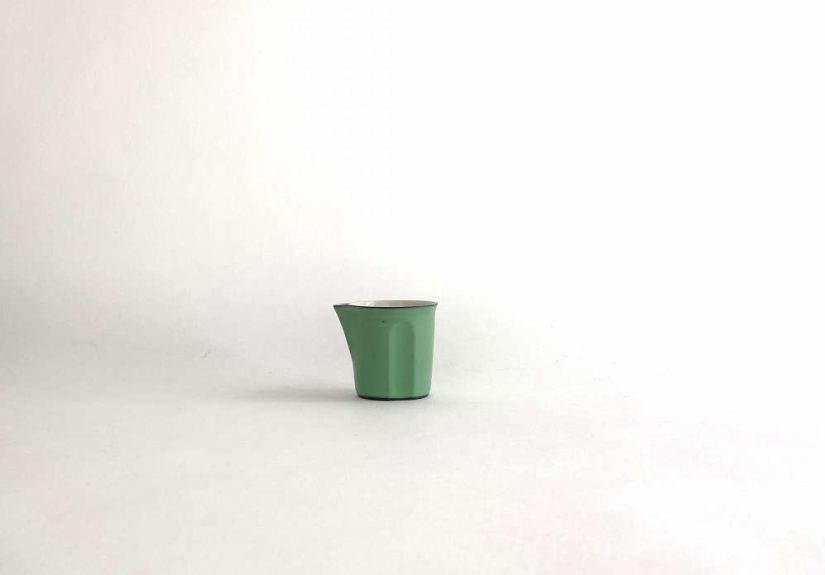
The Milkmaid Mini Pitcher is proof that a kitchen object does not need to be large, loud, or shaped like a spaceship to earn attention. Sometimes, the smallest piece on the table is the one guests notice first. This porcelain mini pitcher is compact, charming, and surprisingly usefulthe kind of tabletop accessory that quietly says, “Yes, I have my life together,” even if the rest of the kitchen currently contains three coffee mugs, one mysterious spoon, and a lemon you forgot you bought.
At first glance, the Milkmaid Mini Pitcher looks like a sweet little vessel for milk or cream. That is accurate, but also a bit unfair. Calling it only a milk pitcher is like calling a smartphone “a tiny clock that also makes noises.” This miniature pitcher can serve coffee creamer, warm maple syrup, salad dressing, dessert sauce, olive brine, vinaigrette, drawn butter, honey, and even tiny garnishes. In short, it is small, but it has range.
Designed with an artisan feel and a refined porcelain body, the Milkmaid Mini Pitcher belongs in that delightful category of tableware that blends function with personality. It works on a breakfast tray, a brunch table, a cocktail cart, a dinner setting, or a kitchen shelf. It is practical enough to use daily and attractive enough to leave out when no one is eating anything at all. That is the decorative tableware sweet spot.
What Is a Milkmaid Mini Pitcher?
A Milkmaid Mini Pitcher is a small porcelain serving pitcher designed for controlled pouring and elegant presentation. It is typically used for milk, cream, sauces, syrups, and dressings. The “mini” part matters: this is not the big farmhouse pitcher you fill with lemonade for a porch party. It is a small-scale piece made for individual servings, refined plating, and thoughtful table styling.
The Santimetre Milkmaid Mini Pitcher, often highlighted by design-focused retailers and home decor editors, is especially known for its handmade-looking silhouette, compact size, and colorful glaze options. Product listings commonly describe it as suitable not only for milk but also for salad sauces and martini olives. That tiny detail captures the whole personality of the piece: civilized, playful, and ready to make even olives feel like they have a reservation at a nice restaurant.
Its approximate 100 ml, or 3.3 oz, capacity puts it in the same family as mini creamers and small sauce pitchers. That size is ideal when you want just enough liquid on the table without bringing out a bottle, jar, carton, or awkward measuring cup. It gives small servings a sense of intention.
Why Mini Pitchers Are Having a Moment
Mini pitchers are popular because modern tables are becoming more personal. People are paying attention to the little details: the linen napkin, the interesting mug, the tiny sauce dish, the hand-thrown bowl, the candle that somehow costs more than dinner. A mini ceramic pitcher fits beautifully into that movement because it makes everyday serving feel styled without being fussy.
There is also the rise of cottagecore, slow living, cozy kitchen aesthetics, and restaurant-inspired plating at home. A small porcelain pitcher can make a Tuesday breakfast look like something served at a boutique inn where the jam is local and the eggs have a backstory. It is a simple object, but it changes the mood of the table.
A Small Piece with Big Visual Impact
The magic of a mini pitcher lies in scale. Large serving pieces dominate a table; small pieces invite people to lean in. The Milkmaid Mini Pitcher adds height, shape, and texture without crowding the setting. Put it beside a stack of pancakes and it makes syrup feel special. Set it near a salad bowl and vinaigrette becomes part of the presentation instead of an afterthought in a bottle with a sticky cap.
It also photographs well, which matters whether you are styling a food blog, running a small cafe, hosting brunch, or simply enjoying your breakfast before it becomes cold and emotionally complicated. A little pitcher beside coffee or pastry adds a visual cue: this meal was considered, not just assembled.
Best Uses for the Milkmaid Mini Pitcher
The Milkmaid Mini Pitcher is versatile because it handles small quantities beautifully. It is especially useful when you want to serve liquid ingredients separately instead of pouring them ahead of time.
1. Coffee Creamer or Milk
The classic use is still one of the best. A mini pitcher keeps milk or cream neat on the table and makes coffee service feel more polished. Instead of setting out a carton, you can offer guests a small pitcher that matches the rhythm of the meal. It works for hot coffee, iced coffee, tea, espresso drinks, and hot chocolate.
2. Maple Syrup for Breakfast
Pancakes, waffles, French toast, and oatmeal all benefit from a small syrup pitcher. The controlled pour helps prevent the famous “accidental syrup flood,” also known as breakfast becoming dessert with a fork. Warm maple syrup served from a mini pitcher feels cozy, intentional, and just fancy enough.
3. Salad Dressing and Vinaigrette
A mini pitcher is excellent for vinaigrettes, especially when serving leafy greens, grain bowls, or roasted vegetables. Guests can dress their own portions, and the table stays cleaner than it would with a large bottle. It is also useful for olive oil, balsamic glaze, tahini dressing, lemon dressing, or yogurt-based sauces.
4. Dessert Sauces
Chocolate sauce, caramel, berry coulis, crème anglaise, and honey all look better when poured from a small porcelain vessel. Dessert does not need help being exciting, but a mini pitcher gives it restaurant-style polish. A brownie with caramel on the side suddenly feels less like “I needed sugar” and more like “chef’s choice.”
5. Cocktail Garnishes and Olives
One of the most charming uses is for martini olives or cocktail onions. The Milkmaid Mini Pitcher can hold a small portion of olives, brine, citrus twists, or cherries for a bar cart. It adds a clever twist to cocktail service and keeps garnishes from looking like they escaped from the fridge at the last minute.
Material Matters: Why Porcelain Works Well
Porcelain is a strong choice for a mini pitcher because it is durable, smooth, refined, and generally easy to clean. Compared with more porous ceramics, porcelain is often valued for its dense body and polished finish. It can look delicate without being useless, which is exactly what you want from tableware that might sit near coffee, salad dressing, and enthusiastic brunch guests.
Good porcelain has a clean surface that resists staining better than many rougher materials. That matters if you plan to pour coffee cream one day, turmeric dressing the next, and berry sauce after that. The Milkmaid Mini Pitcher’s small size also makes it easy to rinse quickly after use.
Still, care instructions should always come from the maker or retailer. Some porcelain and ceramic pieces are dishwasher safe, microwave safe, or oven safe; others are better treated gently, especially if they have special glazes, handmade finishes, or metallic accents. When in doubt, handwash. The dishwasher is convenient, but it is not exactly known for its emotional sensitivity toward small beautiful objects.
Food Safety and Smart Buying Tips
When buying any ceramic or porcelain pitcher intended for food, choose pieces clearly described as food safe. This is especially important for handmade, vintage, imported, or decorative ceramics. Some decorative pottery is not meant for serving food or drinks, and traditional glazed pottery can raise safety concerns if it is not manufactured properly.
For everyday use, look for details such as food-safe glaze, lead-free materials, dishwasher-safe labeling, and reliable retailer information. If a pitcher is marked “decorative only” or “not for food use,” believe it. Do not give it a second career as a salad dressing server. That is not reinvention; that is a bad idea wearing a cute outfit.
If you love vintage or handmade ceramics, ask questions before using them with food. Where was the piece made? Is the glaze food safe? Has it been tested? Is the inside fully glazed and intact? Cracks, crazing, chips, or unknown finishes can make a piece better suited for flowers, toothpicks, or display rather than liquids.
How to Style the Milkmaid Mini Pitcher
The Milkmaid Mini Pitcher is easy to style because its shape is simple and expressive. It does not need a complicated tablescape to shine. In fact, it may look best when paired with natural textures and relaxed settings.
Breakfast Styling
Place the mini pitcher on a wooden tray beside coffee, toast, butter, and jam. Add a linen napkin and a small spoon. Suddenly breakfast looks like something from a charming bed-and-breakfast instead of something eaten while checking email. For pancakes or waffles, fill the pitcher with maple syrup and place it near a stack of plates.
Dinner Styling
For dinner, use the pitcher for vinaigrette, herb oil, gravy, or sauce. It looks especially good beside roasted vegetables, grilled fish, leafy salads, or a cheese board. Because the pitcher is small, it does not overpower the table. It simply adds a neat vertical accent and a useful pouring option.
Open-Shelf Styling
When not in use, the Milkmaid Mini Pitcher can live on an open kitchen shelf. Pair it with small bowls, handmade mugs, glass jars, cookbooks, or a little vase. Its shape makes it decorative even when empty. If you enjoy collected, layered kitchen decor, a mini pitcher gives the shelf a lived-in look without cluttering it.
Who Should Buy a Milkmaid Mini Pitcher?
This small pitcher is a good fit for anyone who enjoys beautiful tableware, thoughtful hosting, and small details that make daily rituals more pleasant. It is especially useful for people who drink coffee or tea regularly, host brunch, serve salads, make desserts, or enjoy cocktail presentation.
It is also a great gift for home cooks, coffee lovers, newlyweds, apartment dwellers, design fans, and that one friend who owns twelve kinds of olive oil and somehow uses all of them. Because it is small, it feels giftable without being overwhelming. It is practical, but not boring. Decorative, but not pointless.
Milkmaid Mini Pitcher vs. Regular Creamer Pitcher
A regular creamer pitcher is often designed mainly for coffee or tea service. It may be larger, more traditional, and part of a matching set. The Milkmaid Mini Pitcher feels more flexible. It can serve cream, but it can also move easily into sauces, garnishes, dressings, and decor.
The design-forward appeal is also part of the difference. A standard white creamer pitcher is useful; a Milkmaid Mini Pitcher brings more personality. It feels artisanal, slightly whimsical, and more connected to modern tablescaping trends. It is the sort of object that makes people ask, “Where did you get that?” which is the unofficial victory bell of home decor.
Care Tips for Keeping It Beautiful
To keep a porcelain mini pitcher looking its best, rinse it soon after using sticky or acidic ingredients. Maple syrup, honey, balsamic glaze, and berry sauces are delicious, but they are not shy about leaving residue. A quick rinse makes cleaning easier.
Use a soft sponge rather than abrasive scrubbers. Avoid sudden temperature changes, such as taking a cold pitcher and filling it with very hot liquid. Even durable ceramics can dislike thermal shock. If the maker says the piece is dishwasher safe, you can use the dishwasher, but handwashing will usually be gentler over time.
Store it where it will not be knocked over by larger bowls or plates. Mini pitchers are small enough to disappear behind dinnerware, which is how they end up being bumped, chipped, or discovered six months later behind the gravy boat. Give it a visible spot and it will reward you by being useful often.
Buying Considerations Before You Add One to Your Cart
Before buying a Milkmaid Mini Pitcher or any small ceramic pitcher, think about how you plan to use it. If you want it mainly for coffee, a 3 oz to 5 oz capacity is usually enough for a few cups. If you want it for gravy or larger sauces, consider a slightly bigger creamer. For individual servings, the mini size is ideal.
Check the spout shape. A good spout helps control pouring and reduces drips. Check the base stability, too. A mini pitcher should feel balanced, not like it is one sneeze away from disaster. If color matters, choose a glaze that complements your plates, mugs, and linens. Olive green, cobalt, warm yellow, burnt orange, beige, and blue-and-white finishes can each create a different table mood.
Also consider whether you want one statement piece or several matching pieces. One Milkmaid Mini Pitcher can work as a charming accent, while a set of mini pitchers can be useful for brunches, tastings, or dinner parties where different sauces are served at once.
Experience Notes: Living with a Milkmaid Mini Pitcher
The first thing you notice when using a Milkmaid Mini Pitcher is how quickly it upgrades ordinary moments. Pouring milk from a carton into coffee is normal. Pouring milk from a tiny porcelain pitcher feels like you are operating a very small countryside cafe, possibly with excellent scones. The difference is not about necessity; it is about pleasure.
One of the best everyday uses is morning coffee. Fill the pitcher with half-and-half or milk, place it beside your mug, and the whole setup feels calmer. It encourages you to sit down instead of drinking coffee while standing near the counter like a tired flamingo. The pitcher does not magically fix a busy morning, but it does create a tiny ritual. Sometimes that is enough.
At brunch, the Milkmaid Mini Pitcher becomes even more useful. Warm syrup served in a small pitcher keeps pancakes from turning soggy too soon. Guests can pour exactly what they want, and the table looks more organized. It also prevents the syrup bottle from becoming the center of attention. No offense to syrup bottles, but they are rarely the aesthetic hero of a tablescape.
For salads, the pitcher is surprisingly practical. Instead of tossing greens too early and watching them wilt, you can serve dressing on the side. A lemon vinaigrette in a mini porcelain pitcher looks fresh and clean, especially next to a bowl of arugula, herbs, cucumbers, or roasted vegetables. The same trick works for grain bowls, grilled chicken, fish, or steamed vegetables. A sauce on the side gives people control, and control is exactly what salad needs after decades of being overdressed at family gatherings.
The pitcher also performs well during dessert. A small stream of chocolate sauce or caramel poured at the table creates a dramatic little moment without much effort. You do not need restaurant training. You only need a steady hand and the confidence to pretend you meant that one extra drip. Berry sauce for cheesecake, honey for yogurt, and cream for bread pudding all feel more special when served from a mini pitcher.
Another pleasant surprise is how useful the piece is outside formal meals. It can hold a few flower stems on a windowsill, a small bundle of cocktail picks, or olives on a snack board. It can sit on a coffee tray with sugar cubes and spoons. It can become part of a holiday table with cranberry sauce or warm butter. It can even hold toothpicks during a party, though admittedly that is less poetic and more “people are eating cheese cubes.” Still, useful is useful.
Storage is simple because the pitcher is small, but that also means it deserves a dedicated spot. Keep it near mugs, small bowls, or serving pieces so you remember to use it. The more visible it is, the more often it becomes part of daily life. Hidden in the back of a cabinet, it becomes another pretty object waiting for a special occasion. On an open shelf, it becomes part of breakfast, snacks, desserts, and quick dinners.
The best thing about the Milkmaid Mini Pitcher is that it makes hospitality feel easy. You do not need a large dinner party or a perfectly styled home. You can use it for one cup of coffee, one bowl of soup with herb oil, or one plate of waffles on a quiet weekend. It brings a small amount of charm to the table without demanding attention. That is rare. Many decorative objects want applause. This one just pours nicely and looks adorable doing it.
In the end, the Milkmaid Mini Pitcher is not essential in the strict survival sense. You can live without it, just as you can technically eat cereal from a saucepan. But good home objects are not only about survival. They are about making ordinary routines feel a little more thoughtful. This mini pitcher does exactly that. It turns milk, sauce, syrup, and dressing into small ceremonies. And honestly, if a tiny porcelain pitcher can make breakfast feel better, it has earned its shelf space.
Conclusion
The Milkmaid Mini Pitcher is a small piece of tableware with impressive versatility. It serves milk, cream, syrup, salad dressing, dessert sauce, cocktail garnishes, and more while adding charm to the table. Its porcelain construction gives it a refined look, and its compact size makes it useful for everyday rituals as well as special gatherings.
For coffee lovers, brunch hosts, home decorators, and anyone who believes little details matter, this mini pitcher is a delightful addition. It is functional, attractive, easy to style, and capable of making even a spoonful of dressing look like it has a purpose in life. Small? Absolutely. Forgettable? Not even close.