Table of Contents >> Show >> Hide
- What is nicotine poisoning (and why does it happen so fast)?
- Common sources of nicotine exposure
- Nicotine poisoning symptoms: early vs. severe warning signs
- What to do right now: first aid steps that actually help
- How nicotine poisoning is diagnosed
- Treatment: what the ER (and Poison Control) may recommend
- How long does nicotine poisoning last?
- Prevention: the smartest ways to avoid nicotine overdose
- FAQ: quick answers people actually want
- Real-world experiences: what nicotine poisoning often looks like (and what people learn the hard way)
- Conclusion
Educational content only. If someone has severe symptoms (trouble breathing, seizure, collapse, or can’t be awakened), call 911 right now. In the U.S., you can also call Poison Control at 1-800-222-1222 for fast, expert guidance.
Nicotine is a tiny molecule with a big personality. In small, controlled doses (like many nicotine replacement products), it’s used to help people quit smoking. In larger or accidental dosesespecially in kids and petsit can act like a toxin that irritates the stomach, whips up the nervous system, and then (sometimes quickly) slams on the brakes.
What makes nicotine poisoning tricky is that it can happen in more ways than most people realize: swallowing a pouch, chewing gum like candy, drinking “just a sip” of vape liquid, applying too many patches, or even absorbing nicotine through the skin after a spill. The good news: most exposures are treatable with prompt action. The bad news: waiting it out can turn a manageable situation into an emergency.
What is nicotine poisoning (and why does it happen so fast)?
Nicotine poisoningsometimes called nicotine toxicity or nicotine overdosemeans there’s too much nicotine in the body. Nicotine stimulates receptors involved in nerve signaling (often called nicotinic acetylcholine receptors). That stimulation can cause an “early” phase with nausea, sweating, fast heartbeat, and agitation. With larger doses, the body can flip into a “late” phase where the nervous system becomes depressed, leading to slowed heart rate, low blood pressure, weakness, confusion, and in severe cases, seizures or breathing failure.
Nicotine can be absorbed quickly, particularly from swallowed products, highly concentrated liquids, or significant skin contact. Children are at higher risk because it takes a much smaller amount to cause serious symptoms in a small bodyand because many modern nicotine products are flavored, small, and easy to mistake for candy or gum.
Common sources of nicotine exposure
Nicotine shows up in more places than a lot of people expect. The highest-risk scenarios are usually accidental ingestion or combining multiple nicotine products.
High-risk products and situations
- Liquid nicotine / vape “e-liquid”: Often concentrated. Small amounts can be dangerous for kids if swallowedand spills can be absorbed through skin.
- Nicotine pouches: Small, flavored, and easy to pop in a mouth (including the mouth of a curious toddler who found one on the floor).
- Nicotine gum/lozenges: Helpful when used correctly, but risky when chewed rapidly, swallowed, or eaten like candy.
- Nicotine patches: Overuse (multiple patches, reapplying too soon) or accidental contact by a child can cause symptoms. Even “used” patches can still contain nicotine.
- Traditional tobacco products: Cigarettes, chewing tobacco, cigars, and nicotine-containing plants or insecticides in rare cases.
How overdoses happen in real life
- “Stacking” products: vaping while wearing a patch and using gum to fight cravings.
- Accidental swallowing: a child eats gum/lozenges/pouches; a pet chews a patch.
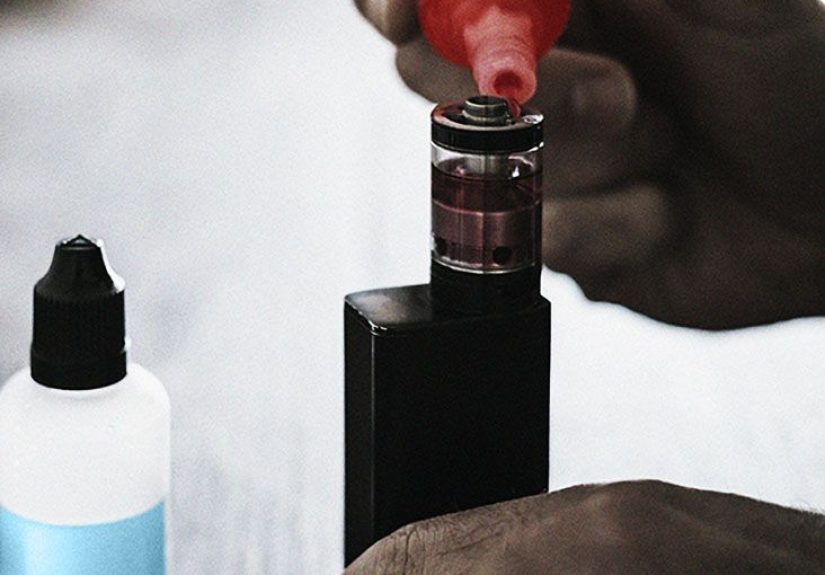
- DIY mixing or refill mishaps: nicotine liquid spills on hands, clothes, or counters.
- Misreading labels: confusing mg/mL strength, or assuming “nicotine-free” means “risk-free.”
Nicotine poisoning symptoms: early vs. severe warning signs
Symptoms vary by dose, product type, and how the nicotine entered the body (swallowed, inhaled, skin contact). Many people develop symptoms within minutes to an hour. If symptoms are escalating quickly, treat it as urgent.
Early and mild symptoms
- Nausea, vomiting, stomach cramps, diarrhea
- Excess saliva or drooling
- Headache, dizziness, shakiness
- Sweating, pale skin
- Fast heartbeat, high blood pressure
- Feeling jittery, anxious, or unusually restless
Severe symptoms (medical emergency)
- Trouble breathing, wheezing, slowed breathing, or breathing that stops
- Confusion, severe weakness, inability to stay awake
- Seizures
- Fainting, collapse, coma
- Irregular heartbeat, very slow heart rate, very low blood pressure
Bottom line: vomiting is common, but don’t let “just throwing up” lull you into ignoring other red flagsespecially in children, older adults, and anyone with heart or lung disease.
What to do right now: first aid steps that actually help
If you suspect nicotine poisoning, your goal is to stop exposure, get expert guidance, and watch for escalating symptoms.
Step 1: Remove the nicotine source
- If swallowed: Remove any remaining product from the mouth. Do not force vomiting.
- If on skin: Take off contaminated clothing and rinse skin with plenty of water (and mild soap if available). Wash hands well.
- If in eyes: Rinse with lukewarm water for several minutes.
Step 2: Call for guidance
- U.S. Poison Control: 1-800-222-1222 (free, confidential, fast).
- Call 911 immediately if the person collapses, has a seizure, has trouble breathing, or can’t be awakened.
Step 3: Be ready with details (it speeds up the help)
- Age and approximate weight (especially for a child)
- Product type (patch, gum, pouch, liquid nicotine, etc.)
- How much might be involved (even your best guess)
- When it happened
- Current symptoms (and whether they’re getting worse)
Please don’t do these “internet classics”: Don’t induce vomiting, don’t give “detox” drinks, and don’t wait for symptoms to “prove” it’s serious. Nicotine can turn the corner quickly, especially in kids.
How nicotine poisoning is diagnosed
Clinicians usually diagnose nicotine poisoning based on the story (what product, how much, when) and the symptom pattern. In the emergency setting, they may monitor:
- Vital signs (heart rate, blood pressure, breathing rate, oxygen levels)
- Heart rhythm (ECG) if symptoms are moderate/severe
- Hydration and electrolytes if vomiting/diarrhea is significant
- Airway status if there’s severe weakness, confusion, or breathing changes
There isn’t one single “nicotine level” test that’s routinely used to guide immediate care in typical cases. Treatment decisions are usually based on symptoms and risk factors.
Treatment: what the ER (and Poison Control) may recommend
There’s no magical “nicotine antidote” for most cases. Care is mainly supportive: keep the airway open, support breathing and circulation, treat symptoms, and let the body metabolize nicotine.
Supportive care (the main event)
- Fluids: Oral rehydration for mild cases; IV fluids if vomiting is heavy or blood pressure is low.
- Antiemetics: Medication to reduce nausea/vomiting when needed.
- Oxygen and airway support: For breathing problems or severe weakness.
- Cardiac monitoring: If heart rate or rhythm is abnormal, especially with severe symptoms.
Medications for severe symptoms
- Seizures: Often treated with benzodiazepines in emergency care.
- Excess secretions / slow heart rate (in some cases): Clinicians may consider medications such as atropine depending on the presentation.
Decontamination (when it helps, and when it doesn’t)
For skin exposure, thorough rinsing is key. For swallowed nicotine, activated charcoal is not used in every caseespecially if the person is already vomiting or symptoms are mild. In more severe or high-risk ingestions, clinicians may consider it when appropriate and safe. “Gastric emptying” (like pumping the stomach) is generally not routine and is reserved for specific circumstances.
How long does nicotine poisoning last?
Mild cases often improve within a couple of hours once exposure stops. More significant poisonings can cause symptoms that last longersometimes much of a daydepending on the dose, product type, and whether the person continues absorbing nicotine (for example, from a patch left on the skin or a swallowed pouch stuck in the mouth).
Recovery is usually complete with prompt care. The biggest risks come from delayed treatment, ongoing exposure, or severe complications such as seizures, dangerous heart rhythm changes, or respiratory failure.
Prevention: the smartest ways to avoid nicotine overdose
Prevention is where you get the highest “effort-to-safety” payoff. The best plan depends on whether nicotine is used therapeutically (to quit smoking) or recreationally (vaping, pouches, etc.).
For households with kids (and pets): make nicotine boring and inaccessible
- Lock it up: Store nicotine products high, out of sight, and ideally in a locked cabinet or box.
- Keep products in original packaging: Especially if it’s child-resistant.
- Don’t leave pouches/gum on tables or in pockets: Toddlers and dogs are basically tiny vacuum cleaners with legs.
- Dispose safely: Fold used patches sticky-side together; throw away where kids/pets can’t access them.
- Clean spills immediately: Wipe surfaces, wash hands, and launder contaminated clothing.
For adults using nicotine replacement therapy (patch, gum, lozenge)
- Follow label directions and dosing schedules; don’t “freestyle” because cravings are loud.
- Avoid stacking nicotine sources (patch + heavy vaping + gum) unless a clinician specifically tells you it’s appropriate.
- Be cautious with heat and patches: Heat can increase absorption from transdermal patches.
- Know the difference between nicotine side effects (mild nausea, dizziness) and toxicity (worsening symptoms, vomiting, weakness, confusion).
For vapers and pouch users
- Choose lower nicotine strength if you’re sensitive or new to a product.
- Avoid rapid, continuous use (“chain vaping” or back-to-back pouches), especially if you feel nauseated or dizzy.
- Never transfer nicotine liquids into unmarked bottles (especially anything that looks like food or drink).
- Treat the floor like a hazard zone: A dropped pouch is not “basically a mint.” It’s basically a poison risk for kids and pets.
FAQ: quick answers people actually want
Can you overdose on nicotine from vaping?
Yes. Overdose risk goes up with high-nicotine liquids, rapid use, and combining products. Early warning signs often include nausea, vomiting, dizziness, sweating, and fast heartbeat.
Is nicotine poisoning the same as nicotine withdrawal?
No. Withdrawal happens when you stop nicotine and can include cravings, irritability, and restlessness. Poisoning happens when you get too much nicotine and often causes nausea, vomiting, sweating, and abnormal heart rate/blood pressure changes.
What if a child swallowed a nicotine pouch or gum?
Treat it seriously. Remove any remaining product from the mouth and call Poison Control (1-800-222-1222) right away. If the child has severe symptoms (trouble breathing, seizure, collapse, unresponsiveness), call 911.
Should I give milk or water to “dilute” nicotine?
Sometimes Poison Control may recommend small sips of water depending on the exposure and symptoms, but don’t guess. Call firstespecially for childrenbecause vomiting or choking risk matters.
Real-world experiences: what nicotine poisoning often looks like (and what people learn the hard way)
When people talk about “experiences” with nicotine poisoning, they usually mean one of three stories: the accidental kid exposure, the “I stacked products” adult scenario, or the “I spilled the vape juice” mishap. The details vary, but the lessons rhyme.
1) The toddler-and-the-mystery-mint moment
A common pattern goes like this: an adult uses a nicotine pouch, sets it down for “just a second,” and later realizes it’s missing. A toddlerwhose hobbies include finding tiny objects and testing them with their mouthstarts drooling, looks pale, and vomits. The panic hits fast because the symptoms feel dramatic, and parents often blame themselves for that one distracted moment.
What helps most in these situations is rapid action: remove any remaining pouch material from the mouth, call Poison Control for immediate next steps, and watch closely for worsening symptoms. Many cases improve with observation and hydration, but the “don’t wait and see” rule exists for a reason: small bodies can deteriorate faster.
2) The adult who tried to outsmart cravings
Another experience is the well-intentioned quit attempt that becomes an accidental overdose. Someone wears a nicotine patch to stay steady through the day, then hits a vape during a stressful meeting, then chews nicotine gum in traffic because the urge to smoke is doing parkour in their brain. Within an hour they feel sweaty, nauseated, shaky, and their heart is racing. Some describe it as “a flu that arrives on roller skates.”
The big takeaway is that nicotine replacement can be safe and effective, but mixing products without guidance increases the risk of toxicity. People often learn to treat early nausea or dizziness as a warning lightnot a challenge. (Your body is not impressed by your competitive spirit.) If symptoms ramp up, calling Poison Control can help you decide whether to remove the patch, pause nicotine intake, hydrate, or seek urgent care.
3) The spill that turned into a skin exposure
Liquid nicotine spills are sneaky because they can look harmlesslike a little sticky spot on your hand or a damp patch on your shirt. Some people report symptoms after handling concentrated liquids without realizing they absorbed nicotine through their skin: headache, nausea, dizziness, sweating, and a general “why do I feel carsick while standing still?” vibe.
People who’ve been through it often emphasize two prevention habits: (1) clean spills immediately and thoroughly, and (2) wash hands like you just chopped jalapeños and you value your eyeballs. If a spill contacts skin, removing contaminated clothing and rinsing the skin with water can reduce absorption.
4) The “used patch” problem (and why disposal matters)
Used patches can still contain nicotine. Some families have scary stories of a child or pet finding a discarded patch in a trash can, sticking it on skin, or chewing it. Symptoms can range from vomiting and lethargy to more serious effects depending on how much nicotine is absorbed. The experience usually turns into a household rule: fold patches sticky-side together and discard them in a way that kids and pets can’t access.
5) The emotional aftershock: fear, guilt, and the good kind of preparedness
Many people describe the emotional side as intensely uncomfortable: guilt for leaving a product out, fear while symptoms unfold, and uncertainty about what’s “normal.” A constructive way this experience changes behavior is preparedness: saving Poison Control as a contact, choosing child-resistant packaging when possible, using locked storage, and setting “no nicotine products on countertops” rules in homes with kids.
If you take one experience-based lesson from all of this, let it be this: nicotine poisoning is not a moral failingit’s a preventable hazard. Acting quickly and getting expert guidance is what protects people, not perfect hindsight.
Conclusion
Nicotine poisoning can happen from many modern nicotine productsvapes, liquids, pouches, gum, lozenges, and patches. Early symptoms often include nausea, vomiting, sweating, dizziness, and fast heartbeat; severe symptoms can involve seizures, dangerous heart changes, and trouble breathing. The best outcomes come from stopping exposure quickly and getting expert guidance. In the U.S., call Poison Control at 1-800-222-1222, and call 911 for life-threatening symptoms. Prevention is straightforward: safe storage, careful use, and not mixing nicotine products without medical advice.