Table of Contents >> Show >> Hide
- Who Is Norm Abram, and Why Does His Return Matter?
- The New Yankee Workshop in the YouTube Era
- What Does “AI HD” Actually Mean?
- Why Norm Abram’s Work Benefits From HD Restoration
- Why This Revival Feels Different From Ordinary Nostalgia
- The AI Question: Is Restored Video Still Authentic?
- How AI HD Could Change the Future of DIY Archives
- What Modern Creators Can Learn From Norm Abram
- Why Fans Still Connect With Norm Abram
- Is AI HD the Best Way to Watch The New Yankee Workshop?
- Experience Section: Watching Norm Abram in HD Feels Like Opening a Better-Lit Workshop
- Conclusion
Note: This article is based on current public information from reputable U.S. sources, including This Old House, PBS, GBH, The New Yankee Workshop, Hackaday, official video platforms, and AI video-enhancement documentation.
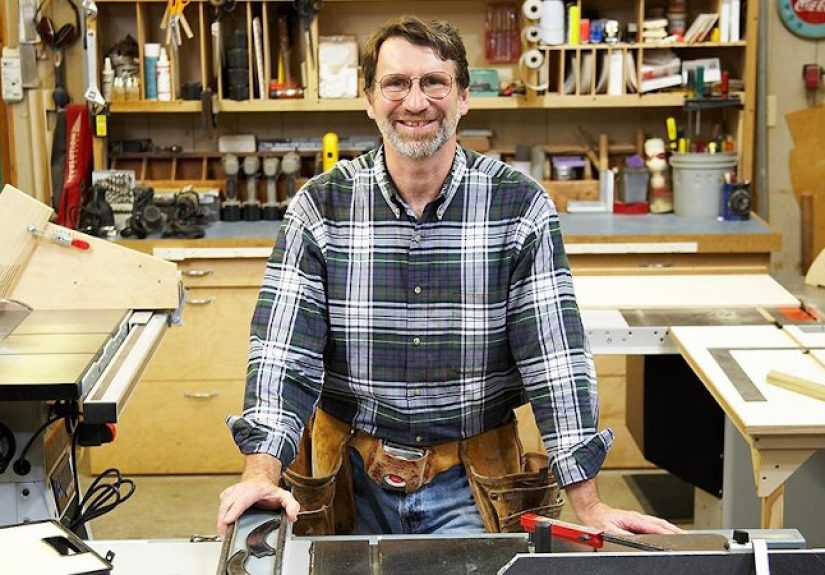
For anyone who grew up hearing the calm buzz of a table saw on public television, the news feels a little like finding a perfectly sharp chisel in the back of a drawer: Norm Abram is back. Not with a brand-new plaid shirt tour or a surprise reboot of The New Yankee Workshop, but in a way that may be even more useful for modern viewers. Classic episodes are returning online, and some are getting the digital equivalent of a fresh coat of shellac: AI-enhanced HD.
That phrase sounds like it belongs in a sci-fi movie where the hero restores antique furniture with lasers. But the real story is simpler, warmer, and more interesting. Norm Abram, the master carpenter who helped define home improvement television, is being rediscovered by a generation that watches on laptops, tablets, smart TVs, and phones. Thanks to AI video upscaling, old standard-definition footage can look cleaner, sharper, and more comfortable on today’s high-resolution screens.
For longtime fans, it is nostalgia with better pixels. For younger DIYers, it is a chance to see why a man with a gentle voice, a plaid shirt, and a healthy respect for safety glasses became one of the most trusted teachers in American woodworking.
Who Is Norm Abram, and Why Does His Return Matter?
Norm Abram is not just a television carpenter. He is one of the reasons millions of Americans learned that a home renovation show could be educational, practical, and strangely relaxing at the same time. He became the master carpenter on This Old House when the series premiered in 1979, helping pioneer the documentary-style home improvement format that later shaped an entire industry.
Unlike the loud, fast-cut renovation shows that would arrive decades later, Norm built his reputation on patience. He explained. He measured. He measured again. He showed the process without turning every board into a dramatic plot twist. If a piece of trim needed careful fitting, Norm made that feel important. If a tool required respect, he gave it respect. If a project had a tricky joint, he walked viewers through it like a calm neighbor who actually returns borrowed clamps.
In 1989, he became the host of The New Yankee Workshop, a PBS woodworking series created by Russell Morash. The show ran for 21 seasons and became a masterclass in furniture making, shop organization, tool use, and practical craftsmanship. Norm built everything from simple shop helpers to more complex reproductions of classic furniture. He also regularly reminded viewers that measured drawings were available, a sentence that still echoes in the brains of woodworking fans like a friendly public television spell.
The New Yankee Workshop in the YouTube Era
For years, The New Yankee Workshop existed in the memory of fans, on old recordings, DVDs, and official streaming outlets. Then the show began reaching viewers in a new way through its official online presence and YouTube channel. Full episodes started appearing for free viewing, giving the series a second life far beyond its original PBS schedule.
This matters because The New Yankee Workshop was never just background television. It was structured instruction. Each episode focused on a project, followed a logical process, and gave enough visual detail for motivated viewers to learn techniques they could apply in their own shops. In a modern online world full of jump cuts, sponsorship breaks, and “I built a castle out of pallets in 14 minutes” energy, Norm’s slower teaching style feels almost rebellious.
The revival also highlights a major shift in how educational media ages. A woodworking episode from the early 1990s still has value because wood has not received a software update. A mortise is still a mortise. A table saw still deserves your full attention. A cabinet door still needs to be square unless you are building it for a haunted house. The only thing that has aged badly is the video resolution.
What Does “AI HD” Actually Mean?
When older episodes are labeled or described as AI HD, the term generally refers to artificial intelligence-assisted video enhancement. Traditional upscaling makes a small image larger by stretching or mathematically filling in pixels. That can make old footage bigger, but not necessarily better. The result often looks soft, blurry, or smeared, especially on a modern 4K television that shows every flaw with the emotional sensitivity of a building inspector.
AI upscaling works differently. Instead of merely stretching the picture, software analyzes frames and predicts details that may be missing or unclear. It can sharpen edges, reduce noise, improve clarity, and make low-resolution footage easier to watch at 1080p or higher. In practical terms, the tool is not discovering hidden film detail like a detective finding a secret compartment. It is using trained models to make an educated visual reconstruction.
That distinction is important. AI enhancement can make classic video look dramatically better, but it is not magic. It can occasionally make faces look a little too smooth, flatten textures, or create odd artifacts around reflective surfaces and fine edges. In woodworking footage, however, the camera often focuses on tools, boards, joinery, and hands at work. That makes Norm’s workshop a surprisingly good candidate for this kind of restoration.
Why Norm Abram’s Work Benefits From HD Restoration
Woodworking is visual. A teacher can explain a dado, rabbet, tenon, or chamfer all day long, but the moment the camera shows the cut, the lesson clicks. Higher clarity helps viewers see grain direction, blade alignment, clamp placement, layout lines, and the difference between a clean fit and a gap that says, “Well, that’s what wood filler is for.”
In standard definition, many of those details can blur together. On an old tube television, that was acceptable because the screen itself was forgiving. On a modern display, old footage can look fuzzy, compressed, and tired. AI-enhanced HD gives those episodes a better chance to communicate what Norm was actually teaching.
1. Tool demonstrations become easier to follow
Norm’s teaching style depends on small, deliberate movements. A sharper image helps viewers see how a board is fed through a machine, how hands are positioned safely, and how a jig controls a cut. That matters because woodworking is not only about the finished furniture. It is about repeatable, safe technique.
2. Joinery details become more visible
Classic woodworking lives in the details. A dovetail, spline, dado, or mortise-and-tenon joint can look like a blur in old video. Better resolution helps the viewer understand the geometry of the work. It is the difference between “Norm did something clever” and “Ah, that is how the clever thing works.”
3. The workshop itself becomes part of the lesson
The New Yankee Workshop was famously efficient. The space was organized around practical workflow, with major tools, benches, storage, and dust collection arranged to support serious building. In HD, viewers can study the shop itself: where tools live, how mobile bases create flexibility, how work surfaces are placed, and why organization is not just a personality trait for people who label their screw bins.
Why This Revival Feels Different From Ordinary Nostalgia
Nostalgia usually asks us to enjoy something because it reminds us of the past. Norm Abram’s return in AI-enhanced HD does more than that. It makes old instructional content useful again. The charm is not only in seeing Norm back on screen; it is in realizing that the lessons still work.
Many vintage shows are fun because they feel dated. The New Yankee Workshop is fun because it feels durable. The clothing, video format, and production style belong to another era, but the woodworking principles remain solid. Plan carefully. Use the right tool. Respect the material. Keep your fingers away from things that spin at terrifying speeds. Finish well. Clean up. Build something that may outlive your current phone by several decades.
That durability explains why the show continues to attract viewers. Modern creators may have better cameras, drone shots, affiliate links, and microphones the size of chickpeas, but few can match Norm’s trust factor. He did not need manufactured drama. The drama was whether the joint would fit, and because it was Norm, it usually did.
The AI Question: Is Restored Video Still Authentic?
Whenever AI touches classic media, the same question appears: are we preserving history or altering it? With The New Yankee Workshop, the answer depends on how the enhancement is used and labeled. If viewers know an episode has been AI-enhanced, then the restored version can serve as an accessible viewing copy while the original remains historically important.
AI HD is best understood as a bridge, not a replacement. It helps old content survive in a new viewing environment. A standard-definition woodworking episode was designed for the televisions of its time. Modern viewers often watch on large screens where old footage looks rougher than it once did. Enhancement allows the teaching to come forward again.
The key is restraint. Good restoration should not turn Norm into a wax museum version of himself or make walnut look like plastic. It should improve clarity while respecting the original pace, framing, and texture. The goal is not to modernize the soul of the show. The goal is to remove enough visual friction that viewers can focus on the craft.
How AI HD Could Change the Future of DIY Archives
Norm Abram’s AI-enhanced return is part of a larger trend. Across media, old educational programs, documentaries, and how-to series are being rediscovered because digital platforms make them searchable and shareable. AI upscaling adds another layer by making older footage more watchable for audiences who expect crisp video.
This is especially valuable for hands-on education. A woodworking lesson, cooking demonstration, sewing tutorial, gardening segment, or repair guide may remain useful long after the original broadcast. If the information is still accurate and the presentation is clear, restoration can extend its life.
For DIY culture, that is a big deal. The internet is full of quick tips, but there is still enormous value in complete, carefully paced instruction. Norm’s work shows how powerful that format can be. He did not merely show the finished project and wave at a pile of sawdust. He built in sequence, explained choices, and gave viewers the confidence to try.
What Modern Creators Can Learn From Norm Abram
The return of Norm Abram in HD is not only a treat for fans. It is a lesson for today’s creators. Better technology can improve access, but it cannot replace trust. Norm earned trust by being consistent, careful, and honest about the process.
Teach the whole process
Norm understood that viewers need to see the path, not just the result. A beautiful cabinet is inspiring, but the steps are what make it educational. Modern content can move quickly, but skipping too much turns a tutorial into a magic trick.
Respect safety without killing the mood
Norm’s reminders about safety glasses became part of his identity because they were practical, not preachy. He made safety feel like normal shop behavior. That is still the best approach. A creator who treats safety as boring is usually one awkward kickback away from becoming a cautionary tale.
Let expertise be calm
Norm did not need to shout. He did not need suspense music when cutting plywood. His authority came from competence. In a noisy content world, calm expertise can be a competitive advantage.
Why Fans Still Connect With Norm Abram
Norm’s appeal goes beyond woodworking. He represents a certain ideal of American craftsmanship: practical, modest, curious, and deeply capable. He made complicated work feel approachable without pretending it was easy. That balance is rare.
He also made viewers feel respected. He assumed they could learn. He did not talk down to beginners, and he did not turn advanced techniques into secret knowledge guarded by a guild of people with very expensive hand planes. He simply demonstrated, explained, and moved on to the next step.
That is why seeing him return in HD feels meaningful. It is not just sharper video. It is a reminder of an era when educational television trusted viewers to pay attention. And judging by the continued interest in his work, plenty of people still want that kind of teaching.
Is AI HD the Best Way to Watch The New Yankee Workshop?
For most modern viewers, AI-enhanced HD is likely the most comfortable way to watch restored episodes, especially on large screens. It can improve clarity, reduce softness, and help the instructional details stand out. However, purists may still prefer original versions because they preserve the exact look of the broadcast era.
Both preferences are valid. The original footage carries historical texture. The AI HD version improves usability. In a perfect world, viewers would have access to both. One version belongs to preservation; the other belongs to practical learning. And if both lead someone to build a better bookshelf, Norm would probably consider that a win.
Experience Section: Watching Norm Abram in HD Feels Like Opening a Better-Lit Workshop
There is a specific kind of comfort that comes from watching Norm Abram work. The pace is steady. The shop is organized. The project has a clear beginning, middle, and end. Nobody is pretending that a full-size cabinet can be built during a lunch break with three mystery screws and a positive attitude. In the AI HD versions, that familiar experience becomes easier to sink into because the screen no longer feels like it is covered by a thin layer of 1992 fog.
The first thing many viewers notice is not the technology itself but the lack of distraction. Old video on a modern screen can create a small distance between the viewer and the lesson. You are aware of the blur. You are aware of the compression. You squint at layout marks and wonder whether that edge is crisp or whether your Wi-Fi is having a personal crisis. With a cleaner HD presentation, the workshop feels closer. The tools have definition. The boards have visible grain. The movement of Norm’s hands is easier to follow.
That matters because the joy of The New Yankee Workshop is not only in seeing furniture appear. It is in watching decisions happen. Norm chooses a board, explains a cut, sets up a jig, checks a fit, and slowly turns raw material into something useful. HD restoration makes those decisions more legible. A viewer can better see how a fence is aligned, how a clamp applies pressure, or why a particular pass through a machine produces the right profile.
There is also an emotional experience to the revival. For longtime fans, watching Norm in HD can feel like revisiting a familiar teacher with fresh eyes. The voice is the same. The safety-first attitude is the same. The quiet confidence is the same. But the sharper image makes the old episode feel newly present, as if the workshop lights were upgraded overnight while everyone else was asleep.
For newer viewers, the experience is different but just as valuable. They may come from a world of fast YouTube edits and hyperactive project videos. Norm’s style can feel almost radical at first. He does not rush. He does not beg viewers to smash anything except, perhaps, the idea that measuring once is enough. The HD image helps bridge the generational gap. It makes the show feel less like an artifact and more like a still-relevant class taught by someone who genuinely knows the work.
Of course, the AI restoration is not perfect. Sometimes an enhanced face may look slightly too smooth. Sometimes a shiny tool may have a strange edge. But in a woodworking show, perfection is not the point. Usefulness is. If the enhanced version helps a viewer understand a technique, feel inspired to build, or simply enjoy a classic episode without visual fatigue, then the technology has done its job.
The best part is that Norm’s teaching survives the upgrade. AI can sharpen the picture, but it cannot create the trust that made the show endure. That came from Norm himself: the patience, the clarity, the respect for craft, and the sense that every project deserved to be done properly. In HD, those qualities do not change. They just become easier to see.
Conclusion
Norm Abram is back, and AI HD gives his classic woodworking lessons a brighter second life. The revival of The New Yankee Workshop shows how technology can preserve practical knowledge without replacing the human skill at its center. AI enhancement can sharpen old footage, reduce visual friction, and help modern viewers appreciate the details that made Norm such a trusted teacher. But the real magic is not in the pixels. It is in the craft.
Norm’s return reminds us that good instruction ages well. A carefully explained cut, a properly planned project, and a sincere respect for safety are still valuable, whether viewed on a 1990s television or a modern HD screen. AI may polish the image, but Norm Abram’s legacy was already built to last.