Table of Contents >> Show >> Hide
- Why the Space Under the Sink Gets So Messy So Fast
- The Simple $15 Shopping List
- Step 1: Empty Everything Out
- Step 2: Toss, Relocate, and Reduce
- Step 3: Measure Around the Plumbing
- Step 4: Create Zones That Make Sense
- Step 5: Use the Cabinet Floor Wisely
- Step 6: Add Vertical Storage With a Tension Rod
- Step 7: Do Not Ignore the Cabinet Doors
- What Not to Store Under the Kitchen Sink
- A Sample Under-Sink Layout for a Small Kitchen
- How to Keep It Organized for the Long Haul
- Why This Budget Project Is Actually Worth It
- Extra Experiences and Lessons Learned From Organizing Under the Kitchen Sink for Just $15
- Final Thoughts
- SEO Tags
If the cabinet under your kitchen sink looks like a tiny disaster movie starring half-used spray bottles, mystery sponges, and one rogue trash bag roll that keeps escaping into the plumbing, you are very much not alone. Under-sink storage is awkward by design. There are pipes in the way, the space is dark, and it somehow attracts clutter like a magnet attracts paper clips. Still, this is one of the easiest kitchen zones to improve without spending serious money.
The good news is that organizing under the kitchen sink for just $15 is absolutely doable. You do not need custom drawers, viral acrylic towers, or a home edit-sized budget. What you do need is a smart plan, a few inexpensive supplies, and the willingness to toss the crusty sponge that has seen too much. Once the space is organized, everyday cleanup gets faster, leaks are easier to spot, and you stop buying duplicates because the dish soap is no longer hiding behind a bottle of stainless-steel polish from 2022.
This guide walks through a practical, budget-friendly way to organize under the kitchen sink using simple tools, real-life storage strategies, and a setup you can actually maintain. Because the goal is not to create a picture-perfect cabinet for three hours. The goal is to make your kitchen easier to live in every single day.
Why the Space Under the Sink Gets So Messy So Fast
Under-sink cabinets are naturally hard to organize because they combine three things that do not play nicely together: limited square footage, weird plumbing obstacles, and a grab-and-go category of items. Dish soap, dishwasher tabs, gloves, sponges, scrub brushes, trash bags, all-purpose cleaner, and backup bottles all tend to get shoved in quickly. Then life happens, and suddenly the cabinet becomes a crowded cave where nothing is easy to find.
Another problem is that many people store the wrong items there. This area feels convenient, so it becomes a dumping ground for paper towels, old rags, grocery bags, candles, random tools, and the occasional food product that really should not be hanging out next to possible leaks. Organizing this cabinet is not just about tidiness. It is about protecting your supplies, making cleaning easier, and using a small kitchen space more efficiently.
The Simple $15 Shopping List
You can create a functional setup with a few low-cost basics from a dollar store, discount retailer, or big-box store. The exact prices vary by store, but this kind of system can usually be pulled together for about $15 total.
- 2 to 3 small plastic bins or baskets for grouping items
- 1 tension rod for hanging spray bottles or creating a divider
- 1 pack of adhesive hooks for gloves, brushes, or small tools
- 1 piece of shelf liner, tray, or repurposed mat to protect the cabinet floor
If you already have a leftover placemat, shallow tray, or scrap liner at home, your total can be even lower. That is the beauty of this project. It rewards resourcefulness, not perfectionism.
Step 1: Empty Everything Out
Yes, everything. Pull out every bottle, every sponge, every trash bag, and every object that somehow wandered in there even though it clearly belongs somewhere else. Once the cabinet is empty, wipe it down well. Pay attention to sticky residue, powdery spills, and signs of moisture. This is also the perfect moment to check for leaks, warped wood, or any musty smell that suggests a plumbing issue needs attention.
Starting with a blank slate matters. It is almost impossible to organize a cabinet properly when you are just shuffling the same clutter around like a shell game. Empty first, clean second, organize third. That order saves time.
Step 2: Toss, Relocate, and Reduce
Before a single basket goes back in, sort your items into three categories: keep, move, and trash. Keep only what truly belongs under the kitchen sink. That usually means dishwashing supplies, a few kitchen-cleaning products, gloves, scrubbers, and maybe a small stock of backups.
Move anything that is better stored elsewhere. Small appliances, bulk paper products, and kitchen linens should not live under a sink where moisture is always a possibility. Food and pet treats do not belong there either. If a pipe leaks, your “convenient storage solution” turns into a soggy regret in under ten minutes.
Trash anything expired, empty, broken, or obviously unloved. If a cleaner did not work two years ago, it is probably not about to stage a comeback. Be ruthless. Under-sink organization works best when the cabinet holds fewer things, not better excuses.
Step 3: Measure Around the Plumbing
This is the step people skip, and then they wonder why the organizer they bought fits like a couch in a coat closet. Measure the width, height, and depth of your cabinet, but also note where the pipes curve, where the disposal sticks out, and how much usable floor space you actually have.
When you are organizing under the kitchen sink for just $15, you are not building a fancy custom system. You are working with the cabinet you have. That means choosing flexible pieces that can tuck around plumbing instead of fighting it. Small bins are better than one giant basket. A tension rod works because it uses upper space without blocking the cabinet floor. Adhesive hooks help you claim door space that would otherwise do absolutely nothing.
Step 4: Create Zones That Make Sense
The easiest way to keep this cabinet organized is to group similar items together. In other words, create zones. That means every category gets a home, and every home has a job.
Suggested Under-Sink Zones
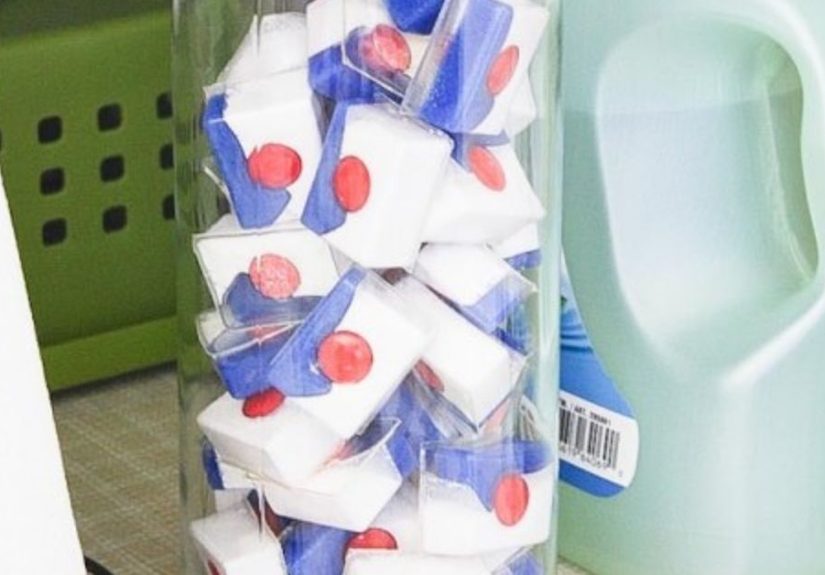
- Daily-use cleaning zone: dish soap, dishwasher pods, sponge, scrub brush
- Backup zone: one extra dish soap, one extra spray, one pack of gloves
- Trash zone: trash bags or small recycling liners
- Tools zone: gloves, drain stopper, small brush, magic eraser
This is not about making your cabinet look like a store display. It is about reducing friction. When everything has a category, you do not have to think every time you open the door. You just grab what you need and put it back where it belongs.
Step 5: Use the Cabinet Floor Wisely
Place your liner, tray, or mat on the cabinet floor first. This adds a little leak protection and makes cleanup easier if a bottle drips. Then add your bins. Use one bin for daily cleaning products and another for backups or less-used items. Narrow bins are especially helpful because they fit beside pipes more easily and can be pulled out quickly.
If your cabinet is deep, do not just pile items in the back and pretend future-you will deal with it. Put less-used products in the rear and frequently used items in front. If possible, choose bins with handles so you can slide them out without knocking over half the cabinet. That simple change makes the space much more functional.
Step 6: Add Vertical Storage With a Tension Rod
This is where the cheap setup starts acting like a clever one. Install a tension rod across part of the cabinet, usually near the top. Many spray bottles can hang by their trigger handles, which frees up valuable floor space below for bins, rags, or a small caddy.
If spray bottles do not fit your cabinet layout, the rod can still help define zones or hold a lightweight cloth. In some setups, it works as a support for small hanging baskets. Either way, it turns unused air space into storage, which is exactly what a cramped cabinet needs.
And yes, using a tension rod under the sink feels suspiciously clever for something that costs so little. That is part of the charm.
Step 7: Do Not Ignore the Cabinet Doors
The inside of the cabinet doors is prime real estate. A few adhesive hooks can hold dish gloves, a small scrub brush, or a lightweight dustpan. A slim bin or caddy attached to the door can hold sponges, dishwasher tabs, or cleaning cloths, as long as the door still closes properly.
Door storage works best for small, lightweight items you use often. It keeps the most grab-worthy supplies visible without cluttering the cabinet floor. Think of it as the under-sink equivalent of finding money in your coat pocket.
What Not to Store Under the Kitchen Sink
One of the smartest parts of organizing this area is knowing what should stay out. The space under the sink is exposed to moisture, temperature shifts, and the possibility of slow leaks. That makes it the wrong home for several common items.
- Paper towels and napkins
- Kitchen towels and linens
- Food, pet food, or snacks
- Small appliances
- Flammable products
- Old chemicals you never use
- Bulk extras that crowd out daily essentials
If the item cannot handle moisture, contamination risk, or a surprise drip, it does not belong there. Keeping only true kitchen-cleaning essentials under the sink makes the cabinet safer and easier to manage.
A Sample Under-Sink Layout for a Small Kitchen
Here is one realistic example of how to organize under the kitchen sink for just $15 without turning it into a complicated weekend project:
- Left side: one narrow bin with dish soap, scrub brush, sponge refills, and dishwasher pods
- Center back: tension rod with two spray bottles hanging by the handles
- Right side: one small bin for gloves, trash bags, and a magic eraser
- Cabinet door: adhesive hooks holding rubber gloves and a bottle brush
- Cabinet floor: simple liner or repurposed tray for leak protection
This setup works because it respects the shape of the cabinet instead of forcing everything into one bulky organizer. It is cheap, flexible, and easy to adjust if your supplies change.
How to Keep It Organized for the Long Haul
The best organizing system is the one you can maintain without needing a motivational speech. Once your cabinet is set up, keeping it in shape takes only a few minutes a week.
Easy Maintenance Habits
- Put items back in their zone after using them
- Wipe up drips before they turn sticky
- Do a quick check for duplicates once a month
- Replace worn sponges and empty bottles right away
- Reassess the cabinet every season
That is it. No color-coded spreadsheet. No organizational summit. Just a few repeatable habits that keep the cabinet from sliding back into chaos.
Why This Budget Project Is Actually Worth It
Small organizing projects often deliver the biggest payoff because they fix tiny daily frustrations. Every time you reach under the sink and find what you need immediately, your kitchen works better. You clean faster, buy less duplicate stuff, and stop muttering under your breath at the cabinet like it personally offended you.
And because this project only costs about $15, the return on investment is excellent. You are not trying to create a luxury storage system. You are creating order, visibility, and convenience with almost no money. That is the kind of home upgrade that feels smart instead of flashy.
Extra Experiences and Lessons Learned From Organizing Under the Kitchen Sink for Just $15
One of the funniest things about organizing under the kitchen sink is how dramatic the before-and-after feels, even though the square footage involved is roughly the size of a medium pizza box. People often expect a giant transformation from a giant budget, but this project proves the opposite. A tiny cabinet can create a weird amount of stress, and cleaning it up can create an equally weird amount of satisfaction.
In real homes, the experience usually starts the same way: someone opens the cabinet, pauses, and realizes they have four half-empty spray bottles, two ripped boxes of trash bags, and at least one sponge that has entered a philosophical phase of life. Then comes the second realization: most of the mess is not caused by a lack of space. It is caused by a lack of structure. Once there is a basket for daily-use items, a place for backups, and a hook for gloves, the cabinet starts behaving.
Another common lesson is that fancy products are not always the answer. Many people discover that a simple tension rod and a couple of basic bins do more for the space than a bulky under-sink contraption with ten compartments and a personality disorder. Cheap supplies tend to work well here because flexibility matters more than style. Pipes are awkward. Cabinet walls are awkward. The disposal is awkward. A system that bends a little usually beats one that looks impressive online.
There is also the surprisingly emotional part of the job. Organizing this one cabinet can make the whole kitchen feel cleaner, even if nothing else changed. That happens because the under-sink zone often holds the tools for cleaning the rest of the room. When dish soap, gloves, sponges, and sprays are easy to grab, everyday cleanup feels less annoying. You are more likely to wipe the counters, swap out the sponge, or deal with a spill right away because the supplies are not buried in a plastic avalanche.
People also learn quickly that the best setup is the one that matches real habits, not fantasy habits. If you never decant products into matching bottles, do not pretend today is the day you become that person. If you use gloves daily, hang them where you can reach them fast. If you always buy one backup dish soap, make room for one backup and no more. The cabinet should support your routine, not judge it.
Perhaps the best experience of all is spotting a leak early because the cabinet is no longer stuffed with clutter. When the floor is visible and items are contained, problems show up faster. That makes this project practical in a way that goes beyond neatness. It protects the cabinet, prevents waste, and helps you stay ahead of small plumbing issues before they become expensive ones.
So yes, organizing under the kitchen sink for just $15 may sound modest. It is modest. But it is also effective, satisfying, and weirdly empowering. For the price of a casual lunch, you can turn one of the messiest spots in the kitchen into a space that actually helps your day run more smoothly. Not bad for a cabinet that used to be a dungeon for lost sponges.
Final Thoughts
Organizing under the kitchen sink for just $15 is less about buying products and more about making better decisions with the space you already have. Empty it out, keep only the right items, group them by use, and take advantage of vertical and door storage. That simple formula works in small apartments, busy family kitchens, and just about anywhere clutter likes to gather.
You do not need a magazine-perfect cabinet. You need one that is clean, functional, and easy to maintain. When the under-sink area is organized, the whole kitchen feels more under control. And for a budget project, that is a pretty excellent payoff.