Table of Contents >> Show >> Hide
- Why Pallet Wood Works So Well for Yard Dominoes
- How to Choose Safe Pallet Wood
- Materials and Tools You’ll Need
- Best Size for DIY Yard Dominoes
- How to Make Pallet Wood Yard Dominoes
- Game Instructions for Yard Dominoes
- Printable Scorecard
- Tips for Better-Looking, Longer-Lasting Dominoes
- What It’s Actually Like to Play with Pallet Wood Yard Dominoes
- Conclusion
If your backyard game shelf is looking a little too serious and not nearly fun enough, pallet wood yard dominoes might be your next weekend win. They’re simple to make, easy to customize, and wildly satisfying to thump onto a patio table with the kind of confidence usually reserved for professional poker players and people who own label makers. Better yet, this project turns reclaimed wood into something useful, playful, and surprisingly good-looking.
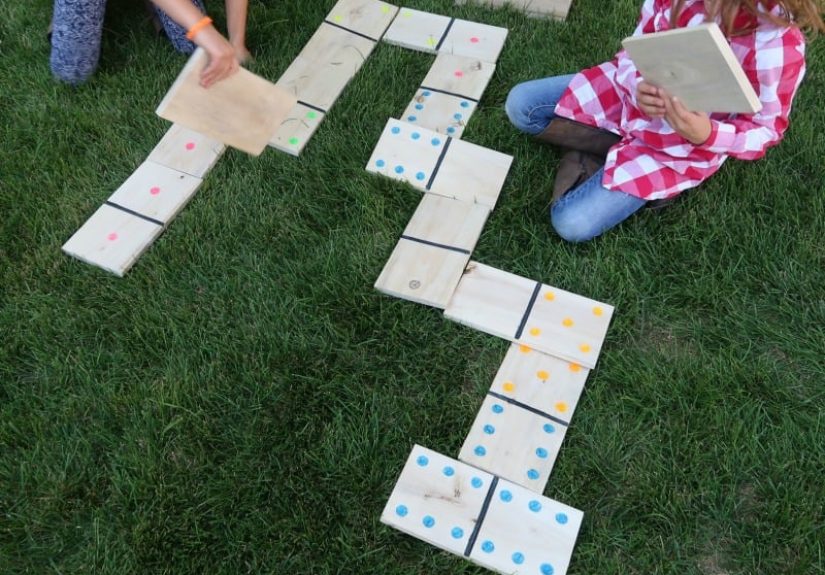
The beauty of pallet wood yard dominoes is that they hit the sweet spot between rustic DIY charm and actual entertainment. They’re big enough to feel special, small enough to store without needing their own zip code, and flexible enough for block games, draw games, and laid-back family house rules. Add a printable scorecard and clear game instructions, and suddenly you’re not just building wooden tiles. You’re building the thing people ask for at cookouts, reunions, camping weekends, and those “let’s just sit outside for a minute” evenings that somehow turn into three hours.
Note: For any pallet wood project, start with clean, solid boards from clearly marked safe pallets, remove nails carefully, smooth splinters aggressively, and finish the pieces for outdoor exposure if you plan to play in the yard.
Why Pallet Wood Works So Well for Yard Dominoes
Pallet wood has a few things going for it. First, it’s affordable. Sometimes “affordable” means free, which is the favorite price of every DIY enthusiast. Second, it already has that weathered, character-rich look people spend real money trying to fake. Third, dominoes are forgiving. You’re making simple rectangular pieces, not a mid-century walnut credenza that will be judged by strangers on the internet.
For a yard dominoes project, pallet boards are especially practical because the finished pieces do not need complicated joinery. If the wood is flat, sound, and thick enough to avoid feeling flimsy, you’re in good shape. A slightly rustic finish even adds to the charm. Tiny knots and grain variation can make the set feel more handcrafted and less like it rolled off an assembly line wearing a name tag.
That said, pallet wood is not magical. It needs inspection, cleanup, and common sense. A domino set should feel sturdy in the hand, slide easily across a table, and never threaten a player with surprise splinters. Backyard competition is fun. Backyard tetanus is not.
How to Choose Safe Pallet Wood
Before you start cutting, be picky. Choose pallets that are dry, intact, and free of obvious contamination such as spills, oil stains, strange odors, or mystery grime that makes you rethink your life choices. Look for wood packaging marks and skip anything marked MB. For a casual yard game, many DIYers prefer pallets marked HT because they have been heat treated, not fumigated with methyl bromide.
Also check the boards themselves. Avoid severely cracked, deeply split, or badly warped pieces unless you enjoy sanding for eternity and still being disappointed. Pull every nail, staple, and bit of metal before cutting. Then sand the surfaces and edges until the boards feel comfortable to handle. This step matters more than people think. A game piece that looks charming but feels like a tiny wooden cactus is not a success.
Materials and Tools You’ll Need
Materials
- Clean pallet boards
- Wood filler for holes or gouges, if needed
- Exterior primer or sealer
- Exterior paint, paint marker, or stain for the pips
- Weather-resistant clear topcoat or outdoor sealer
- Fine and medium grit sandpaper
Tools
- Pry bar or reciprocating saw for disassembly
- Hammer and nail puller
- Miter saw, circular saw, or table saw
- Orbital sander or sanding block
- Measuring tape and square
- Pencil
- Drill with a Forstner bit or spade bit if you want recessed pips
- Paintbrushes or foam brushes
Best Size for DIY Yard Dominoes
There’s no single official size for homemade yard dominoes, which is actually liberating. For a pallet wood set, a practical target is around 6 to 8 inches long, 3 to 4 inches wide, and roughly 1/2 to 3/4 inch thick. That size feels oversized enough for backyard fun without making the set annoyingly heavy. If your pallet boards are thinner, you can still use them, but keep the tiles smaller so they don’t feel flimsy.
A good beginner-friendly size is 7 inches by 3.5 inches. It gives you enough room for a center line and clearly visible pips while still fitting neatly into a storage crate or canvas bag. The exact dimensions matter less than consistency. Dominoes should match each other, not look like they were cut during an earthquake.
How to Make Pallet Wood Yard Dominoes
1. Break down the pallet and sort the good boards
Disassemble the pallet carefully and save the straightest boards. Lay them out and choose the sections with the cleanest grain and fewest deep defects. This is where optimism meets reality. Not every pallet board is a star. Some are supporting actors at best.
2. Cut 28 matching rectangles
A classic double-six domino set uses 28 tiles. Cut your rectangles to identical size. If some boards vary slightly in thickness, group similar boards together or plane them down if you have the tools. Consistent thickness helps the set feel intentional and makes stacking and storage easier.
3. Sand everything thoroughly
Sand the front, back, edges, and corners of every tile. Start with a medium grit to remove roughness, then move to a finer grit for a smoother finish. Round the corners slightly so the dominoes feel better in the hand and resist chipping. You’re making game pieces, not little wooden weapons.
4. Mark the center divider
Each domino needs a line dividing it into two equal halves. Measure and mark the center, then lightly score or draw the line. You can burn it in, carve it shallowly, paint it, or simply use a permanent outdoor-grade marker under a clear finish. For a more polished look, a router or woodburning tool creates a crisp line.
5. Add the pips
You have three easy options. You can paint the dots, drill shallow recesses for the dots, or combine both by drilling shallow pips and painting inside them. Recessed pips tend to look especially clean and hold up well outside. Use a template so the dot placement stays consistent across the set.
For a double-six set, you need one of each combination from 0-0 through 6-6. Here’s a quick reference:
| Tile Combinations | Tile Combinations | Tile Combinations | Tile Combinations |
|---|---|---|---|
| 0-0 | 0-1 | 0-2 | 0-3 |
| 0-4 | 0-5 | 0-6 | 1-1 |
| 1-2 | 1-3 | 1-4 | 1-5 |
| 1-6 | 2-2 | 2-3 | 2-4 |
| 2-5 | 2-6 | 3-3 | 3-4 |
| 3-5 | 3-6 | 4-4 | 4-5 |
| 4-6 | 5-5 | 5-6 | 6-6 |
6. Prime, paint, stain, or seal
If you want a colorful set, apply a primer first and then use exterior paint. If you prefer a natural wood look, stain the wood and protect it with an outdoor-grade clear finish. A weather-resistant topcoat helps the dominoes resist moisture, fading, and general backyard abuse. Let every coat dry fully before stacking the pieces, unless you want your handmade dominoes to become one large experimental sculpture.
7. Make storage simple
A wooden crate, fabric carry bag, or shallow lidded box works well. You can even make a matching pallet wood storage tray. Add the game instructions and scorecard inside a plastic sleeve so they survive spilled lemonade and one overenthusiastic uncle named Rick.
Game Instructions for Yard Dominoes
Because dominoes has plenty of regional and family variations, the easiest approach for a DIY yard set is to include one clear “house rules” version that almost anyone can learn in minutes.
Simple Block Game Rules
- Shuffle all 28 dominoes face down.
- For 2 players, draw 7 tiles each. For 3 or 4 players, draw 5 tiles each.
- Place the remaining tiles aside as the boneyard, or set them aside unused if you want a pure block game.
- The player with the highest double starts. If no one has a double, the player with the highest total tile starts.
- Players take turns matching one end of a domino to an open matching end on the layout.
- If a player cannot play, they pass. If you prefer a draw version, the player draws from the boneyard until they can play or the pile runs out.
- The round ends when one player uses all their tiles or when no one can make a move.
- For scoring, add up the pips left in every losing player’s hand. The winner of the round gets those points.
- Play to 50, 75, or 100 points depending on how long you want the game to last.
Easy Family Draw Game Option
If you want fewer dramatic stalemates and fewer debates about whether someone “totally would have won,” use draw rules. When a player cannot make a move, they draw one tile at a time until they can play or the boneyard is empty. This keeps the game moving and tends to work well for mixed-age groups.
Backyard-Friendly House Rules
- If the ground is uneven, play on a patio table, deck, picnic table, or large outdoor tray.
- If wind is an issue, keep a basket or shallow crate nearby for the boneyard.
- If kids are playing, shorten the game to 30 or 50 points.
- If adults are playing competitively, prepare snacks first. This is not a joke. It is preventive care.
Printable Scorecard
Use this simple scorecard for a family game, party game, or tournament-style afternoon. You can print it as-is or copy it into your own design file.
| Round | Player 1 | Player 2 | Player 3 | Player 4 | Round Winner | Total Score | Notes |
|---|---|---|---|---|---|---|---|
| 1 | |||||||
| 2 | |||||||
| 3 | |||||||
| 4 | |||||||
| 5 | |||||||
| 6 | |||||||
| 7 | |||||||
| 8 | |||||||
| 9 | |||||||
| 10 |
Tips for Better-Looking, Longer-Lasting Dominoes
If you want your set to look polished instead of “garage-adjacent,” consistency is everything. Use a template for dot placement. Cut all pieces from boards that are close in thickness. Sand more than you think you need to. Then sand once more because pallet wood loves to humble people.
For outdoor durability, store the set indoors or in a dry shed when not in use. Even a good finish lasts longer when it’s not left outside in rain, direct sun, and surprise sprinkler attacks. If the tiles begin to look dull over time, a light sanding and fresh topcoat can bring them back to life.
And if you want to make the set more giftable, personalize it. Add a family name, monogram, painted edge color, or matching crate. Suddenly your reclaimed lumber project becomes “custom backyard game set,” which sounds much fancier and may earn you compliments you will absolutely accept.
What It’s Actually Like to Play with Pallet Wood Yard Dominoes
The first time you bring out a handmade yard domino set, people usually react in one of two ways. They either say, “Wait, you made these?” or they pick up a tile, tap it against the table, and immediately start acting like they were born on the professional domino circuit. Both reactions are excellent. That’s part of what makes pallet wood yard dominoes feel special. They don’t just function as a game; they create a moment.
In real-life use, the oversized format changes the whole experience. Standard dominoes are quiet and compact. Yard dominoes are more social. You can see the pips from farther away, which makes the game easier for beginners, older players, and kids who are still learning the rhythm of matching tiles. The pieces have enough weight to feel satisfying, and every play has a little more drama. It’s still dominoes, but with a touch more backyard theater.
They also tend to pull in people who were not planning to play. Someone comes outside “just to say hi,” notices the set, and suddenly they’re sitting down for the next round. At family gatherings, that matters. A good yard game has low barriers to entry. You don’t need special athletic ability, a giant lawn, or a tutorial longer than a streaming series. You just need a flat surface, a handful of players, and maybe a scorekeeper who can resist creative math.
There are practical lessons, too. Handmade dominoes reveal very quickly whether you sanded enough, sealed well, or got a little too optimistic about thin boards. Pieces that feel great in the workshop feel even better when passed around for an hour. A good finish pays off when someone sets a cold drink down too close, a bit of dew settles in, or the game stretches past sunset. The best sets are the ones that feel relaxed and durable, not precious. You want guests to use them, not admire them from a respectful distance like museum artifacts.
Another fun part of the experience is how easily the set becomes part of your outdoor routine. It might come out for a birthday one weekend, a barbecue the next, then a random Tuesday when everyone wants to stay off their phones for a while. Because the game stores easily and sets up fast, it has a better chance of being used than more complicated yard projects. That’s the hidden genius of pallet wood yard dominoes: they’re handmade, but they’re not high-maintenance.
And perhaps the biggest surprise is that people remember them. Long after the burgers are gone and the folding chairs are put away, guests tend to remember the oversized dominoes, the score arguments, the lucky last tile, and the person who got dramatically blocked three turns in a row. In other words, this simple DIY project earns repeat value. It looks good, plays well, and creates the kind of easygoing backyard memories most of us want more of. Not bad for a stack of reclaimed boards that used to spend their days carrying freight.
Conclusion
Pallet wood yard dominoes are one of those rare DIY projects that manage to be affordable, practical, stylish, and genuinely fun. With the right pallet boards, careful prep, a durable outdoor finish, and a clear set of printable rules and scorekeeping tools, you can turn reclaimed wood into a game set that feels both personal and party-ready. Whether you keep the look rustic or dress it up with paint and a matching storage box, the result is the same: a backyard game people will actually want to play.
If you’ve been looking for a simple pallet wood project with a big payoff, this one checks every box. It’s beginner-friendly, giftable, family-friendly, and easy to customize. Best of all, it proves that a humble stack of boards can become the star of your next barbecue, reunion, or lazy summer evening.