Table of Contents >> Show >> Hide
- Why Pan-Seared Duck Breast Is Worth Making
- What Pan-Seared Duck Breast Should Taste Like
- Ingredients for an Easy Pan-Seared Duck Breast Recipe
- How to Make Pan-Seared Duck Breast
- Tips for Crispy Skin and Juicy Duck
- Common Mistakes to Avoid
- Best Side Dishes for Pan-Seared Duck Breast
- How to Store and Reheat Leftover Duck Breast
- Real Kitchen Experiences With Pan-Seared Duck Breast
- Conclusion
- SEO Tags
There are certain dishes that make you feel like you should be wearing a crisp apron, speaking French, and dramatically swirling a glass of wine while dinner sizzles in the background. Pan-seared duck breast is one of them. The good news? It only looks like a fancy-restaurant flex. In reality, it is one of the most satisfying stovetop meals you can make at home, and once you understand the method, it becomes surprisingly approachable.
A great pan-seared duck breast recipe is all about contrast: deeply crisp skin, rich and juicy meat, and just enough acidity or sweetness to keep each bite from feeling too heavy. Duck is bold, luxurious, and not the least bit shy, so it rewards simple technique more than fussy ingredients. Give the fat time to render, keep an eye on the heat, and let the meat rest before slicing. That is the whole magic trick.
This recipe walks you through every step, from scoring the skin to building a fast orange pan sauce with the drippings. You will also get serving ideas, troubleshooting tips, and a few real-life kitchen lessons for the days when your dinner plans are less “Michelin-adjacent” and more “please let this not smoke up the house.”
Why Pan-Seared Duck Breast Is Worth Making
Duck breast sits in a happy middle ground between steak and traditional poultry. It has the rich flavor of dark meat, a dramatic cap of fat that turns gloriously crisp, and a tender interior that feels special enough for date night but easy enough for a Tuesday when you want to impress yourself. Unlike roasting a whole duck, pan-searing focuses on one of the bird’s best parts and gives you faster results.
The biggest advantage of this cooking method is control. Because you start on the stovetop, you can slowly render the fat and build that gorgeous golden skin without rushing the process. You are not just cooking the duck; you are managing the texture. That matters, because flabby duck skin is a culinary heartbreak no one needs.
Another bonus: you get rendered duck fat in the pan, which is basically liquid culinary gold. Save it for potatoes, green beans, roasted carrots, or any vegetable that could use a little glamorous life coaching.
What Pan-Seared Duck Breast Should Taste Like
If chicken is the practical cousin and turkey is the holiday relative who only visits once a year, duck is the charismatic friend who always arrives well dressed. Duck breast has a rich, slightly sweet, deeply savory flavor. It is meaty, but not heavy in the same way a beef dish can be. The crisp skin brings texture, while the rendered fat adds a silky mouthfeel that pairs beautifully with fruit, vinegar, herbs, and peppery greens.
That is why classic duck pairings often lean toward oranges, cherries, figs, berries, balsamic, shallots, mustard, red wine, or lightly bitter greens. These ingredients wake up the richness rather than fighting it. In plain English: duck likes company, but it does not like being crowded.
Ingredients for an Easy Pan-Seared Duck Breast Recipe
For the duck
- 2 boneless duck breasts, skin-on
- 1 1/4 teaspoons kosher salt
- 1/2 teaspoon freshly ground black pepper
- 1/2 teaspoon garlic powder
- 1 teaspoon finely chopped fresh thyme leaves, optional
For the quick orange pan sauce
- 1 teaspoon reserved duck fat or unsalted butter
- 1 small shallot, finely minced
- 1/2 cup chicken stock
- 1/4 cup fresh orange juice
- 1 teaspoon orange zest
- 1 to 2 teaspoons honey
- 1 teaspoon red wine vinegar or sherry vinegar
- 1 tablespoon cold unsalted butter
- Pinch of salt and black pepper, to taste
Optional for serving
- Mashed potatoes or crispy roasted potatoes
- Wilted greens, green beans, or roasted carrots
- A simple salad with arugula or frisée
How to Make Pan-Seared Duck Breast
1. Pat the duck dry and score the skin
Use paper towels to dry the duck breasts very well. This step matters more than people think. Moisture is the sworn enemy of crisp skin. Once the duck is dry, place each breast skin-side up on a cutting board and use a sharp knife to score the skin in a shallow crosshatch pattern. Cut only through the fat, not into the meat. Think “gentle diamond pattern,” not “aggressive landscaping.”
Scoring helps the fat render more evenly and gives you better skin texture. If you slash into the meat, juices can escape too quickly and the final result will be less tender.
2. Season the duck
Season both sides with kosher salt, black pepper, garlic powder, and thyme if using. Let the duck sit at room temperature for about 15 to 20 minutes while you prep the rest of dinner. If you want to be extra prepared, you can season it earlier and leave it uncovered in the refrigerator for a few hours. That little air-dry moment helps the skin crisp even more.
3. Start in a cold pan
Place the duck breasts skin-side down in a large dry skillet. Do not add oil. Duck has plenty of fat already, and it is about to introduce itself to the pan. Starting in a cold skillet gives the fat time to render slowly instead of seizing up and browning before enough fat has melted away.
Turn the heat to medium-low. As the pan warms, the fat will begin to melt and pool around the duck. This is exactly what you want. Cook the duck skin-side down for about 8 to 12 minutes, depending on size, until much of the fat has rendered and the skin is deeply golden and crisp.
Every few minutes, spoon off or carefully pour off excess fat into a heatproof bowl. Do not dump it down the drain unless you enjoy expensive plumbing adventures. Save it for roasting vegetables later.
4. Flip and finish the meat side
Once the skin is crisp, flip the duck breasts and cook the meat side for about 2 to 4 minutes more for a rosy center. Smaller breasts may need less time; larger ones may need a touch more. If the duck is especially thick, you can reduce the heat slightly and give it another minute or two.
If you use an instant-read thermometer, many cooks prefer duck breast around 130 to 135°F for medium-rare, while others go a bit higher for medium. If you are cooking for someone who prefers fully cooked poultry or is at higher risk from foodborne illness, follow the USDA guidance of 165°F. That may give you a firmer result, but safety preferences always deserve a seat at the table.
5. Rest before slicing
Transfer the duck breasts to a cutting board, skin-side up, and let them rest for 5 to 10 minutes. Resting allows the juices to redistribute so they stay in the meat instead of running all over the board like they are making a dramatic exit.
6. Make the quick orange pan sauce
Pour off all but about 1 teaspoon of duck fat from the skillet. Add the shallot and cook over medium heat for about 30 to 60 seconds, just until softened. Stir in the chicken stock, orange juice, orange zest, honey, and vinegar. Simmer until the sauce reduces by about half and tastes balanced, glossy, and lightly syrupy.
Turn off the heat and whisk in the cold butter. Taste and season with a pinch of salt and black pepper if needed. The result should be bright, savory, and just sweet enough to flatter the duck without turning dinner into dessert.
7. Slice and serve
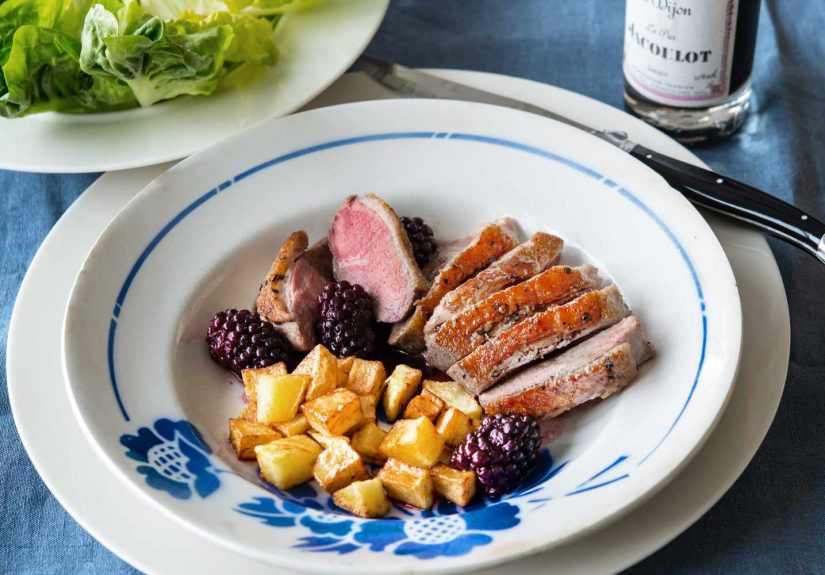
Slice the duck breasts thinly on the bias and spoon the sauce around or lightly over the top. Try not to drown the skin after all that crisping effort. Serve immediately with potatoes, greens, or a salad that has enough zip to keep the plate lively.
Tips for Crispy Skin and Juicy Duck
Dry skin wins
Patting the duck dry is non-negotiable. If the surface is damp, the skin steams before it sears, and then dinner starts sending passive-aggressive signals.
Low and slow rendering is the real secret
Duck breast is not like chicken breast. If you blast it over high heat from the start, the skin can brown before the fat underneath fully renders. That leaves you with chewy skin and a lot of regret. Slow rendering gives you crisp texture and a better bite.
Do not overcrowd the pan
Use a skillet large enough to give each breast a little breathing room. If the pan is crowded, the temperature drops and the skin struggles to crisp.
Keep pouring off the fat
As the duck cooks, excess fat can collect quickly. Removing some of it helps the duck sear instead of shallow-fry. Plus, you get to keep that flavorful fat for another meal, which feels wonderfully efficient.
Resting is part of cooking
It is tempting to slice immediately because the duck smells incredible and patience is a fragile thing. Resist. A short rest improves both texture and juiciness.
Common Mistakes to Avoid
Cutting too deep when scoring: You want to cut the fat, not the flesh. Deep cuts make it easier for juices to escape.
Using high heat too early: Fast browning is not the same as proper rendering. Slow down and let the pan do the work.
Skipping the thermometer: Duck breast has a narrow window between luscious and overdone. A thermometer makes you look like you know exactly what you are doing, which is always nice.
Adding too much seasoning: Duck has a distinct flavor. It can handle spice, but for a classic recipe, keep it simple and let the meat lead.
Pouring duck fat down the sink: Please do not turn deliciousness into a plumbing bill.
Best Side Dishes for Pan-Seared Duck Breast
If you want a restaurant-style plate, pair the duck with one creamy element, one bright element, and one crisp or green element. Mashed potatoes work beautifully because they soak up the sauce. Roasted fingerling potatoes are also excellent, especially if you use some of the reserved duck fat. For vegetables, try green beans, roasted carrots, sautéed kale, or Brussels sprouts.
Duck also loves fruit and sharp flavors. A small salad with arugula, orange segments, toasted walnuts, and vinaigrette makes the whole meal feel balanced. Cherry sauce, blackberry sauce, fig jam, balsamic reduction, and mustardy pan sauces all pair well if orange is not your thing.
How to Store and Reheat Leftover Duck Breast
Store leftover duck breast in an airtight container in the refrigerator for up to 3 days. Keep the sauce separate if possible. To reheat, warm the slices gently in a skillet over low heat or briefly in a low oven. Microwaving will work in a pinch, but it tends to soften the skin and can overcook the meat. Leftover duck is also excellent sliced thin over a salad, tucked into a sandwich, or folded into fried rice.
Real Kitchen Experiences With Pan-Seared Duck Breast
One of the funniest things about cooking duck breast at home is that people treat it like some mysterious culinary final boss. Mention duck at a dinner table and somebody immediately acts like you are forging a sword or launching a satellite. Then you actually cook it, and the whole thing turns out to be less complicated than making a fussy lasagna.
The first time many home cooks make pan-seared duck breast, the biggest surprise is the amount of fat that renders. It can feel almost comical. You start with two modest-looking duck breasts, and a few minutes later the skillet looks like it has entered a prosperous new era. That moment teaches an important lesson: duck is generous. It gives you dinner and tomorrow’s cooking fat. It is basically meal prep with a dramatic flair.
Another common experience is learning that patience matters more than panic. The skin side can take a while, especially if the breasts are thick. There is always a moment, usually around minute six or seven, when you wonder whether anything is happening at all. Then suddenly the fat begins to render properly, the skin starts turning bronze, and the kitchen smells like the kind of place where entrees cost too much but you still order dessert. That is when confidence kicks in.
There is also the deeply humbling experience of realizing that duck does not reward rushing. Many people’s first mistake is turning the heat up because they want instant crispness. The result is often a breast that is browned too early, with stubborn fat still trapped under the skin. Once you make that mistake once, you never forget it. Duck becomes your crispy-skinned life coach, reminding you that some good things actually do require a slower approach.
Then there is the slicing moment, which feels oddly ceremonial. You rest the meat, angle the knife, and cut through the breast to reveal that juicy interior under the crackly skin. If you nailed the temperature, it looks gorgeous. If you overcooked it a little, it is still usually delicious, just slightly less swaggering. Duck is forgiving in that way. It wants you to succeed, even when you are improvising with a skillet that may or may not be your favorite.
Many cooks also discover that pan-seared duck breast changes how they think about “special occasion” meals. It is elegant enough for birthdays, anniversaries, and dinner parties, but simple enough that it does not need a holiday to justify itself. After you make it once or twice, it becomes less of a performance piece and more of a reliable move when you want something memorable without spending all day in the kitchen.
And perhaps the best experience of all is watching people take the first bite. Duck has that wonderful ability to make a meal feel thoughtful. The crisp skin gets attention first, then the richness of the meat, then the bright little lift from a fruity or vinegary sauce. It feels layered. It feels intentional. It feels like you absolutely knew what you were doing the entire time, even if five minutes earlier you were standing over the stove whispering, “Please crisp, please crisp, please crisp.”
That is the charm of a good pan-seared duck breast recipe. It gives you a little drama, a little luxury, and a lot of reward for a technique that is more about calm than complexity. Once you get comfortable with it, you stop seeing duck as intimidating and start seeing it for what it really is: a fantastic dinner with excellent skin and main-character energy.
Conclusion
A well-made pan-seared duck breast recipe is one of the easiest ways to bring restaurant flavor into your home kitchen. With dry skin, steady heat, and a good rest before slicing, you can create crisp skin and juicy meat without turning dinner into an all-day event. Add a quick orange pan sauce, a simple side dish, and a little confidence, and you have a meal that feels luxurious without being complicated.