Table of Contents >> Show >> Hide
- Why Paper Lanterns and Coffee Filters Work So Well Together
- What You Need to Make a Coffee Filter Paper Lantern
- How to Make It Step by Step
- Design Ideas That Make the Lantern Look Extra Special
- Best Places to Use a Coffee Filter Lantern
- Common Mistakes to Avoid
- Why This DIY Has Real Staying Power
- Conclusion
- The Experience of Making a Coffee Filter Paper Lantern
- SEO Tags
If you have ever looked at a plain paper lantern and thought, “Cute, but it needs a little drama,” then congratulations: you are exactly the kind of person this craft was made for. The combination of paper lanterns and coffee filters is one of those glorious DIY discoveries that feels almost suspiciously simple. One humble lantern. One stack of everyday coffee filters. A little glue. Suddenly, you have a fluffy, dreamy, cloud-like light fixture that looks far more expensive than it has any right to.
That is the magic of this project. It turns basic household supplies into statement decor with real personality. Depending on how you style it, the finished look can feel romantic, airy, modern, whimsical, vintage, or delightfully over-the-top. It can live in a nursery, a bedroom, a party backdrop, a reading corner, or anywhere else that could use a soft glow and a bit of paper-fueled enchantment.
In this guide, we will walk through why this craft works so well, how to make it, what design choices matter most, common mistakes to avoid, and how to make the finished lantern look less “school project” and more “I absolutely meant for my home to look this charming.”
Why Paper Lanterns and Coffee Filters Work So Well Together
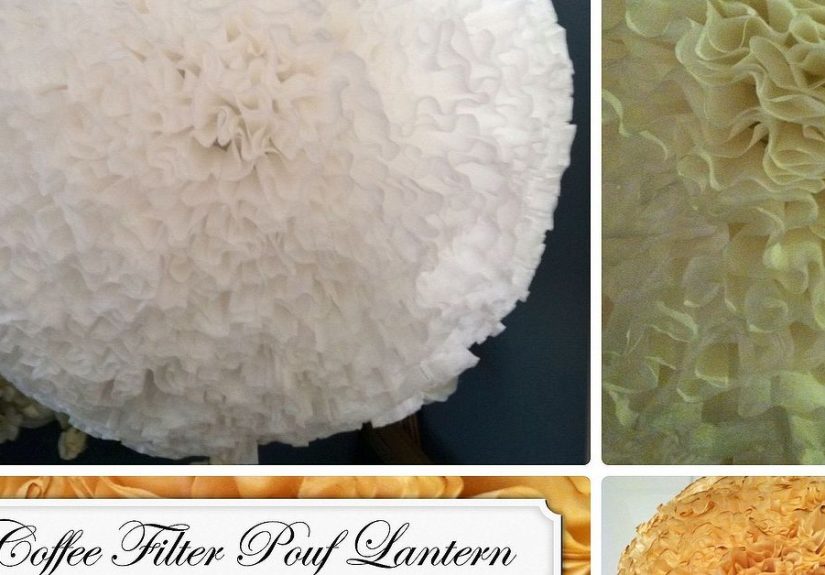
Some DIY combinations feel random. This one makes perfect sense the moment you see it finished. Paper lanterns already offer a lightweight round structure, which gives you an instant base. Coffee filters bring softness, texture, and volume. Together, they create a layered surface that diffuses light beautifully and makes the lantern look almost floral, feathery, or cloud-like.
The real secret is texture. A smooth paper lantern can look flat, especially when it is off. Coffee filters fix that problem immediately. Once scrunched, pinched, folded, or ruffled, they create thousands of tiny shadows and highlights across the surface. That texture gives the lantern depth in daylight and a warm glow at night.
Another reason this idea works is cost. Coffee filters are inexpensive, easy to find, lightweight, and forgiving. You do not need fancy paper stock, advanced cutting tools, or a degree in decorative engineering. You just need patience, a sense of fun, and the willingness to glue the same beautiful little paper puff over and over until your fingers begin to question your life choices.
What You Need to Make a Coffee Filter Paper Lantern
- One paper lantern in your preferred size
- White or natural coffee filters
- Hot glue gun or craft glue
- Scissors
- Battery-operated LED light, LED bulb, or cool-running LED insert
- Optional: watercolor, diluted dye, food coloring, markers, or spray starch for color effects
If you want the softest, most cloud-like result, stick with white filters. If you want something warmer and a bit more rustic, unbleached natural filters can be gorgeous. If your style leans playful, you can tint the filters before attaching them and create a lantern in blush, peach, pale yellow, ombre pink, or even moody jewel tones.
How to Make It Step by Step
1. Pick the right lantern size
A small lantern is quicker to finish, but a medium or large one gives the project more impact. Bigger lanterns look especially dramatic when covered in dense layers of filters. Just remember: the larger the lantern, the more filters you will need. This is not a problem. It is merely a paper commitment.
2. Prep your coffee filters
You can use the filters as-is, or customize them before assembly. For a classic fluffy lantern, simply pinch each filter near the center or bottom so it forms a little ruffle. For a more petal-like look, fold them loosely. For a softer floral style, trim scalloped edges before shaping.
3. Add color, if desired
This project becomes even prettier when you tint the filters. There are several easy approaches. You can dip filters in diluted dye, brush on watercolor, or use washable markers and let moisture create a soft blended effect. For a gentle designer look, keep the palette limited. Think cream and blush, ivory and taupe, or pale yellow fading into white. A full rainbow can be fun too, but it changes the mood from heavenly decor to craft carnival in a hurry.
4. Start gluing from the bottom
Attach each pinched filter directly to the lantern, starting near the lower edge and working upward in rows. Overlap the filters closely. This is what creates fullness. Sparse spacing will make the frame show through and ruin the lush effect. Think scales on a fish, petals on a giant flower, or shingles on the cutest roof in the world.
5. Cover the lantern completely
Continue until the entire surface is covered. Rotate the lantern as you work so the spacing stays even. Step back every so often to check for gaps or thin spots. Sometimes the difference between “wow” and “why does this look bald?” is just ten more filters.
6. Add safe lighting
Once the glue is set, place a cool-running LED light inside. This is not the moment for candles, hot bulbs, or heroic risk-taking. Paper is paper. Keep the lighting low-heat, stable, and suitable for decorative use.
Design Ideas That Make the Lantern Look Extra Special
All-white cloud lantern
This is the classic version, and for good reason. White-on-white shows off texture beautifully and works in almost any room. It feels airy, calm, and slightly magical, especially when hung where natural light can hit it during the day.
Dyed ombre lantern
Dye filters in graduating shades, from the palest tint at the top to a deeper tone at the bottom. This creates movement and makes the lantern feel more custom. A soft pink ombre works well in bedrooms, while peach or amber tones can make a room feel warmer and cozier.
Flower-inspired lantern
Trim filters into rounded petals, then layer them more intentionally instead of simply bunching them. The result looks like a giant bloom suspended from the ceiling. It is theatrical in the best possible way.
Vintage natural-filter lantern
Unbleached filters have a warm, creamy tone that works beautifully in spaces with wood, linen, rattan, or antique-inspired decor. This version feels less sugary and more earthy.
Party or event lantern
These lanterns work wonderfully for baby showers, weddings, birthday parties, and photo backdrops. A cluster of three or five in different sizes can look stunning overhead. One lantern is charming. Five lanterns say, “Yes, I planned this, and yes, compliments are welcome.”
Best Places to Use a Coffee Filter Lantern
- Bedrooms that need a soft decorative focal point
- Nurseries with whimsical or cloud-inspired decor
- Reading nooks and cozy corners
- Party tables and celebration backdrops
- Craft rooms that deserve some of their own handmade charm
- Seasonal decorating, especially spring and winter interiors
One of the nicest things about this project is that it can read as elegant or playful depending on the room. In a neutral bedroom, it feels dreamy and sculptural. In a kids’ room, it can feel like a floating puff of imagination. In a party setup, it becomes a surprisingly affordable statement piece.
Common Mistakes to Avoid
Using the wrong light source
The biggest mistake is using lighting that gets hot. Decorative paper projects should be paired with cool, safe LED options, not anything that turns your pretty lantern into a cautionary tale.
Spacing the filters too far apart
If the filters are not packed tightly enough, the lantern will look patchy. The lush, heavenly effect comes from density. The more closely you place them, the richer the finish.
Choosing too many colors
Color can be beautiful, but too many competing shades can make the piece look messy. Pick a palette and commit. This project looks best when it has a clear visual direction.
Rushing the shape
Not every filter has to be identical, but the overall texture should feel intentional. If some are tightly pinched, some are flattened, and some are flopping around like wet napkins, the finished lantern can look inconsistent.
Ignoring the room around it
This lantern may be handmade, but it is still part of your decor. Consider how it works with your furniture, wall color, and other textures in the room. It should feel like a feature, not a random paper comet.
Why This DIY Has Real Staying Power
Trends come and go, but this project keeps showing up because it checks a lot of boxes at once. It is budget-friendly, approachable, customizable, and genuinely beautiful when done well. It also transforms ordinary materials in a way that feels satisfying. That is the sweet spot of good DIY: easy enough to try, impressive enough to display.
There is also something charmingly old-school about coffee filters as a craft supply. They have been used for flowers, wreaths, window art, and kid-friendly color experiments for years. Bringing them into lighting decor feels like a natural upgrade. The result lands somewhere between handmade flower sculpture and soft architectural lighting, which is a very nice place to be.
Conclusion
Paper lanterns and coffee filters really are a heavenly match. The lantern provides the shape, the filters provide the texture, and together they create a project that looks high-impact without requiring high drama. Whether you want a dreamy white cloud light, a romantic dyed ombre piece, or a floral statement lantern for a celebration, this DIY gives you a lot of beauty for very little money.
The best part is that the finished piece does not look like it came from a stack of coffee filters sitting next to your coffee maker. It looks intentional. It looks whimsical. It looks like you know what you are doing, even if halfway through the project you are surrounded by glue strings and wondering how a simple craft suddenly became an emotional support hobby.
That, frankly, is the hallmark of a great DIY project.
The Experience of Making a Coffee Filter Paper Lantern
There is a very specific kind of joy that comes from making a coffee filter paper lantern, and it starts long before the project is finished. At first, the materials seem almost too humble to be exciting. A paper lantern looks plain. Coffee filters look like something you should be using for breakfast, not decor. But then the process begins, and slowly, weirdly, delightfully, everything changes.
The first few filters feel experimental. You pinch one, glue it down, step back, and think, “Okay, maybe.” Then you add ten more, and suddenly the surface starts to come alive. The lantern stops looking like a lightweight party decoration and starts looking like something soft, sculptural, and unexpectedly elegant. That transformation is one of the most satisfying parts of the entire experience. It feels like watching a blank canvas discover its personality.
There is also something calming about the repetition. Pinch, glue, press, rotate. Pinch, glue, press, rotate. It is the kind of craft rhythm that lets your brain settle down. You do not need to make a hundred complicated decisions every minute. You just keep building texture, one small piece at a time. In a world full of fast scrolling, loud notifications, and constant multitasking, that kind of repetitive handwork can feel almost luxurious.
Then there is the visual payoff. Even before the light goes in, the lantern starts catching daylight in a beautiful way. The ruffles create shadows. The layers create softness. If you dyed the filters beforehand, the color variation makes the whole piece feel even richer. Once the LED light is added, the experience shifts again. The lantern glows instead of merely existing. It stops being a craft project and becomes atmosphere.
That moment is usually the reward. You turn the light on, the filters warm up visually, and the whole thing feels far more magical than the supply list promised. It is hard not to grin a little when that happens. You began with groceries-adjacent paper products and ended with something that looks like boutique decor.
The experience is also surprisingly personal. Some people make these lanterns crisp and floral. Others make them wild and cloud-like. Some go monochrome and sophisticated. Others go full pastel fairy kingdom. The same basic project can reflect wildly different tastes, which makes it feel creative rather than formulaic.
And yes, by the end, there is often a small mess. There may be glue strings. There may be paper scraps. There may be a moment where you realize you underestimated how many coffee filters “a medium lantern” actually requires. But that is part of the story too. Handmade decor should feel touched by process. It should feel like somebody made a choice, spent time, adjusted a detail, and cared about the final result.
In the end, making a coffee filter lantern is not just about producing a decoration. It is about turning ordinary materials into something memorable, enjoying the slow build of texture and shape, and getting that rare DIY payoff where the finished object really does look a little bit heavenly.