Table of Contents >> Show >> Hide
- What Is a Slasher Movie, Really?
- A Quick History of Slasher Horror
- Classic Slasher Tropes (And Why They Keep Working)
- 10 Quintessential Slasher Movies to Start With
- Why We Keep Coming Back to Slasher Horror
- How to Start Your Own Slasher Marathon (Without Losing Sleep)
- Conclusion: Why Quintessential Slasher Movies Still Matter
- Extra: Personal Experiences and Tips for Enjoying Slasher Horror
If you’ve ever yelled “Don’t go in there!” at your TV while a doomed teenager walks into a dark basement anyway, congratulations: you’re already emotionally invested in slasher horror films. Slasher movies are the comfort food of horrorbloody comfort food, sure, but reliable all the same. They give us masked killers, creative scares, iconic final girls, and just enough dark humor to make us laugh right after we scream.
This guide is your friendly crash course in quintessential slasher movies. We’ll break down what counts as a slasher, trace how the subgenre evolved from Psycho to Scream and beyond, and walk through a starter list of must-watch slasher classics. Grab some popcorn (maybe skip the red-colored snacks) and let’s dive in.
What Is a Slasher Movie, Really?
“Slasher” gets thrown around a lot, but film scholars and critics actually have a pretty specific idea in mind. A slasher movie is a horror subgenre centered on a killer stalking and murdering a group of people, usually one by one, with a bladed or close-contact weaponthink knives, machetes, axes, or anything you’d rather not see in a dark hallway.
Modern genre breakdowns add a few more common ingredients. Slasher films typically feature:
- A human (or once-human) killer: They may be unstoppable, supernatural, or weirdly fond of masks, but they’re not a ghost or a demon in the purest sense.
- A high body count: The story is built around “stalk-and-slash” set pieces where different characters meet their end in escalating ways.
- Close-quarters violence: No sniper rifles hereslashers want intimacy. The weapon of choice usually requires getting physically close to the victim, which ramps up the tension.
- A contained setting: Camps, sorority houses, sleepy suburbs, malls, and remote cabins are all slasher favorites. Once you’re there, escape is… tricky.
Plenty of horror movies have killers, but if the antagonist is a xenomorph, a demonic nun, or an AI robot army, we’re drifting into different territory. Slashers are grounded (at least loosely) in the idea that the killer is a personjust one who is very, very bad news.
A Quick History of Slasher Horror
Proto-Slashers: Peeping Toms and Showers Gone Wrong
Long before we met Jason, Michael, or Freddy, films like Peeping Tom (1960) and Alfred Hitchcock’s Psycho (1960) helped establish the basic grammar of the slasher: a psychologically twisted killer, voyeuristic camerawork, and victims dispatched in shocking scenes that pushed the boundaries of what audiences were used to seeing on screen.
In the early 1970s, Italian giallo films and low-budget exploitation horror pumped out stories of masked killers, mysterious murders, and stylish violence, shaping the tone and look that slashers would later adopt.
The 1970s–80s: The Golden Age of Slasher Movies
The mid-1970s to mid-1980s are often called the “Golden Age” of the slasher. Two 1974 releases, Black Christmas and The Texas Chain Saw Massacre, were hugely influentialeven if mainstream critics at the time weren’t exactly thrilled. Both movies took relatively ordinary young people and trapped them in relentless nightmares, with stalker killers, unsettling POV shots, and a sense that no one was really safe.
Then, in 1978, John Carpenter’s Halloween arrived and changed the game. With its minimalist synth score, masked killer Michael Myers, “final girl” Laurie Strode, and suburban setting, Halloween distilled the emerging formula into something lean, terrifying, and wildly successful. Critics like Roger Ebert even praised it as a masterclass in suspense, not just a cheap scare machine.
Studios noticed the box office potential, and the early ’80s saw an avalanche of slashers: Friday the 13th (1980), My Bloody Valentine (1981), Sleepaway Camp (1983), and many more. Some explored moral panic and social fears; others existed mainly to fill double-bills at drive-ins. Either way, the slasher became one of the most recognizable horror formats around.
The Self-Aware 1990s and Beyond
By the late ’80s, audiences started getting tired of formulaic sequels. Then Wes Cravenwho had already changed the genre once with A Nightmare on Elm Street (1984)did it again with Scream (1996). Scream blended sharp self-referential humor with genuine scares, turning its characters into horror fans who understand “the rules” of slashers… and still get picked off anyway.
The success of Scream revitalized interest in slasher horror and led to titles like I Know What You Did Last Summer (1997) and Urban Legend (1998). In the 2000s and 2010s, filmmakers played with the template in new waysgoing meta, adding comedy, or layering in social commentary. More recent slasher-adjacent hits like Freaky (2020), Bodies Bodies Bodies (2022), and Totally Killer (2023) show that audiences still love watching a masked killer chase bad decisions around a confined setting.
Classic Slasher Tropes (And Why They Keep Working)
One of the joys of slasher movies is that they’re proud of their patterns. Fans don’t just tolerate the tropesthey count on them. Here are a few of the big ones and why they’ve endured.
The Masked, Unstoppable Killer
From Michael Myers’s emotionless mask to Jason Voorhees’s hockey mask and Ghostface’s elongated scream visage, slasher villains are often defined by what we can’t see. Hiding their faces makes them scarier, more symbolic, and easier to project our own fears onto. It also turns the killer into an instantly recognizable icon, perfect for posters, merch, and Halloween costumes.
The Final Girl
The “final girl” is the last survivor, usually a young woman who either outsmarts or outlasts the killer. Think Laurie Strode in Halloween or Sidney Prescott in Scream. Scholars have argued that final girls embody shifting cultural anxieties about gender, morality, and powerwhile fans just know they’re often the heart of the movie, the person we most want to see make it out alive.
Isolated Settings and “You Can’t Leave Yet” Plots
You rarely see a traditional slasher set in a crowded, well-lit city street in broad daylight. Instead, killers show up at summer camps, lakeside cabins, suburban houses, sorority homes, carnivals, and other locations where cell service mysteriously fails and adults are either absent or useless. Confining the cast makes it easier to build tensionand harder for anyone to escape.
Holiday and Event Hooks
Horror loves a holiday, and slashers are no exception. Halloween, Black Christmas, My Bloody Valentine, and countless others use recognizable dates or events as hooks. It’s a smart marketing move (instant theme!) and a clever thematic one: the killer invades what should be a safe, celebratory moment.
10 Quintessential Slasher Movies to Start With
Ready to build your own slasher marathon? Here are ten key titles that serve as both an intro course and a greatest-hits playlist. You can absolutely argue for more (and horror fans will), but this list gives you a strong foundation.
1. Halloween (1978)
If you only watch one slasher, make it this. John Carpenter’s tale of Michael Myers stalking babysitters in Haddonfield, Illinois is tense, strangely elegant, and anchored by Jamie Lee Curtis’s iconic performance as Laurie Strode. The slow-burn pacing, synth score, and patient camerawork show how terrifying a simple story can be when executed with precision.
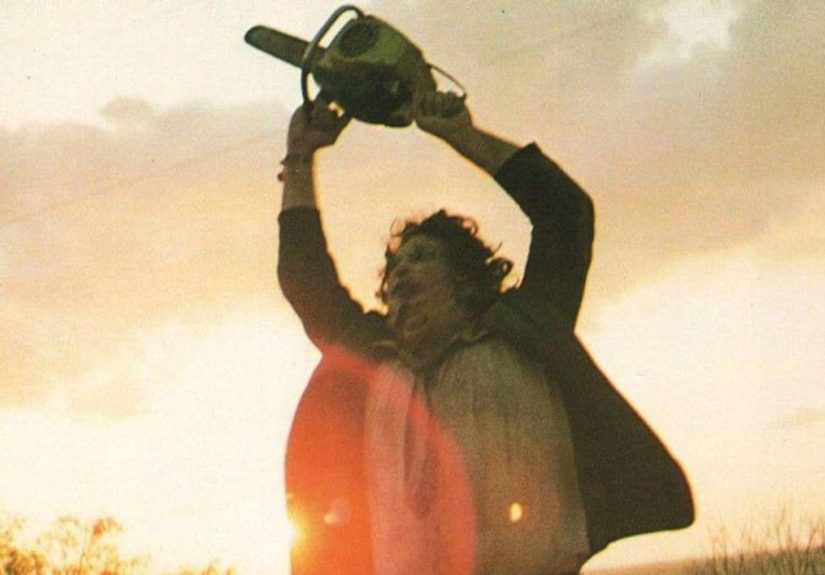
2. The Texas Chain Saw Massacre (1974)
Grimy, relentless, and way more artful than its grindhouse reputation suggests, this movie traps a group of young travelers in the orbit of Leatherface and his deeply disturbing family. It feels almost documentary-like at times, with sound design and cinematography that make the whole experience feel like a fever dream you can’t quite shake.
3. Black Christmas (1974)
Often cited as a crucial blueprint for the modern slasher, Black Christmas follows a group of sorority sisters plagued by obscene phone calls and a killer hiding in their house. It’s chilly, unsettling, and smarter than many of the movies that followed, blending social commentary with straight-up terror.
4. Friday the 13th (1980)
Set at the infamous Camp Crystal Lake, this one helped cement the “summer camp slasher” template. Critics weren’t wild about it, but it was a box office hit and spawned a long-running franchise. If you like campfire stories that go horribly wrong, this is required viewing.
5. A Nightmare on Elm Street (1984)
With Freddy Krueger, Wes Craven created a slasher villain who attacks in dreams, blending supernatural horror with slasher structure. The kills are imaginative and surreal, and the conceptwhat if you’re not even safe while sleepingtapped into a very basic human fear.
6. Scream (1996)
Scream is both a love letter to slashers and a ruthless critique of their clichés. The Ghostface killer taunts victims with horror trivia, the characters openly discuss “the rules,” and yet the movie still manages to deliver some genuinely shocking moments. It’s a perfect bridge between classic and modern slashers.
7. Child’s Play (1988)
Yes, the killer is technically a dollbut he’s powered by the spirit of a serial killer, and the movie plays like a slasher filtered through a darkly comic lens. Chucky became one of horror’s most recognizable icons, and the franchise only grew more self-aware over time.
8. My Bloody Valentine (1981)
Set in a small mining town that cancels its Valentine’s Day dance after a series of brutal murders, this film combines slasher thrills with a blue-collar setting you don’t see as often. It’s also a great example of holiday-centric horror doing exactly what it promises.
9. Candyman (1992)
Blending urban legend, social commentary, and slasher structure, Candyman explores race, class, and fear through the story of a hook-handed killer summoned by repeating his name in a mirror. It’s moody, haunting, and visually strikingessential slasher homework with extra thematic depth.
10. Totally Killer (2023)
For a fresh, fun entry point, this time-travel slasher sends a modern teen back to the 1980s to stop the “Sweet Sixteen Killer.” It riffs on classic ’80s slashers while adding comedy and sci-fi elements, making it a crowd-pleaser for viewers who want something lighter but still blood-spattered.
Why We Keep Coming Back to Slasher Horror
On paper, slashers shouldn’t be comforting. Yet horror fans rewatch these movies like old sitcoms. Part of the appeal is ritual: we know someone is going to go into the basement, we know ignoring the creepy noise is a bad idea, and we know the final girl is going to have a showdown with the killer. That predictability creates a safe space to explore fear, anxiety, and even taboo subjects without real danger.
Critics have argued that slashers reflect cultural tensionsabout sexuality, gender roles, violence, or social changewhether they mean to or not. But on a simpler level, they tap into a universal feeling: the dread of being hunted and the relief of surviving, even if it’s just vicariously through a character on screen.
How to Start Your Own Slasher Marathon (Without Losing Sleep)
If you’re new to slasher horror, a little curation goes a long way. Here’s a simple way to dip your toes into the blood-spattered waters:
- Start with tone: If you want tense and serious, go with Halloween or The Texas Chain Saw Massacre. If you prefer some humor, try Scream or Totally Killer.
- Mix eras: Watch one ’70s classic, one ’80s staple, one ’90s meta-slasher, and one modern twist to see how the subgenre has evolved.
- Watch with friends: Slashers are perfect for group viewing. Half the fun is predicting who’s next and arguing about which character deserved better.
- Know your tolerance: Some slashers are stylish and relatively restrained; others lean hard into gore. Check content notes if you’re unsure what you’re in the mood for.
Conclusion: Why Quintessential Slasher Movies Still Matter
From the shower scene in Psycho to Ghostface asking, “Do you like scary movies?”, slasher horror films have carved out a permanent space in pop culture. They’re part funhouse mirror, part cultural time capsule, and part cinematic dare. Watch enough of them and you’ll start to see the patternsbut that doesn’t make the jump scares any less effective.
Whether you’re building your first watchlist or revisiting old favorites, quintessential slasher movies offer a twisted kind of comfort: they remind us that fear can be entertaining, survival can be cathartic, and sometimes the smartest move is just not going into the creepy attic alone.
sapo: Slasher horror films are the ultimate blend of suspense, shock, and slightly questionable life choices. This in-depth guide breaks down what defines a slasher movie, traces the genre’s evolution from Psycho to Scream and beyond, and highlights quintessential slasher movies that belong on every horror fan’s watchlist. From masked killers and final girls to holiday massacres and meta-horror comebacks, you’ll get a clear, entertaining primer on how slashers work, why we love them, and where to start your own scream-filled marathon.
Extra: Personal Experiences and Tips for Enjoying Slasher Horror
If you talk to long-time horror fans, many of them can pinpoint the exact slasher that “hooked” themoften watched way too late at night and way too young. Maybe it was sneaking a VHS of Halloween at a sleepover, or catching a heavily edited version of Friday the 13th on cable and realizing something big was missing between commercial breaks.
One common experience goes like this: you start off laughing at how obviously bad the characters’ decisions are. “Why would you split up? Why would you run upstairs?” But somewhere around the midpoint, the movie pulls you in. The jokes quiet down, and suddenly you’re leaning forward, genuinely tense, because you’ve grown attached to the final girl or the one side character who seems to have a functioning brain.
For many fans, slashers are a social ritual. Think themed movie nights where everyone comes dressed as their favorite horror character, or marathons built around a single franchise. Watching the Scream series in order is almost like attending a masterclass in how the genre reflects its era; watching the Friday the 13th films back-to-back is more like a prolonged experiment in how many different ways you can stage mayhem around a lake.
Another surprisingly common experience: discovering that slashers can be oddly comforting in stressful times. It’s not because of the violence itself, but because the stakes are simple. The problem isn’t ambiguous or abstract; the problem is “There is a killer. Do not let the killer stab you.” In a world filled with complex, unsolvable anxieties, that kind of blunt clarity can be weirdly soothingespecially when you know it’s all fiction and you can hit pause at any time.
If you’re new to the subgenre, it helps to set expectations for yourself and anyone watching with you. Maybe you pick a more suspense-focused title like Halloween or Black Christmas if you’re sensitive to gore, or a more playful, self-aware movie like Scream or Totally Killer if you want easier laughs with your scares. You might decide ahead of time to treat every questionable decision on screen as an invitation to shout advice at the charactersthink of it as interactive survival training you will never actually need.
Horror conventions and film festivals also deepen the experience. Watching a slasher with a crowd that gasps, laughs, and claps in unison changes the energy entirely. That jump scare you saw coming suddenly hits harder when a hundred other people jump, too. Q&A sessions with writers, directors, or effects artists can also shift your perspective: you start to appreciate the craftsmanship behind the chaosthe timing of a fake-out scare, the choreography of a chase scene, the way a soundtrack quietly raises your blood pressure before anything even happens.
Finally, a big part of the slasher experience is talking about it afterward. Fans love ranking their favorite final girls, arguing over which franchise has the best sequels, or debating whether a recent movie “counts” as a slasher or lives in some hybrid category. Those conversations keep the genre alive and evolving, as new filmmakers grow up watching the classics, absorbing the tropes, and eventually twisting them into something fresh.
So, if “Quintessential Slasher Movies | Intro to Slasher Horror Films” is your first step into this world, think of it less as entering a haunted house and more as joining a very passionate, slightly spooky book clubone where everyone happens to have strong opinions about masks, synth scores, and the correct response to a mysterious noise in the basement.