Table of Contents >> Show >> Hide
- What Is Powassan Virus?
- Why This Maine Death Matters
- Symptoms of Powassan Virus Infection
- How Powassan Virus Spreads
- Why Maine Is a Hotspot for Tick Concerns
- Diagnosis and Treatment: What Doctors Can and Cannot Do
- How to Prevent Tick Bites in Maine and Beyond
- When to Call a Healthcare Provider
- The Bigger Lesson: Rare Does Not Mean Irrelevant
- Experience-Based Lessons: What This Story Teaches Outdoor Families, Hikers, and Homeowners
- Conclusion
A rare tick-borne virus has killed a Maine resident, putting a serious spotlight on a tiny creature most people would rather not think about until one is crawling up a sock. Health officials confirmed that the fatal infection was caused by Powassan virus, a rare but potentially severe disease spread through the bite of infected ticks. While the illness remains uncommon, the death is a reminder that Maine’s tick season is no longer just a mild outdoor nuisance. It is a public health issue with teethor, more accurately, mouthparts.
The reported death occurred in York County and was identified by the Maine Center for Disease Control and Prevention as the state’s first fatal Powassan virus case of 2024. At the time, Maine had already identified two other Powassan infections that year, in Kennebec and Lincoln counties. The state also recorded a troubling high point in 2023, when seven Powassan cases were identified, the most Maine had reported in a single year. Since 2014, Maine has recorded 25 Powassan infections, including multiple deaths.
Those numbers are small compared with Lyme disease, anaplasmosis, or babesiosis, but Powassan earns attention because of how quickly it can be transmitted and how serious the illness can become. Lyme disease often requires a tick to remain attached for many hours before transmission becomes likely. Powassan virus may be passed from tick to person much faster, possibly in as little as 15 minutes after a bite. In other words, this is not the kind of germ that politely waits for you to finish your hike, make a sandwich, and remember to check your ankles.
What Is Powassan Virus?
Powassan virus is a tick-borne flavivirus, a member of a virus family that also includes several mosquito- and tick-transmitted illnesses. In the United States, it is most often associated with the Northeast and Great Lakes regions, where blacklegged ticksalso called deer ticksare well established. The virus is maintained in nature through cycles involving ticks and small mammals such as mice, squirrels, and groundhogs. Humans are accidental hosts, which is public health language for “wrong place, wrong tick.”
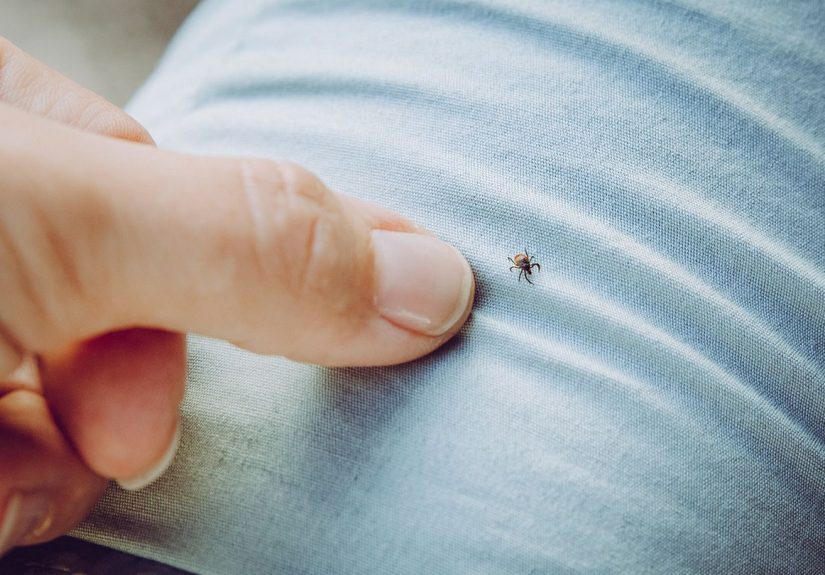
Three tick species are known to spread Powassan virus: the blacklegged tick, the groundhog tick, and the squirrel tick. Of these, the blacklegged tick matters most for everyday human risk because it bites people more commonly and is widespread in Maine. The same tick is also responsible for spreading Lyme disease, anaplasmosis, babesiosis, and other infections. That makes every tick check a small but meaningful act of self-defense.
Many people infected with Powassan virus never develop symptoms. That is one reason the disease can be difficult to track. However, when symptoms do appear, they can begin anywhere from about one week to one month after a tick bite. Early symptoms may include fever, headache, vomiting, weakness, and general malaisethe sort of vague “something is wrong” feeling that can be mistaken for a summer bug, dehydration, or overdoing it while splitting firewood.
Why This Maine Death Matters
The death of a Maine resident from Powassan virus matters because it highlights a gap between how casual many people feel about ticks and how serious tick-borne diseases can become. Maine residents are no strangers to ticks. Gardeners find them after trimming brush. Dog owners find them after walks. Campers find them in places that make everyone question their life choices. But familiarity can lead to underestimating the risk.
Powassan disease is rare in the United States, with only a few dozen cases typically reported nationwide each year. Yet public health data show that reported cases have increased over time. Experts point to several likely reasons: expanding tick habitats, more people living or recreating in tick-prone areas, better recognition by clinicians, and more testing. None of those factors means every tick bite is an emergency, but together they explain why health officials keep repeating the same message: prevent bites, check your body, and take symptoms seriously.
Maine is especially vulnerable because deer ticks are present in all 16 counties and can be active whenever temperatures rise above freezing. That means “tick season” is not limited to a neat little summer calendar window. Spring, summer, and fall are peak times, but a mild winter day can still bring ticks out of hiding. If the ground is thawed and the thermometer is feeling generous, ticks may be on duty.
Symptoms of Powassan Virus Infection
Powassan virus infection can range from silent to severe. Some people never feel sick at all. Others develop a flu-like illness that may pass without a diagnosis. The greatest concern is neuroinvasive disease, meaning the virus affects the brain or the membranes around the brain and spinal cord.
Early Symptoms to Watch For
Early signs may include fever, headache, vomiting, weakness, fatigue, and muscle aches. These symptoms are not unique to Powassan, which is one reason diagnosis requires medical evaluation and laboratory testing. After a tick bite, it is wise to monitor your health for several weeks, especially if you live in or recently visited a region where deer ticks are common.
Severe Neurologic Symptoms
Severe Powassan disease can cause encephalitis, which is inflammation of the brain, or meningitis, which is inflammation of the membranes surrounding the brain and spinal cord. Warning signs may include confusion, seizures, difficulty speaking, loss of coordination, memory problems, and changes in alertness. These symptoms require immediate medical attention.
About 10 percent of people with severe Powassan disease die. Many survivors of severe illness can experience long-term problems such as recurring headaches, memory issues, loss of muscle strength, or other neurologic complications. That is the part of the story that deserves more attention than the word “rare.” Rare does not mean harmless. A shark attack is rare too, but nobody recommends seasoning your leg before swimming.
How Powassan Virus Spreads
Powassan virus spreads through the bite of an infected tick. Ticks become infected after feeding on small animals that carry the virus in their blood. An infected tick can then transmit the virus during a later bite. People do not develop enough virus in their blood to pass it back to ticks, so humans are considered dead-end hosts.
The disease does not normally spread from person to person. Rare transmission through blood transfusion has been documented as a concern, which is why people diagnosed with Powassan virus are advised not to donate blood for a period after illness. For the average reader, though, the main risk is straightforward: an infected tick attaches, feeds, and transmits the virus.
One detail makes Powassan particularly unsettling. Some evidence suggests transmission may happen much faster than with Lyme disease. Maine public health officials note that Powassan virus may spread from tick to person in as little as 15 minutes after attachment. That makes prevention more important than relying on “I’ll check later.” Later is a fine plan for folding laundry. It is not a great tick strategy.
Why Maine Is a Hotspot for Tick Concerns
Maine’s landscape is beautiful, which is exactly the problem from a tick’s point of view. Wooded trails, leafy yards, brushy edges, stone walls, tall grass, damp shade, and abundant wildlife all create ideal tick habitat. Add outdoor lifestyleshiking, camping, hunting, gardening, fishing, dog walking, and summer camp activitiesand the opportunities for tick encounters multiply quickly.
Lyme disease remains the most commonly reported tick-borne illness in Maine, but it is no longer the only concern. Anaplasmosis, babesiosis, hard tick relapsing fever, and Powassan virus are all part of the state’s tick-borne disease picture. MaineHealth reported record preliminary case numbers for Lyme disease, anaplasmosis, and babesiosis in 2025, showing that the broader tick problem continues to grow.
Public health experts also emphasize that awareness is improving. More patients know to mention tick exposure. More clinicians consider tick-borne diseases in their differential diagnosis. Tick labs and surveillance programs help identify what pathogens are circulating. Better detection can make numbers rise even when risk has not changed dramatically. Still, the practical takeaway remains the same: in Maine, tick prevention should be as routine as sunscreen, bug spray, and pretending you are not emotionally dependent on lobster rolls.
Diagnosis and Treatment: What Doctors Can and Cannot Do
Powassan virus cannot be diagnosed by symptoms alone. A healthcare provider considers symptoms, possible tick exposure, travel or residence in an area where the virus circulates, and laboratory testing. Testing may look for antibodies or evidence of the virus, and severe cases may require hospital evaluation.
There is no vaccine to prevent Powassan virus disease and no specific antiviral medicine to cure it. Antibiotics do not work against viruses. Treatment is supportive, which means doctors focus on managing symptoms and complications. Mild illness may involve rest, fluids, and pain relief. Severe disease may require hospitalization, breathing support, intravenous fluids, seizure control, and treatment to reduce swelling in the brain.
This lack of a targeted treatment is exactly why prevention matters so much. With Lyme disease, early antibiotics can be highly effective. With Powassan, avoiding the tick bite is the main line of defense. It is less dramatic than a medical breakthrough, but it works better than hoping a microscopic virus will respect your weekend plans.
How to Prevent Tick Bites in Maine and Beyond
Preventing tick bites does not require living in a bubble or canceling nature. It requires building better habits. Think of it as outdoor hygiene: simple, repetitive, and slightly annoying until it becomes automatic.
Dress Like Ticks Are Trying to Ruin Your Day
Wear light-colored clothing so ticks are easier to spot. Choose long sleeves and long pants when walking through woods, tall grass, or brush. Tuck pants into socks if you are in heavy tick habitat. Yes, it is not exactly runway fashion. But neither is explaining to a doctor that you ignored a tick because your socks looked silly.
Use the Right Repellent
Use an EPA-registered insect repellent with ingredients such as DEET, picaridin, IR3535, oil of lemon eucalyptus, PMD, or 2-undecanone. Always follow label directions, especially for children. Permethrin can be used on clothing, boots, and camping gear, and some outdoor clothing comes pretreated. Do not apply permethrin directly to skin.
Check Yourself, Your Kids, and Your Pets
After outdoor activity, check your entire body for ticks. Pay special attention to the scalp, behind the ears, armpits, waistline, groin, backs of knees, and between toes. Children and pets need help because ticks excel at hide-and-seek. Showering after outdoor exposure can help wash off unattached ticks and gives you another opportunity to inspect your skin.
Remove Ticks Properly
If you find an attached tick, remove it with fine-tipped tweezers or a tick removal tool. Grasp the tick close to the skin and pull upward with steady pressure. Do not twist, crush, burn, smother, or paint it with nail polish. Those old folk methods are creative, but creativity is not the goal when a tick is attached to your body. Clean the bite area and your hands afterward, and monitor for symptoms.
When to Call a Healthcare Provider
Call a healthcare provider if you develop fever, headache, vomiting, weakness, confusion, seizures, memory problems, difficulty speaking, or loss of coordination after a tick bite or possible tick exposure. You should also seek medical advice if you are unsure how long a tick was attached, if symptoms worsen, or if the person bitten is a child, older adult, pregnant person, or someone with a weakened immune system.
It is helpful to note the date of the bite, where on the body the tick was found, where you may have been exposed, and whether you saved the tick for identification. In Maine, the University of Maine Cooperative Extension Tick Lab provides tick identification and testing services, which can help residents better understand local tick risks. Tick testing does not replace medical care, but it can support awareness and prevention.
The Bigger Lesson: Rare Does Not Mean Irrelevant
The death of a Maine resident from Powassan virus should not create panic. Panic is bad public health and worse picnic planning. But the case should create respect. Ticks are small, quiet, and easy to dismiss, yet they can carry pathogens capable of serious illness. Powassan is rare, but it sits inside a larger trend: tick-borne diseases are becoming a more visible part of life in New England and other parts of the United States.
The smartest response is not fear. It is routine. Use repellent. Treat clothing. Walk in the center of trails. Keep grass trimmed. Move leaf litter and brush away from high-use yard areas. Check pets. Check kids. Check yourself. Dry clothes on high heat after outdoor activity. Make tick prevention a normal part of going outside, not a dramatic emergency protocol.
Nature is still worth enjoying. Maine’s forests, lakes, campsites, beaches, and backyards are not suddenly off-limits because of one virus. But enjoying them wisely means accepting that tick prevention is part of the modern outdoor checklist. Water bottle? Yes. Sunscreen? Yes. Snacks? Obviously. Tick check? Absolutely.
Experience-Based Lessons: What This Story Teaches Outdoor Families, Hikers, and Homeowners
One of the most useful ways to understand the Powassan virus story is through everyday experience. Imagine a typical Maine Saturday: someone mows the lawn, trims brush near the stone wall, takes the dog down a wooded trail, then sits on the porch feeling accomplished. Nothing about that day feels risky. There is no dramatic wilderness survival scene. No bear. No storm. No heroic soundtrack. Yet that ordinary mix of grass, leaves, pets, and skin exposure is exactly where tick prevention matters.
People who spend time outdoors often learn tick habits the hard way. Hikers discover that ticks are not only deep-woods creatures; they wait along trail edges where grass and brush touch legs. Gardeners learn that a flower bed near shrubs can be just as tick-friendly as a forest path. Parents learn that children rarely announce, “I may have acquired an arachnid passenger behind my knee.” Dog owners learn that pets can bring ticks into the house like terrible little souvenirs.
A practical outdoor routine can make a major difference. Before heading out, choose light-colored socks and pants, apply repellent, and consider treating shoes or hiking pants with permethrin. During the activity, stay toward the center of trails and avoid brushing through tall grass when possible. Afterward, do not flop onto the couch and call it a day. Change clothes, shower, check skin carefully, and run outdoor clothes through a hot dryer cycle before washing. That dryer step is one of the least glamorous but most useful habits because heat can kill crawling ticks that have not attached.
Homeowners can also reduce tick encounters by changing the yard environment. Keep grass short, clear leaf litter, move woodpiles away from play areas, and create a dry barrier of wood chips or gravel between lawns and wooded edges. Place swing sets, picnic tables, and outdoor seating away from brushy borders. These changes do not eliminate ticks completely, but they reduce the odds of repeated exposure. Think of it as making your yard less inviting to ticks without turning it into a parking lot.
The emotional lesson is equally important. After a news story about a fatal tick-borne virus, it is easy to feel that every outdoor moment is dangerous. That is not the right takeaway. The better takeaway is confidence through preparation. The goal is to enjoy Maine’s outdoors while respecting the reality of tick-borne disease. A tick check takes a few minutes. Repellent takes seconds. Proper removal is simple. These small actions are not overreactions; they are basic care.
For families, the best approach is to make tick prevention normal rather than scary. Teach children that ticks are something to check for, not something to panic about. Keep tweezers in a bathroom drawer, a vehicle kit, or a hiking bag. Ask kids to check easy spots while adults check hard-to-see areas. For pets, talk to a veterinarian about tick preventives and inspect ears, collars, paws, and bellies after walks. A household that treats tick prevention like brushing teeth or buckling a seat belt is far better prepared than one that only reacts after a bite.
Powassan virus may be rare, but the habits that prevent it also help reduce the risk of other tick-borne diseases. That is the practical silver lining. The same steps that protect against Powassan can also lower exposure to Lyme disease, anaplasmosis, and babesiosis. One routine, multiple benefits. Ticks may be persistent, but humans have pockets, mirrors, dryers, repellents, tweezers, and the ability to learn from public health warnings. That is a pretty good toolkit.
The death of a Maine resident is a sad reminder that tick-borne viruses are not abstract scientific trivia. They affect real people, real families, and real communities. But the public response does not have to be helplessness. It can be awareness, preparation, and a little less casualness about walking through tall grass in shorts. Maine’s outdoors are still beautiful. They simply ask visitors and residents to do one more thing before coming back inside: check for ticks, every time.
Conclusion
The rare virus spread by ticks that killed a Maine resident is Powassan virus, an uncommon but serious infection that can cause dangerous neurologic disease. The case underscores a growing public health reality in Maine and across tick-prone regions of the United States: ticks can spread more than Lyme disease, and prevention matters. Powassan has no vaccine and no specific antiviral treatment, making bite prevention the best protection.
The good news is that the most effective habits are simple. Wear protective clothing, use EPA-registered repellent, treat gear with permethrin when appropriate, avoid brushy tick habitat, check yourself and pets after outdoor activity, and remove ticks promptly. The goal is not to fear the outdoors. The goal is to enjoy it with smarter habits. Ticks may be tiny, but prevention does not have to be complicated.