Table of Contents >> Show >> Hide
- Why Painting Brick Is a Bigger Decision Than It Looks
- The Best Reasons to Paint a Brick House
- The Drawbacks Homeowners Tend to Underestimate
- When You Should Not Paint Your Brick House
- How to Prep Brick the Right Way
- Paint vs. Stain vs. Limewash vs. Mineral Paint
- How to Choose the Best Color for a Painted Brick House
- Should You DIY or Hire a Pro?
- Common Mistakes to Avoid
- The Bottom Line
- Experience-Based Lessons From Painted Brick Projects
- SEO Tags
Painting a brick house can look absolutely stunning. It can also become the home-improvement version of getting bangs at 11 p.m.: exciting in the moment, surprisingly permanent, and followed by years of upkeep if you guessed wrong.
That does not mean painting brick is always a bad idea. Sometimes it is exactly the right move. If your exterior brick is patched, mismatched, badly stained, or simply not the look you want, paint can create a clean, polished, high-impact finish. But brick is not wood siding in a cute textured costume. It behaves differently, holds moisture differently, ages differently, and demands a smarter prep process.
Before you crack open a gallon of exterior paint and start dreaming in shades of creamy white, charcoal, or greige-with-main-character-energy, read this first. Here is what homeowners should know before painting a brick house, including the biggest pros and cons, when to walk away, how to prep properly, and which alternatives may give you the look you want with fewer regrets.
Why Painting Brick Is a Bigger Decision Than It Looks
Brick has a reputation for being low-maintenance, durable, and delightfully indifferent to trends. Paint changes that relationship. Once brick is painted, it usually needs to stay painted. Removing paint from masonry is difficult, messy, expensive, and often imperfect. In plain English: this is not a weekend fling. It is more like adopting a very stylish pet that needs regular checkups.
The bigger issue is moisture. Brick is porous, which means it can absorb and release moisture over time. When the wrong coating is used, or when existing water problems are ignored, moisture can get trapped behind the paint film. That is when you start seeing peeling, bubbling, efflorescence, spalling, and all the other words contractors say right before handing you an estimate.
That is why the decision to paint a brick house should start with the condition of the masonry, not the mood board. A beautiful color cannot outvote water intrusion.
The Best Reasons to Paint a Brick House
1. You Want a Dramatic Curb-Appeal Upgrade
Let us be honest: painted brick can be gorgeous. It can modernize a dated exterior, unify mixed materials, and make an older home feel cleaner and more intentional. A fresh coat can highlight trim, windows, shutters, and landscaping in a way raw brick sometimes cannot.
If your home has orange-red brick that clashes with a new roof, awkward patch repairs, or a mishmash of additions from different decades, paint can visually tie everything together. It is one of the fastest ways to change the personality of a house without changing the structure.
2. It Can Help Hide Cosmetic Imperfections
Paint is not a repair tool, but it can disguise cosmetic issues once the underlying masonry is sound. Uneven coloration, old stains, repairs that do not match, and dated brick tones can all look more cohesive after painting. If your house has “three contractors, four eras, and one mystery chimney” energy, paint can calm things down fast.
3. Painted Brick Can Be Easier to Clean
Raw brick is naturally textured and porous, so it tends to hold dust, pollen, and grime. A properly coated exterior can be easier to wash and maintain on the surface level. That does not mean it is maintenance-free, but it can mean less visual dirt and a tidier finish.
The Drawbacks Homeowners Tend to Underestimate
1. You Are Signing Up for Ongoing Maintenance
Unpainted brick can go years looking good with relatively little intervention. Painted brick does not have that same level of chill. Over time, you may need touch-ups, repainting, and more frequent monitoring around windows, doors, mortar joints, and any area exposed to harsh weather.
Think of it this way: raw brick ages like denim. Painted brick ages more like white sneakers. Gorgeous, yes. Self-sustaining, no.
2. Moisture Problems Can Get Worse, Not Better
If your brick already has cracks, failing mortar, leaks, or evidence of moisture movement, painting over it is like putting concealer on a leaky pipe. The problem is still there, and now it is harder to see until it becomes expensive.
Watch for warning signs such as white powdery deposits, crumbling mortar, flaking brick faces, mildew, paint failure on previously coated sections, damp interior walls, or water stains near windows and rooflines. Those are not “paint later” clues. Those are “pause everything and investigate” clues.
3. Removing Paint Later Is a Headache
People often ask whether they can simply strip the paint off if they change their minds. Technically? Sometimes. Realistically? Not easily. Paint removal from brick can damage the surface, leave residue in pores and mortar joints, and cost a lot more than homeowners expect. If you paint your brick house, you should assume the finish choice is long-term.
4. It May Hurt the Character of Certain Homes
Some houses gain charm from painted brick. Others lose the very thing that makes them special. If your home has beautiful historic brick, handmade variation, or distinctive masonry details, painting may flatten that character. A Colonial, Tudor, bungalow, or historic home district property deserves a little extra soul-searching before you cover original masonry.
When You Should Not Paint Your Brick House
There are times when painting brick is simply a bad call. Here are the biggest ones:
Your Brick Has Active Moisture Problems
If you see efflorescence, mold, peeling old coatings, spalling, or soft mortar, deal with the source of the moisture first. That may mean repairing gutters, flashing, mortar joints, grading, window seals, or drainage issues.
Your Brick Is Historic or Architecturally Significant
Historic brick should be approached carefully. On older homes, the masonry may be softer, more vapor-sensitive, and more easily damaged by incompatible coatings or aggressive prep. If your house is in a historic district, check local guidelines before doing anything. The wrong update can create both preservation issues and permit headaches.
You Hate Repainting Projects
If you want a one-and-done exterior, painted brick may not be your best match. A brick exterior that is currently unpainted and in good condition often needs less long-term fuss than one that has been coated.
You Have Not Resolved Structural or Mortar Issues
Loose mortar, cracked joints, deteriorating bricks, and wall movement should all be corrected first. Paint should go on a healthy wall, not a wall sending distress signals.
How to Prep Brick the Right Way
If you decide to paint, preparation is where the success or failure of the project is decided. Not the color. Not the brush. Not the playlist. The prep.
Step 1: Inspect the Masonry Thoroughly
Look for cracks, crumbling mortar, loose bricks, efflorescence, dark damp areas, mildew, and signs of previous repairs. If anything looks suspicious, bring in a masonry professional before painting. A paint crew is not always a diagnostic team.
Step 2: Repair Before You Coat
Brick and mortar repairs should come first. Repoint failing mortar. Replace severely damaged bricks. Fix leaks, flashing issues, clogged gutters, and drainage problems. Allow repairs to cure fully before any paint or primer goes on.
Step 3: Clean Gently but Thoroughly
Brick needs to be clean so the coating can bond. Dirt, chalky residue, mildew, and loose material all reduce adhesion. Gentle washing, appropriate masonry cleaners, and soft-bristle scrubbing are typically smarter than going full demolition-mode with aggressive methods. The goal is a clean surface, not a traumatized one.
Step 4: Let the Brick Dry Completely
This is where impatient DIY energy causes trouble. Brick may look dry before it is actually dry. After washing or repair work, give the masonry enough time to dry thoroughly. Painting damp brick is one of the quickest ways to invite peeling and blistering later.
Step 5: Use the Right Primer and Paint System
Exterior brick needs masonry-compatible products. In many cases, that means a high-quality masonry primer followed by premium exterior acrylic or another coating system intended for masonry. Product selection matters because the surface is porous and exposed to serious weather stress.
Do not use random leftover exterior wall paint from the garage just because it is “still mostly full.” Brick deserves better. So do your Saturdays.
Paint vs. Stain vs. Limewash vs. Mineral Paint
If your real goal is a new look, not necessarily a conventional opaque paint film, you may have options worth considering.
Traditional Masonry Paint
This gives the most solid, uniform color change. It is usually the choice for homeowners who want a clean, fully transformed exterior. It also creates the clearest maintenance commitment, because future upkeep is almost guaranteed.
Brick Stain
Brick stain penetrates rather than sitting on top in the same way paint does. That means the texture and some variation of the masonry often stay more visible. If you want to tone down harsh red or orange brick without creating a fully coated look, stain may be a smart middle ground.
Limewash
Limewash gives brick a softer, more old-world appearance. It tends to look more breathable and less flat than standard paint, and many homeowners love the weathered effect. It is especially popular on cottages, farmhouses, and European-inspired exteriors.
Mineral Paint
Mineral-based coatings are often praised for breathability and compatibility with masonry. They can be an appealing option when homeowners want a painted look with a system better suited to brick. This is especially worth discussing with a specialist if your house has older masonry or moisture sensitivity concerns.
The right choice depends on your brick type, your climate, the condition of the wall, and the finish you want. The best-looking option is not always the most appropriate one technically.
How to Choose the Best Color for a Painted Brick House
Color can make painted brick look timeless or terribly trendy. The safest route is usually a color that works with your fixed elements: roof, stone, trim, shutters, landscaping, hardscaping, and even the undertone of the mortar.
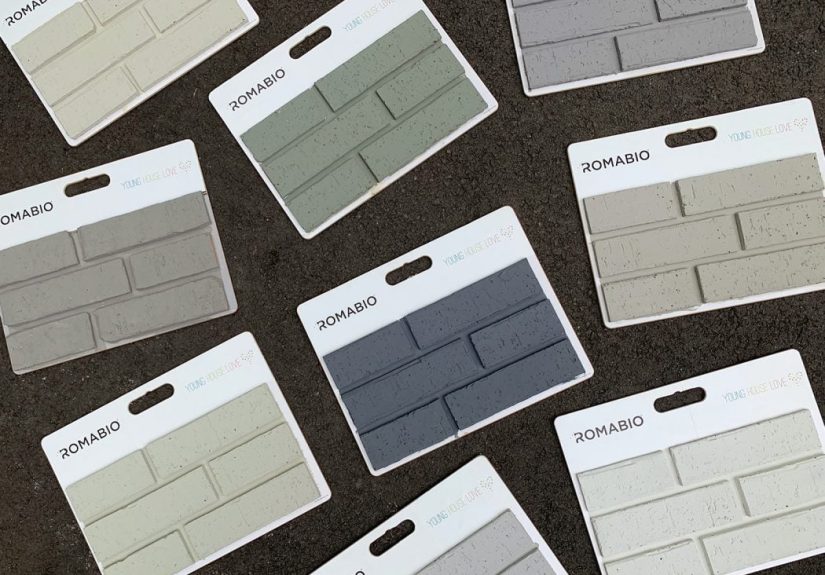
Soft whites, warm off-whites, mushroom grays, greige, earthy taupes, muted greens, and charcoal tones remain popular because they play nicely with natural surroundings. Stark bright white can look crisp and clean, but it can also magnify dirt, glare, and every imperfect surface. Very dark shades can be dramatic, but they also tend to show fading, mineral deposits, and surface wear more clearly over time.
Always sample first. Not “hold the swatch up and squint” first. Actually sample first. Brick texture and sunlight can make a color read very differently outside than it does on a tiny card under fluorescent store lighting.
Should You DIY or Hire a Pro?
If the brick is in excellent condition, the house is one story, the prep is manageable, and you are comfortable with serious surface preparation, a DIY project may be possible. But exterior brick is one of those jobs that rewards experience. There is more at stake than neat edges.
A good pro can assess masonry condition, identify moisture red flags, recommend a compatible coating system, and apply it evenly over a highly textured surface. That matters. Brick is not forgiving. It has grooves, pits, mortar joints, and a knack for revealing every shortcut.
If your house was built before 1978 and already has painted exterior surfaces, use extra caution. Disturbing old paint may involve lead-safe work practices, especially if contractors are scraping, sanding, or removing deteriorated coatings.
Common Mistakes to Avoid
- Painting over damp brick or active leaks
- Skipping masonry repairs before coating
- Using the wrong primer or non-masonry products
- Choosing paint only by color and not by coating performance
- Ignoring the possibility that stain, limewash, or mineral paint may be a better fit
- Testing color on trim but not on the brick itself
- Assuming painted brick will stay perfect with minimal maintenance
The Bottom Line
Painting a brick house is not automatically a mistake, and it is not automatically a great idea either. It is a design decision with building-science consequences. If your masonry is dry, sound, and carefully prepped, and if you use the right products, a painted brick exterior can look beautiful and hold up well. If your brick has unresolved moisture issues or historic value, painting can create more problems than polish.
The smartest question is not, “Will this look good on Instagram?” It is, “Is my brick a good candidate for paint, and am I ready for the maintenance that comes with it?” If the answer is yes, move forward carefully. If the answer is maybe, pause and explore alternatives first. Your future self, your masonry, and your bank account may all send a thank-you note.
Experience-Based Lessons From Painted Brick Projects
One of the most interesting things about painted brick houses is that the homeowner experience usually changes over time. In the beginning, the reaction is often immediate delight. The exterior looks brighter, cleaner, and more intentional. Landscaping pops. Trim looks sharper. The house finally feels like the version people had in their heads for years. That emotional payoff is real, and it explains why so many homeowners still choose painted brick even after hearing the warnings.
But after that first wave of curb-appeal joy, the long-term lessons start rolling in. Homeowners who are happiest with the result usually have a few things in common. First, they did not paint to solve a hidden problem. They fixed water intrusion, repaired mortar, cleaned carefully, and let everything dry. Second, they chose the coating system as thoughtfully as the color. Third, they accepted from day one that this was now a finish that would need attention later.
The homeowners who regret painting brick tend to share a different pattern. Many rushed the decision because everyone on their block was painting exteriors white, black, or soft gray. Others chose a color without sampling it on a large section of wall, only to discover that the undertones looked wildly different outdoors. Some assumed a painter could “just cover” old repairs, damp spots, or flaking previous paint. That almost always catches up with the project. Paint has a way of exposing bad prep with theatrical flair.
There is also a practical lifestyle lesson that comes up a lot. Painted brick looks best when the rest of the exterior gets the memo. A newly painted brick house may suddenly make old shutters, faded trim, rusted light fixtures, or tired landscaping look more dated than they did before. In other words, the paint job can become the first domino. This is not necessarily bad, but it is worth planning for. A fresh exterior often inspires more updates than expected.
Another common experience is color anxiety. Many homeowners start out wanting a bold statement and end up happiest with a softer, more forgiving shade. Colors with subtle warmth usually age more gracefully than ultra-bright whites or trendy dark tones that can feel heavy or show every bit of dirt and mineral residue. The lesson here is simple: timeless usually beats dramatic when the surface area is your whole house.
And finally, there is the lesson almost everyone learns: brick has a voice. It tells you when it is healthy, when it is damp, when it is stressed, and when a shortcut was taken. The best painted brick projects happen when homeowners listen to the house before they try to reinvent it. That may not sound glamorous, but it is the difference between a result that looks great for a season and one that still looks smart years later.