Table of Contents >> Show >> Hide
- What Is a Red Blood Cell Count Test?
- Normal Red Blood Cell Count Range
- Why a Red Blood Cell Count Test Is Performed
- How the Red Blood Cell Count Test Is Done
- Risks and Possible Complications
- Understanding Your Results: Low vs. High RBC Counts
- Do You Need to Prepare for an RBC Test?
- What to Ask Your Healthcare Provider
- Real-Life Experiences with Red Blood Cell Count Testing
- Conclusion: Turning Numbers into Action
If you’ve ever looked at your lab results and wondered what on earth “RBC” means (and why it has so many numbers after it), you’re not alone. A red blood cell count test is one of the most common blood tests your doctor orders, yet it rarely gets a starring role in the conversation. That’s a shame, because this little line on your report can tell your care team a lot about how well your body is carrying oxygen, whether you might be anemic, dehydrated, or dealing with a bone marrow problem, and even how certain chronic conditions are behaving over time.
In this guide, we’ll walk through what a red blood cell (RBC) count test actually measures, why it is performed, how to read the numbers, the risks of the test itself, and what to expect if your results come back too high or too low. Think of it as a friendly owner’s manual for your bloodno medical degree required.
What Is a Red Blood Cell Count Test?
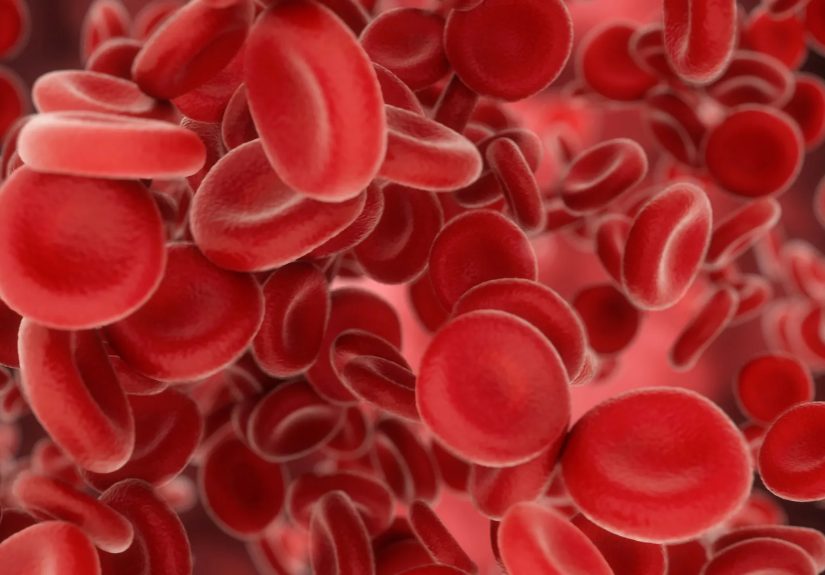
A red blood cell count test measures how many red blood cells you have in a specific volume of blood. These cells, also called erythrocytes, are made in your bone marrow and are packed with hemoglobin, the protein that carries oxygen from your lungs to the rest of your body and helps carry carbon dioxide back to your lungs to be exhaled.
Because oxygen is basically fuel for every organ system, your RBC count is a big-picture indicator of how effectively your body can deliver oxygen where it’s needed. Too few red blood cells (or cells that don’t work properly) can lead to anemia and cause symptoms like fatigue, weakness, shortness of breath, or dizziness. Too many can make your blood thicker or “sludgier,” increasing the risk of clots and other complications.
Usually Part of a Complete Blood Count (CBC)
In most situations, an RBC count is not ordered on its own. Instead, it’s part of a complete blood count (CBC), a broad panel that measures red blood cells, white blood cells, hemoglobin, hematocrit, and platelets. A CBC is a standard test for general checkups, pre-surgery evaluations, or when you’re sick and your provider wants to know what’s happening at the cellular level.
Normal Red Blood Cell Count Range
“Normal” RBC counts can vary slightly from lab to lab, and ranges depend on age and sex. Many U.S. reference ranges for adults look roughly like this:
- Adults assigned male at birth: about 4.7 to 6.1 million cells per microliter (µL)
- Adults assigned female at birth: about 4.2 to 5.4 million cells per µL
- Children: generally around 4.0 to 5.5 million cells per µL
Your lab report should list a reference range right next to your result. If your number falls a bit outside of that range, it doesn’t automatically mean something is seriously wrong. It tells your provider, “Let’s look closer and see what might be going on.”
Also, an RBC count is just one piece of the puzzle. Your provider will usually interpret it alongside hemoglobin, hematocrit, red cell indices (like MCV and MCH), and your symptoms to figure out the full story.
Why a Red Blood Cell Count Test Is Performed
There are many reasons your healthcare provider might order a red blood cell count test. Sometimes it’s routine; other times it’s a targeted detective tool.
1. Routine Checkups and Screening
During annual physicals or preventive care visits, a CBC (and therefore an RBC count) often serves as a general health snapshot. Abnormal red blood cell levels may be the earliest sign of an underlying issuesuch as a nutritional deficiency or a chronic diseasebefore you feel noticeably ill.
2. Evaluating Symptoms
Your doctor may order an RBC count if you report symptoms like:
- Persistent fatigue or weakness
- Shortness of breath, especially with activity
- Feeling lightheaded or faint
- Headaches, chest discomfort, or palpitations
- Unusual paleness or yellowish skin (pallor or jaundice)
These symptoms can be related to anemia or other conditions affecting oxygen delivery and blood production.
3. Diagnosing and Monitoring Anemia
Anemia is a broad term for having too few healthy red blood cells or too little hemoglobin. A low RBC count helps identify anemia and can hint at the type:
- Iron-deficiency anemia from low iron intake, blood loss, or poor absorption
- Vitamin B12 or folate deficiency anemia
- Anemia of chronic disease, related to conditions like chronic kidney disease, inflammatory disorders, or cancer
- Hemolytic anemias, in which red blood cells are destroyed faster than they’re made
- Bone marrow disorders, such as aplastic anemia or cancers that affect blood cell production
Once anemia is diagnosed, RBC counts and related measurements are used over time to see whether treatment is workingwhether that’s iron supplements, vitamins, medications, or treating an underlying disease.
4. Checking for High Red Blood Cell Counts
On the flip side, some people have too many red blood cellsa condition called erythrocytosis or, in some cases, polycythemia. This can be:
- Primary, such as polycythemia vera, a bone marrow disease in which the body makes too many blood cells
- Secondary, caused by low oxygen levels (for example, from chronic lung disease, sleep apnea, or living at high altitude), certain tumors, smoking, or hormone medications like testosterone
- Relative, when plasma volume is low (as with dehydration), making the red blood cell concentration appear higher
Elevated RBC counts can make the blood thicker and harder to pump, increasing the risk of blood clots, strokes, or heart attacks if not appropriately managed. That’s why a high RBC result typically triggers further testing.
5. Monitoring Chronic Conditions and Treatments
Providers also use RBC counts to monitor people with conditions that affect blood production, such as chronic kidney disease, inflammatory disorders, or certain cancers, and to track the impact of treatments like chemotherapy, biologic drugs, or hormone therapies.
How the Red Blood Cell Count Test Is Done
Good news: the RBC test process is straightforward and usually over in a few minutes.
- A healthcare professional (often a phlebotomist) places a tourniquet around your upper arm.
- They clean the skin, typically in the crook of your elbow, with an antiseptic wipe.
- A sterile needle is inserted into a vein, and blood is drawn into one or more tubes.
- The needle is removed, gauze is applied, and you’re asked to press on the site for a short time.
- The sample goes to a lab, where automated machines count your RBCs and measure other components of the CBC.
The entire blood draw usually takes just a minute or two. Many people feel only a quick pinch or stinging sensation.
Risks and Possible Complications
For most people, an RBC count test is very low risk. But because it involves venipuncture (placing a needle into a vein), a few mild complications can occur:
- Pain or discomfort at the puncture site
- Bruising or hematoma (a small lump under the skin) where blood leaks into surrounding tissue
- Lightheadedness or fainting, especially in people who are anxious about needles or blood
- Mild bleeding after the needle is removed
- Very rarely, infection or nerve irritation at the site
Large studies and reviews describe venipuncture as a generally safe procedure, with most complications being minor and short-lived. Serious problems like significant infection, severe nerve damage, or major bleeding are rare.
How to Reduce Your Risk
You can’t control everything, but a few simple steps help:
- Let the staff know if you’ve fainted during blood draws before.
- Drink water beforehand (unless you were told to fast) to keep your veins plump.
- Apply pressure to the site afterward for the recommended time.
- Avoid heavy lifting with that arm for a few hours if you’re prone to bruising.
If you notice unusual swelling, increasing pain, warmth, or pus around the site later, contact your healthcare provider.
Understanding Your Results: Low vs. High RBC Counts
Your lab report will clearly show whether your RBC count is considered low, normal, or high based on that lab’s reference range. Here’s how providers typically think about the extremes.
Low Red Blood Cell Count (Possible Anemia)
A low RBC count often points toward anemia, which can be caused by:
- Iron deficiency (from blood loss, poor intake, or poor absorption)
- Low vitamin B12 or folate
- Chronic kidney disease or other chronic illnesses
- Autoimmune diseases or infections that affect blood cell production
- Bone marrow disorders or certain cancers
- Hemolysis (red blood cells breaking down too quickly)
Depending on the suspected cause, your provider may order additional tests (iron studies, vitamin levels, kidney function tests, or bone marrow evaluation) and tailor treatment accordingly.
High Red Blood Cell Count (Erythrocytosis or Polycythemia)
A high RBC count may be due to:
- Living at high altitude or chronic lung disease (your body makes more RBCs to cope with low oxygen)
- Obstructive sleep apnea
- Smoking or exposure to carbon monoxide
- Certain tumors that produce erythropoietin (a hormone that stimulates RBC production)
- Use of androgens like testosterone
- Dehydration (which concentrates the blood)
- Polycythemia vera or other bone marrow diseases
If your RBC count is significantly elevated, your provider might order more testssuch as EPO levels, oxygen saturation, or genetic testingto determine whether you have secondary erythrocytosis or a primary bone marrow condition like polycythemia vera. Treatment ranges from addressing the underlying cause (like treating sleep apnea, stopping smoking, or adjusting medications) to procedures like therapeutic phlebotomy in some patients.
Do You Need to Prepare for an RBC Test?
Often, you don’t need any special preparation for a red blood cell count test. If the RBC count is part of a larger panellike a fasting cholesterol or certain metabolic testsyou might be asked not to eat or drink anything but water for several hours beforehand. Your provider or the lab will give you specific instructions.
Always tell your healthcare team about:
- Medications and supplements you take (including iron, B12, folate, or hormones)
- Recent blood loss (heavy periods, surgery, or major injury)
- Chronic conditions like kidney disease, heart failure, or autoimmune disorders
These details help your provider interpret your RBC results accurately and avoid unnecessary worry or testing.
What to Ask Your Healthcare Provider
If you get your results online before you talk to your doctor, it’s normal to feel a bit anxiousespecially if a number is flagged in red. Bring these questions to your next visit:
- Is my red blood cell count actually concerning, or just slightly outside the range?
- How do my RBC results fit with the rest of my CBC and other labs?
- What do you think is the most likely cause of my low or high RBC count?
- Do I need additional tests right now?
- Are there lifestyle changes (diet, hydration, quitting smoking, treating sleep apnea) that might help?
- How often should we repeat this test?
Asking clear questions can turn a confusing lab report into a useful roadmap for your health.
Real-Life Experiences with Red Blood Cell Count Testing
While every person’s story is unique, hearing what RBC testing looks like in everyday life can make the numbers feel more human and less like a math exam.
“I Thought I Was Just Tired From Work”
Imagine a 32-year-old office worker who blames constant fatigue on long hours and too much screen time. They’re falling asleep on the couch at 8 p.m., getting winded climbing a single flight of stairs, and chugging coffee like it’s a personality trait. At a routine checkup, their doctor orders a CBC. The RBC count and hemoglobin are both low, and follow-up tests show iron-deficiency anemia.
Treatment includes iron supplements, a closer look at possible sources of blood loss, and a few diet tweaksmore iron-rich foods like lean red meat, beans, and leafy greens, plus vitamin C to help absorb the iron. A few months later, the repeat RBC count has climbed back into the normal range. The difference they feel in daily lifemore energy, less breathlessnessis often dramatic.
“High Altitude, High RBCs”
In another scenario, a middle-aged person moves from a sea-level city to a mountain town. After a few months of headaches and mild dizziness, a routine lab panel shows a high RBC count. At first, that sounds scary: “Too many blood cells? Is that bad?” Their provider explains that living at high altitude means the air carries less oxygen, so the body compensates by making more red blood cells to keep oxygen delivery steady.
In this case, the elevated RBC count isn’t necessarily dangerous. The provider checks for other risk factorslike smoking, lung disease, or sleep apneato make sure nothing else is driving the numbers. As long as the patient’s symptoms are mild and no other problems show up, the RBC count is monitored, not aggressively treated. It becomes a reminder that lab values always need context.
“Monitoring a Chronic Condition”
For people with chronic illnessessuch as kidney disease, inflammatory bowel disease, or certain cancersRBC counts can become part of their personal health dashboard. They may get regular CBCs every few months or even more often. One visit, the red blood cell count might be reassuringly stable; another time, it may dip, signaling that treatment side effects, internal bleeding, or disease activity are affecting blood production.
Many patients describe learning to “speak lab” over time. They begin to recognize that a low RBC count often aligns with days when they feel washed out or short of breath. They also learn that results aren’t destiny: medications can be adjusted, iron or vitamin support can be added, and transfusions or other interventions are available when needed. The RBC count becomes less of a scary mystery and more of a practical tool they and their care team use together.
Takeaways from These Experiences
Across these stories, a few big themes show up:
- An abnormal RBC count doesn’t automatically mean a worst-case scenariobut it does deserve a thoughtful workup.
- Symptoms like fatigue or breathlessness can have many causes; the RBC test helps narrow them down.
- For people with chronic conditions, tracking RBC counts over time is often more important than one single reading.
- Understanding your results makes it easier to ask better questions and participate in decisions about your care.
Most importantly, the RBC test is just thata test, not a diagnosis. It opens the door to understanding what’s going on in your body, but the next steps should always be guided by a qualified healthcare professional who knows your full medical history.
Conclusion: Turning Numbers into Action
A red blood cell count test may look like a tiny entry on a long lab report, but it carries a lot of information. It helps your care team spot anemia, detect high red blood cell levels that could raise clot risk, monitor chronic diseases, and evaluate how well treatments are working.
If your RBC count is outside the normal range, don’t panicbut don’t ignore it, either. Use it as a starting point for a conversation with your healthcare provider about what might be causing the change and what you can do next. With the right context, this simple blood test can be a powerful guide to better energy, better breathing, and better overall health.
And remember: no article (no matter how friendly) can replace personalized medical advice. Always discuss your specific lab results and symptoms with your healthcare provider before making decisions about your care.