Table of Contents >> Show >> Hide
- What “The Furniture Doctor” Is (and Why It Still Matters)
- The Furniture Doctor Mindset: Diagnose Before You Treat
- Daily Care That Actually Prevents Repairs
- Common Symptoms and Smart Treatments
- Symptom: A wobbly chair (aka the “future floor scratcher”)
- Symptom: White water rings on a tabletop
- Symptom: Heat marks and cloudy spots
- Symptom: Scratches (from “character” to “crime scene”)
- Symptom: Veneer lifting, bubbling, or missing chips
- Symptom: Drawers that stick (the daily “why me” moment)
- Symptom: Dull finish and wax build-up
- Refinishing: The Last Resort That Sometimes Makes Sense
- A Quick Clinic Checklist: Tools, Habits, and “Don’t Do This”
- FAQ: The Questions People Ask Right After They Make It Worse
- My 500-Word Experience: Living With “The Furniture Doctor” on the Workbench
Every home has at least one “patient”: the dining chair that wobbles like it’s practicing for a trampoline routine, the coffee table
with a ghostly white ring that looks suspiciously like last week’s iced latte, or the inherited dresser with drawers that stick
exactly when you’re running late. You can ignore these symptoms (many people do), but furniture has a long memoryand it will keep
reminding you.
That’s why The Furniture Doctor has earned its reputation as required reading for anyone who owns wood furniture and would
like it to remain upright, attractive, and not quietly falling apart. It’s the kind of guide that doesn’t just say “refinish it”
and send you into a cloud of dust; it teaches you how to think like a restorer: diagnose first, treat gently, and only get dramatic
when the situation truly calls for it.
What “The Furniture Doctor” Is (and Why It Still Matters)
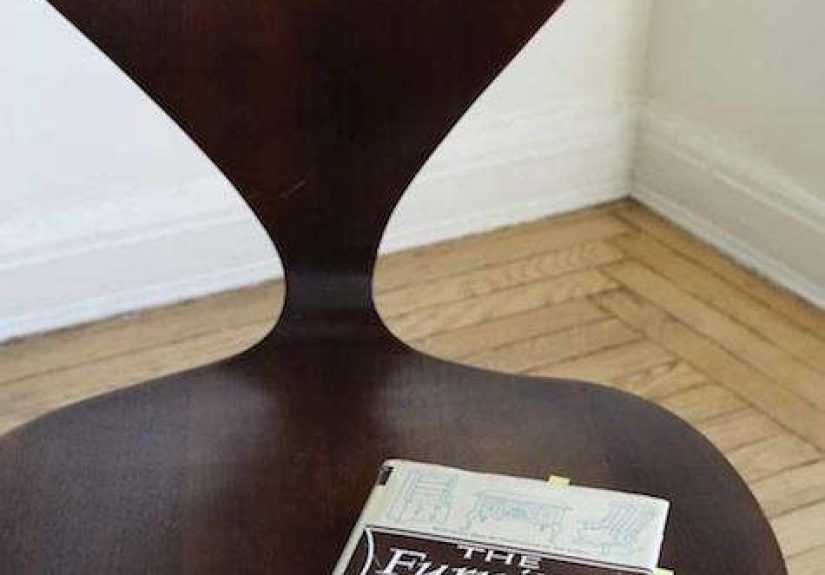
The Furniture Doctor by George Grotz is a classic, practical guide to the care, repair, and refinishing of furniture.
While tools and products evolve, the fundamentals haven’t changed: wood moves, joints loosen, finishes age, and sunlight is
basically a slow-motion prank. The book’s staying power comes from its approachless “watch me do magic” and more
“here’s what’s happening and how to fix it without making it worse.”
In a world of 30-second “hacks,” this is refreshingly adult advice (even when you’re surrounded by adults making questionable choices,
like spraying glass cleaner on a century-old sideboard). The book treats furniture like an object with structure and history.
It respects the difference between a weekend thrift-store makeover and a family heirloom with original patina.
The Furniture Doctor Mindset: Diagnose Before You Treat
If you take only one lesson from The Furniture Doctor, make it this: most furniture damage gets worse because people
skip the diagnosis and jump straight to “solution energy.” (This is how you end up sanding through veneer and learning a new
vocabulary word: “regret.”)
Step 1: Identify the “problem category”
- Structural: wobble, loose joints, racked frames, broken rails, sagging seats.
- Surface: scratches, water rings, heat marks, dullness, sticky residue, cloudy finish.
- Material: veneer lifting, missing chips, cracked wood from dryness, mold or musty odor.
- Environmental: fading, warping, splitting, recurring issues tied to humidity and sunlight.
Step 2: Decide your “treatment level”
- Conservation: stabilize, clean gently, preserve original finish and character (common for antiques).
- Repair: fix what’s failing (joints, veneer, rails), match appearance as needed.
- Refinish: strip/sand and rebuild the finish system (best when the finish is truly beyond saving).
This mindset saves time and furniture. It also saves your pridebecause nothing humbles a person faster than realizing
they “fixed” a tiny blemish by creating a much larger blemish with sharper edges.
Daily Care That Actually Prevents Repairs
Most furniture “mysteries” are just dirt, dust, and bad habits piling up. The basic routine is wonderfully boringand that’s a compliment.
Boring maintenance is how you avoid exciting repair bills.
Dusting: less drama, more control
- Use a soft, lint-free cloth and keep it only lightly damp (not wet).
- Work with the grain; avoid aggressive scrubbing that can create micro-scratches in a finish.
- Skip “miracle sprays” unless you know what’s in themsome leave residues that attract more grime.
Cleaning: do it only when needed
When a finish looks dull because it’s soiled (not because it’s “old”), clean gently and sparingly. Start mild:
a few drops of dish soap in water applied with a well-wrung cloth, then wipe dry. Over-wetting wood is a classic unforced error.
Sunlight and humidity: the invisible wrecking crew
The most persuasive argument for curtains isn’t privacyit’s pigment. Direct sun can fade finishes and wood tones, and fluctuating humidity can
make wood expand and contract, which stresses joints and can encourage cracking or veneer issues over time. A stable indoor environment
is like good sleep: it doesn’t feel exciting, but it fixes more than you think.
Common Symptoms and Smart Treatments
Here’s where The Furniture Doctor shines: it helps you match the fix to the problem instead of throwing random household items at your table
like you’re auditioning for a cleaning-product game show.
Symptom: A wobbly chair (aka the “future floor scratcher”)
Wobble is almost always loose joinery, not “one leg got shorter.” The best long-term fix is to disassemble as needed, remove or soften old glue,
re-glue, and clamp the whole assembly so the joints seat tightly again. A successful chair repair is less about brute force and more about alignment:
clamping the chair square and letting the adhesive cure without rushing.
Practical tip: do a dry run firstplan where clamps will go and how you’ll keep the chair from twisting. Many “failed repairs” are really
“I was holding three parts, the glue was drying, and time turned into a personal enemy.”
Symptom: White water rings on a tabletop
White rings typically mean moisture trapped in the finish, not deep damage to the wood. Gentle abrasion (the key word is gentle) is often enough.
Common approaches include a mild paste (like baking soda with water) applied carefully, then buffed and finished with an appropriate polish.
The goal is to lift or blend the mark without cutting through the finish.
If you’re tempted to go full sandpaper on a small ring, pause. A ring is a surface problem; turning it into a “whole tabletop refinishing project”
is a lifestyle choiceone you should make on purpose, not by accident.
Symptom: Heat marks and cloudy spots
Heat can create cloudy blush in some finishes. Mild oil-based treatments are sometimes used to help the finish re-level or appear clearer.
Whatever method you try, test in a hidden spot first, and avoid harsh solvents on unknown finishesespecially if the piece could be antique.
Symptom: Scratches (from “character” to “crime scene”)
Scratches live on a spectrum. For light surface scratches, blending methodslike tinted wax or finish repair productscan visually reduce contrast.
For deeper gouges, you may need filling, color matching, and topcoat touch-up. The guiding principle is camouflage:
match color first, then match sheen. A repair that’s the right color but the wrong gloss will still announce itself from across the room.
Symptom: Veneer lifting, bubbling, or missing chips
Veneer looks fancy because it isand because it’s thin enough to be dramatic. Repairs work best when you create clean, straight edges for patches,
fit the replacement carefully, and clamp it flat while the adhesive sets. For bubbles or localized lifting, carefully introducing adhesive beneath the veneer
and clamping can restore contact without replacing the entire section.
The “doctor” lesson here: don’t chase perfection with a knife while you’re annoyed. Veneer rewards patience and punishes speed.
Symptom: Drawers that stick (the daily “why me” moment)
Sticking drawers are often seasonal: wood swells in higher humidity and shrinks when it’s dry. Before you plane or sand anything,
check whether the problem comes and goes. Sometimes the best fix is environmental (stable humidity) plus a small, reversible adjustment
like cleaning tracks and applying an appropriate, furniture-safe lubricant methodrather than reshaping the drawer and regretting it later.
Symptom: Dull finish and wax build-up
Dullness can be honest agingor it can be layers of wax and grime. Cleaning should be occasional, not scheduled like a weekly ritual.
Over-cleaning can wear finishes down, while over-waxing can create sticky buildup that attracts dust like it’s collecting followers.
Refinishing: The Last Resort That Sometimes Makes Sense
Refinishing can be a beautiful reset when a finish is failing beyond repairpeeling, deeply alligatored, or mismatched from past “creative experiments.”
But it’s also the point of no return for many antiques. If the piece has age, value, or family history, consider whether preservation and targeted repair
would keep more of its story intact.
A sensible decision framework
- Refinish if: the existing finish is unstable, heavily damaged, or already stripped/painted poorly; the piece is primarily functional; you want a new look.
- Repair/conserve if: the finish is original or historically significant; the piece is collectible; the damage is localized (rings, scratches, dullness).
If you do refinish, think in systems: removal (strip or sand), surface prep, coloring (if needed), and a protective topcoat.
And always treat safety as part of the processventilation, gloves, and following product instructions are not optional “nice-to-haves.”
A Quick Clinic Checklist: Tools, Habits, and “Don’t Do This”
Keep these basics on hand
- Soft microfiber cloths (clean and dedicated to furniture)
- Mild dish soap and a small bucket for diluted cleaning
- Quality wood glue for repairs, plus clamps (or creative clamping methods when needed)
- Wood filler or wax repair sticks for minor surface defects
- Painter’s tape for masking and protecting adjacent areas during touch-ups
Habits that prevent “future you” from suffering
- Use coasters and trivets (your table should not have to “learn lessons” the hard way).
- Keep furniture out of direct sun when possible; rotate décor items to reduce uneven fading.
- Lift, don’t dragespecially chairs. Floors have feelings too.
- Test any cleaner or polish in a hidden area first.
Common mistakes that cause real damage
- Soaking wood with water (swelling, staining, and warping are not fun surprises).
- Using harsh cleaners on wood finishes (ammonia-based products can strip or dull finishes).
- Over-sanding, especially on veneer (thin means “one mistake away from heartbreak”).
- Gluing without a dry run (you’ll learn new ways to panic; the furniture won’t improve).
FAQ: The Questions People Ask Right After They Make It Worse
How do I know if a piece is veneer?
Look at edges and end grain. Veneer often shows a thin layer with a different substrate beneath. Also check patterns:
some “too perfect” grain repetition can be a clue. When in doubt, assume it is veneer and treat it gently.
Is paste wax always a good idea?
Wax can protect some clear finishes and add sheen, but it also changes appearance and can build up over time.
It’s best used intentionallynot automatically. If you’re caring for valuable or historic pieces, be conservative.
When should I call a pro?
If the piece is valuable, historically significant, structurally compromised, or has complex veneer/inlay damage,
a professional furniture conservator or restoration specialist can prevent costly mistakes. Also: if you’re about to
do something you describe as “just a quick aggressive sand,” that’s your sign.
My 500-Word Experience: Living With “The Furniture Doctor” on the Workbench
The first time I treated The Furniture Doctor like required reading, it wasn’t because I suddenly became a responsible adult with a tidy workshop.
It was because I had a thrift-store side table that looked innocent from a distance and absolutely chaotic up closesticky finish, dull patches,
one ring stain that resembled a lunar eclipse, and a drawer that refused to open without a motivational speech.
My original plan (which I now recognize as “optimism in a costume”) was to sand the whole thing, stain it darker, and call it “modern rustic.”
Then I opened the book. The tone felt like a calm expert gently taking my hand away from the power tools. The message was clear:
you don’t start with surgery when the patient might only need a careful cleaning and a few smart repairs.
So I slowed down. I wiped the piece with a lightly damp cloth first, then tried a mild cleaning approach to see what was grime versus true finish damage.
That alone was humblinghalf the “ugly finish” was just decades of residue auditioning as a varnish. Next came the drawer.
Instead of sanding edges immediately, I checked whether it was a seasonal swell issue and cleaned the runners.
The drawer still stuck, but now it stuck honestly, not because it was dragging through a museum exhibit of dirt.
The best lesson came from the ring stain. I wanted to attack it like it had personally offended my family.
The book’s “diagnose first” mindset helped me treat it as a finish problem, not a wood problem. I tried a gentle method in a hidden spot,
then worked slowly on the mark. The ring didn’t vanish in a cinematic puff of victory, but it faded into the kind of imperfection
that reads as “this table has lived” rather than “this table has suffered.”
Then I met my true nemesis: a slightly loose joint under the table apron. Here’s where the book earned its keep.
It made me plan a dry runwhere clamps would go, how I’d align the frame, what I’d do if things shifted.
That planning stage felt boring, which was exactly the point. The actual glue-up went smoothly because I wasn’t improvising
while adhesive cured faster than my confidence.
By the end, the table looked betterbut more importantly, I felt less reckless. The Furniture Doctor didn’t turn me into a master restorer overnight.
It did something more useful: it gave me a decision-making filter. Now, when I see a furniture problem, I don’t immediately think,
“What product fixes this?” I think, “What’s the cause, what’s the gentlest effective treatment, and how do I avoid turning a small issue into a weekend-long saga?”
It’s not just a furniture book. It’s a mindset upgradewith fewer splinters.