Table of Contents >> Show >> Hide
- What a Retro Metal Clip-On Light Really Is
- Why Retro Clip-On Lamps Are Having a Moment
- Where a Retro Metal Clip-On Light Works Best
- How to Choose One That Looks Vintage but Works Like 2025
- Clamp strength and stability (the “please don’t faceplant” test)
- Arm style: gooseneck vs. jointed
- Shade shape: dome, cone, cage, or minimalist cylinder
- Bulb type and base: replaceable bulb vs. integrated LED
- Brightness: think lumens, not watts
- Color temperature: the vibe dial
- Color quality: CRI matters more than you think
- Dimming and control style
- Heat and safety: retro style should not mean retro hazards
- A Quick “Retro Glow” Bulb Pairing Cheat Sheet
- Placement Tips That Make the Light Feel Better (Not Just Brighter)
- Keeping Your Metal Clip-On Lamp Looking Retro (Instead of Rusty)
- Common Mistakes People Make With Clip-On Lights
- Wrap-Up: The Small Lamp That Does Big Things
- Real-World Experiences With a Retro Metal Clip-On Light (What People Notice After the “Ooh, Cute Lamp” Phase)
- SEO Tags
There are two kinds of lighting purchases: the ones you research for three days like you’re selecting a new kidney,
and the ones you grab because they look cool and you’re tired of living like a cave bat. A retro metal clip-on light
sits right in the sweet spot between those two moodsequal parts practical tool and tiny piece of design nostalgia.
It’s the lamp that says, “Yes, I care about ambiance,” while also whispering, “But I mostly need to see the page.”
In this guide, we’ll break down what makes a metal clamp lamp feel “retro,” where it works best, how to pick one that won’t
wobble like a baby giraffe, and how to get the kind of warm, flattering glow that makes your desk look like a movie set
instead of a tax-prep station.
What a Retro Metal Clip-On Light Really Is
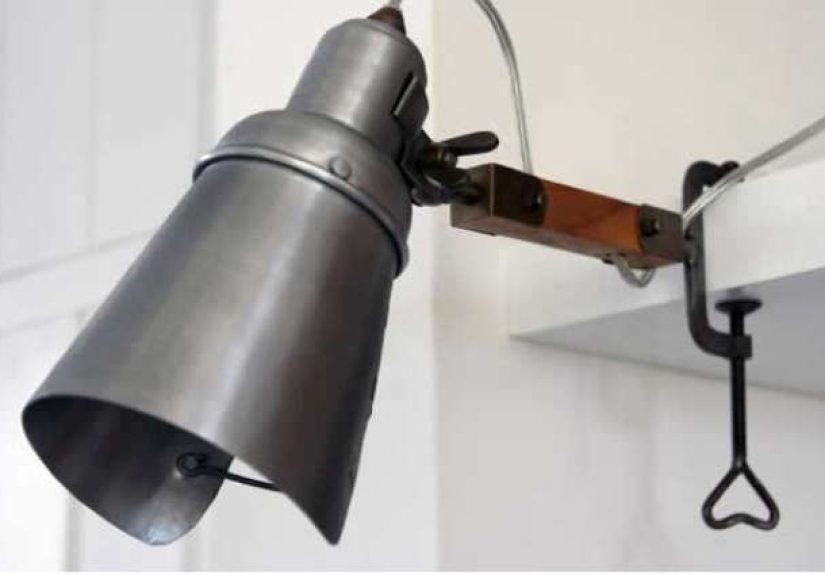
A clip-on light is a portable task lamp that attaches to somethingdesk edge, headboard, shelf, bunk bed rail,
drafting tableusing a clamp or “clip” mechanism. The “retro metal” part is mostly about materials and silhouette:
steel or aluminum construction, a classic dome shade or cone shade, visible hardware, and finishes like matte black,
brushed brass, chrome, or enamel colors that feel straight out of a mid-century office or an old-school workshop.
The magic is simple: you get focused light exactly where you want it, without giving up precious surface area.
If your desk is already crowded with a keyboard, notebooks, coffee, and the emotional weight of your unread emails,
clipping your light to the edge can feel like finding an extra drawer in your apartment.
Why Retro Clip-On Lamps Are Having a Moment
Retro lighting has a way of making modern spaces feel less sterile. A metal clamp lamp brings “I write novels in a Brooklyn loft”
energyeven if you’re really just highlighting PDFs and googling “how long can pasta sit out.” And unlike purely decorative
vintage pieces, a clip-on light is a workhorse: flexible, removable, and easy to reposition when your room layout changes
(or when you decide your “new desk setup” era is starting on Monday).
Plus, lighting has gotten smarter without demanding that your lamp look like a spaceship. You can keep the vintage vibe
while using efficient LEDs, better color quality, and dimming options that weren’t common in older fixtures.
Where a Retro Metal Clip-On Light Works Best
1) Bedside reading (without sacrificing your nightstand)
Clip it to a headboard or a shelf near your bed and you’ve got a clean reading setup that doesn’t hog space. The best part?
You can aim it so it lights your book, not your partner’s face. That’s romance in the language of lumens.
2) Tiny desks, WFH corners, and “I live with roommates” realities
A clamp lamp is ideal when your “office” is half a dining table or a slim wall-mounted desk. You can push your keyboard back,
angle light down across the surface, and reduce the screen glare you get from overhead fixtures.
3) Craft tables, sewing stations, and hobby chaos
Whether you’re threading a needle, painting miniatures, or trying to figure out where that one tiny screw went,
directional task lighting is the difference between “relaxing hobby time” and “why are my shoulders up by my ears?”
4) Shelves, bookcases, and display nooks
Want to highlight a coffee bar, a plant shelf, or your “I totally read these” bookshelf? Clip-on lights can act like mini spotlights.
Just aim carefully and keep heat in mind if you’re using older-style bulbs.
5) Bunk beds and kids’ rooms
A clip-on reading light is a classic for bunk bedsespecially when you want gentle light without turning the whole room into
daylight. Look for stable clamps and a shade that blocks glare when viewed from below.
How to Choose One That Looks Vintage but Works Like 2025
Clamp strength and stability (the “please don’t faceplant” test)
The clamp is the whole point. A good clip should grip securely without chewing up furniture. Look for padded jaws or a wide
contact surface, especially if you’ll clamp to painted wood or thin shelves. If the lamp’s arm is long, clamp quality matters even more:
leverage is not your friend.
Arm style: gooseneck vs. jointed
A gooseneck clip lamp gives you smooth, fast positioninggreat for reading, crafting, and quick adjustments.
A jointed arm (think “architect lamp” energy) can feel more classic and may hold angles better for heavier shades,
but it depends on build quality.
Shade shape: dome, cone, cage, or minimalist cylinder
Shade design affects glare and vibe. A classic metal dome shade feels authentically retro and helps direct light downward,
which is perfect for task lighting. A more open shade can brighten a larger area but may cause more direct glare if the bulb
is visible at eye level.
Bulb type and base: replaceable bulb vs. integrated LED
Many retro-style metal clip-on lamps use a standard screw-in bulb (often E26 in the U.S.). That’s great for customization:
you can pick your brightness, color temperature, and even a vintage-style filament LED for the look.
Integrated LED models can be slimmer and cooler-running, and often include built-in dimming. The tradeoff is longevity vs. serviceability:
when the LED eventually fails, replacement may be more complicated than swapping a bulb.
Brightness: think lumens, not watts
Lumens tell you how much light you’re getting; watts tell you how much energy you’re using. For a clip-on task lamp, many people
are happy in the general neighborhood of “enough light to see details comfortably” without feeling like they’re under interrogation.
If you’re doing fine detail work (crafting, repairs), higher brightness plus good glare control can be a big help.
Color temperature: the vibe dial
Color temperature (measured in Kelvin) is basically the mood setting:
warm light feels cozy; neutral feels focused; daylight feels crisp. Retro lamps often look best with warm-to-neutral light,
but the “right” choice depends on what you’re doing and where the lamp lives.
- 2700K–3000K: warm, cozy, flattering (classic “retro glow”).
- 3500K–4000K: neutral, cleaner for work and reading without feeling icy.
- 5000K+: bright daylight feel (useful for some tasks, but not everyone loves it at night).
Color quality: CRI matters more than you think
If you want your room colors to look “right” (and your skin tone to look like skin tone, not a sickly sci-fi filter),
pay attention to CRI (Color Rendering Index). For many everyday uses, a CRI of 80+ is common; higher CRI can be especially
helpful for art, makeup, photography, and any situation where color accuracy matters.
Dimming and control style
Dimming turns a clamp lamp from “tool” into “mood.” Some lamps have an inline cord dimmer; others have touch controls
or step brightness levels. If you want maximum flexibility, choose a lamp that supports dimmable bulbs (and pair it with a dimmable LED).
If you want simplicity, a basic on/off switch is timelesslike denim, but less divisive.
Heat and safety: retro style should not mean retro hazards
Metal shades can get hot with certain bulbs. Always follow the lamp’s maximum wattage and bulb-type guidance, and be cautious
with high-heat options. Clamp lights have historically been associated with halogen and other hot sources in work settings,
and safety recalls have happened for clamp-style lamps when components fail or overheat. In plain English: don’t gamble with sketchy
no-name electrics, and don’t ignore labeling.
Look for reputable safety certifications (commonly UL or ETL in the U.S.) and avoid products with suspicious or counterfeit markings.
Also watch the cord path: when the clamp is open/closed and the arm moves, the cord shouldn’t pinch, twist sharply, or rub
on metal edges.
A Quick “Retro Glow” Bulb Pairing Cheat Sheet
If your goal is a true retro vibe, you’re chasing warmth and comfortwithout sacrificing usability. Here are simple pairings
that keep the aesthetic but still deliver real task lighting:
-
Bedside reading: 2700K–3000K LED bulb, medium brightness, dimmable if possible. Aim the shade down and slightly forward
so you’re not staring at a bare bulb. -
Desk work + screen time: 3000K–4000K LED bulb with good color quality. Position it to reduce screen glare and avoid bright
reflections. -
Crafting / detailed work: neutral light (often around 3500K–4000K) with higher brightness and solid glare control.
Higher CRI can make materials and colors easier to judge. - Decorative shelf spotlight: warmer bulb, lower brightness, and a shade that hides the bulb from direct view.
One more pro move: if you love the look of exposed “Edison-style” filament bulbs, pick an LED version. You get the vintage aesthetic
without turning your lamp into a tiny space heater.
Placement Tips That Make the Light Feel Better (Not Just Brighter)
Angle it like a photographer, not a stadium
The goal is even, usable light on your work surfacewithout glare in your eyes. For reading, aim the beam so it hits the page at an angle.
For screens, avoid placing the lamp where it reflects off your monitor like a spotlight on a sweaty actor.
Layer your lighting
A clip-on lamp is fantastic task lighting, but it’s not always meant to be the only light in the room. Pairing it with soft ambient light
can reduce harsh contrast and make everything feel more comfortableespecially at night.
Watch for glare and eye fatigue
If you work or read for long stretches, glare control matters. Adjust placement, reduce reflections, and consider taking short visual breaks.
Lighting ergonomics isn’t glamorous, but neither is getting a headache at 3 p.m. because your lamp is aimed like a laser pointer.
Keeping Your Metal Clip-On Lamp Looking Retro (Instead of Rusty)
Clean the shade the easy way
Unplug the lamp, let it cool, then wipe the metal shade with a soft cloth. If it’s painted or powder-coated, skip harsh abrasives.
For fingerprints on glossy enamel, a lightly damp cloth usually does the job.
Check the clamp pads
Those little pads protect your furniture and add grip. If they wear down or fall off, your lamp might start sliding or leaving marks.
Replacing pads is cheap and can make an older lamp feel brand new.
Inspect the cord periodically
Clip-on lamps move around a lot, so cords can get tugged or pinched. If you see fraying, cracking, or intermittent power,
stop using it until it’s repaired or replaced. This is one of those “boring but important” grown-up moments.
Common Mistakes People Make With Clip-On Lights
- Clipping to flimsy surfaces: thin shelves flex, the clamp slips, and gravity wins.
- Using the wrong bulb: too hot, too bright, or not dimmable when you want dimming.
- Aiming it straight into your eyes: instant glare, instant regret.
- Ignoring safety markings: if labeling looks sketchy, trust your instincts.
- Letting the cord dangle in chaos: snagging, tugging, and eventually… “why doesn’t this work anymore?”
Wrap-Up: The Small Lamp That Does Big Things
A retro metal clip-on light is one of those deceptively simple upgrades that can change how a space feels.
It clears desk clutter, adds focused task lighting, and brings a little vintage characterwithout committing to a full remodel
or drilling holes you’ll regret when you move out.
If you choose a stable clamp, a comfortable color temperature, and a bulb with good color quality, you’ll get something that’s both stylish
and genuinely useful. That’s the sweet spot: form, function, and just enough retro charm to make your everyday routines feel a little cooler.
Real-World Experiences With a Retro Metal Clip-On Light (What People Notice After the “Ooh, Cute Lamp” Phase)
Let’s talk about the part nobody writes on the product box: the daily-life experience. Not the staged photo where the lamp is clipped to a pristine
desk next to a single notebook and a cup of artisanal coffee. The real versionwhere you’re juggling cables, snacks, deadlines, and maybe a cat
who believes clamps were invented specifically for feline entertainment.
The “Midnight Paperback” moment
A retro clip-on light becomes a bedside MVP fast. People usually start by clipping it to the headboard and aiming it at the page…
and then realize the secret skill is aiming it so the bulb never hits your eyes directly. With a metal shade, you get a nice tunnel
of light that stays on your book. The first time you read with warm light and a dimmer, it feels less like “I should be asleep”
and more like “I’m the main character in a cozy scene.” The lesson: warm-to-neutral light and glare control matter more than raw brightness.
The “Tiny Desk, Big Dreams” setup
On small desks, the clamp is everything. People love the freed-up spaceuntil they clip the lamp onto a flimsy tabletop edge and
discover a new sport: “watch the lamp slowly slide sideways.” A better clamp (wider jaw, good padding) makes the lamp feel solid and premium.
Also, once a lamp is clipped, you stop accidentally knocking it over with your elbowan underrated win if you’re working in close quarters.
The “Craft table glow-up”
For crafting, a retro metal clip-on lamp often becomes a permanent resident. It’s common to start with “I just need a little extra light”
and end with “Why didn’t I do this sooner?” People notice that neutral light helps with detail workespecially when colors need to look accurate.
A higher-quality bulb can make fabrics, paints, and materials look less muddy. The big takeaway: light quality (color temperature + color rendering)
can change how confident you feel doing precise tasks.
The “Video call rescue”
A funny modern twist: clip-on lamps have become accidental camera lighting. Clip it to a shelf behind your monitor, bounce it off a wall,
and suddenly you look less like a mysterious silhouette and more like a human with cheekbones. The retro shade can help shape the light,
but you’ll want to avoid pointing it straight at your face unless you’re auditioning for a detective show. The lesson: indirect lighting is
flattering, and a clamp lamp is surprisingly adaptable.
The “Shelf spotlight” experiment
People often try clipping one to a bookshelf to highlight a plant, art print, or coffee station. It looks amazinguntil they use a bulb that’s
too bright and realize they’ve created a tiny lighthouse in the living room. When it’s done right (lower brightness, warm tone), it’s a vibe:
cozy, intentional, and very “I know what I’m doing.” The lesson: accent lighting wants restraint, not maximum power.
The “Heat is real” reminder
Metal lamps feel sturdy, but metal also conducts heat. Users notice quickly that bulb choice mattersespecially with older high-heat bulb types.
The shade gets warm, the clamp area can warm up, and suddenly you’re treating your lamp like it’s a cast-iron skillet. Modern LED bulbs help
a lot here, but the real-life habit is simple: follow bulb guidance, don’t exceed ratings, and don’t drape fabric near the shade.
The lesson: retro style should never override basic safety.
The “Clamp meets cat” reality show
If you have pets, the clip-on lamp becomes part lighting fixture, part obstacle course. Cats may swat the shade. Dogs may wag tails into the cord.
People learn fast to route cords neatly, keep the lamp securely clamped, and avoid precarious placements. A stable clamp and a shorter, cleaner
cord path can be the difference between “charming desk accessory” and “loud crash at 2 a.m.” The lesson: stability isn’t just about convenience
it’s about living in a world where gravity and animals exist.
After a few weeks, the best retro metal clip-on light does something surprisingly rare: it disappears into your routine.
You stop thinking about it because it just workssteady clamp, comfortable light, easy aiming, no weird buzzing, no wobble.
And when a piece of gear fades into the background in the best way, that’s the real sign you picked well.