Table of Contents >> Show >> Hide
- Table of Contents
- The Deal Math: What “$1,250 Off” Really Means
- Why The Frame Has a Cult Following
- TV Performance: Great Art, Good TV, Not a Miracle
- Is This Deal Right for You? A Quick Decision Guide
- Labor Day Sale Strategy: How to Shop Like You’ve Done This Before
- Setup & Placement Tips That Actually Matter
- Living With The Deal: 500+ Words of Real-Life Experience (What It’s Actually Like)
- Final Take
Some people buy a TV for movie nights. Other people buy a TV because they’re tired of staring at a giant black rectangle that
looks like it’s judging their throw pillows. If you’re in Group Two (no shame), Samsung’s Frame TV is basically the patron saint
of “I want a living room, not a sports bar.”
And when the Frame gets a deep discountlike the widely reported “$1,250 off” deal spotted ahead of Amazon’s Labor Day sale windowit
turns into the rare intersection of style, tech, and “okay fine, I’ll finally mount the TV.” Let’s break down what that discount
really means, what you’re actually paying for, and how to decide if this is a smart buy or just an expensive way to display a digital
Monet while streaming reality TV.
The Deal Math: What “$1,250 Off” Really Means
“$1,250 off” is the kind of number that makes your brain do optimistic gymnastics. But the fine print (and the reality of TV pricing)
matters. In late August 2025, deal coverage highlighted a 75-inch Frame listing promoted at roughly 42% offdescribed as
about $1,250 in savingsin the lead-up to Amazon’s Labor Day promotions. In other words: the discount was based on a
higher reference price, and the live price could shift day-to-day depending on inventory, seller, and timing.
Translation: this kind of deal is real, but it’s also fluid. You might see the same TV show different “was” prices, different coupon
behavior, or slightly different totals across retailers. That doesn’t make it fakeit just means you should evaluate the deal like an adult,
not like someone who just discovered the “Add to Cart” button has feelings.
How to sanity-check a big discount in 60 seconds
- Check multiple retailers (Amazon, Best Buy, Walmart, Samsung’s own store). If the price is “low everywhere,” it’s probably a true seasonal drop.
- Look at the size and model year. A huge discount is often tied to one specific size (like 75-inch) or last year’s model.
- Watch the “only a few left” pressure. Sometimes it’s accurate, sometimes it’s marketing. The best signal is whether the price is stable across sellers.
- Factor in the extras: bezel frames, mounts, and art subscriptions can change your real cost fast.
Bottom line: a $1,250 discount is meaningful if you were already shopping 75-inch premium QLED territory. It’s less meaningful if you were
originally planning to spend “under $1,000, please, I also need groceries.”
Why The Frame Has a Cult Following
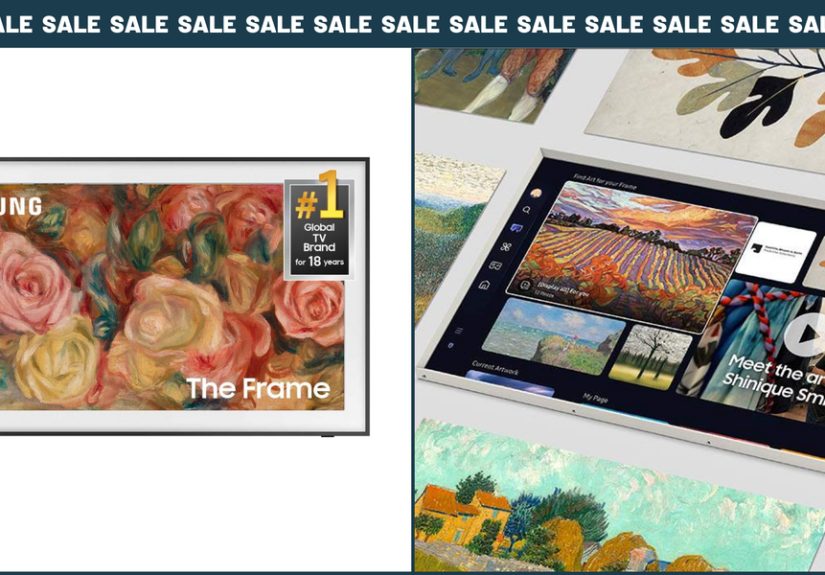
The Frame’s whole gimmick is simple: when you’re not watching TV, it behaves like wall art. But it’s not just a screensaverit’s a system
built around the “looks like a picture frame” idea, including a matte-style screen finish, flush mounting, and a design that prioritizes
“blending in” over “look at my gaming spaceship TV stand.”
Art Mode: the feature everyone actually talks about
Art Mode lets the display show artwork or photos when you’re not actively using it. Samsung’s ecosystem includes a large art library and
rotating selections, with a broader catalog available via subscription. The point isn’t just pretty picturesit’s the illusion that the TV
is part of your room’s decor, not the center of your room’s electrical grid.
The “why does this look more like paper than a TV?” screen
The Frame leans hard into a matte, glare-reducing presentation so the screen looks less like glass and more like something you’d hang.
In a bright room, that can be the difference between “nice art” and “hello, I can see my entire kitchen reflected in Van Gogh’s face.”
Flush mounting + clean cable management
The Frame is designed to sit close to the wall. That “mounted like a picture” effect is the whole experience. If you’re planning to set it
on a stand across the room, you can still enjoy itbut you’re paying for a vibe you’re not fully using.
In short: The Frame is for people who care about what their TV looks like when it’s off. If your TV is always on… congratulations on your
commitment to background noise, but you might not need this specific magic trick.
TV Performance: Great Art, Good TV, Not a Miracle
Here’s the honest truth: The Frame is not trying to be the single best picture-quality TV for every scenario. It’s trying to be the best
“art TV” that also functions as a very good everyday 4K QLED.
Where The Frame shines
- Bright rooms: QLED brightness plus glare handling is a friendly combo for open-concept spaces.
- Everyday streaming: sports, sitcoms, YouTube, and casual movie nights look excellent for most people.
- Design-first setups: if your partner (or your future self) hates visible tech clutter, The Frame is basically relationship counseling in a box.
Where you should keep expectations realistic
- Dark-room movie purists: OLED black levels can be unbeatable, especially if your room turns into a cave at night.
- Budget value hunters: you’re paying a premium for the art illusion and design ecosystem.
- Accessory costs: bezels and “make it look perfect” add-ons can quietly inflate the total.
Think of it like buying a couch. Yes, you can sit on lots of couches. But some couches are chosen because they look great, fit the room,
and don’t ruin the whole aesthetic. The Frame is the “designer couch” of TVs.
Is This Deal Right for You? A Quick Decision Guide
You should seriously consider it if…
- You want a 75-inch TV and your room can handle it without feeling like the screen is about to file for zoning permits.
- You care about how the TV looks when it’s off as much as when it’s on.
- You watch a mix of streaming, sports, and casual movies in a brighter room.
- You’re willing to mount it (or at least plan to) to get the full “frame” effect.
You might want a different TV if…
- Your #1 priority is the absolute best dark-room cinematic performance.
- You don’t care about Art Mode and just want “big and great.”
- You’re allergic to subscription ecosystems for optional features.
- You’d rather put the savings toward a sound system (which, honestly, is sometimes the smarter upgrade).
Size reality check (so you don’t accidentally buy a billboard)
A 75-inch TV is gloriously immersive… and also very large. Many placement guides suggest that 75-inch 4K viewing often lands roughly in the
6–9.5 feet range for comfortable viewing, depending on your preferences and room layout. If you’re farther back, you might still love it.
If you’re closer, it can feel like you’re sitting in the front row of an IMAXfun for action movies, less fun for nightly news graphics.
Simple trick: use painter’s tape to outline the TV’s approximate dimensions on your wall before you buy. If the rectangle looks like it’s
about to start charging you rent, consider a smaller size.
Labor Day Sale Strategy: How to Shop Like You’ve Done This Before
Labor Day sales are a classic time for TV discounts because retailers are clearing space and competing for big-ticket purchases. “Early”
deals (the kind you see before the official sale window) are often used to grab attentionand they can be legitimate, especially when
inventory is limited on popular sizes.
3 smart ways to approach an early Labor Day TV deal
-
Decide your must-haves first. If you need 75-inch, glare handling, and “looks like art,” you’re already narrowing the field.
That’s good. Choice paralysis is real. -
Set a “walk-away” price. The Frame’s pricing can bounce. If the deal rises by $200 tomorrow, you don’t want to spiral.
Decide what you’ll pay, then stick to it. - Compare the total setup cost. Wall mount, bezel frame, soundbaryour “$1,250 off” can shrink if you immediately add $500 in extras.
If the price is already sitting at a deep discount and you’re confident it’s your TV, buying early can be reasonable. If you’re uncertain,
Labor Day weekend typically brings plenty of options across brands and sizes.
Setup & Placement Tips That Actually Matter
Mounting: the whole point is “picture frame energy”
The Frame is built to be mounted flush. If you can’t mount (renting, weird wall, fear of drills), consider whether you’ll still love it on a stand.
Many people dobut the signature illusion is strongest on the wall.
Lighting: help the illusion, don’t sabotage it
If you want Art Mode to look convincing, avoid placing the TV where harsh direct light blasts the screen all day. The matte finish helps a lot,
but every room has its own “this is where glare goes to party” spot. Place accordingly.
Audio: don’t let a gorgeous TV sound like a laptop
Thin TVs rarely deliver “wow” sound. If you’re investing in a premium living room centerpiece, consider pairing it with a soundbarespecially
for a 75-inch setup where the visuals are huge and the audio should keep up.
Internet + ecosystem: keep it simple
You don’t need a complicated smart home to enjoy The Frame. But you do want stable Wi-Fi, because Art Mode content, streaming, and updates all
behave better when your router isn’t fighting for its life.
Living With The Deal: 500+ Words of Real-Life Experience (What It’s Actually Like)
Let’s talk about the part no spec sheet can capture: what it feels like to live with a Frame TV once the excitement of “look, it’s art!”
wears off and real life shows uplaundry piles, snack crumbs, and a dog who believes remotes are chew toys.
The first big “aha” moment usually happens at night. You turn the TV off andinstead of a glossy black mirror reflecting your entire
existenceyour wall looks curated. Not in a “museum guard is watching you” way, but in a “wow, this room suddenly feels finished” way.
If you’ve ever rearranged furniture just to make the TV look less like a bulky appliance, The Frame can feel like solving a long-running
home-design argument with one purchase. It doesn’t just hide; it contributes.
The second moment is when you start treating the art like a playlist. People swap pieces depending on the season, the mood, or what’s on the
wall nearby. Bright, abstract art during the day. Softer photography at night. A moody landscape when you’re hosting. Something cheerful
when the weather is bleak. And yessometimes you pick art based on whether it matches the new rug, because you’re an adult now and this is
what adulthood looks like.
But here’s the honest part: if you go all-in on the “art illusion,” you’ll notice the details. For example, you may find yourself
tinkering with brightness settings because a piece looks perfect in daylight and too luminous at night. Some people set schedules so art
turns off automatically while they sleep (because nobody wants their TV quietly glowing at 2 a.m. like a polite portal to another dimension).
You might also discover that the most convincing Art Mode comes from choosing pieces that naturally “fit” the frame: paintings and prints
work beautifully; certain high-contrast digital images can look more “screen-like.”
Then there’s the “big TV logistics” reality. A 75-inch screen changes your room. It’s more immersivesports look fantastic, and movie nights
suddenly feel like eventsbut you also become more aware of placement. If the TV is mounted too high, you’ll feel it in your neck. If it’s
slightly off-center, your eyes will find the mistake every time you sit down (human brains are rude like that). People who love The Frame
tend to be the same people who appreciate a clean, intentional setup, so it’s worth planning the mounting height and layout carefully.
Daily use is refreshingly normal: you stream shows, flip to sports, maybe game a little. The “Frame-ness” mainly shows up in the moments
between contentwhen you pause, when you turn it off, when someone walks in and doesn’t immediately clock it as a TV. Guests will ask,
“Is that a real painting?” and you’ll get to enjoy that tiny hit of pride that says, “Yes, my wall is fancy now.” (You do not have to tell
them you bought it during a Labor Day discount spiral at midnight. That story is optional.)
And finally, the deal experience: buying it at a steep discount feels different. When the price drops dramatically, it becomes easier to
justify the “design premium.” You’re not just paying for a lifestyle featureyou’re getting it closer to the price of other large premium TVs.
That’s when The Frame makes the most sense: when you wanted a big, modern TV anyway, and the savings make the aesthetic upgrade feel like a
smart decision instead of a decorative indulgence.
Final Take
If you’ve been eyeing the Samsung Frame TV, the “$1,250 off” style of Labor Day-adjacent discount is exactly the kind of pricing moment that
can make the purchase feel rationalnot just aspirational. The Frame is a design-forward TV that’s genuinely enjoyable to watch, especially
in bright living rooms where glare control and clean aesthetics matter.
The smartest way to buy it is to treat it like a room upgrade: evaluate your space, decide whether you’ll mount it, account for accessories,
and make peace with the idea that your TV might become your favorite piece of wall decor. If that sounds like your vibe, this is one of the
rare big-TV deals that can improve both your viewing experience and your living room’s personality.