Table of Contents >> Show >> Hide
- Start With the Big Picture: CLL Is Often a Marathon
- Your CLL Self-Care Priorities (In Plain English)
- 1) Infection Prevention: Your Most Important “Daily Habit”
- 2) Fatigue: The Symptom That Doesn’t Care About Your Plans
- 3) Nutrition: Eat for Strength, Not for Perfection
- 4) Mental Health: A Core Part of CLL Self-Care
- Self-Care During Treatment: Side-Effect Smarts (Not Panic)
- Protect Your Skin and Think Long-Term
- Build Your Support System: Self-Care Isn’t a Solo Sport
- Experiences: What Self-Care With CLL Often Feels Like (And Why That’s Normal)
- Conclusion
Chronic lymphocytic leukemia (CLL) has a reputation: it’s often slow-growing, sometimes quiet for years, and very good at making life feel “mostly normal”… until it suddenly doesn’t.
That’s why self-care with chronic lymphocytic leukemia isn’t bubble baths and scented candles (though no one’s stopping you). It’s the practical, everyday stuff that helps you stay well,
protect your energy, and feel more in controlwhether you’re on active surveillance (“watch and wait”), starting treatment, or living somewhere in between.
This guide is for educationnot personalized medical advice. Your oncology team should always be your final boss for decisions like vaccines, supplements, and symptom changes.
Still, you deserve a plan you can actually live with. Let’s build one.
Start With the Big Picture: CLL Is Often a Marathon
Many people with CLL aren’t treated right away. Instead, they’re monitored with regular visits and bloodwork, and treatment starts only if there are signs the disease is progressing
or causing problems. That can feel weirdlike being told you have a “real diagnosis,” but the plan is “we’ll keep an eye on it.”
Here’s the truth: monitoring is still care, and self-care is a big part of it.
Make your follow-up routine easier (and less stressful)
- Keep a simple symptom log (fatigue level, fevers, infections, night sweats, appetite, new lumps/swollen nodes).
- Track lab trends if you like data (white count, hemoglobin, platelets) or ask your team what numbers matter most for you.
- Bring a “top 3” question list to each visit so your brain doesn’t go blank in the exam room.
- Ask what should trigger a call (fever, new bruising/bleeding, sudden shortness of breath, rapidly growing nodes, etc.).
The goal isn’t to turn your life into a spreadsheet. The goal is to reduce uncertaintybecause uncertainty is exhausting, and you’d rather spend that energy doing literally anything else.
Your CLL Self-Care Priorities (In Plain English)
If we had to rank self-care with CLL, the top four usually look like this:
infection prevention, fatigue management, mental health support, and staying strong with movement and nutrition.
Everything else is a helpful accessory.
1) Infection Prevention: Your Most Important “Daily Habit”
CLL affects the immune system itself, and some treatments can further weaken immune defenses. The result: infections can be more frequent, more severe, and more disruptive than you’d expect.
Your job isn’t to live in a hazmat suit. Your job is to lower risk in smart, sustainable ways.
Easy wins that actually matter
- Hand hygiene before eating and after public spaces. Boring? Yes. Effective? Also yes.
- Ventilation and spacing in crowded indoor areasespecially during respiratory virus season.
- Masking when risk is high (crowded clinics, airplanes, packed events). Think of it as a seatbelt for your immune system.
- Food safety: wash produce, cook meats thoroughly, and be cautious with foods that carry higher infection risk (like unpasteurized items).
- Dental care: healthy gums reduce infection risk. Also, it’s a solid excuse to buy the fancy toothbrush.
Vaccines and boosters: build a plan with your care team
Vaccination is a key part of CLL self-care, but timing and vaccine type matter. Many people with CLL are advised to focus on non-live (inactivated or recombinant) vaccines.
Depending on age, health, and treatment status, your clinician may recommend vaccines such as:
- Annual flu shot
- COVID-19 vaccination/boosters (updated schedules may apply for immunocompromised people)
- Pneumococcal vaccination to reduce risk of serious pneumonia
- Recombinant shingles vaccine (Shingrix) for eligible immunocompromised adults
- RSV vaccine for eligible older adults (based on age and risk)
Two extra tips that are oddly powerful:
(1) Ask your oncology team, “Which vaccines should I avoid?”because some live vaccines may not be appropriate for people who are immunosuppressed.
(2) Encourage close household contacts to stay up to date, too. It’s not dramatic; it’s teamwork.
Know your “call the clinic” rules
If your team gives you a specific temperature threshold (often around 100.4°F / 38°C), treat it like a fire alarmnot a polite suggestion.
Fever, chills, shortness of breath, chest pain, confusion, or signs of dehydration deserve fast medical guidance.
When in doubt, call. You’re not “bothering” anyone. This is literally what they’re there for.
2) Fatigue: The Symptom That Doesn’t Care About Your Plans
Cancer-related fatigue isn’t the same as “I stayed up too late.” It can feel like your body’s battery won’t charge past 20%, even after rest.
Fatigue can come from anemia, poor sleep, stress, infections, medications, or CLL itselfand it deserves attention, not eye-rolls.
Use the “energy budget” method
Picture your energy as a daily budget. If you spend it all by noon, the afternoon is going to feel like a phone running 37 apps at 1% battery.
Try:
- Prioritize: pick one “must-do” and one “nice-to-do.”
- Plan: do harder tasks when you usually feel best (morning for many people).
- Pace: schedule short breaks before you crash, not after.
Move in a way that gives energy back
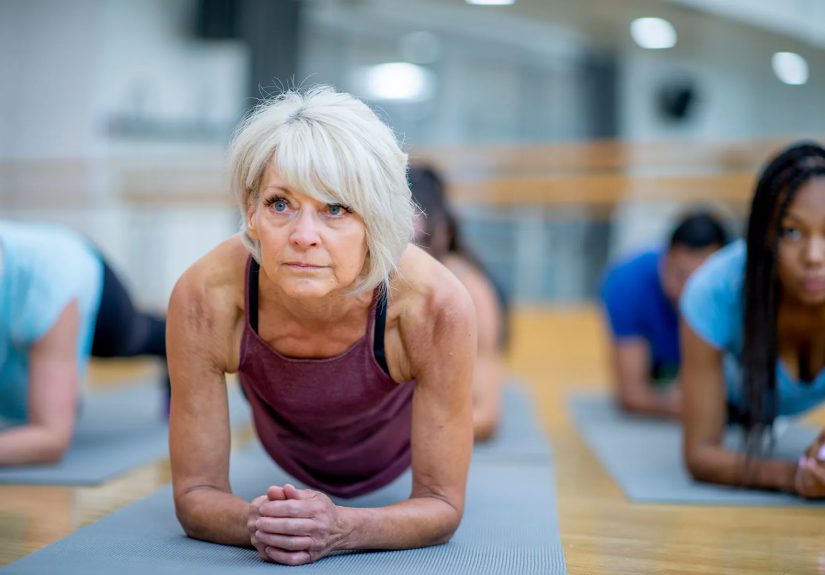
This is the part where people groan, so let’s be honest: exercise is not a magical cure. But for many people with cancer, regular physical activity can help
improve energy, mood, and sleepespecially when it’s consistent and appropriately paced.
Think walking, gentle cycling, light strength training, or yoga/stretching.
Start small. “Five minutes today” counts.
Ask about treatable fatigue causes
Self-care also means letting professionals do their part. Tell your team about fatigue and ask if you should be evaluated for things like anemia,
thyroid issues, sleep apnea, depression/anxiety, medication side effects, or nutritional problems. Sometimes the fix is medical, not motivational.
3) Nutrition: Eat for Strength, Not for Perfection
You don’t need a “CLL diet.” You need a practical way to fuel your bodyespecially if appetite changes, nausea pops up, or taste decides to go weird for a while.
Aim for a balanced pattern: protein (to maintain muscle), fiber (for gut health), healthy fats, and enough calories.
Simple strategies that help on hard days
- Small meals more often if big meals feel impossible.
- Protein “anchors”: eggs, Greek yogurt, beans, tofu, poultry, fish, nut butterswhatever works for you.
- Hydration with a purpose: water, broths, smoothies, or oral rehydration if you’re struggling.
- Gentle foods during nausea (toast, rice, bananas, applesauce, soups) and ask about anti-nausea options when needed.
Supplements: “natural” doesn’t always mean “safe”
Some supplements can interact with cancer therapies or affect bleeding risk. Before starting anything newespecially high-dose vitamins, herbals, or “immune boosters”
run it by your oncology pharmacist or clinician. Your liver does enough already. Let’s not give it bonus homework.
4) Mental Health: A Core Part of CLL Self-Care
CLL can be emotionally complicated, especially with watch-and-wait. People often describe a mix of gratitude (“I’m not in crisis”) and anxiety (“But what if it changes tomorrow?”).
That emotional whiplash is realand it’s not weakness.
Tools that work in real life
- Talk therapy (especially with a counselor experienced in cancer care).
- Support groups (in-person or online) to reduce isolation and swap practical tips.
- Mind-body practices like guided relaxation, mindfulness, breathwork, or gentle yoga.
- Boundary setting: you don’t owe everyone an update, a detailed explanation, or your entire emotional inventory.
If worry is affecting sleep, appetite, school/work, or relationships, bring it up with your care team. Anxiety and depression are treatableoften with therapy,
coping strategies, and sometimes medication.
Self-Care During Treatment: Side-Effect Smarts (Not Panic)
Modern CLL treatments have improved dramatically, but every treatment has trade-offs. The self-care goal is to spot side effects early, manage them effectively,
and protect your quality of life while your therapy does its job.
Medication safety: your “always ready” list
- Keep an updated medication list (including supplements and OTC meds).
- Ask about interactions with common drugs (like acid reducers, antibiotics, or blood thinners) and foods (for some meds).
- Report new symptoms promptlyespecially irregular heartbeat, unusual bruising, severe diarrhea, or persistent fevers.
- Take meds exactly as directed. If you miss doses, tell your teamno shame, just strategy.
If you’re on therapies that can increase infection risk, your team may discuss preventive strategies (like specific vaccines, monitoring, or other preventive measures based on your situation).
If you’re on medications that can affect blood pressure or heart rhythm, ask whether home monitoring is recommended.
Protect Your Skin and Think Long-Term
People with CLL can have a higher risk of certain other cancers, including skin cancer. That makes “basic” sun protection surprisingly high-value:
sunscreen, hats, seeking shade, and paying attention to new or changing skin spots. If you’re high-risk or have a history of skin issues,
ask whether regular dermatology checks make sense for you.
Build Your Support System: Self-Care Isn’t a Solo Sport
A strong self-care plan includes your people. That may be family, friends, coworkers, faith community, or fellow patients.
It also includes professionals: oncology nurses, social workers, dietitians, pharmacists, mental health clinicians, and primary care.
Questions worth asking your team
- “What symptoms should make me call the clinic the same day?”
- “Which vaccines do you recommend for me, and which should I avoid?”
- “What can we do about fatigue if it’s affecting my daily life?”
- “Are there nutrition or exercise guidelines tailored to my labs and treatment plan?”
- “Where can I get support for stress, anxiety, or finances?”
The most powerful self-care move is often simple: communication. Tell your team what you’re experiencing early, not heroically late.
Experiences: What Self-Care With CLL Often Feels Like (And Why That’s Normal)
People don’t experience CLL in one universal way, but certain themes show up again and again. One common experience is the “watch-and-wait paradox.”
You may feel physically okay and still emotionally rattledbecause the diagnosis is real, the monitoring is real, and your mind keeps trying to time-travel into worst-case scenarios.
Many people say the first few months are the hardest, not because symptoms are worst, but because uncertainty is loud. Over time, self-care looks like learning the rhythm:
you go to appointments, you learn your patterns, and you gradually stop treating every new ache like a plot twist.
Fatigue is another big one, and it often surprises people because it can feel out of proportion to what’s happening on paper.
Some describe it as “wired but tired”you want to do things, but your body taps out early. The practical shift that helps most is permission:
permission to rest without guilt, to adjust expectations, and to stop grading yourself on an energy scale designed for people who aren’t managing a chronic blood cancer.
Self-care becomes less about pushing through and more about pacingdoing a little movement, eating steady meals, and protecting sleep like it’s a paid job.
Infection anxiety also tends to creep in, especially after a bad cold, a hospital visit, or a friend’s casual “Oh yeah, my whole house has the flu.”
Many people find peace in having a clear plan: which symptoms require a call, where to go after hours, how to handle travel, and which precautions matter most.
That plan doesn’t eliminate risk, but it replaces vague fear with concrete steps. It’s the difference between “Everything is dangerous” and
“Here’s what I do when the risk is higher.”
During treatment, self-care can shift from “keeping life normal” to “keeping life functional.” People often talk about becoming excellent at small adjustments:
keeping a water bottle nearby, carrying snacks, setting medication alarms, asking about side-effect management early, and letting others help with errands.
There’s also a surprisingly emotional side to itsometimes relief that treatment is finally addressing the disease, sometimes frustration that the body feels different,
and sometimes a weird pride in how capable you’ve become. (Yes, you can be annoyed and resilient at the same time. Humans contain multitudes.)
Finally, a lot of people describe self-care as reclaiming identity. You’re not “a CLL patient” as your whole personality.
You’re still yousomeone who has preferences, goals, relationships, and an opinion about whether pineapple belongs on pizza (it does, and I will not be taking questions).
The best self-care plans make room for joy: a short walk with music, time with friends, hobbies that absorb you, and routines that remind you your life is bigger than your diagnosis.
That’s not ignoring realityit’s protecting your quality of life while you face it.
Conclusion
Self-care with chronic lymphocytic leukemia is a long game: prevent infections, manage fatigue with pacing and movement, eat for strength, protect mental health,
and stay connected to your care team. You don’t need to do everything perfectly. You need a routine that’s realistic, repeatable, and flexiblebecause life is still life.
With the right supports and smart daily habits, many people with CLL continue to work, travel, celebrate milestones, and live full lives.
Your plan can evolve as your CLL evolvesand you don’t have to figure it out alone.